What Causes It Around Here
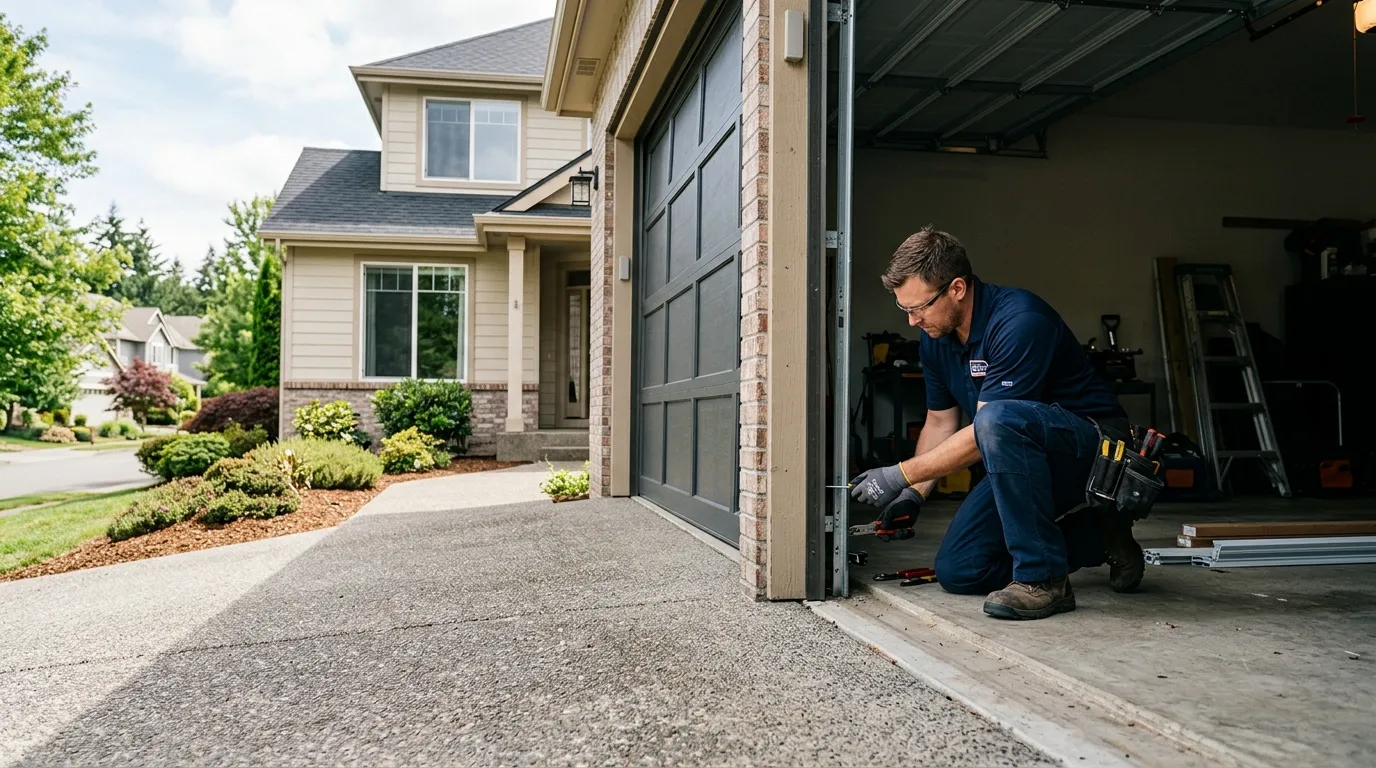
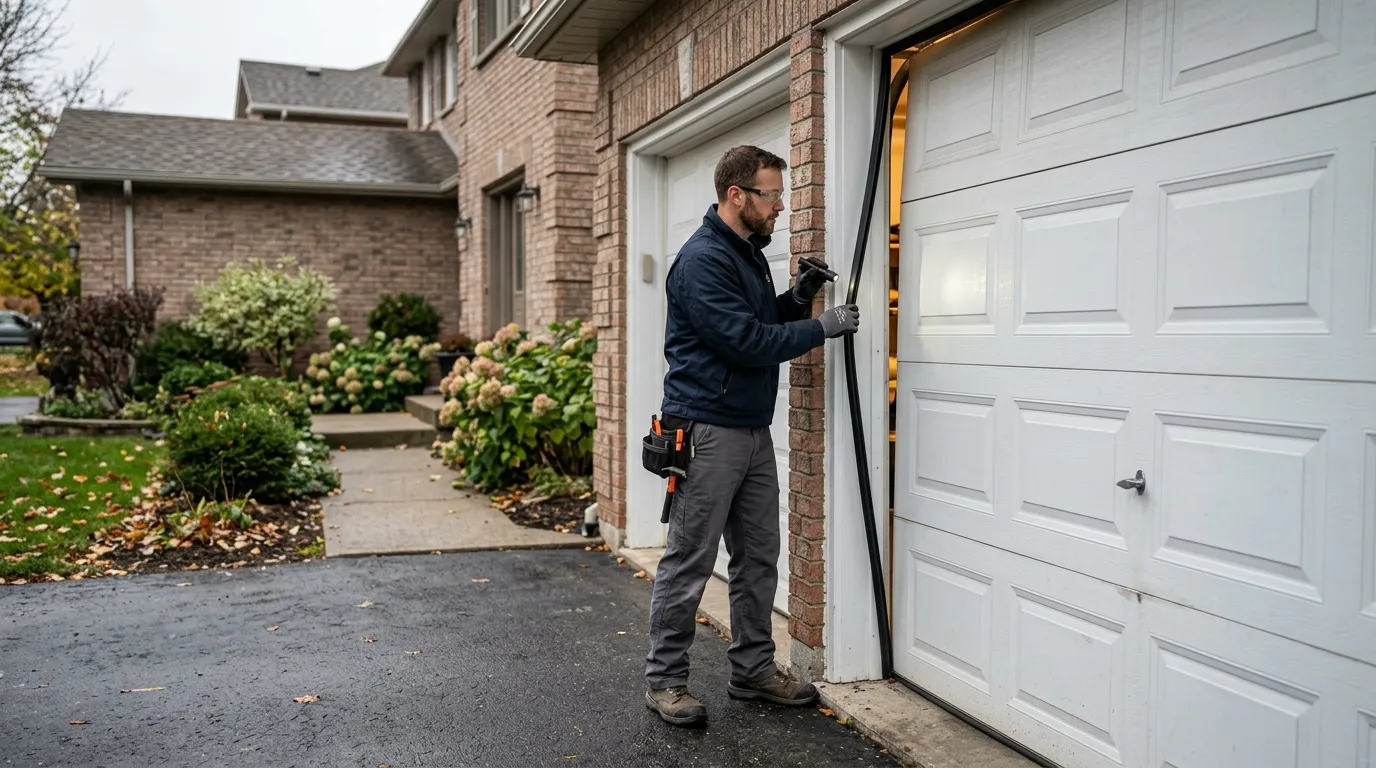
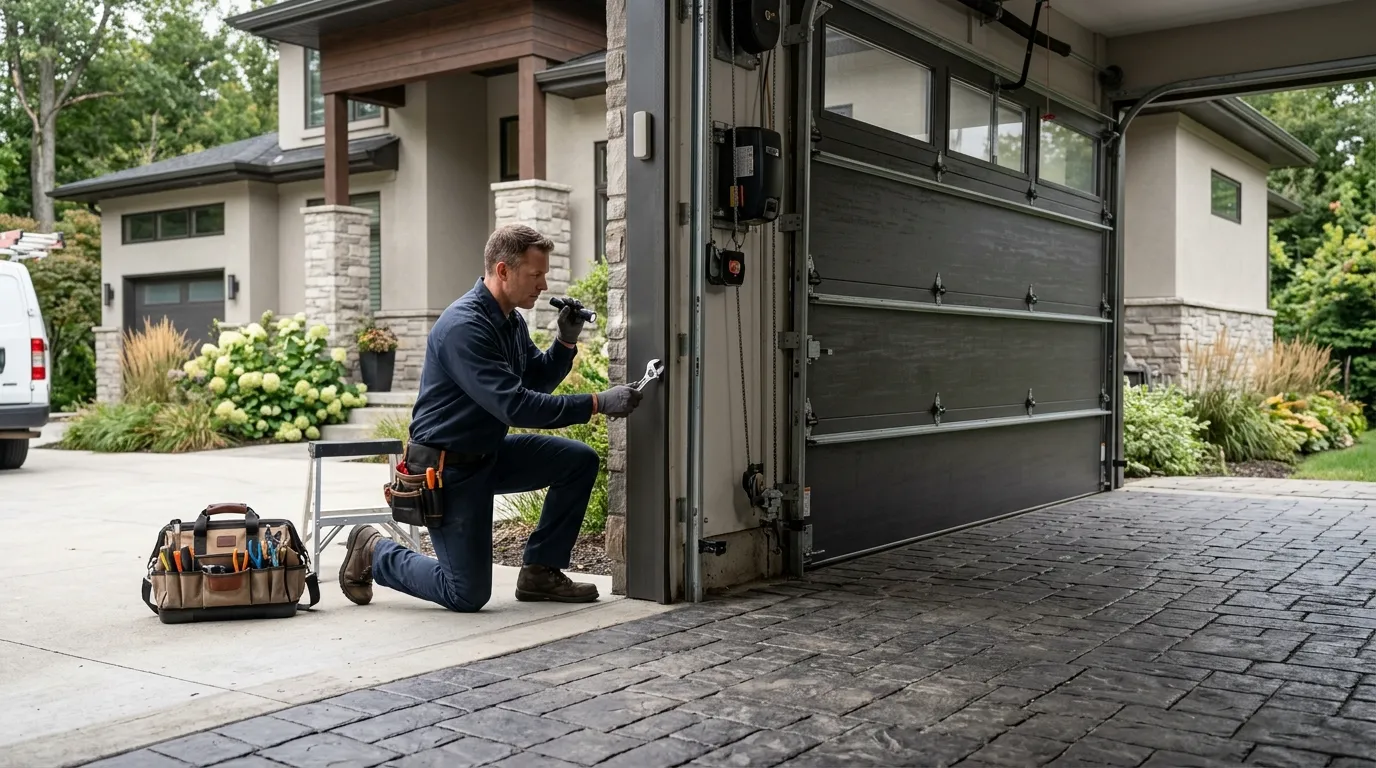
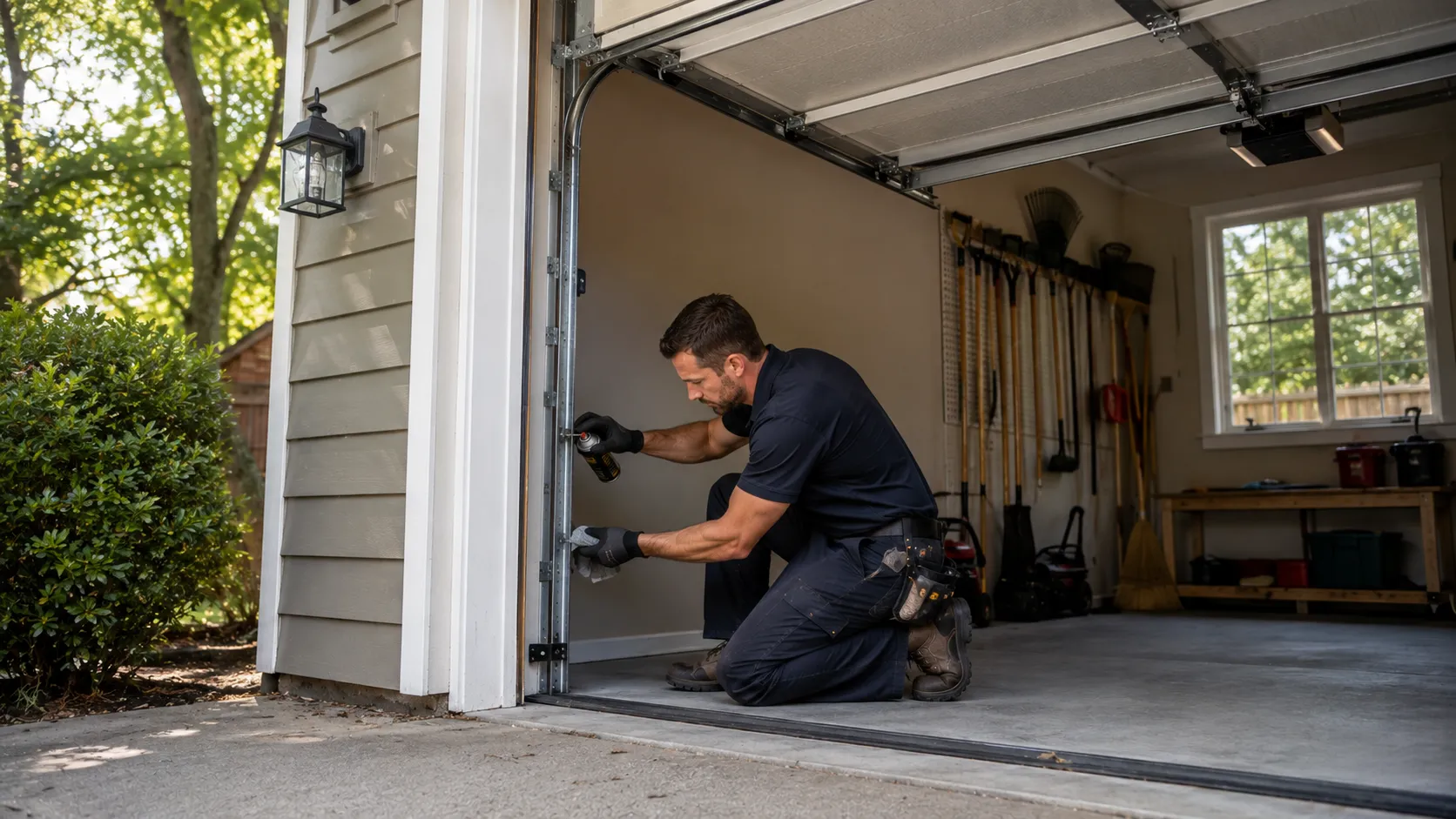
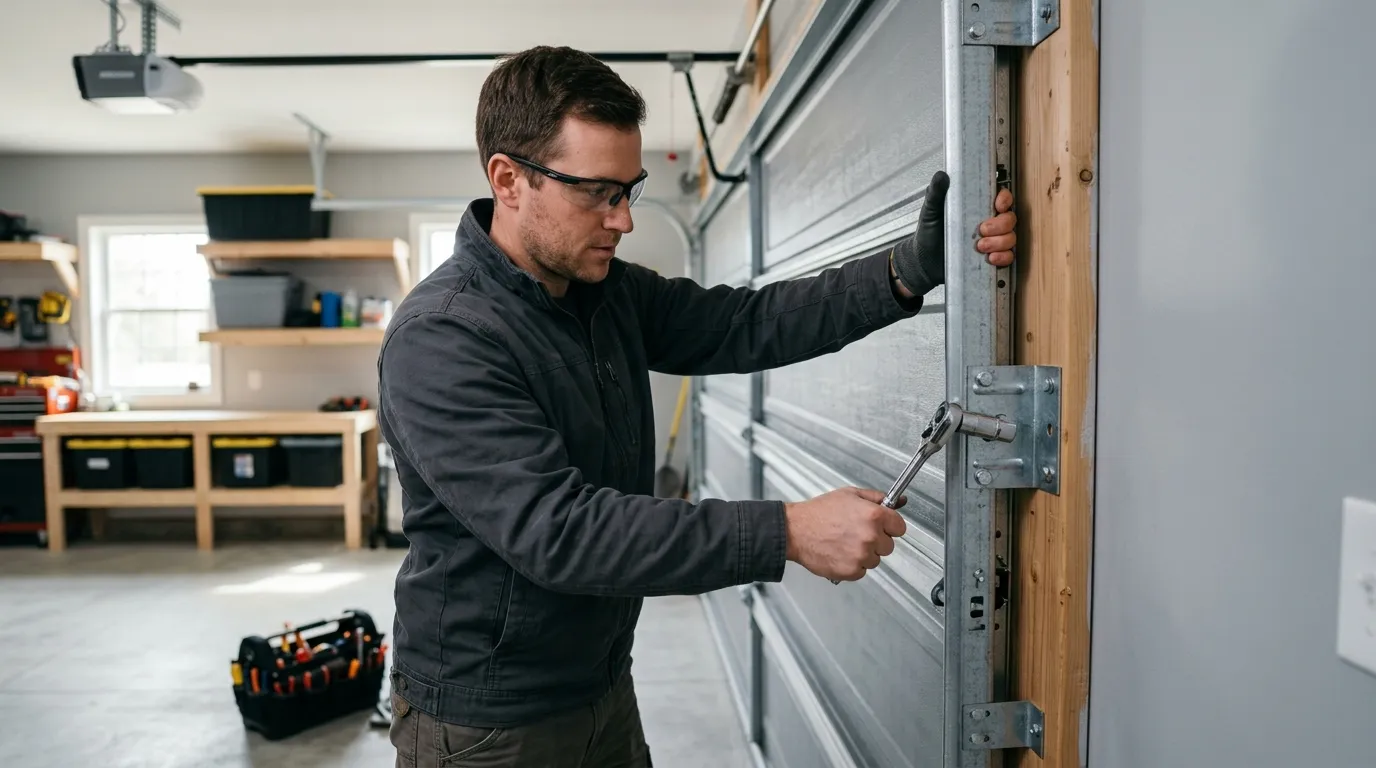
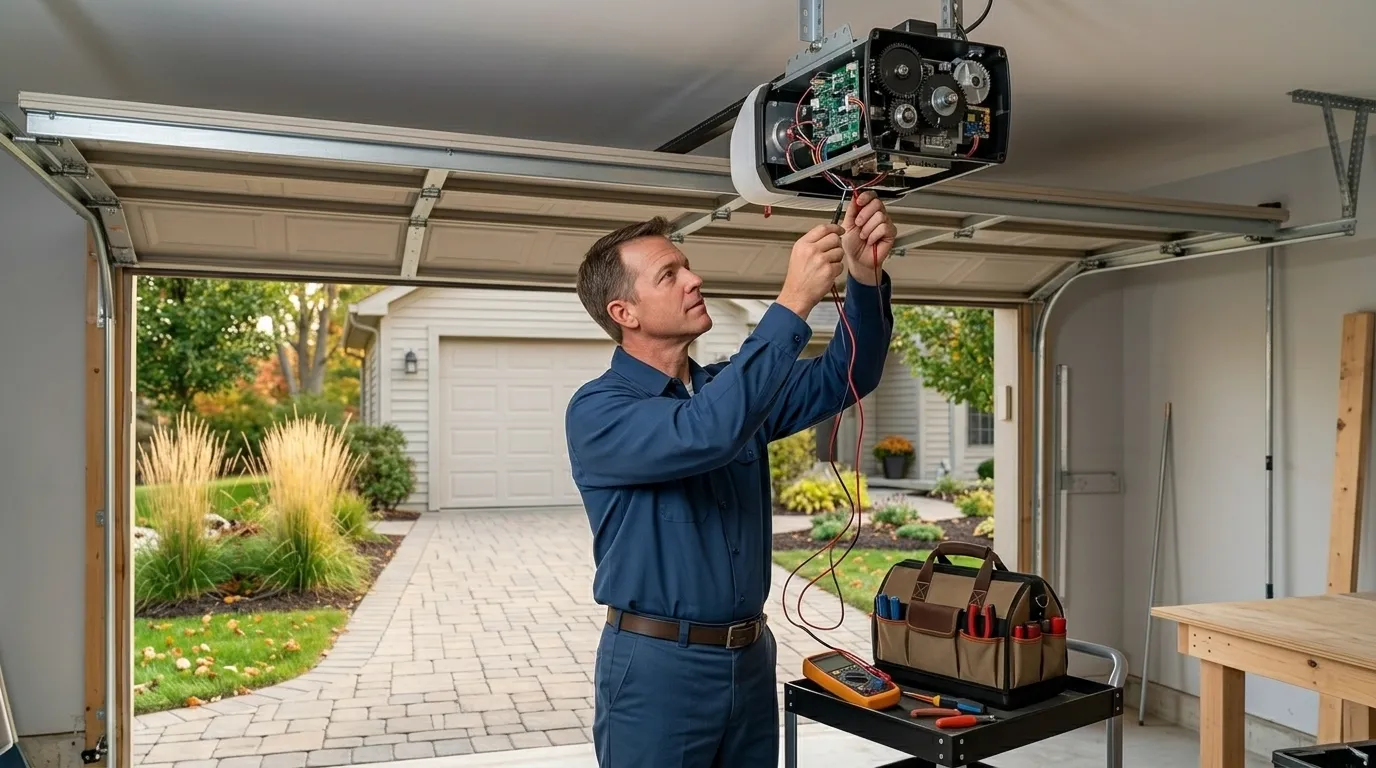
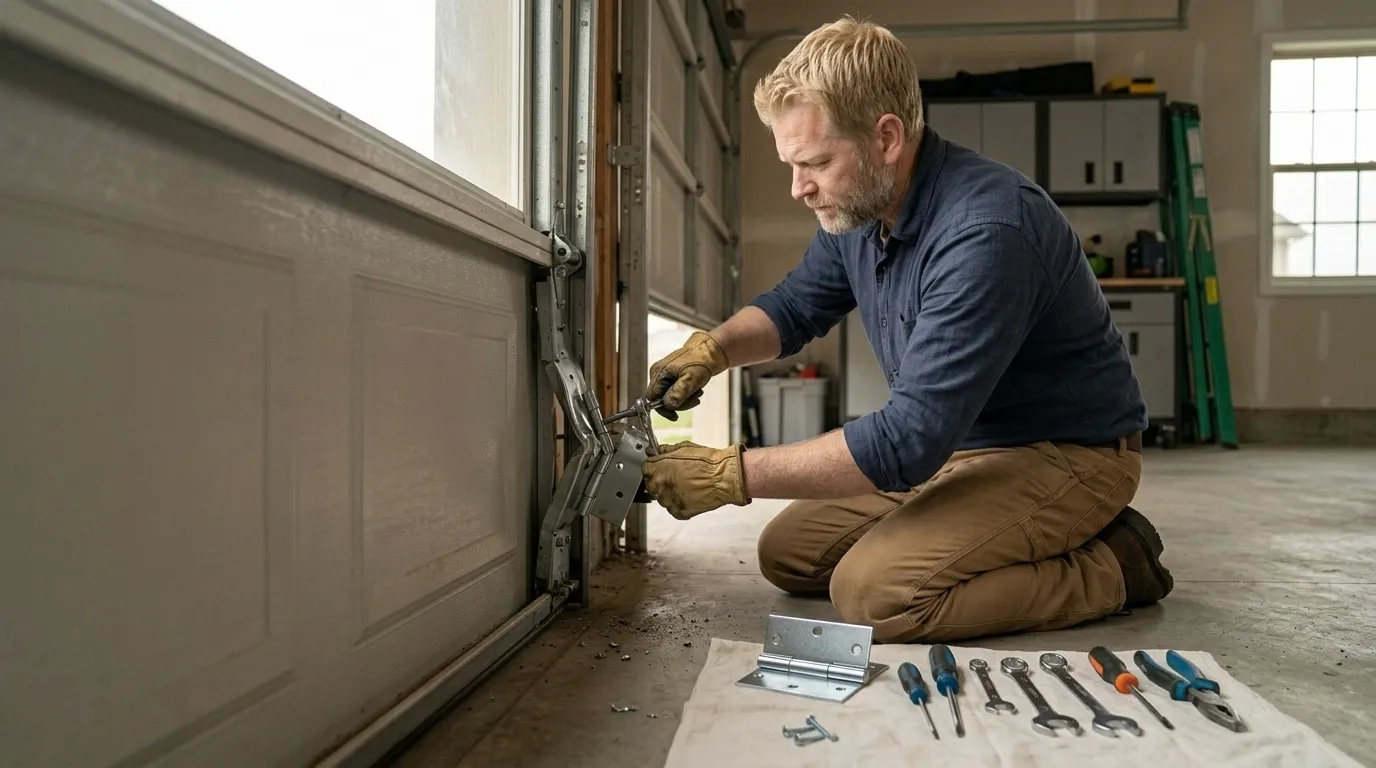
Springfield's housing stock runs mostly 1957 to 2002, with a lot of it concentrated in the 1960s and '70s build wave across the fourteen neighborhoods we work in, from Old Aristocracy Hill down through the Lake Shore area. Doors from that era were built to a different standard - thinner steel, no insulation core, and hardware sized for a manual door that later got an opener bolted on as an afterthought. Add a genuinely cold climate with real freeze-thaw cycles, and steel that flexes and contracts every winter eventually fatigues at the hinges and track brackets faster than it would somewhere milder. We see it most in the older pockets close to downtown, where original one-piece and early sectional doors are still hanging on original track. It's not that these doors were built badly. It's that fifty-plus years of Illinois winters is longer than most garage door hardware was ever designed to last, and once the track or hinges start working loose, an opener fighting that resistance burns itself out faster too.
Booking a Visit
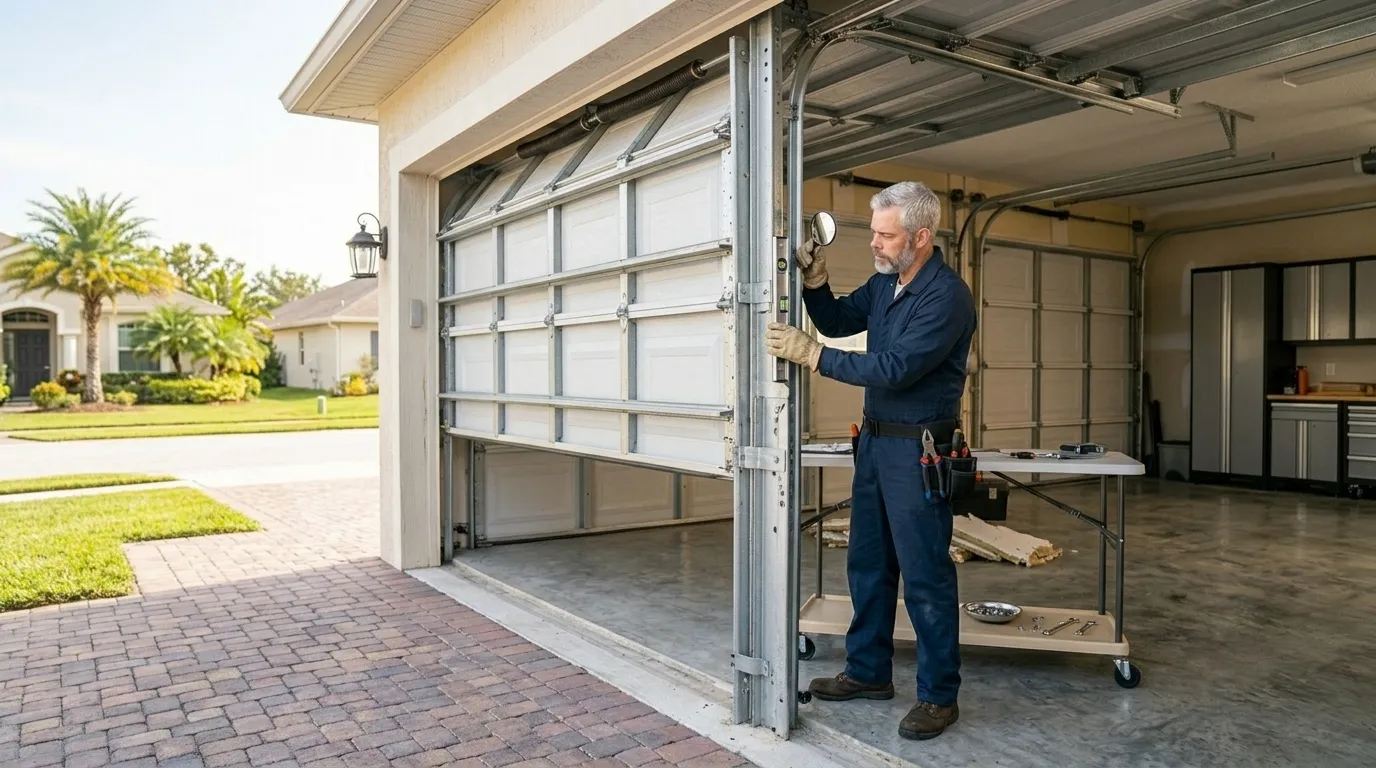
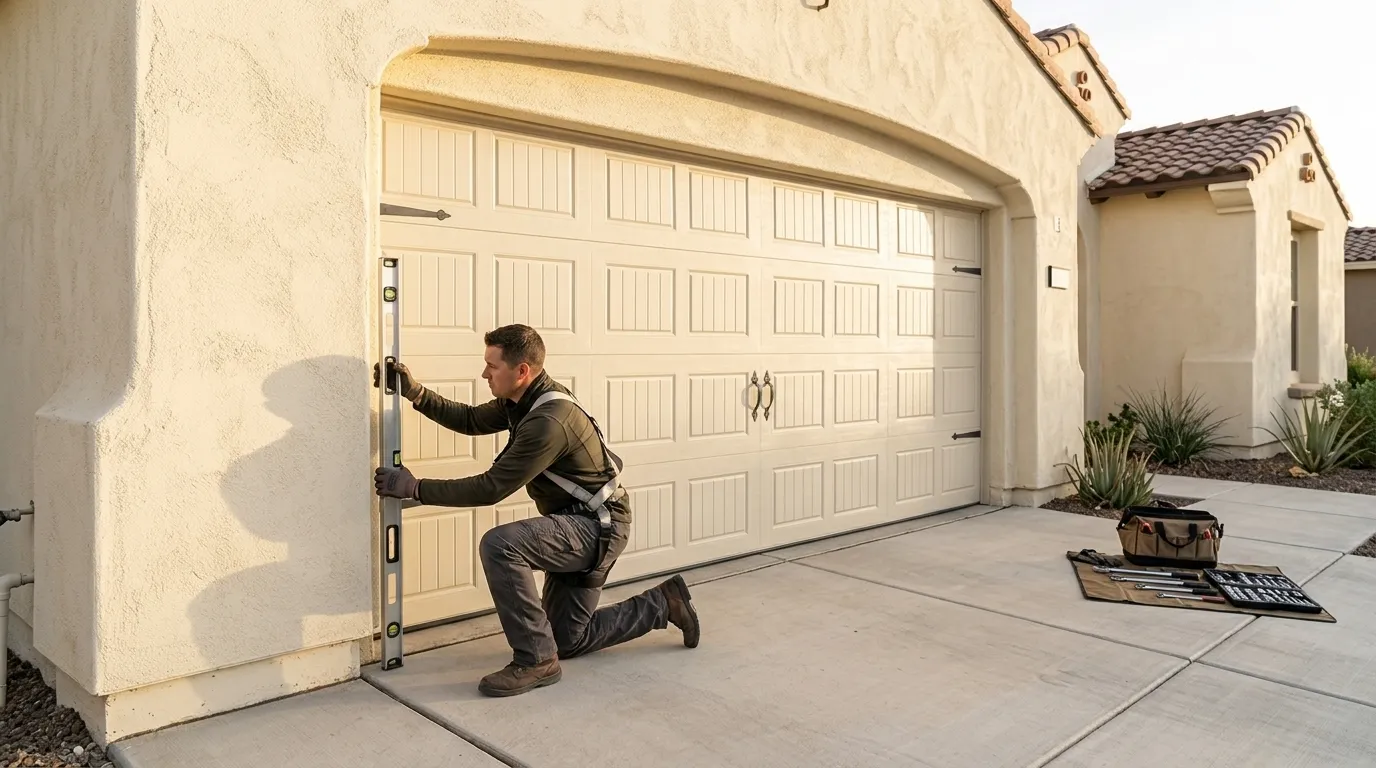
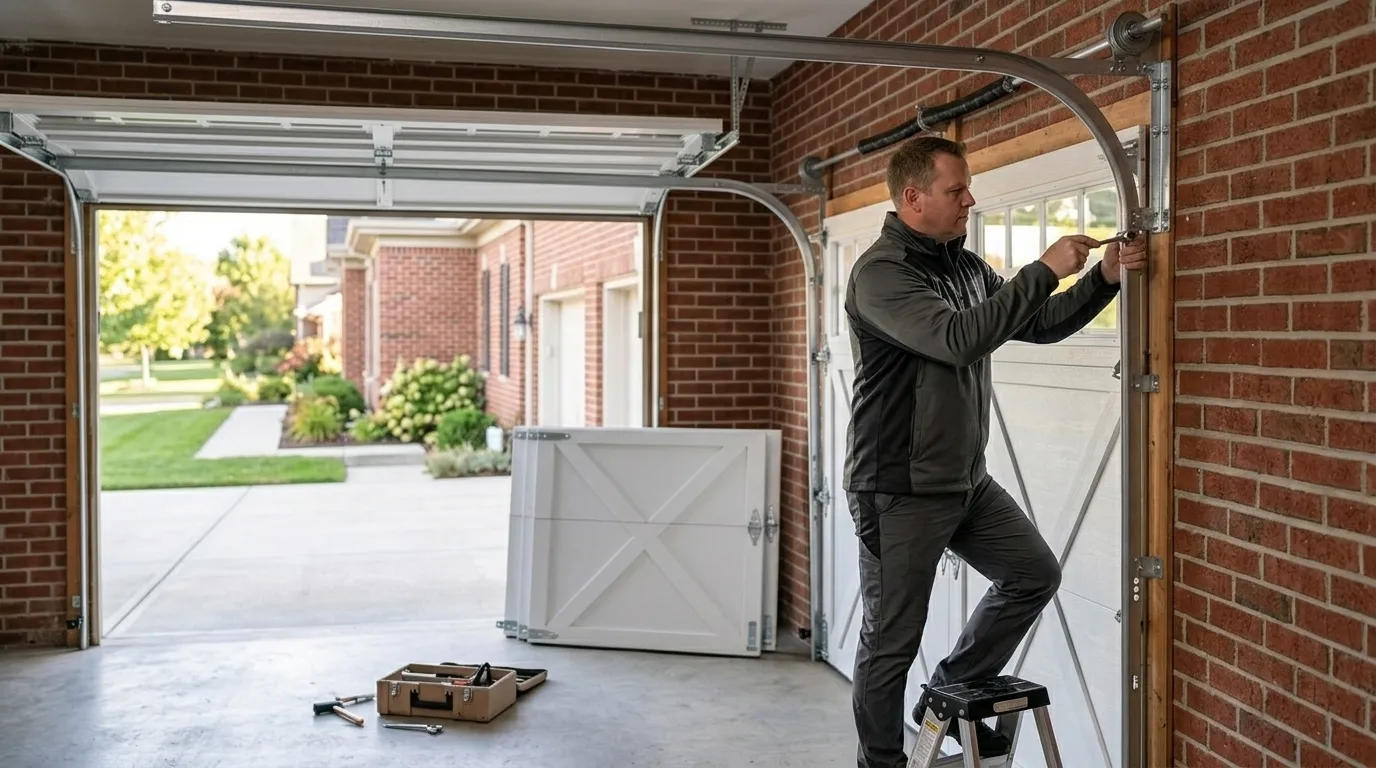
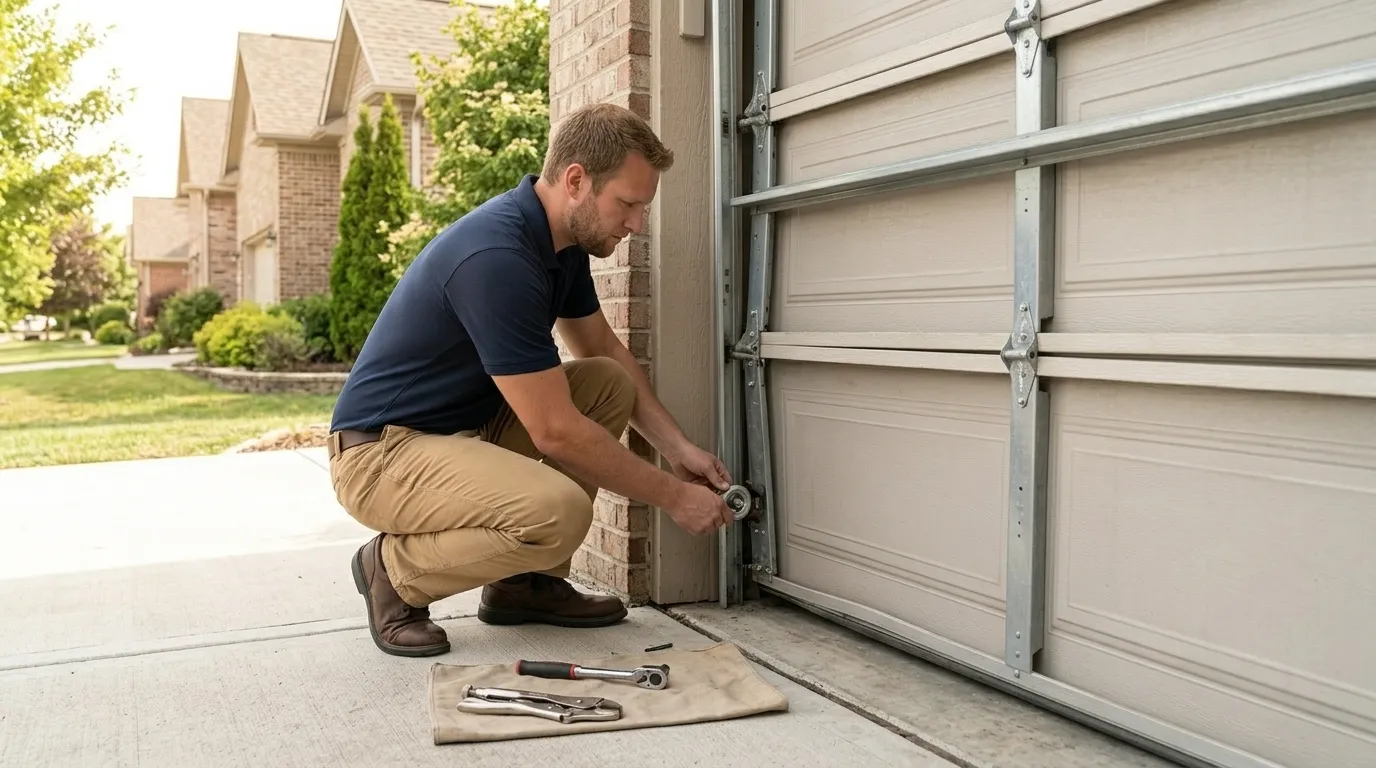
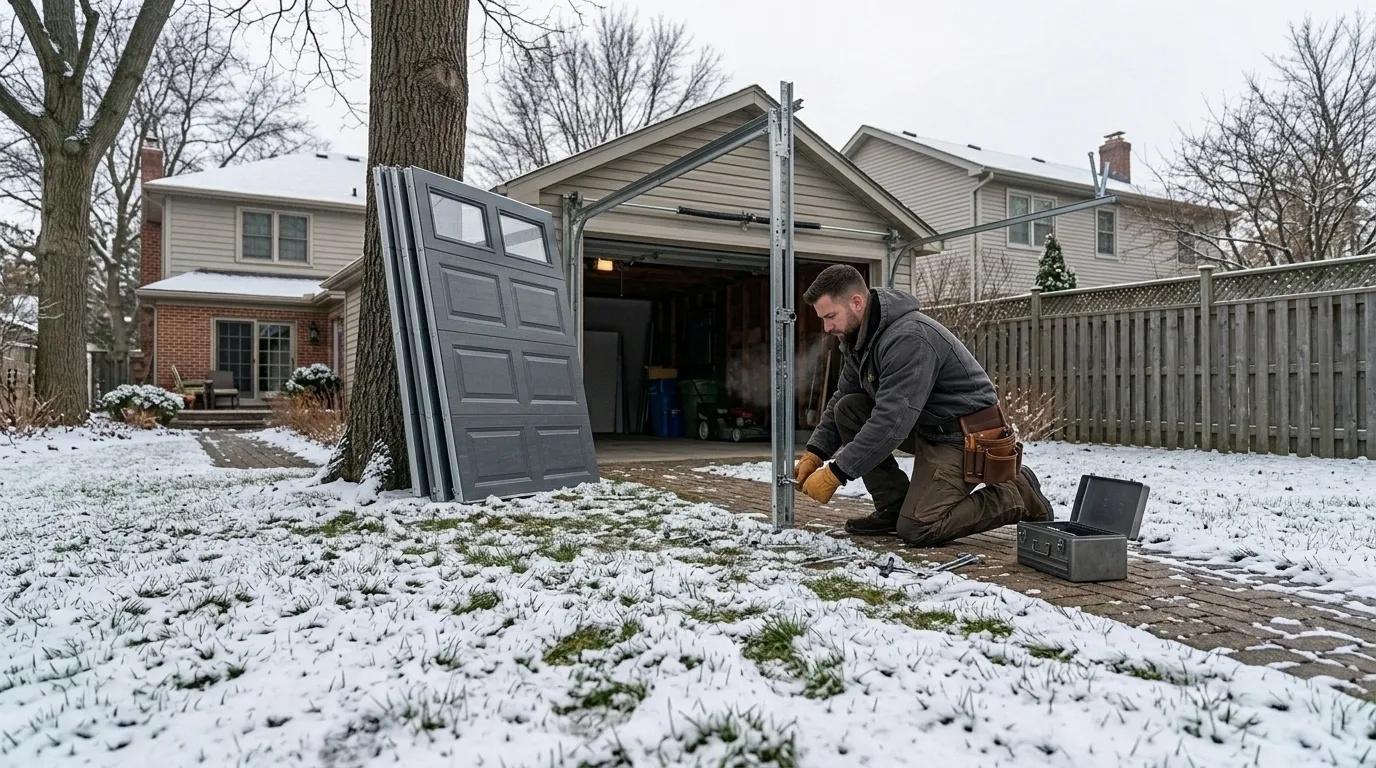
When you call for an installation quote, we come out and look at the actual opening - width, headroom, and what's currently mounted - before we talk product. A lot of Springfield garages, especially in the older housing stock, have headroom or track configurations that limit which door and opener combinations will actually fit without extra hardware. We'll walk you through what's on the wall now, what condition the track and springs are in, and whether anything beyond the door itself needs attention. If the springs or track are still solid, we'll tell you that too - there's no reason to replace hardware that has years left in it just because the door is going in new. That visit is also when we talk timeline, since door and opener availability varies by model and isn't something we control.