This Area's Housing
Riverton's housing stock centers tightly on 1973, right at the median build year for the wider Springfield service area (1957-2002 across the region), which puts this neighborhood squarely in the first wave of tract housing rather than the later 1990s infill you see elsewhere. With roughly 1,581 households here and a median income of $75,527, this is a settled, owner-heavy area - people who've lived in these houses long enough to know their door's quirks but maybe not long enough to have replaced the original hardware. A 50-year-old garage isn't unusual here; it's close to typical. That matters because doors and openers from that era were built to different tolerances and torsion standards than what's sold today, and parts availability reflects that.
How That Shows Up in the Door
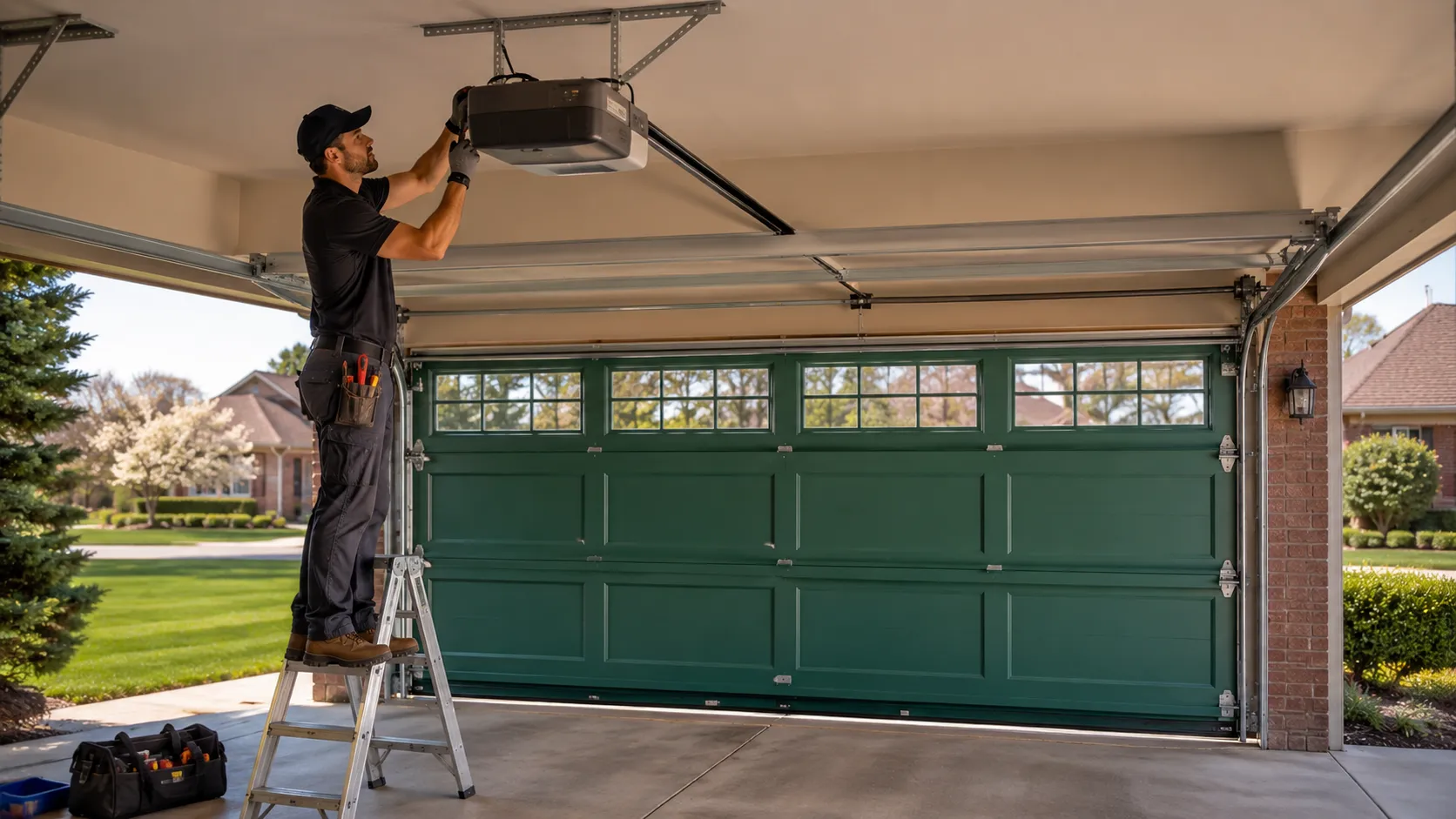
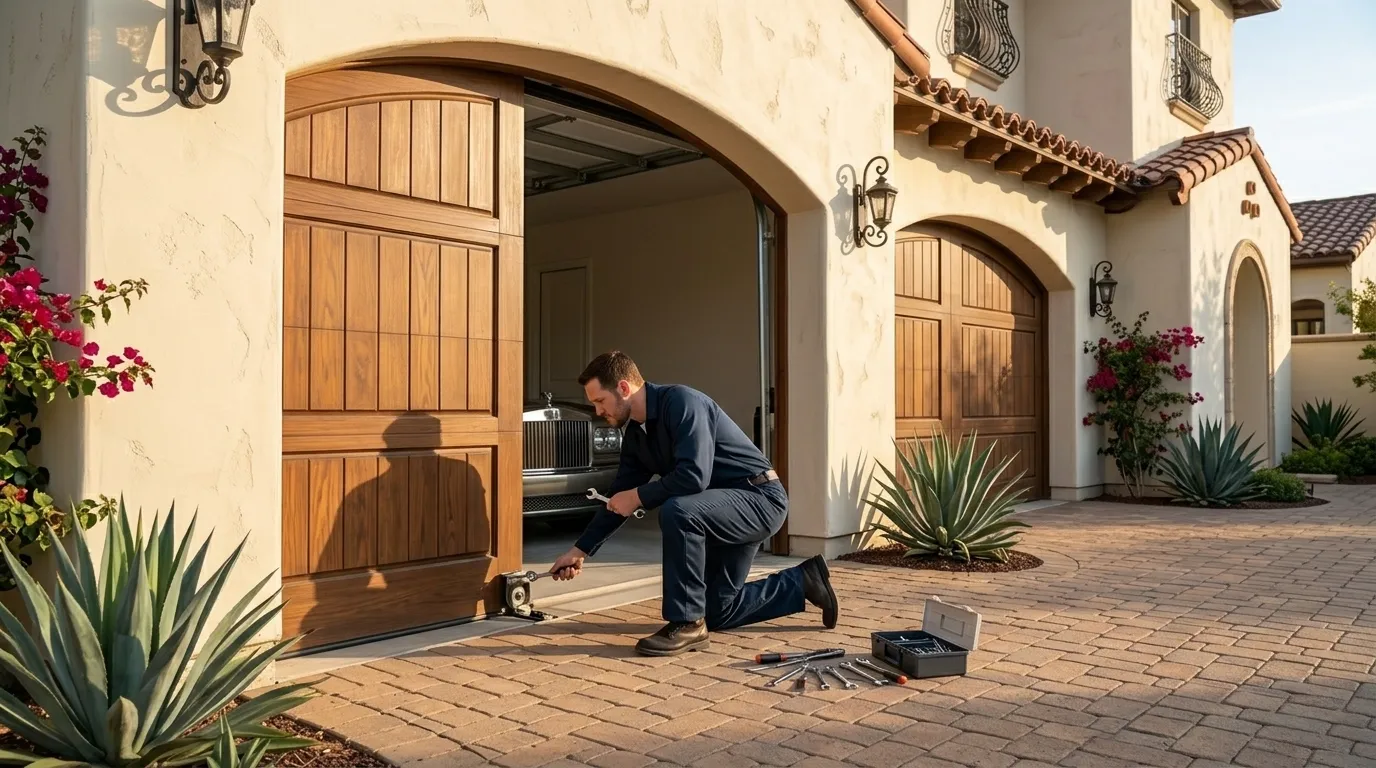
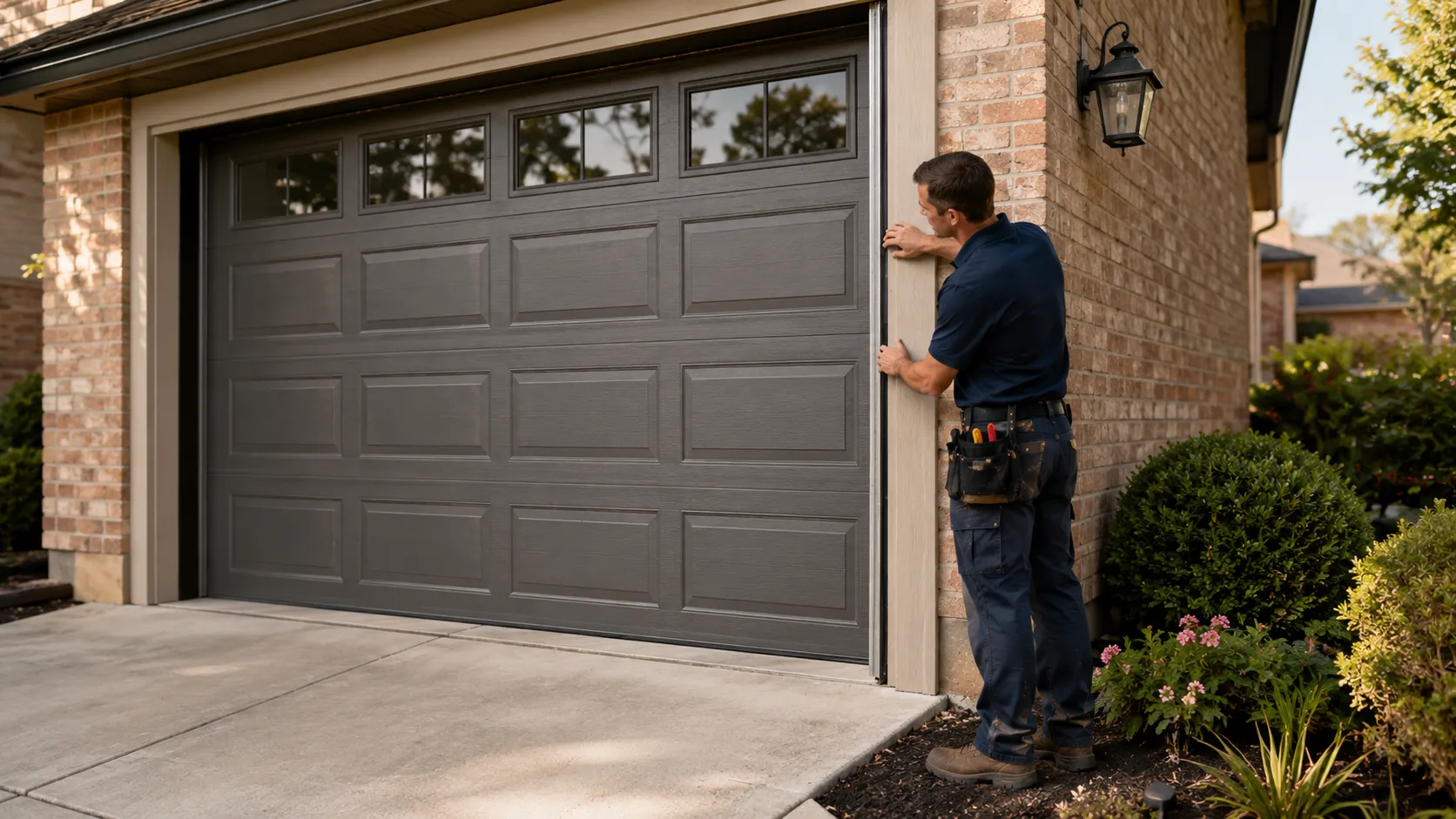
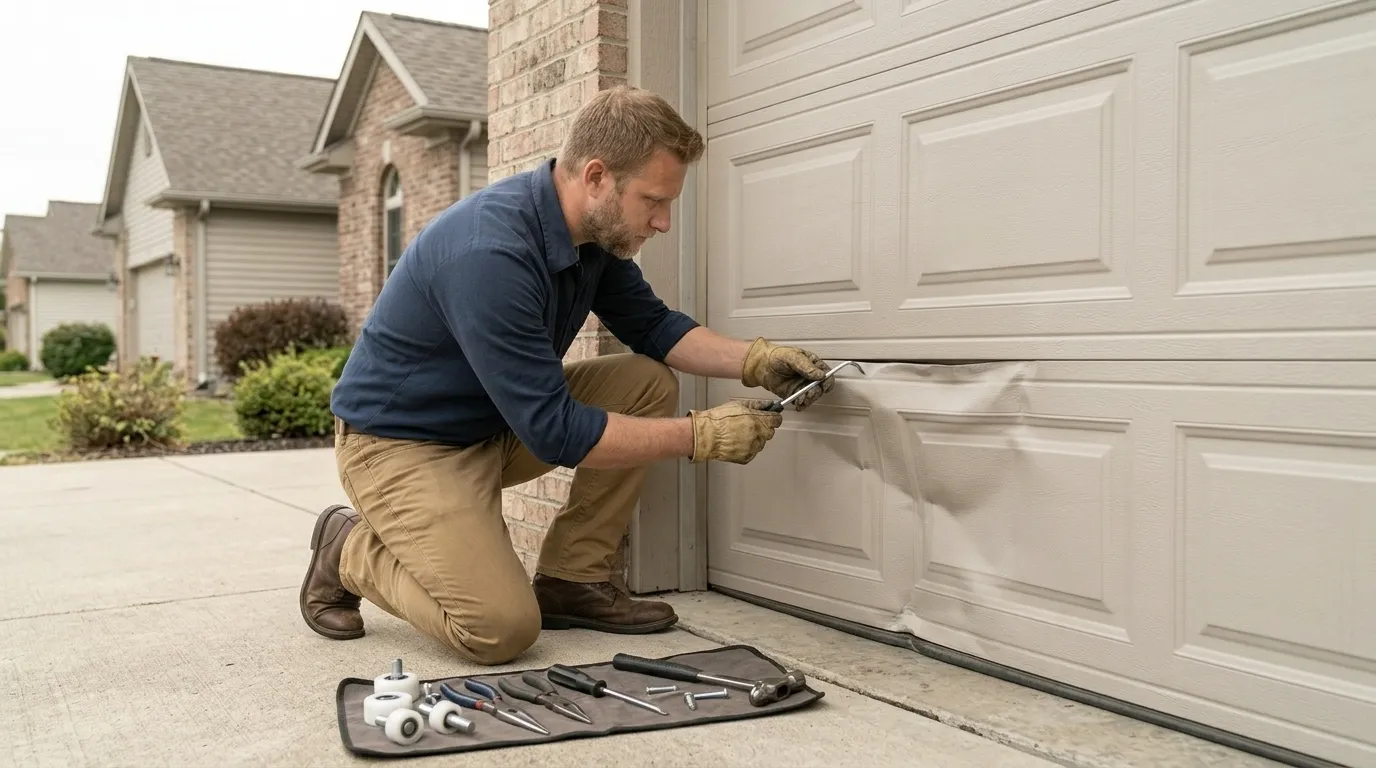
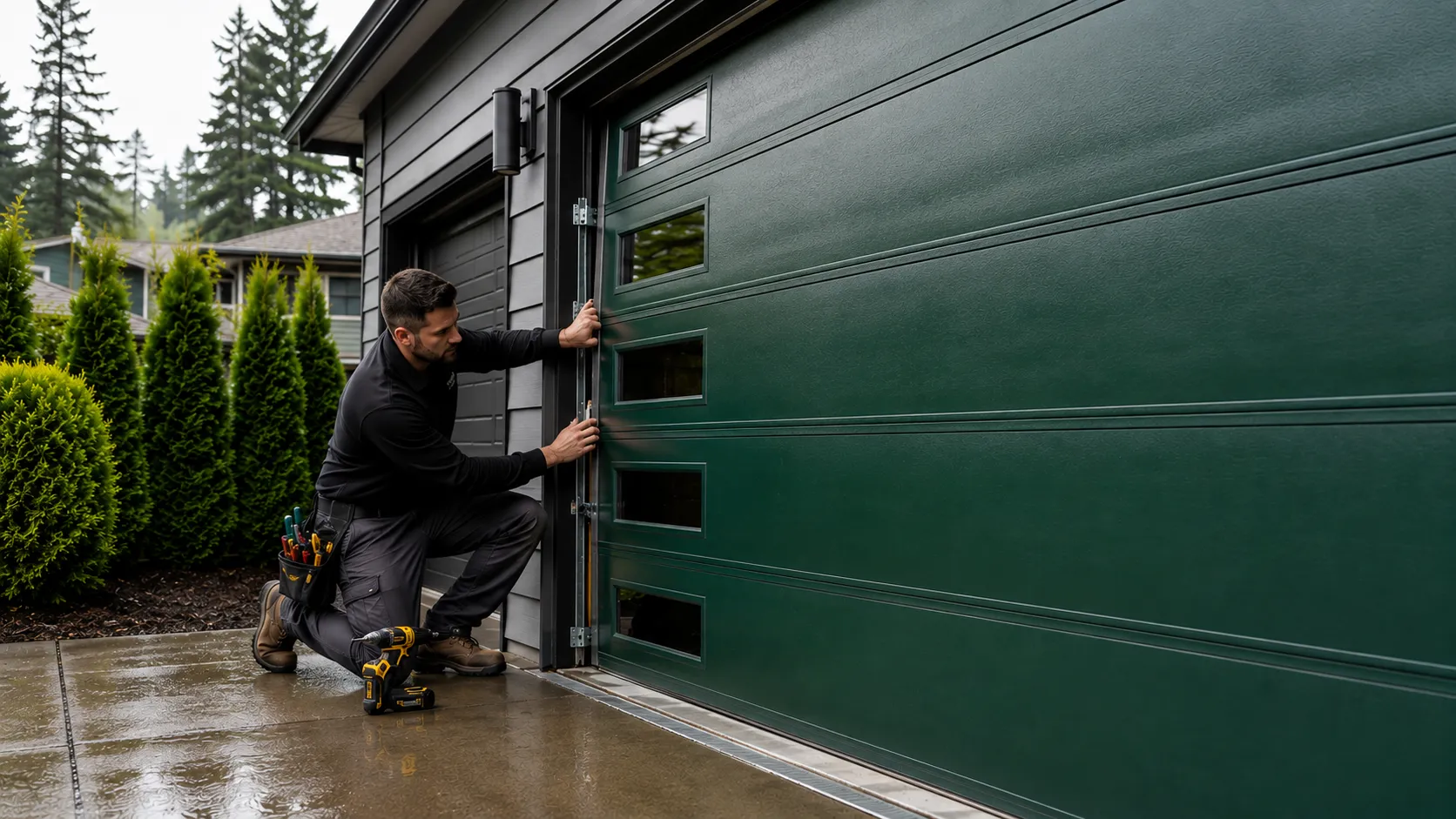
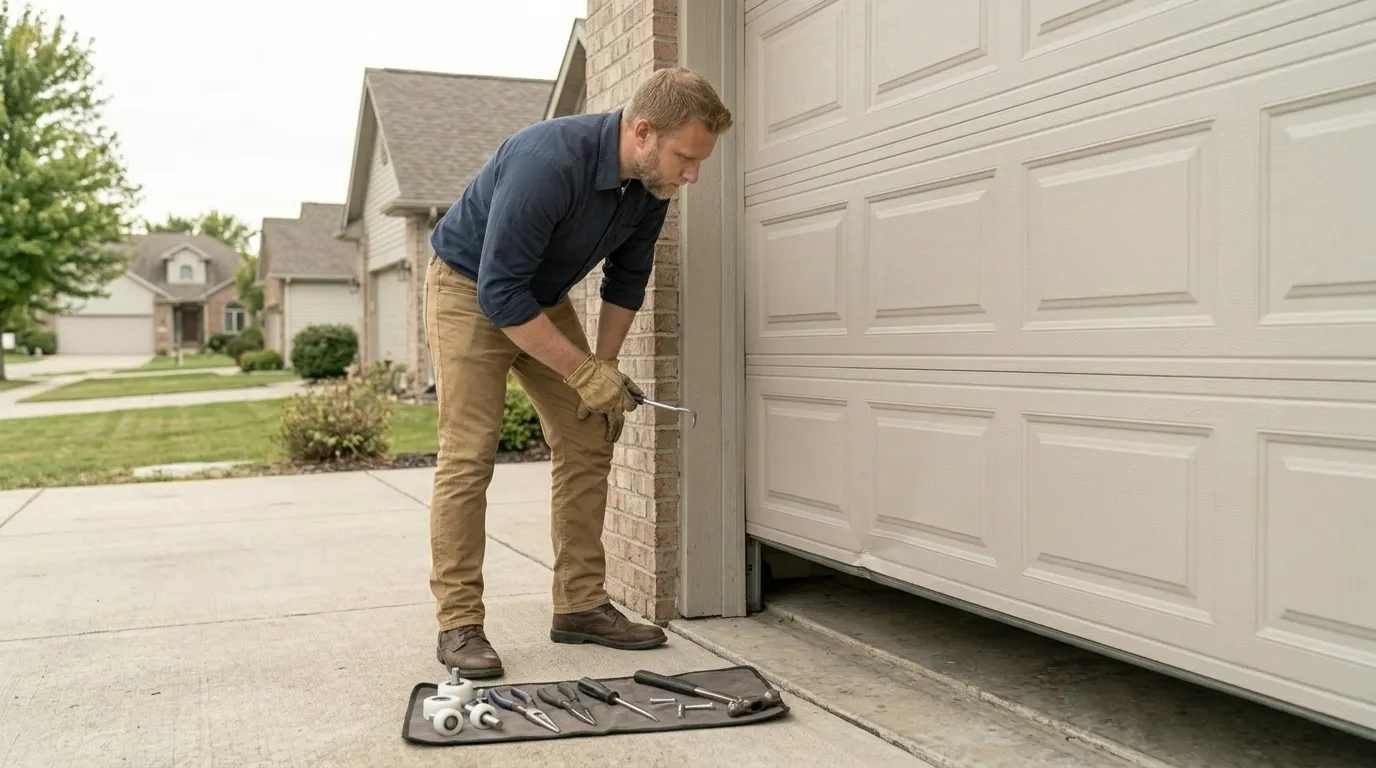
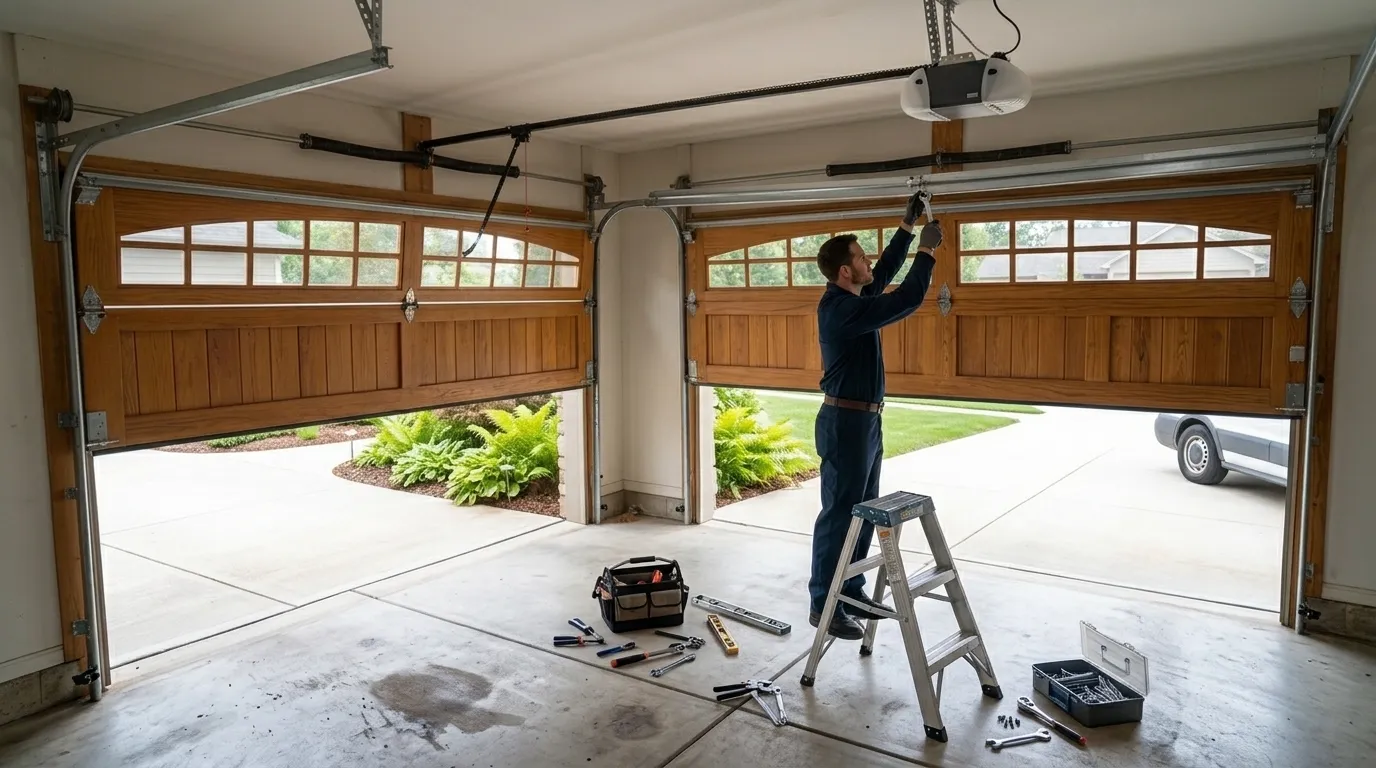
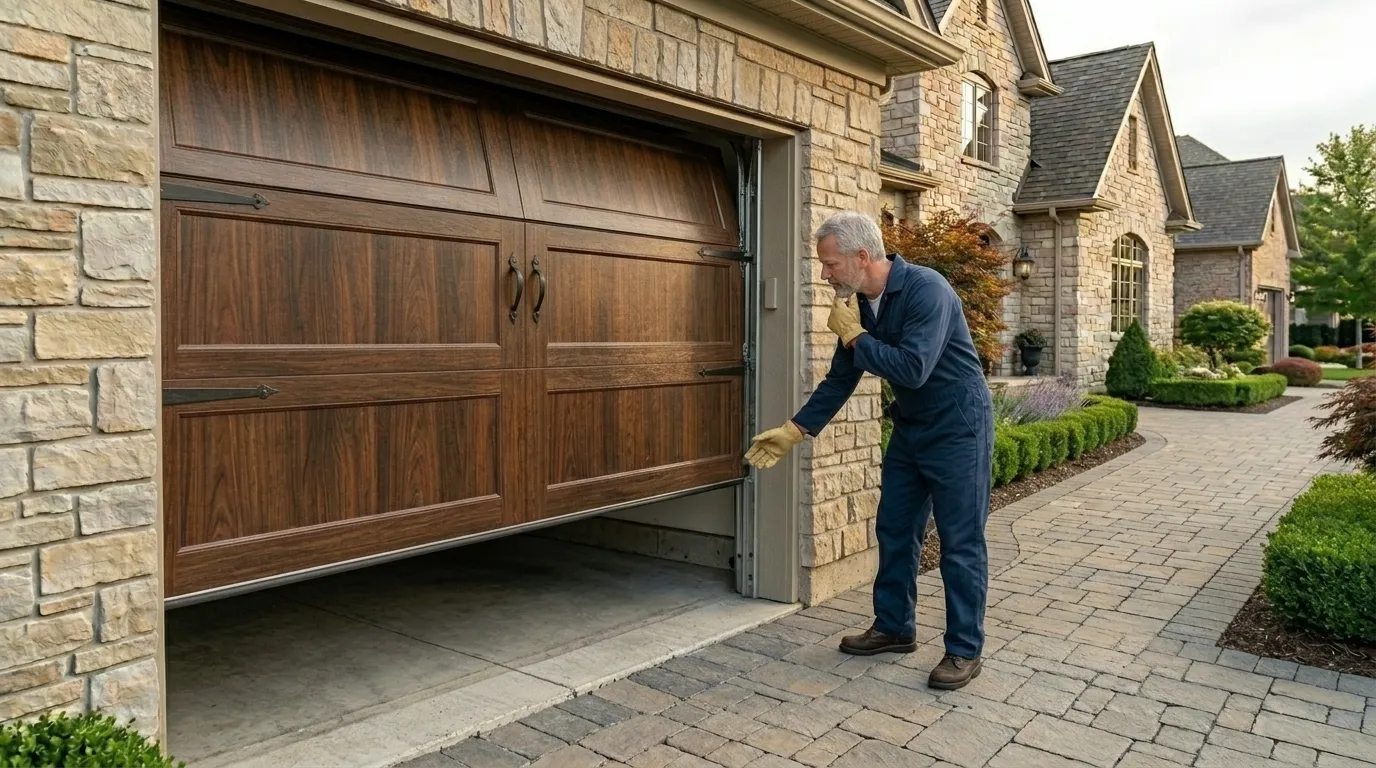
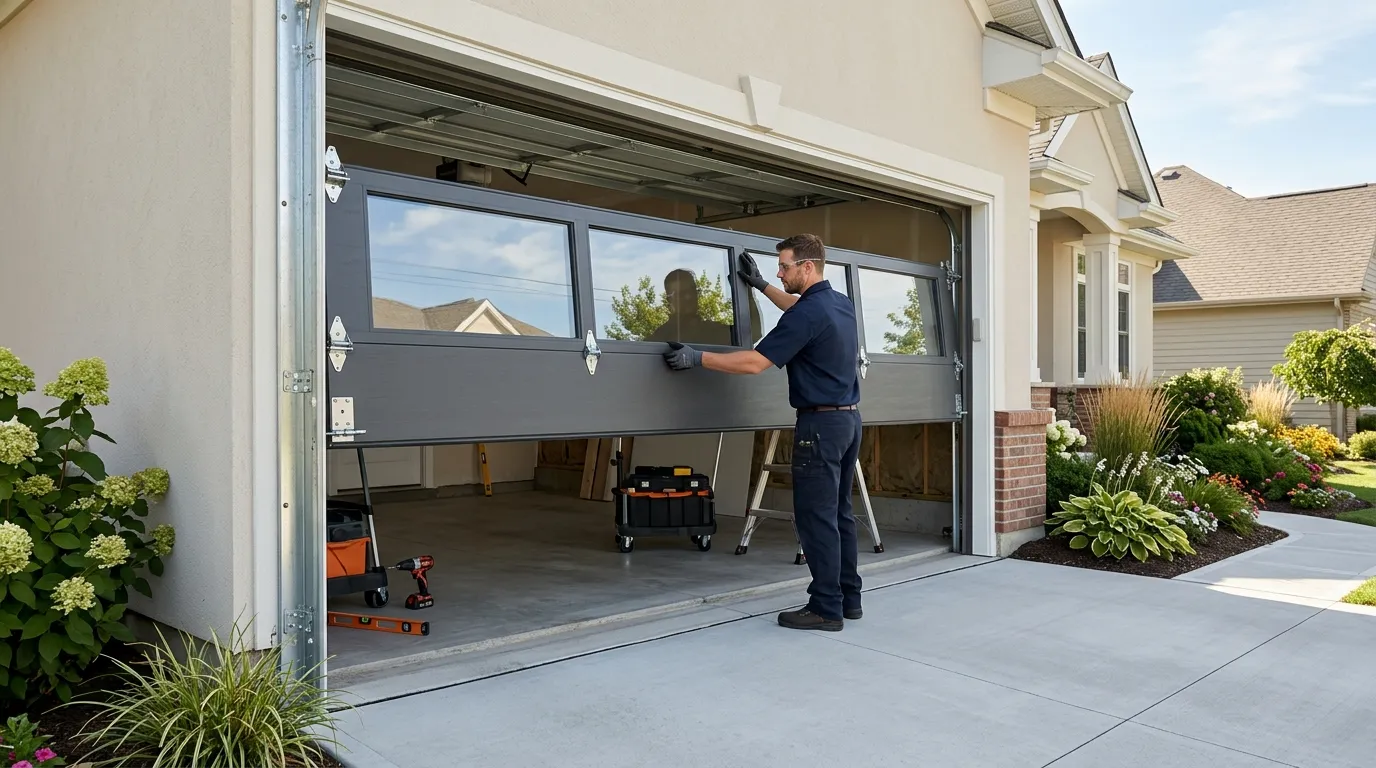
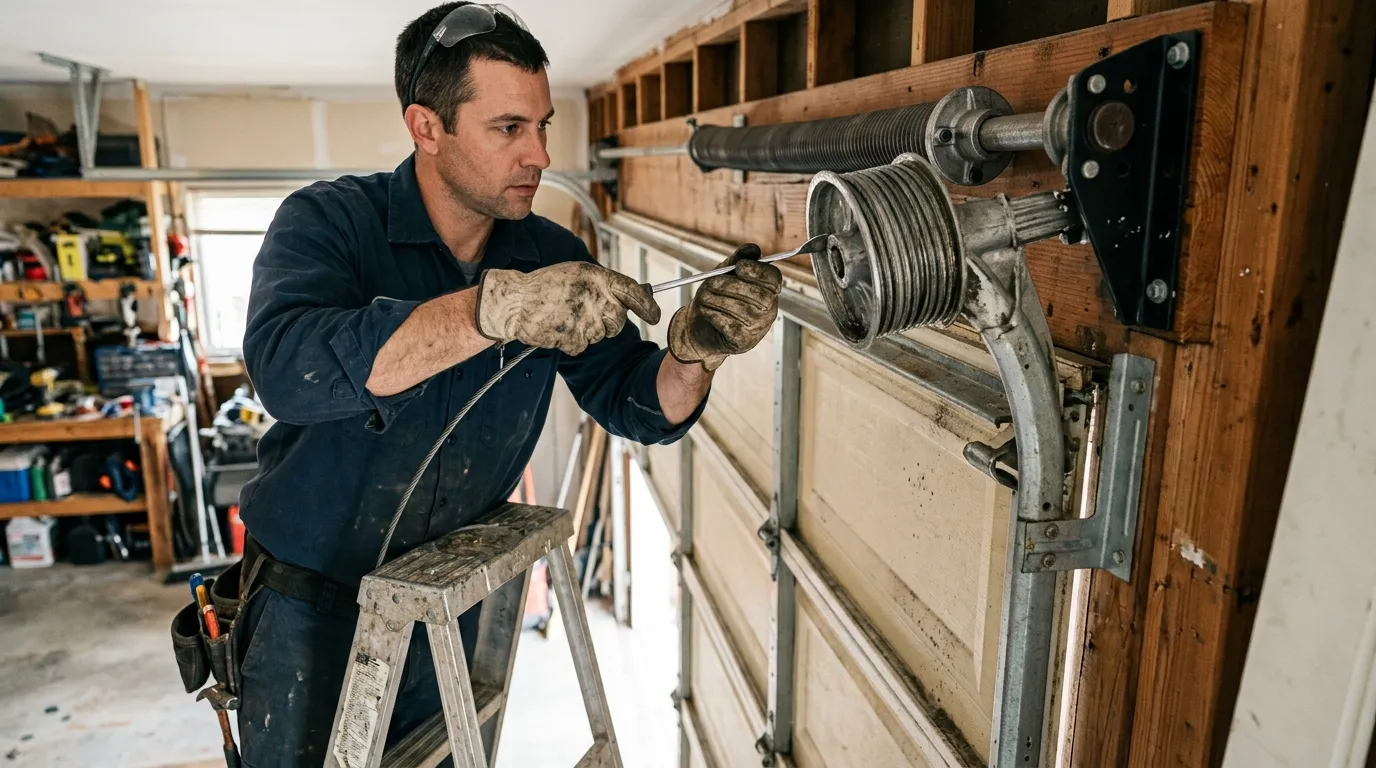
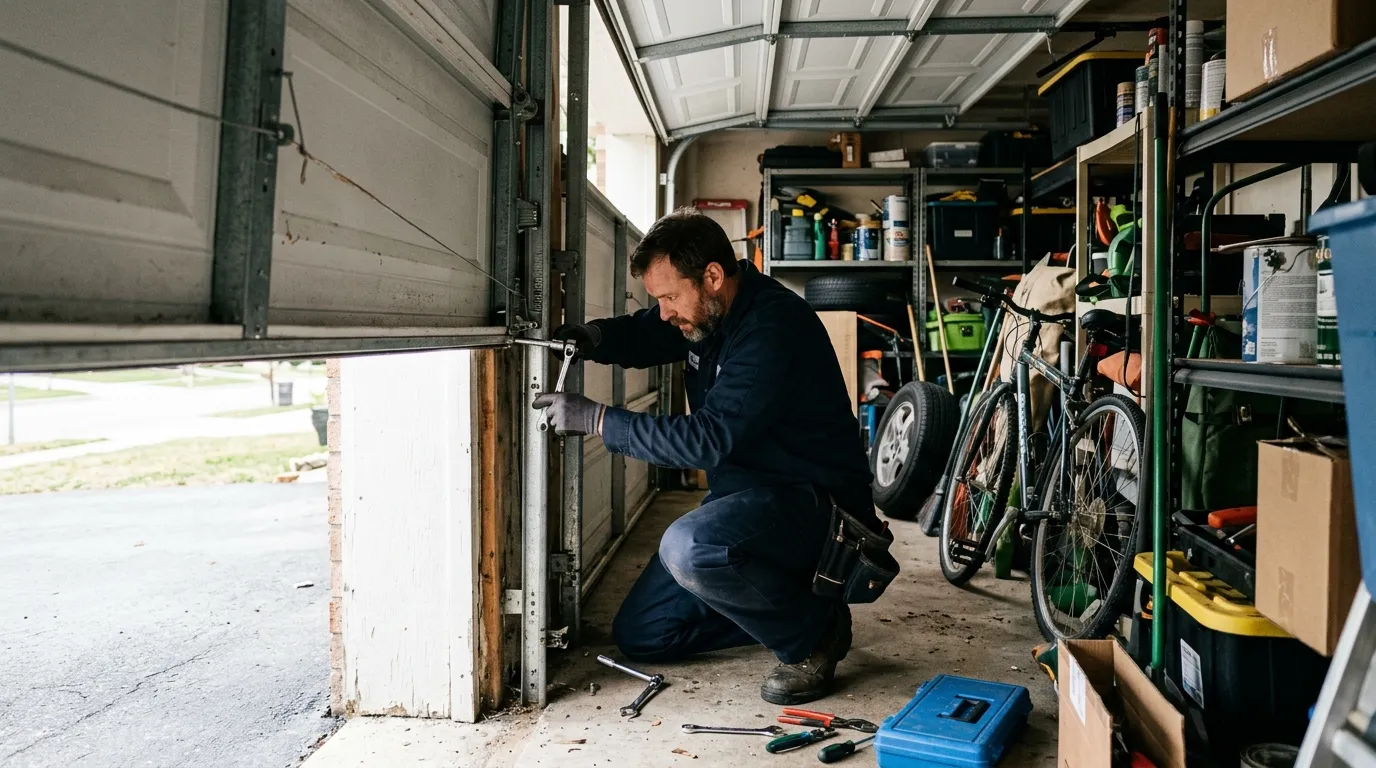
A door installed around 1973 almost never has the hardware it started with, but it often has the *generation* of hardware - meaning if the springs were replaced once in the 90s, they're likely due again, and the drums and bearings that were never touched are working past their expected life. In this climate band (cold, moderate swings rather than extreme), steel torsion springs lose tension gradually through repeated cold-to-warm cycling, and older doors here tend to sag on one side before anyone notices the spring is the cause. Wood-framed doors from this era, if original, also swell and stick differently than the steel and composite doors sold since. We see more broken cables and worn end bearings on these older setups than we do on anything built after 2000, simply because the parts have had more winters to work against.