What an Uninsulated Door Means for a Springfield House
Springfield homes built 1957-2002, mostly 1960s-70s, often have original uninsulated garage doors. Here's how to check yours and what the cold does to it.
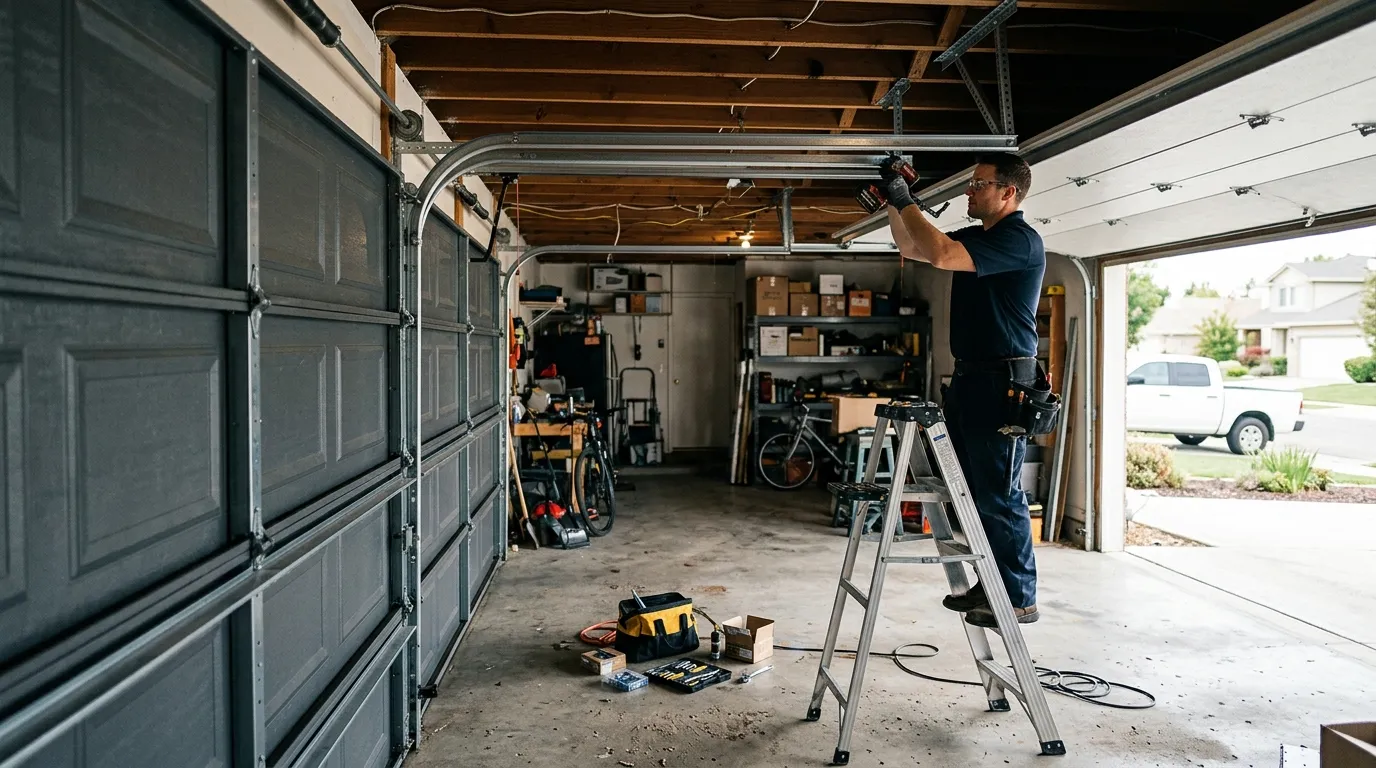
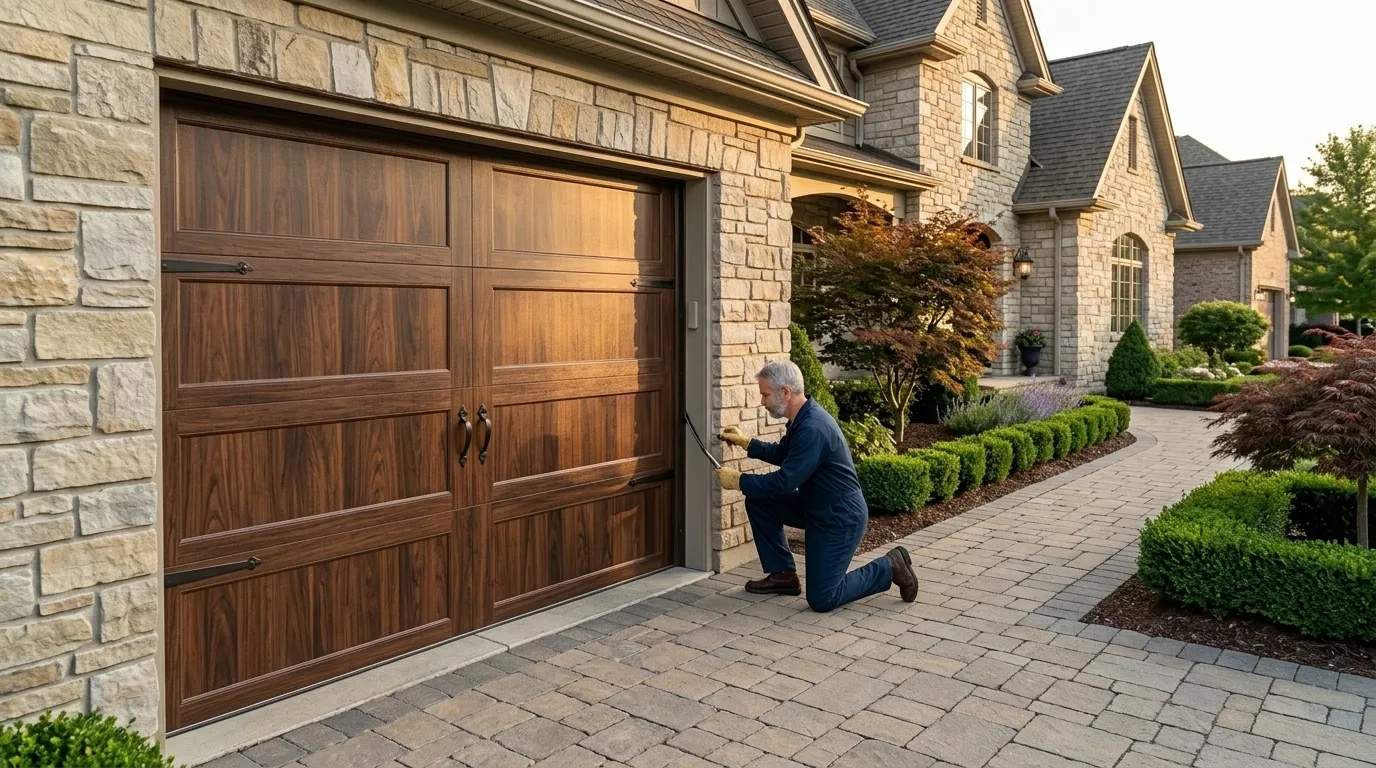
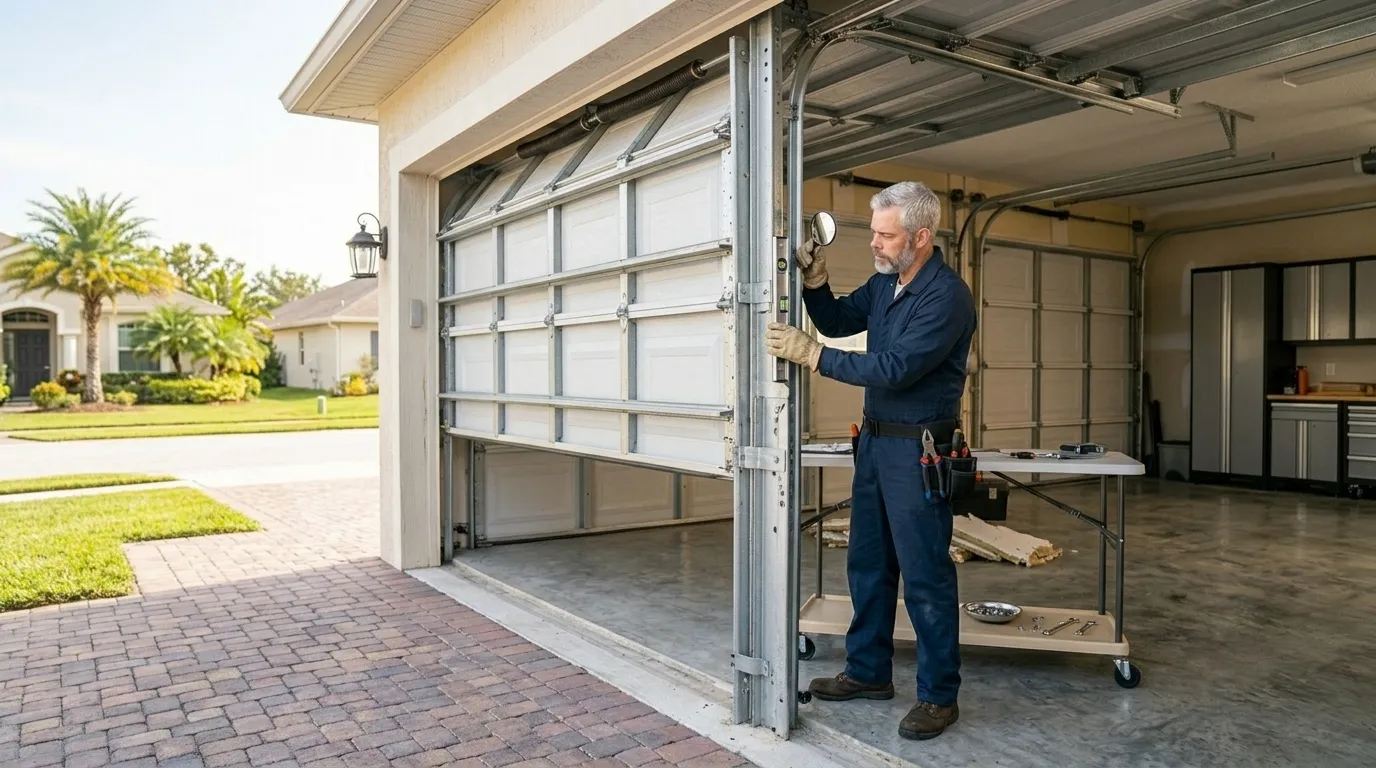
Most garages in this service area still have their original door, and that's worth checking before you assume anything's wrong. Knock on a panel. If it sounds hollow and tinny with nothing behind the steel skin, it's uninsulated - normal for a door installed when your house was built. Look at the bottom seal. Original astragal on a door from the 1960s or 70s is often a thin rubber strip that's cracked or flattened, and that's where most of the draft actually gets in, not the panel itself. Check the top and sides for daylight gaps when the door's closed - shrinkage in old jamb wood or a settled slab shows up there first. Run your hand along the track bolts too; on houses from this era the hardware is original steel, and rust at the mounting points tells you more than the door's age does. None of this requires a call. It's a fifteen-minute walk around the garage with a flashlight, and it'll tell you whether you're dealing with a cosmetic issue or a door that's actually failing.
The Situation
Housing across the service area - the 14 named parts of it, from Old Aristocracy Hill and Downtown out to Springfield Lake Shore Improvement and New City - was built mostly between 1957 and 2002, with the median year landing at 1973. That's a long stretch, but the bulk of it clusters in the 1960s and 70s construction boom. Of the roughly 17,190 households in the area, 11,632 are owner-occupied houses, and a large share of those still carry doors that are original or close to it. Insulated garage doors weren't standard practice when these houses went up. Builders installed single-layer steel or wood panel doors because that's what was specified, not because anyone was thinking about the attached garage as thermal space. So if your house dates to that build window, don't be surprised to find a door with zero foam core behind the skin - it's not a defect, it's just what shipped in 1971.
When Waiting Is Fine
Not every uninsulated door needs to become an insulated one. If your garage isn't heated, isn't attached to a room you actually use, and the door itself still opens, closes, and seals reasonably well, there's no repair to make here - you'd just be paying to swap a working door for a different working door. Insulation matters most when the garage sits under or beside living space, or when you're running the garage as a shop or workout room and feel the cold coming through the panel. If neither applies, the honest answer is to leave it alone and put your money toward the parts that actually wear out - rollers, cables, the opener. We won't talk anyone into replacing a sound door just to add foam it doesn't need.
What the Weather Here Does to It
Springfield sits in a cold, moderate climate band, which is exactly the condition an uninsulated 1970s-era door was never built to handle well. Steel skin with no thermal break moves with the outside temperature almost instantly - cold snaps make the panel itself cold to the touch on the inside, and that's when you get condensation dripping off it onto the floor. Repeated freeze and thaw cycles also work on old hardware faster than the door itself: hinges and rollers on original tracks stiffen up in the cold, and a door that swings free in July can bind and groan in January. None of this is dramatic, but it's steady wear that a newer insulated door with sealed bearings doesn't show the same way. If your door is original to a house from this era, the cold isn't damaging it outright - it's just exposing every weak point that was already there.
How it works
From “it’s stuck” to “it’s fixed”
01
Tell us what’s wrong
Describe the symptom - won’t open, loud bang, opener runs but the door won’t move.
02
On-site diagnosis
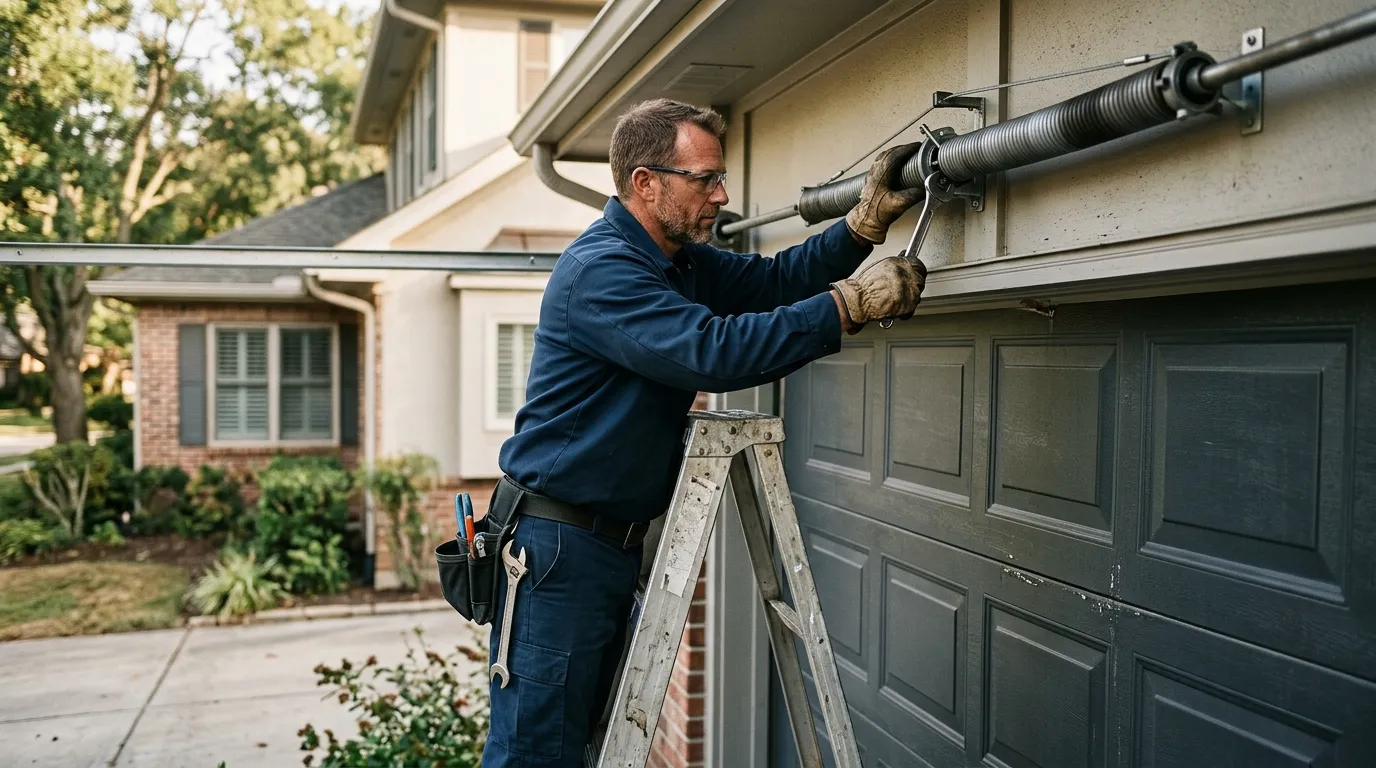
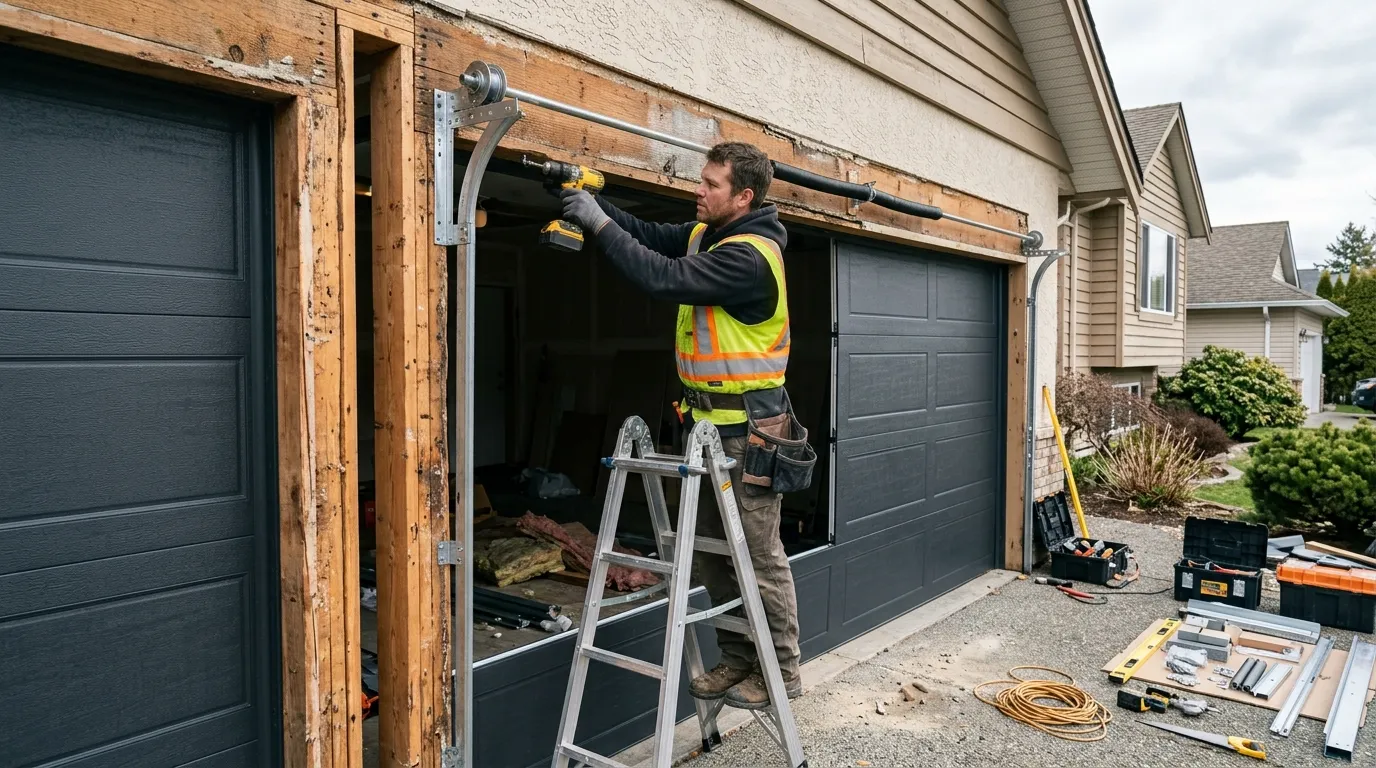
A technician tests the door under power and by hand and finds what actually failed.
03
Clear, up-front plan
You get the fix that’s needed and what drives the cost - before any work starts.
04
Repaired & tested
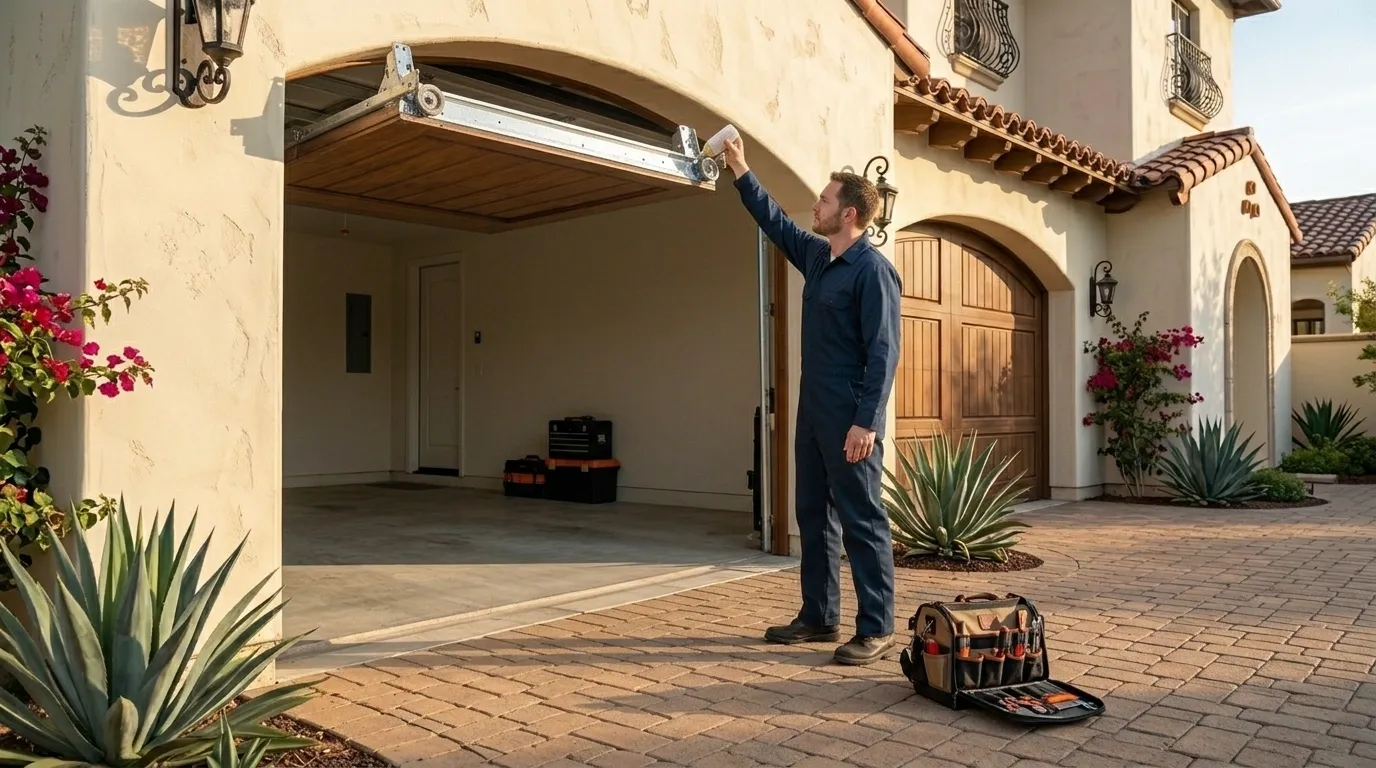
The repair is done, the door is set true and tested, and the work area left clean.
Serving Springfield, IL - tell us what your door’s doing and we’ll take it from there.
How do I know if my garage door has insulation without taking it apart?
Knock on it. A hollow, tinny sound means no foam core - common on original doors from houses built here in the 1960s and 70s. An insulated door sounds duller and feels heavier when you lift it by hand. You can also check the back side for a foil-faced panel, which is how most insulated retrofits and replacements are finished.
Is it worth insulating an old door instead of replacing it?
Sometimes, but not always. Insulation kits work on doors with sound panels and no rust-through. If the steel's original to a house from the 1960s or 70s and already dented or corroding at the bottom, you're better off putting that money toward a new door rather than insulating one that's near the end of its life anyway.
Does the cold actually shorten a garage door's life here?
It speeds up wear on hardware more than it damages the door itself. Cold makes grease stiffen, hinges bind, and springs work harder to lift the same weight. On an original door from the local building boom, that's often the thing that fails first - not the panel, the moving parts.
Ready to get your garage door sorted?
Tell us what it’s doing and where you are in Springfield - we’ll take it from there.