Where It Sits
Downtown sits about a mile north of Springfield's center, which makes it one of the closest-in areas we work. Old Aristocracy Hill borders it at essentially zero distance to the northwest, and the two areas share a lot of the same era of construction and the same tight, older layout that comes with it.
Being this close to the center means shorter drive times for us, but it doesn't change what's behind the door. Age of the housing stock matters more than proximity when it comes to what breaks: a door built in 1968 fails the same way whether it's a mile from downtown or fifteen. What proximity does mean is we can usually get a truck to a Downtown call without the drive eating half the appointment window.
The Short Version
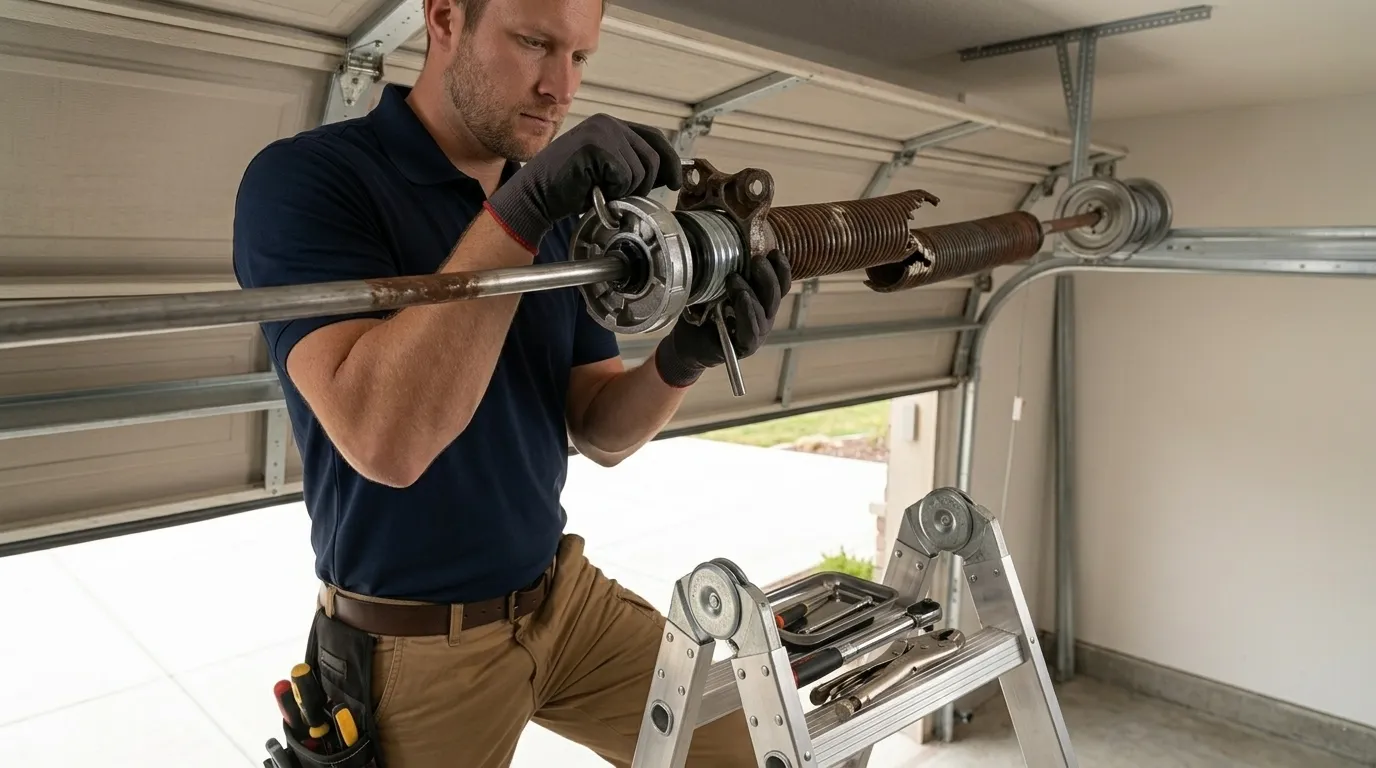
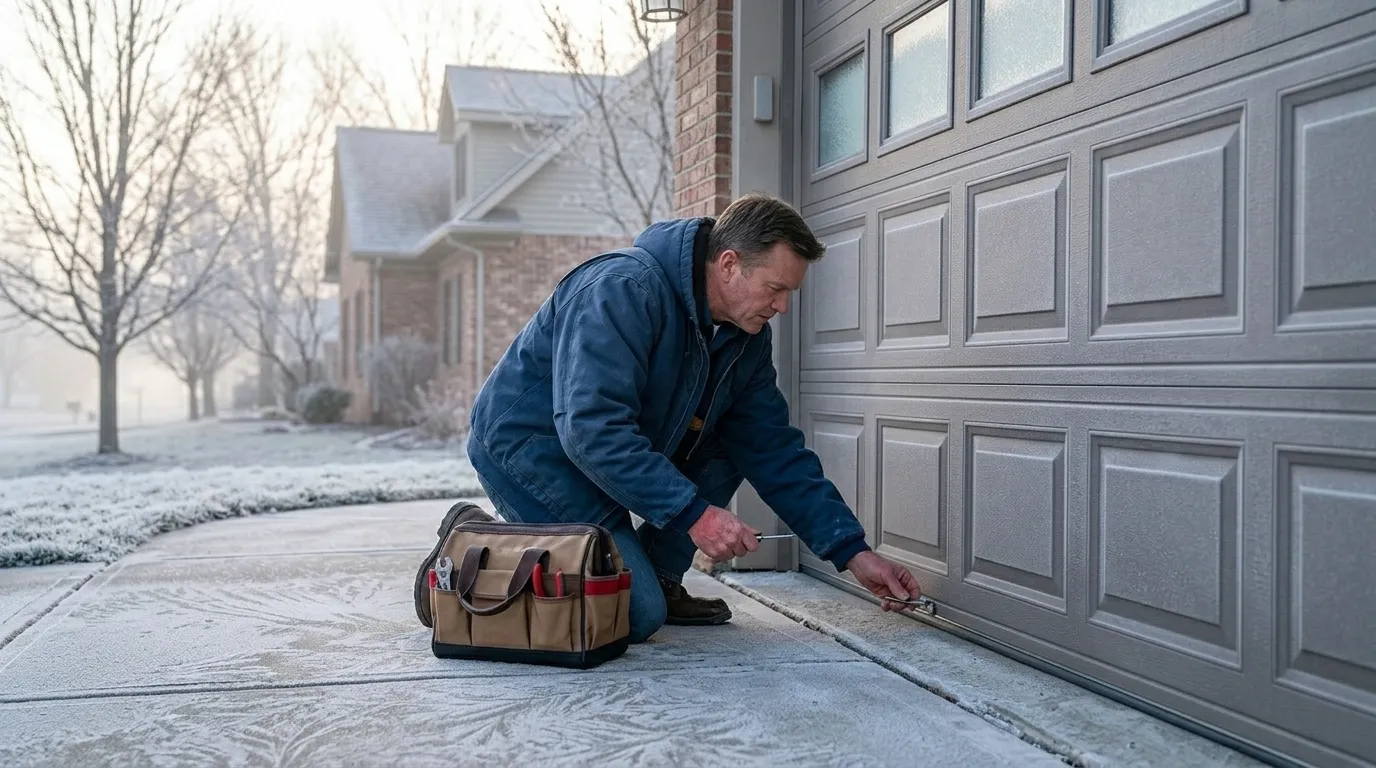
This is an older, close-in part of the service area, built mostly in the 1960s and '70s window like the rest of the region, sitting inside a service area of 17,190 households where 11,632 people own the house they live in and the median household income runs $79,008. Winters here are cold enough that steel doors and torsion springs go through real temperature swings every year, which shortens the working life of hardware that's already decades old in a lot of these houses.
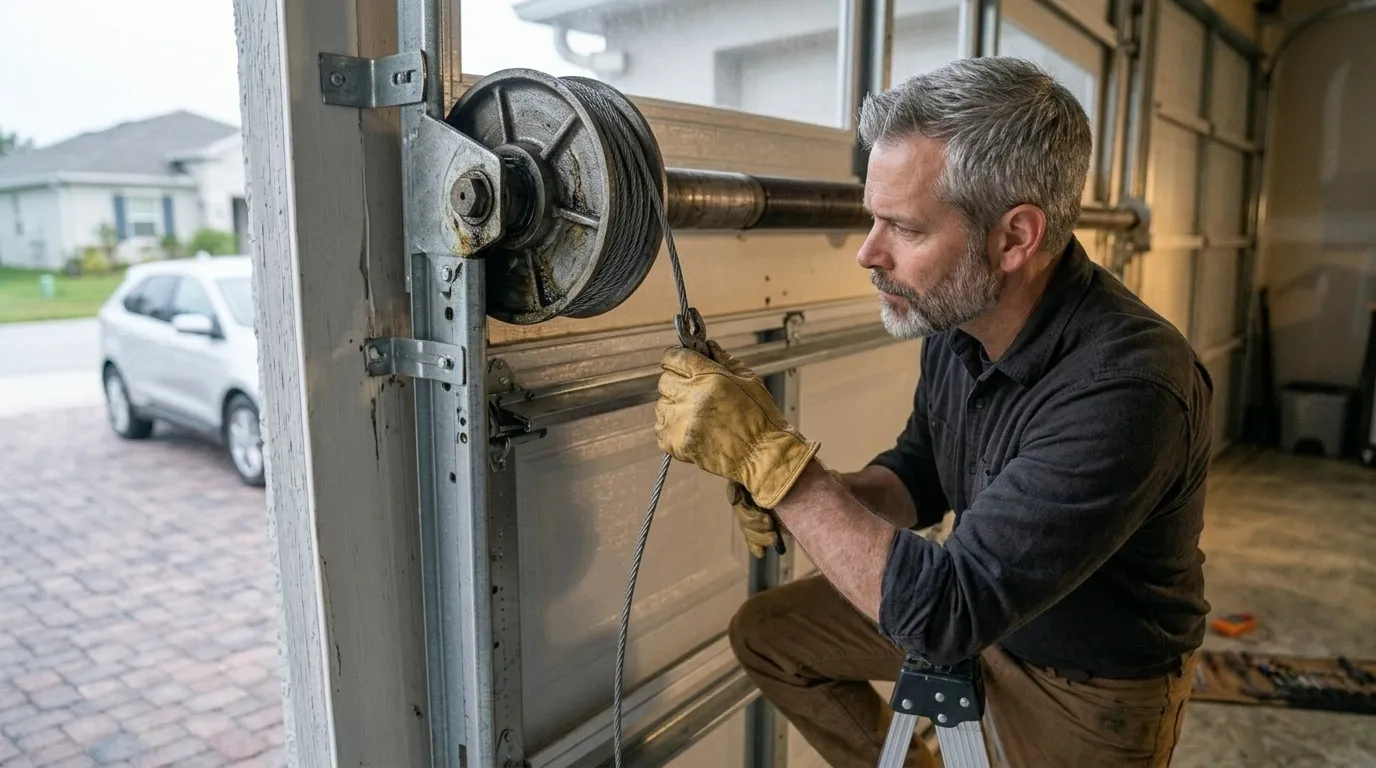
One limitation worth saying plainly: we don't have a breakdown of exactly how many Downtown houses still run original doors versus replacements, only the area-wide housing age data. So when we look at a Downtown door, we're going in with good odds on what we'll find based on the era, not a guarantee. If a spring or opener is original to a house from that stretch, plan on repair now and a real conversation about replacement sooner rather than later, because parts for some of that older hardware are getting harder to match.