This Area's Housing
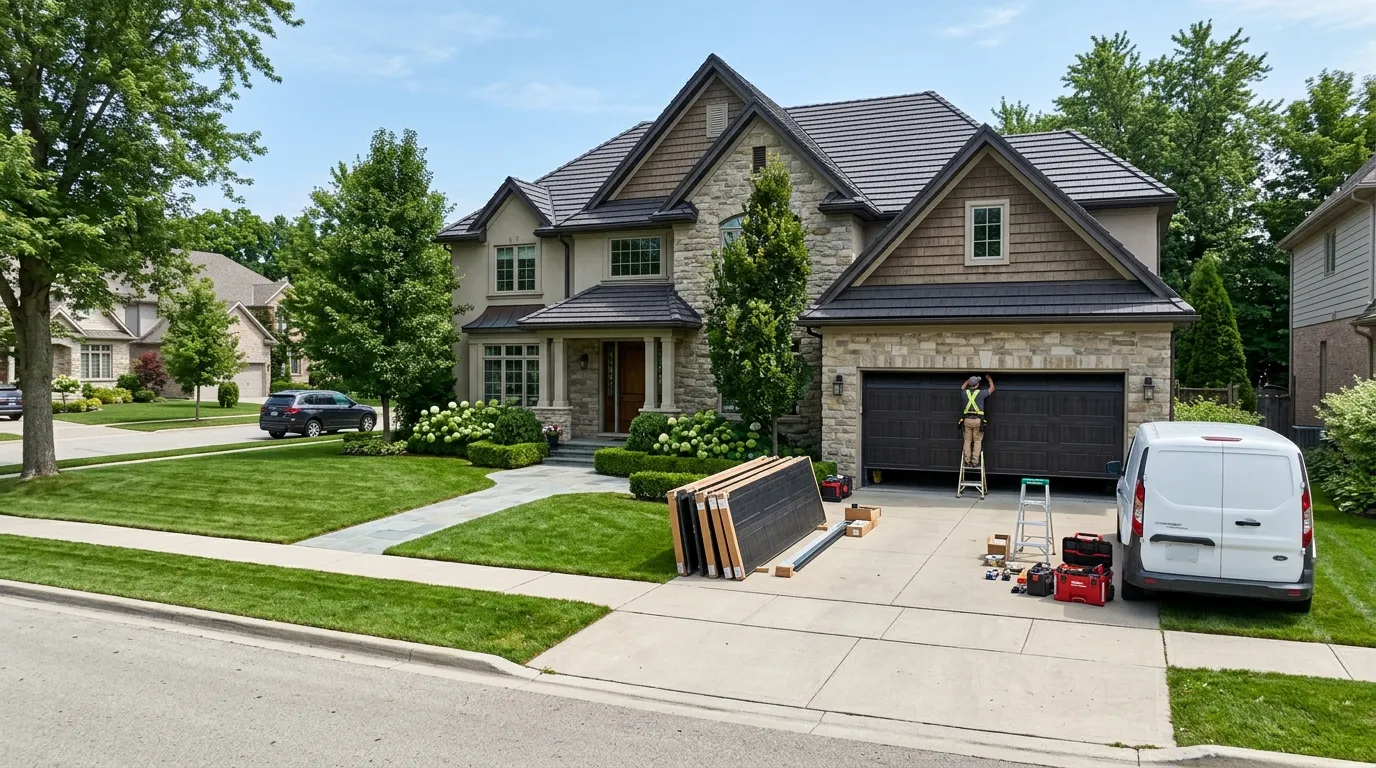
The wider service area we cover runs from houses built in 1957 up through 2002, with a median around 1973. Elkhart sits at the early edge of that range - its own median build year is 1957, which puts a good share of the housing here fifteen-plus years ahead of the area's typical stock. That matters for garage doors specifically, because 1957 construction usually means a garage built for a single flat panel door on exposed hardware, not the insulated sectional doors with enclosed torsion tubes that became standard by the 1970s and 80s. Median household income here runs $98,750, well above the $79,008 median across the broader area, and we do see that reflected in upgrades - a fair number of these older garages have been retrofitted with newer doors and openers even where the framing and header are original 1950s work. That mismatch between old framing and newer equipment is its own category of problem, separate from houses that never got upgraded at all.
How That Shows Up in the Door
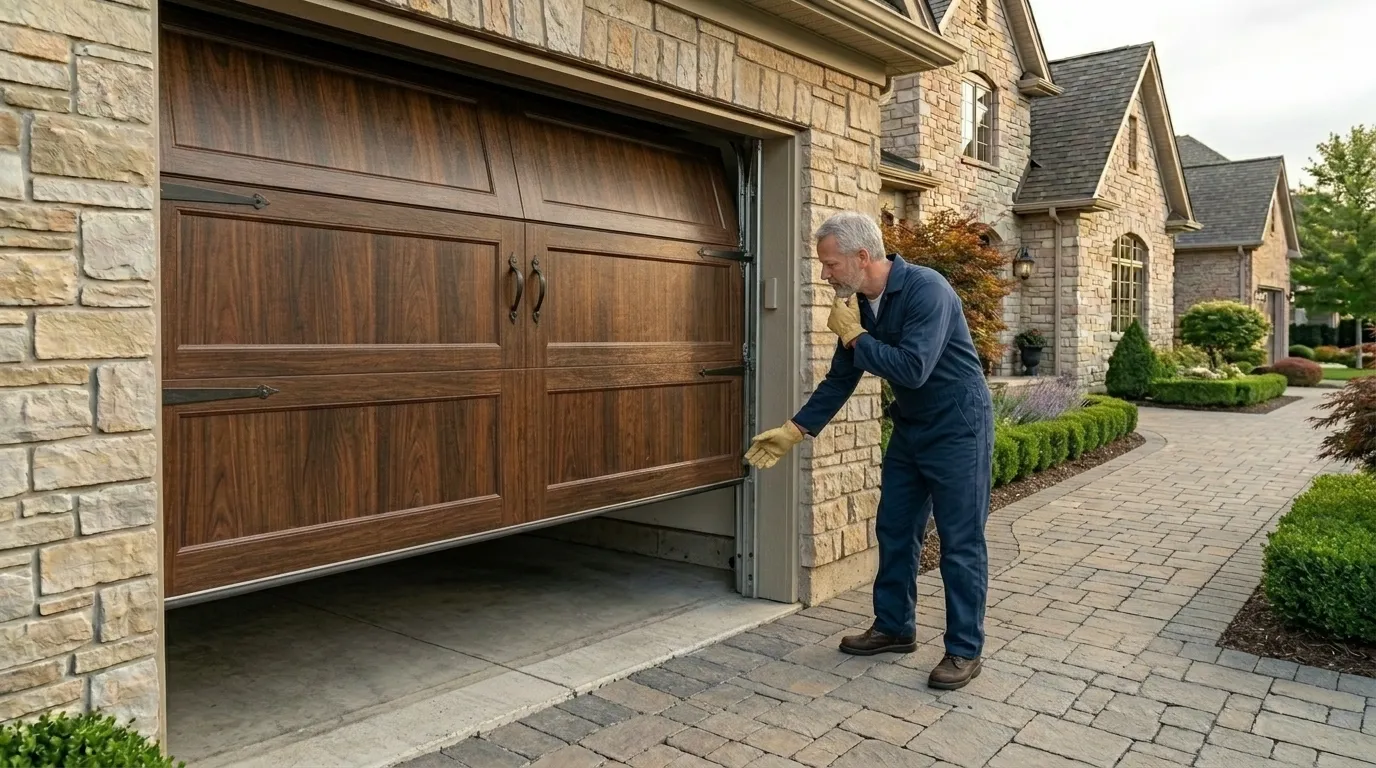
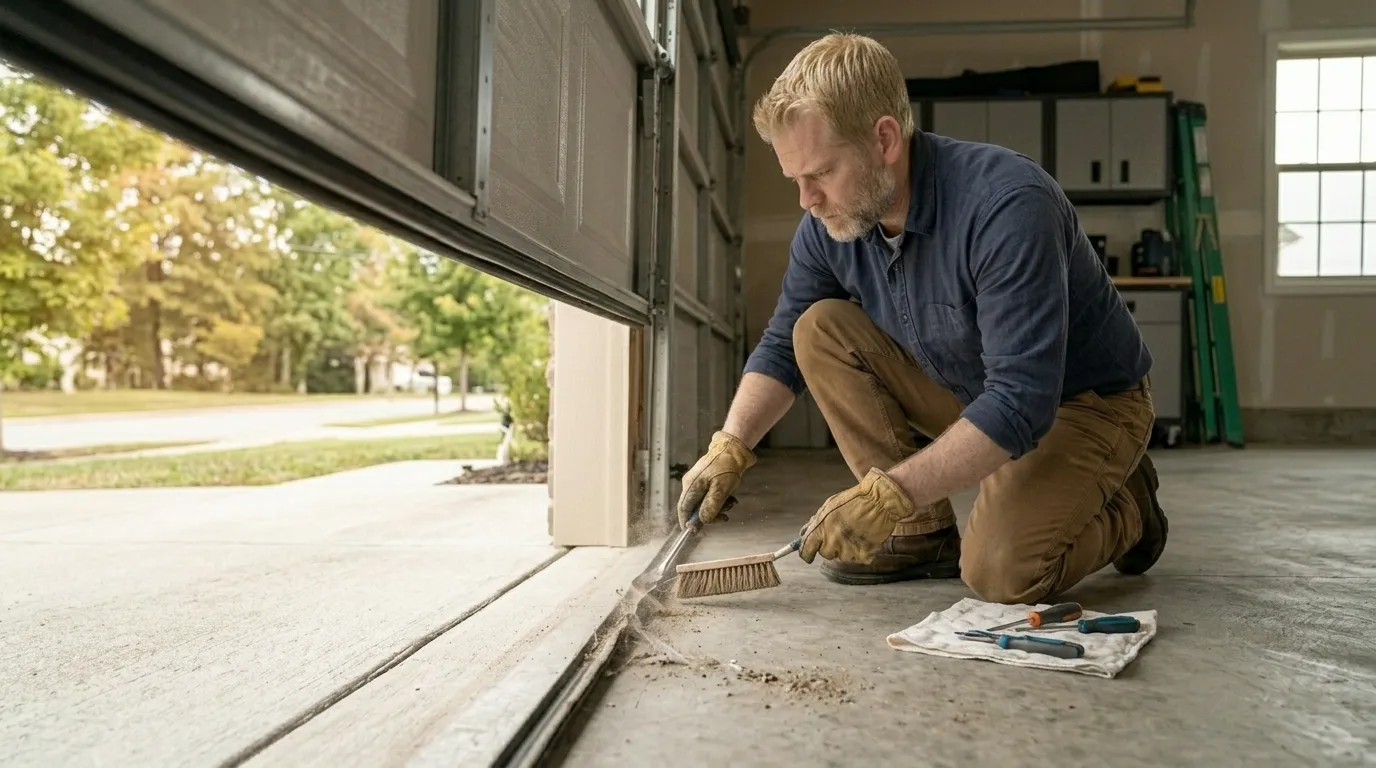
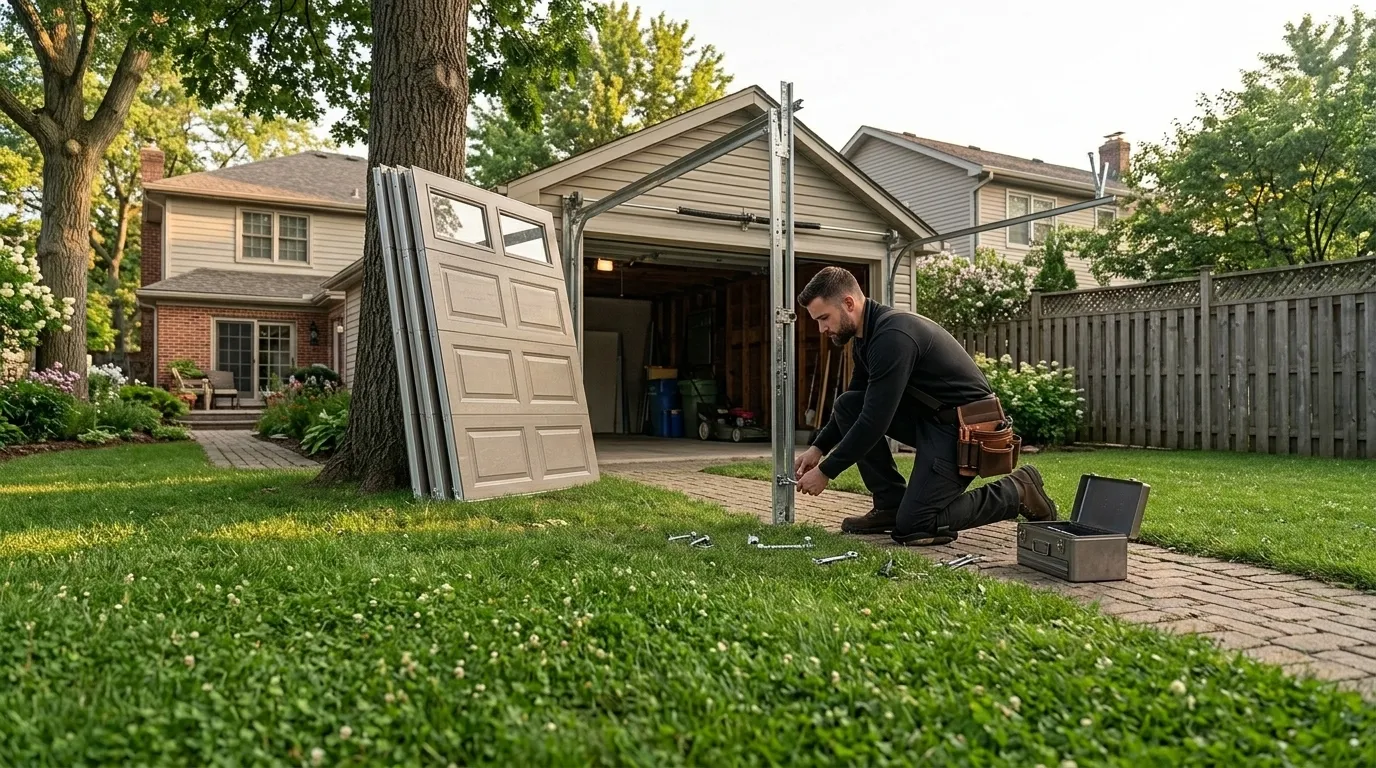
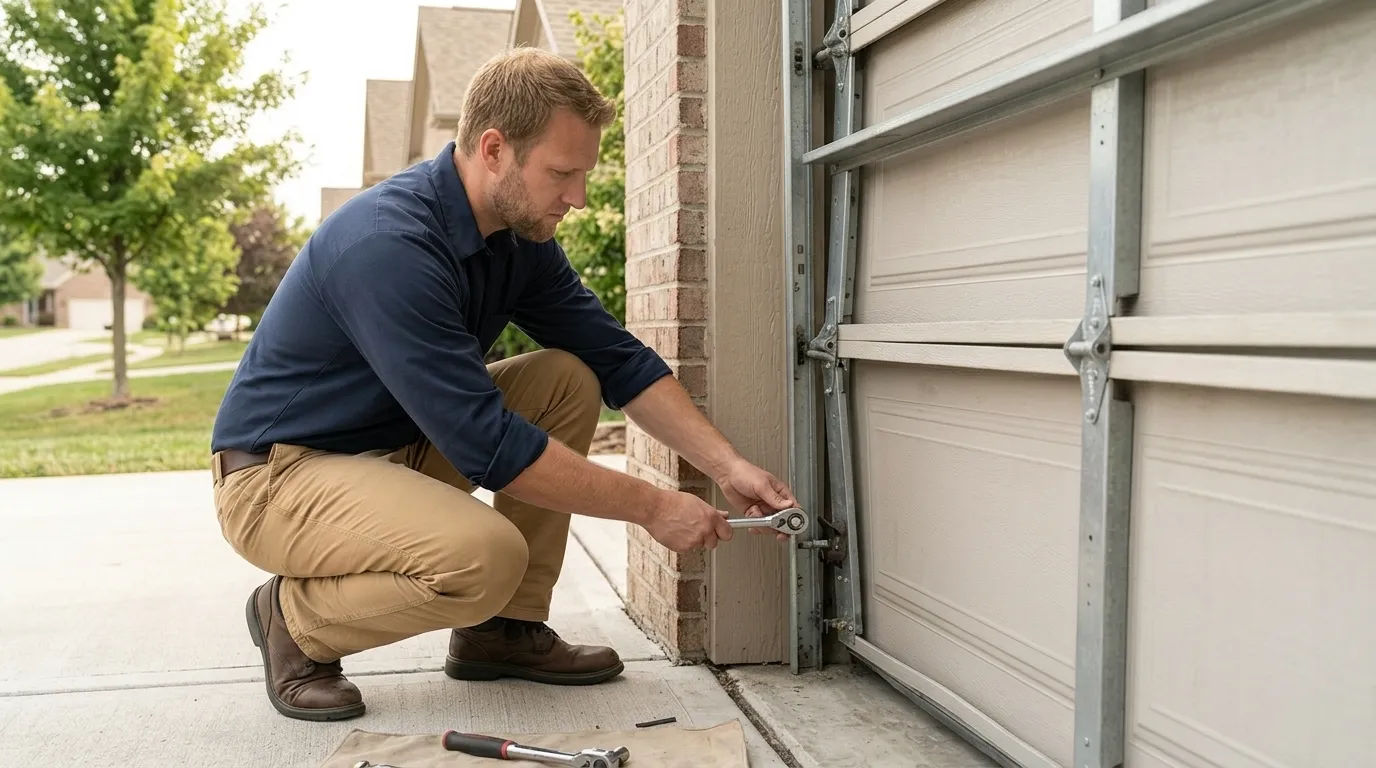
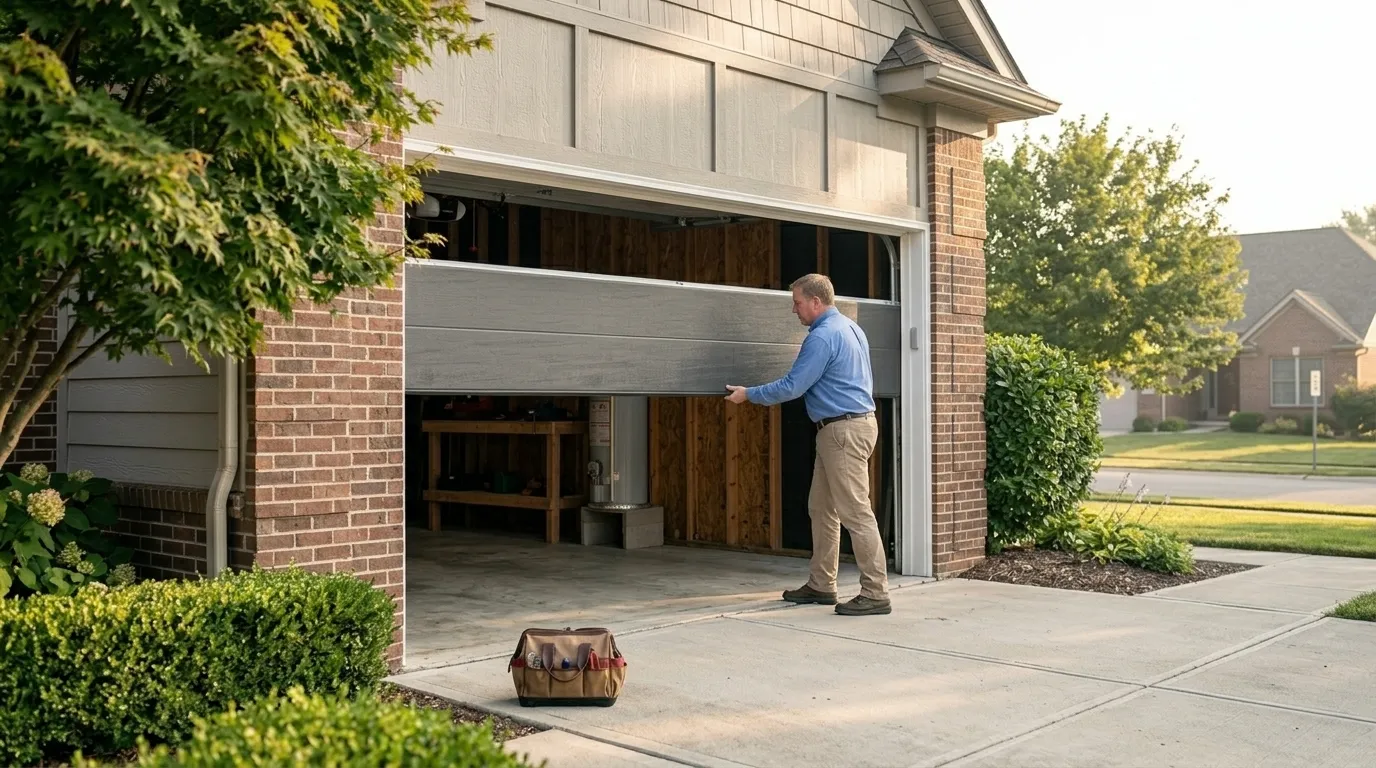
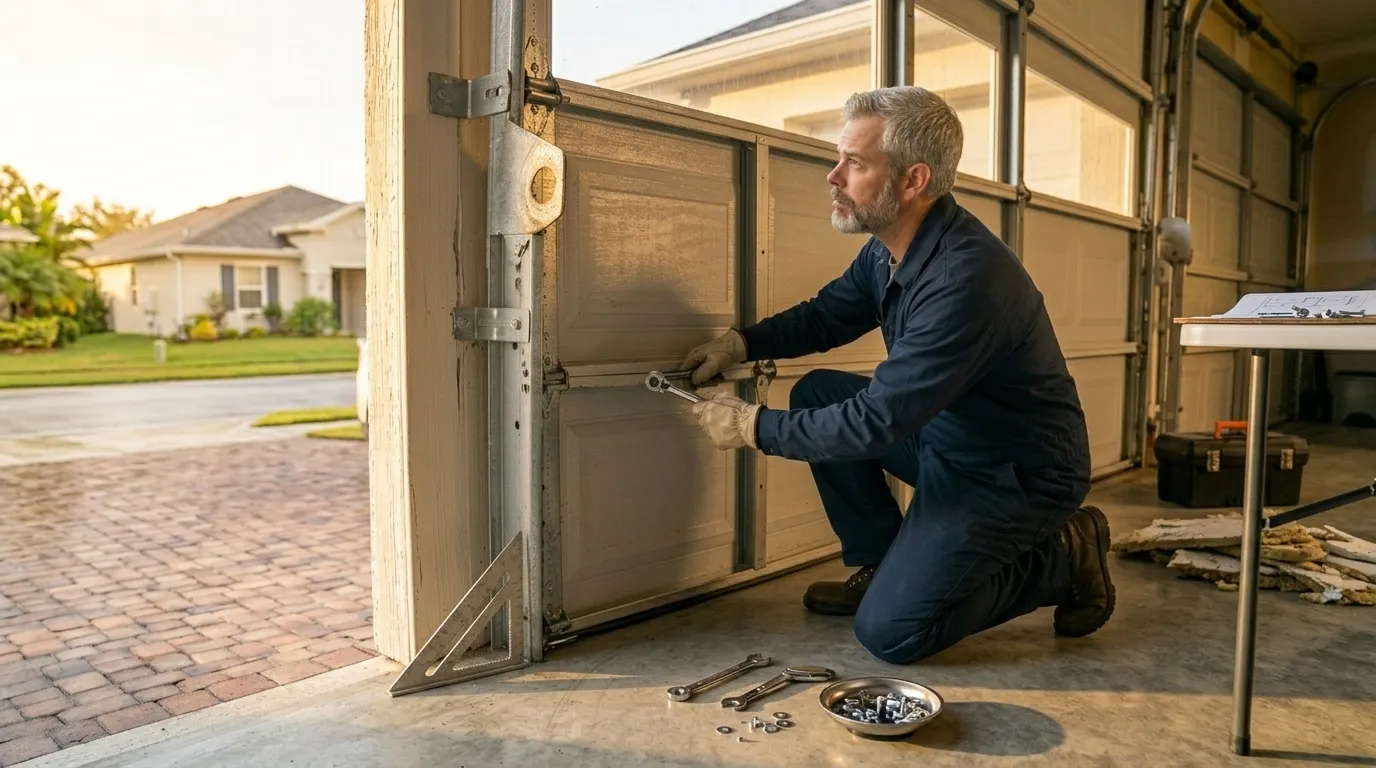
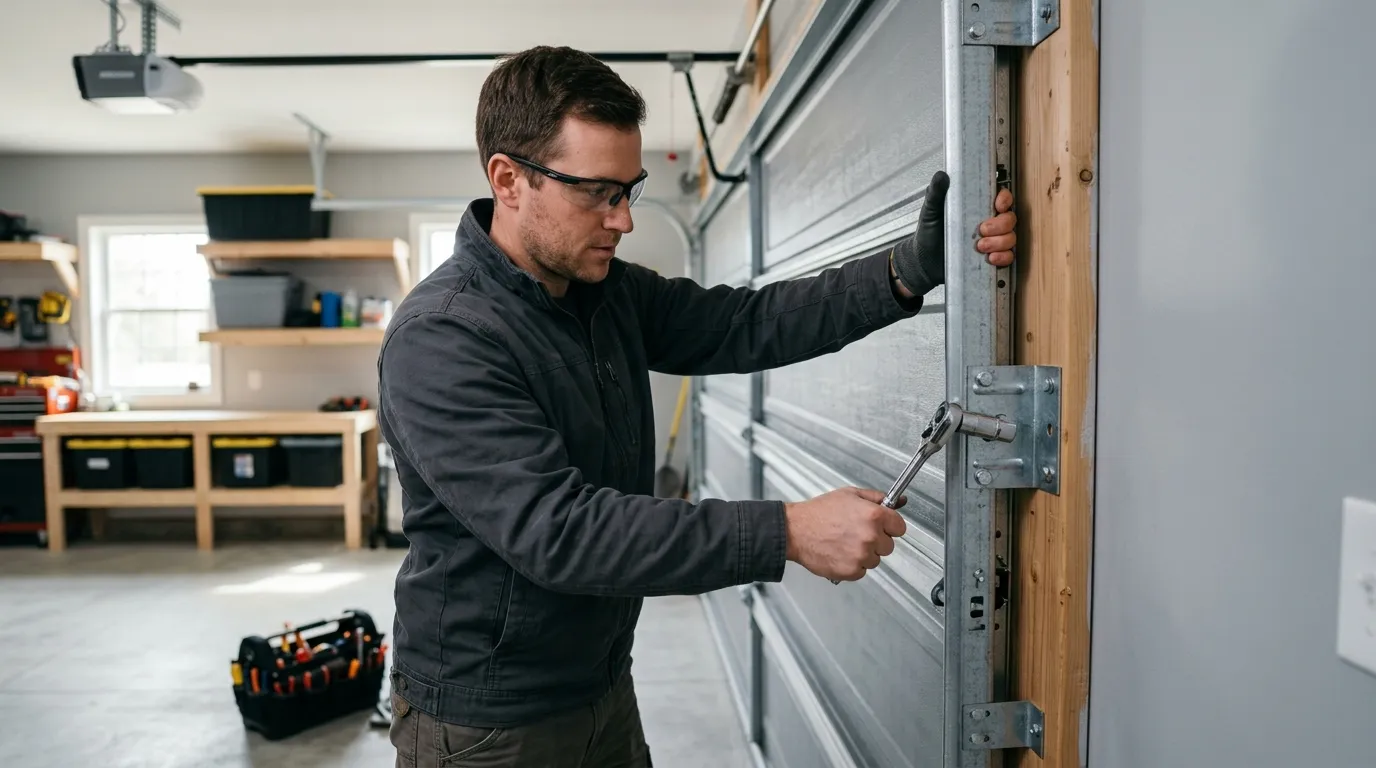
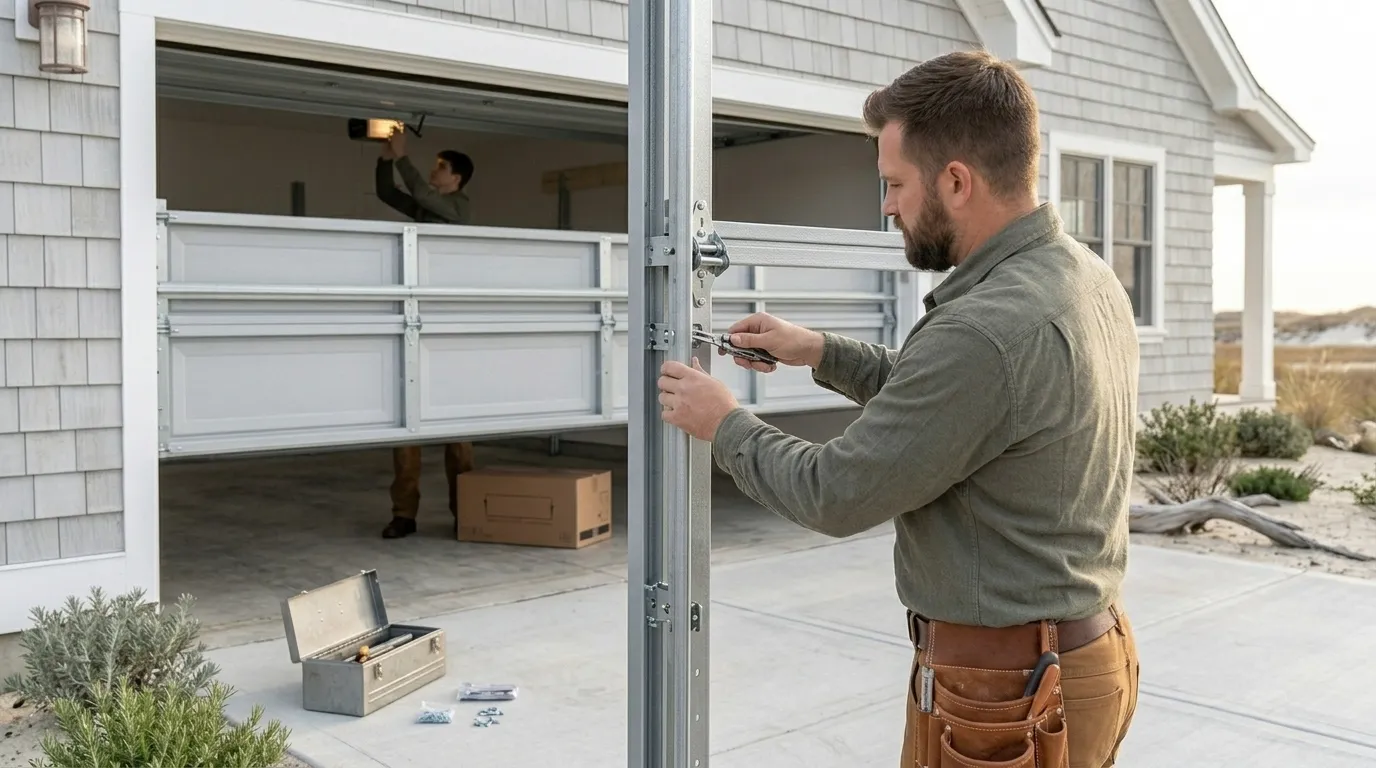
On the unretrofitted houses, we find headers and track mounts sized for lighter, single-layer doors - not the heavier insulated steel sections homeowners often want to install today. Put a modern door on 1957 framing without checking the header first, and you get sag, binding, or a track that pulls loose within a couple of years. On the retrofitted houses, the opposite problem shows up: a newer opener bolted to old, undersized framing, working harder than it should and burning out gears early. Because the area sits in a cold moderate climate band, temperature swings matter too - steel contracts in winter, and old fasteners that were already loose from 65-plus years of vibration let go faster in the cold. We check header strength, fastener condition, and whether the spring size actually matches the door weight before we recommend anything, rather than just swapping parts and hoping.