Springfield, IL homes built 1957-2002 mostly use torsion springs. Here's what a spring failure in cold weather means for your door and when it can wait.
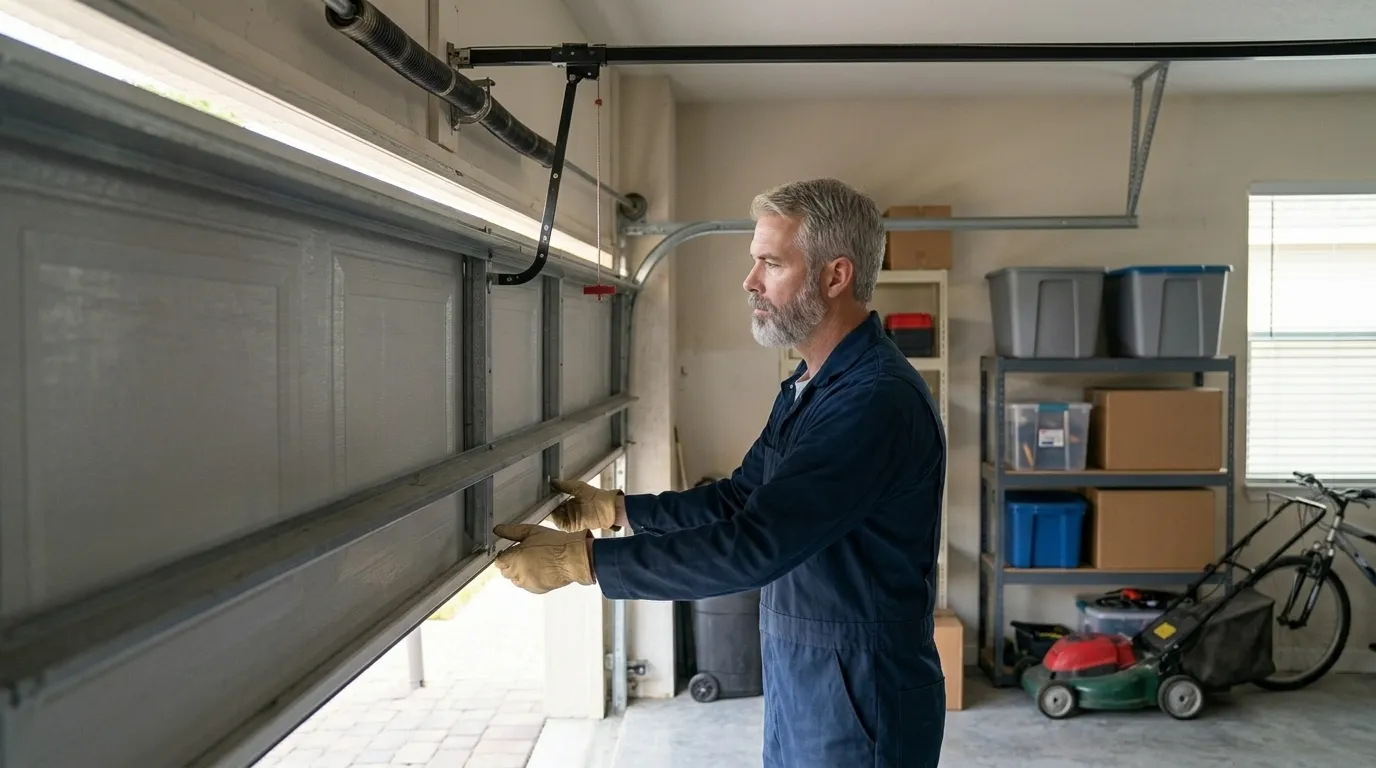
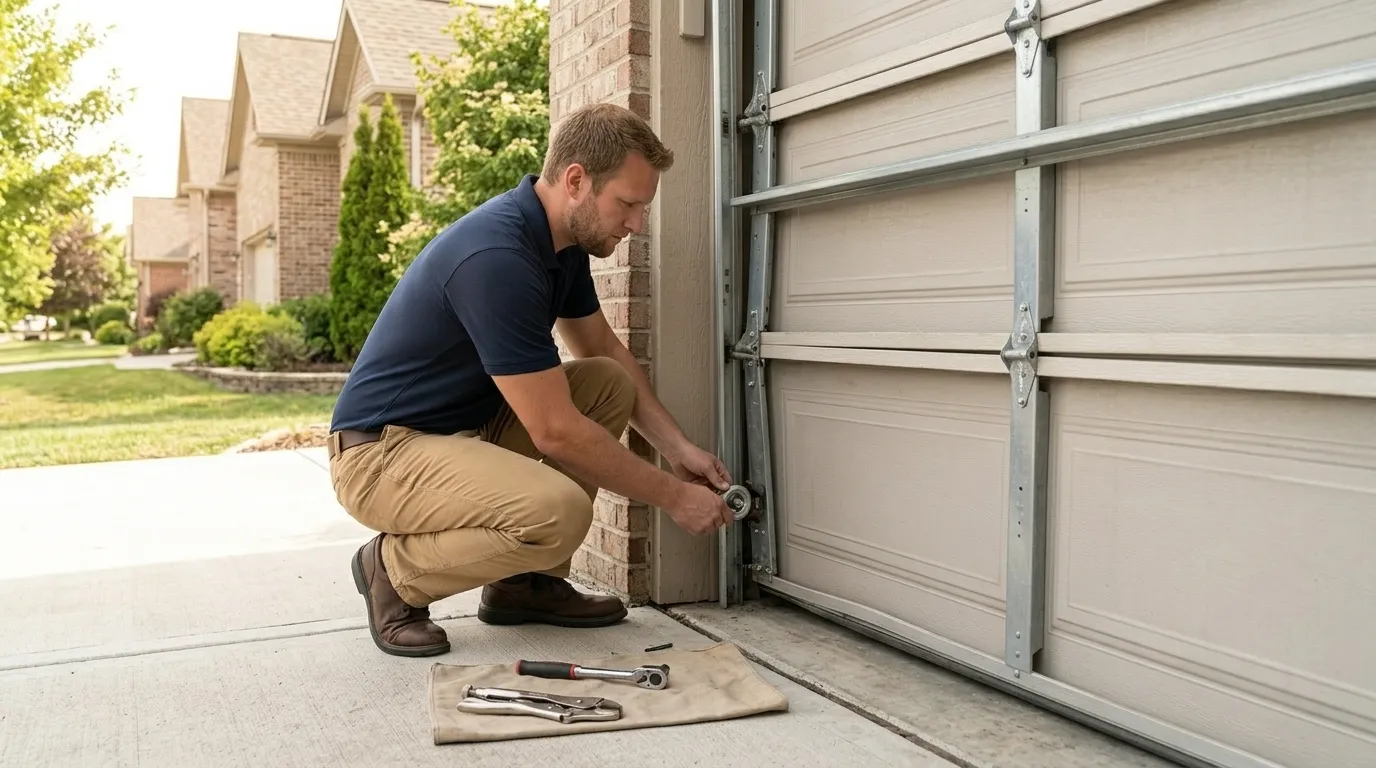
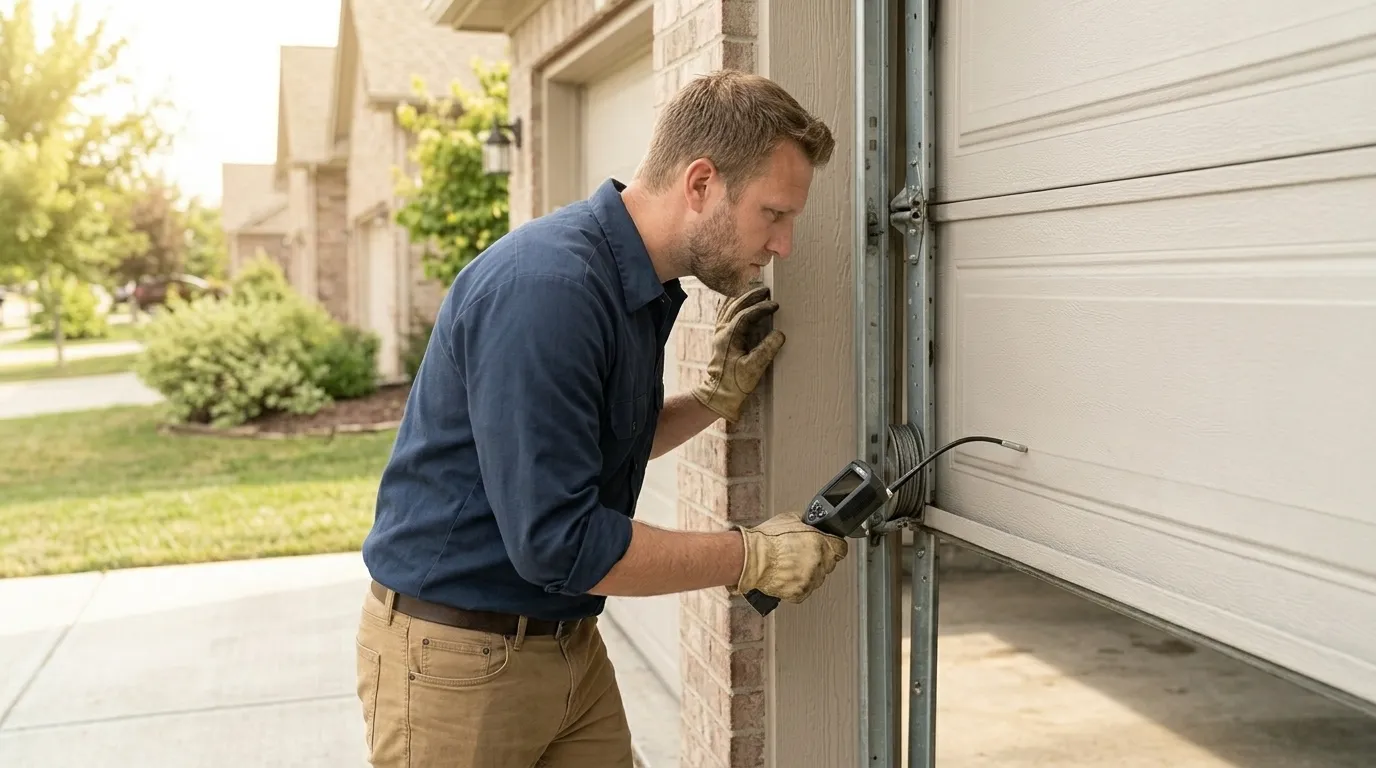
Most houses in this service area went up between 1957 and 2002, with the median build year sitting around 1973. That matters here because a door that age is either running its original torsion spring or a first replacement someone put in years back - either way, it's had a long run. Look at the spring itself, mounted above the door on the shaft over the tracks. A broken one usually shows a clean gap in the coil, sometimes with the two ends sitting an inch or two apart. You may also notice the door looks like it's hanging crooked, or it felt heavy the last time it went up and now won't move at all. Don't try to force it by hand or with the opener - that's how a cable snaps or a track bends. If you've got a single door, check both springs; a lot of the older stock in the neighborhoods around Old Aristocracy Hill and Downtown was built with double-torsion setups that are original to the house, and one going doesn't mean the other is far behind. If you see rust streaking down from the spring or hear a bang from the garage, that's your answer - call it done and get someone out.
The Situation
A torsion spring under load is storing a lot of energy, and steel gets more brittle as it gets colder - not enough to notice in daily life, but enough to matter on a coil that's been cycling for decades. In the moderate-cold climate here, overnight temperatures swing enough that a spring near the end of its life is more likely to give out on a cold morning than a warm afternoon, simply because the metal has less flex left in it right when the door gets its heaviest daily use. When it goes, the door won't lift, or it'll lift a few inches and stop, because the opener isn't built to carry that weight on its own. Running the opener anyway is the fastest way to burn out the motor or strip the drive gear, so if the door won't move smoothly, stop and don't keep hitting the button. This is also when people notice the door feels lopsided, or one side drops faster than the other - that's a single spring failing on a two-spring setup, and the second one is now carrying a load it wasn't sized for alone.
When Waiting Is Fine
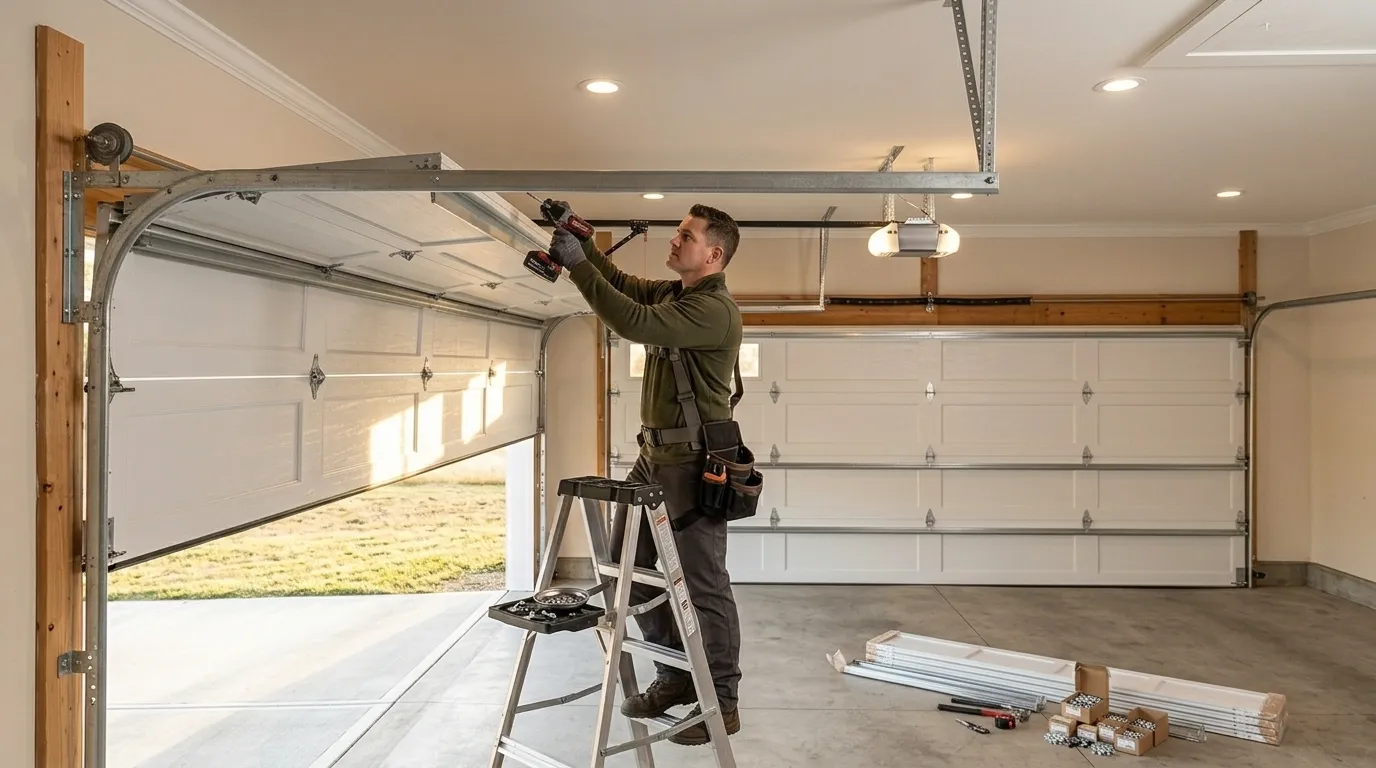
If it's a two-spring door and only one has broken, and the door is closed and staying closed, you can usually wait a day or two without real risk - just don't run the opener and don't try to lift it by hand more than once to confirm what's wrong. That's the honest limit, though: waiting longer than that puts extra strain on the remaining spring and the opener bracket, and in a household with 11,632 owner-occupied houses across this area, a fair number of two-car garages are on a single opener that wasn't built to take that kind of lopsided load for long. If the door is stuck open, that's not a wait-and-see situation - an open garage in this climate band means real heat loss and an easy way in. We don't recommend treating a broken spring as routine maintenance you can put off until it's convenient. It's a parts-and-labor job that takes an hour or so once someone's on site, and pushing it further usually just adds a bent track or a stripped opener to the bill.
What the Weather Here Does to It
This area sits in a moderate-cold climate band, which means real winters but not the extreme swings you'd get further north. Still, that's enough to matter for a door and spring system that's been outside for 20, 30, sometimes 50 years given the 1957-2002 build range across the housing stock here. Cold makes the lubricant on rollers and hinges thicken up, which adds resistance the spring has to overcome on every single cycle - a small thing on a new system, a bigger thing on a spring that's already fatigued. Metal contracts slightly in the cold too, which can tighten tolerances in old track hardware just enough to make a marginal spring work harder than it should. None of this means every door in this climate needs attention every winter. It means that on houses built in the 1960s and 70s, which make up most of the stock across the 14 named areas in this service area, an aging spring is more likely to pick a cold morning to finally let go than a mild one.
How it works
From “it’s stuck” to “it’s fixed”
01
Tell us what’s wrong
Describe the symptom - won’t open, loud bang, opener runs but the door won’t move.
02
On-site diagnosis
A technician tests the door under power and by hand and finds what actually failed.
03
Clear, up-front plan
You get the fix that’s needed and what drives the cost - before any work starts.
04
Repaired & tested
The repair is done, the door is set true and tested, and the work area left clean.
Serving Springfield, IL - tell us what your door’s doing and we’ll take it from there.
How do I know if my garage door spring broke overnight?
The most common sign is a door that won't lift at all, or lifts only a few inches before the opener strains and stops. You may also hear a loud bang from the garage overnight - that's often the spring itself letting go. Check the spring visually for a gap in the coil before trying the opener again.
Is it safe to open the door manually if a spring broke?
You can lift it once, carefully, to confirm the problem, but a door without a working spring is far heavier than it looks and can drop suddenly. Don't leave it propped open, and don't keep trying the opener - that risks the motor or the drive gear on top of the spring repair.
Does cold weather actually cause spring breaks, or is it coincidence?
Cold doesn't cause a healthy spring to fail, but it does make an already-fatigued spring more likely to go, since steel has slightly less flex in colder temperatures and thickened lubricant adds resistance to every cycle. On older stock built in the 1960s and 70s, that combination tends to show up on the coldest mornings.
Ready to get your garage door sorted?
Tell us what it’s doing and where you are in Springfield - we’ll take it from there.