This Area's Housing
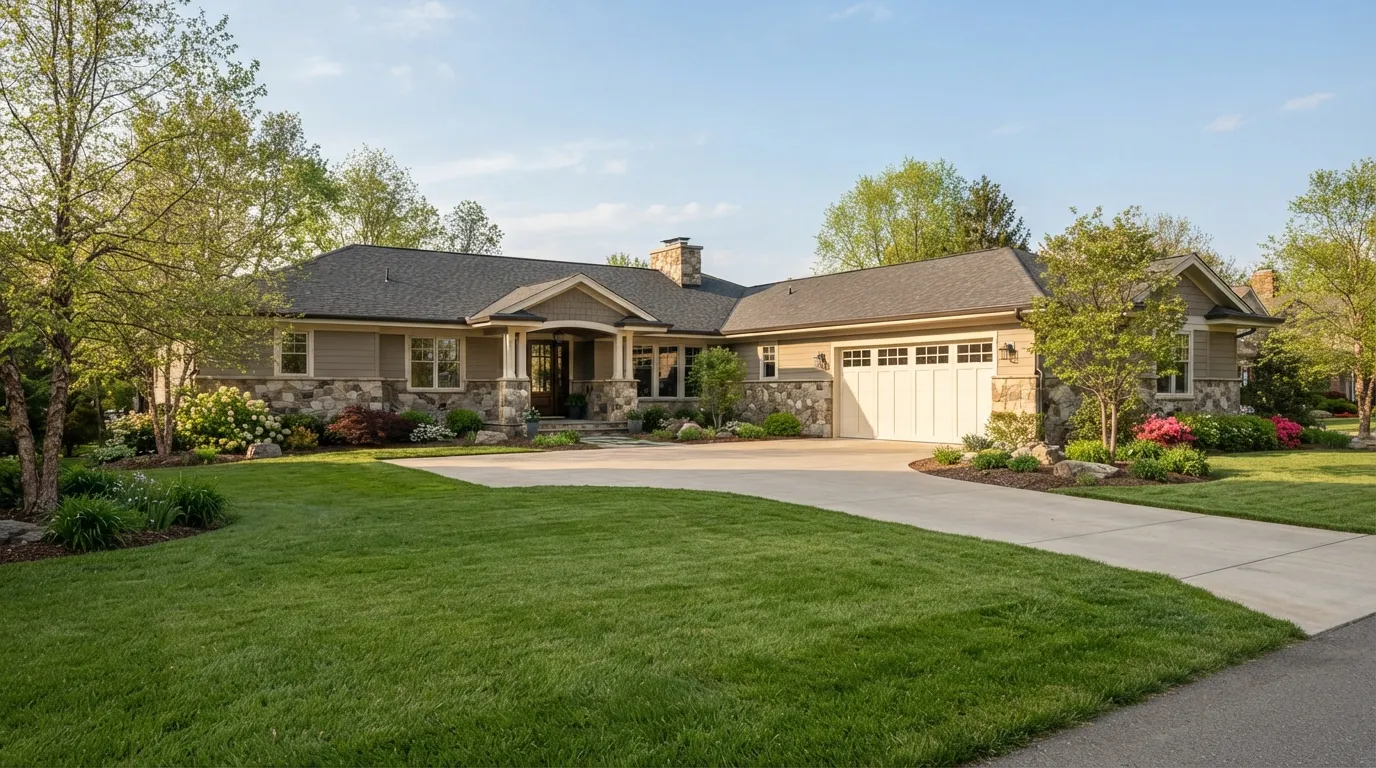
A 1967 median build date puts most Buffalo garages solidly in the second generation of raised-panel steel doors, built before insulated cores were standard and before extension springs gave way to torsion setups everywhere. Household income here runs about $67,321, noticeably below the wider Springfield service area's $79,008 median, and that shapes what kind of work gets done - more targeted repairs, fewer full-door replacements done just for looks. Compare that to some of the newer pockets closer to Springfield itself, where builds run into the 1990s and 2000s, and you can see why a one-size approach to service doesn't hold up across the coverage area. Buffalo's stock is older and more uniform, which actually makes diagnosis a little more predictable, even if parts sourcing sometimes takes longer than it would on a door built last decade.
How That Shows Up in the Door
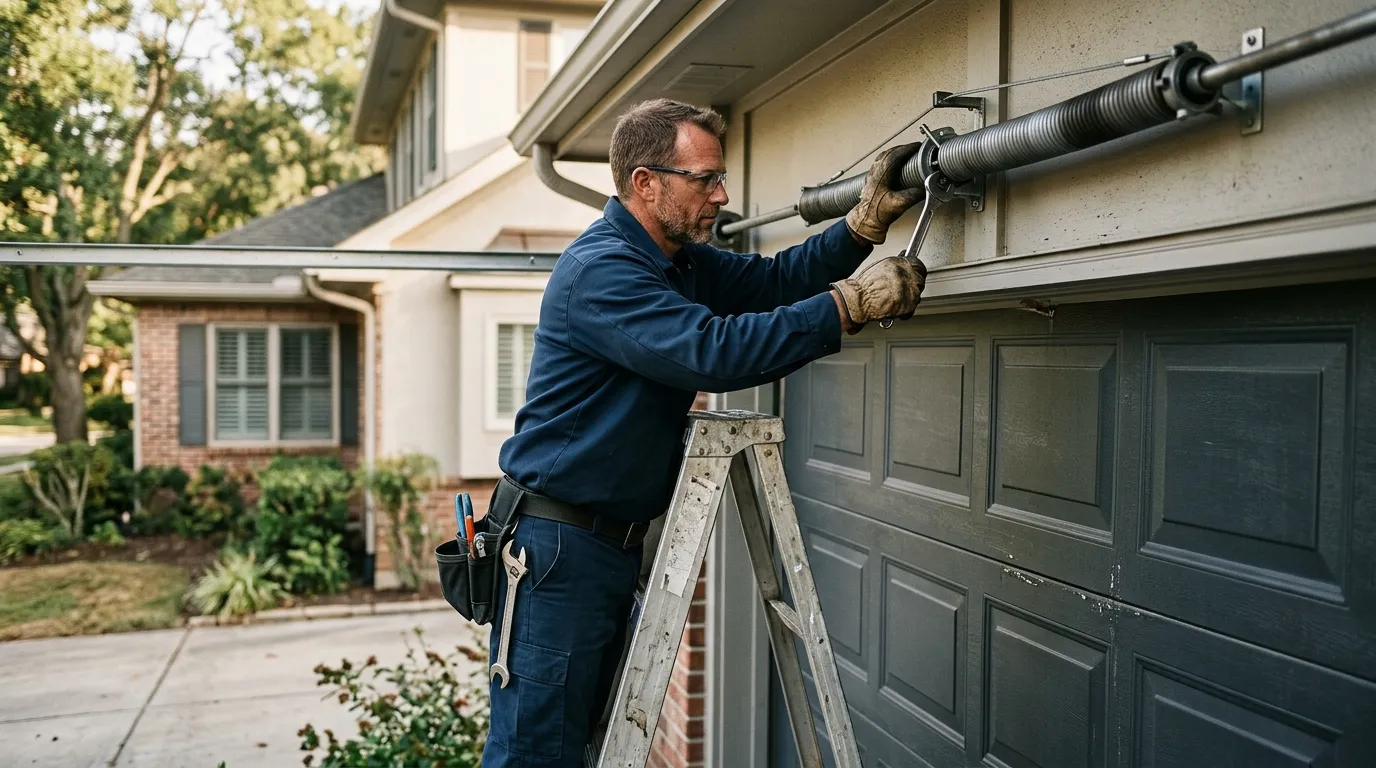
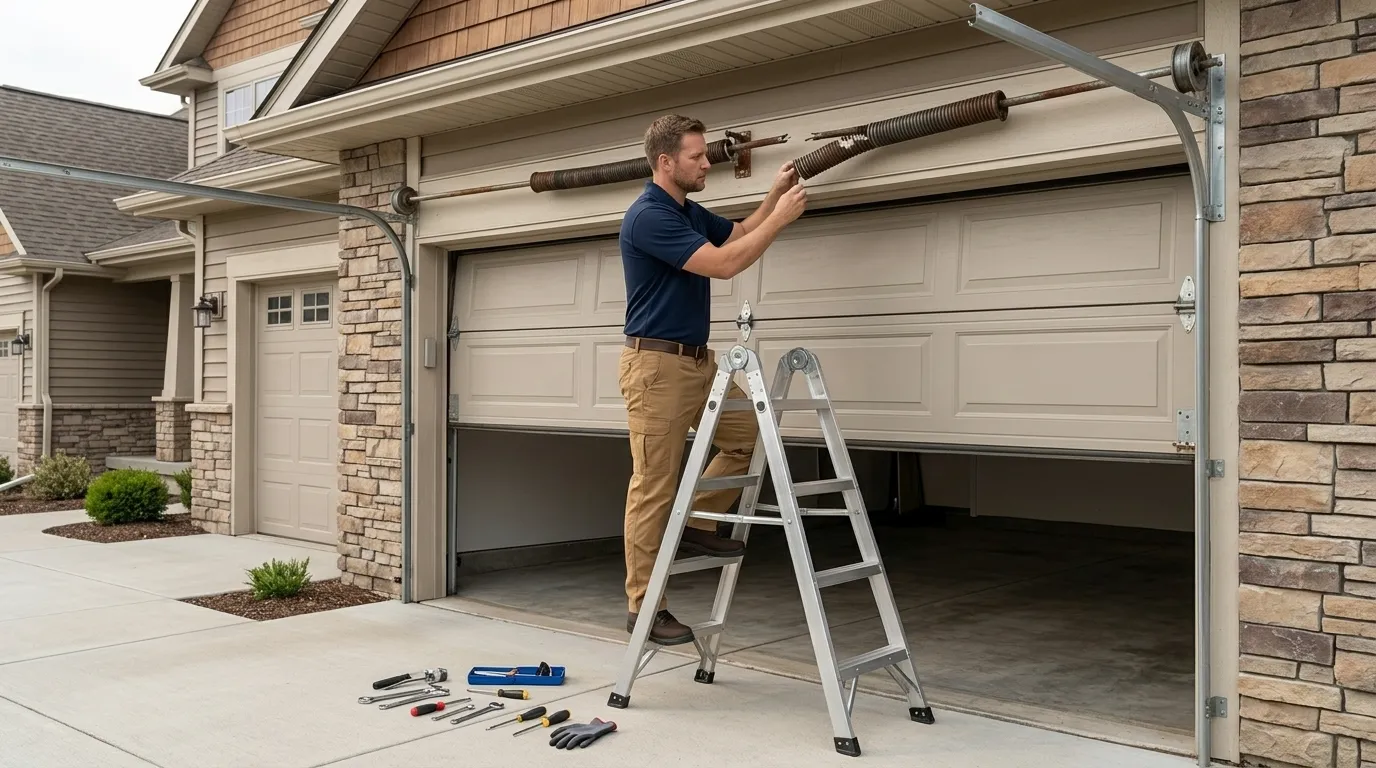
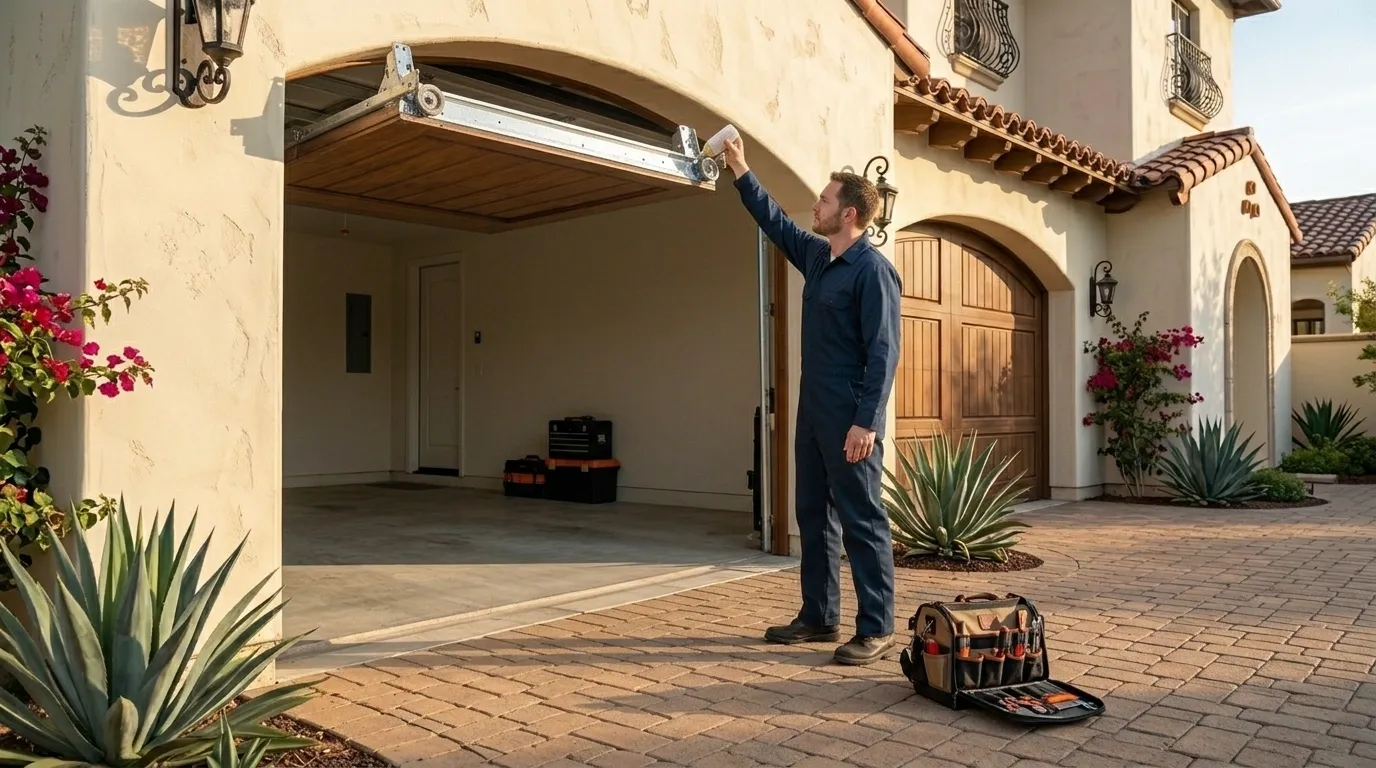
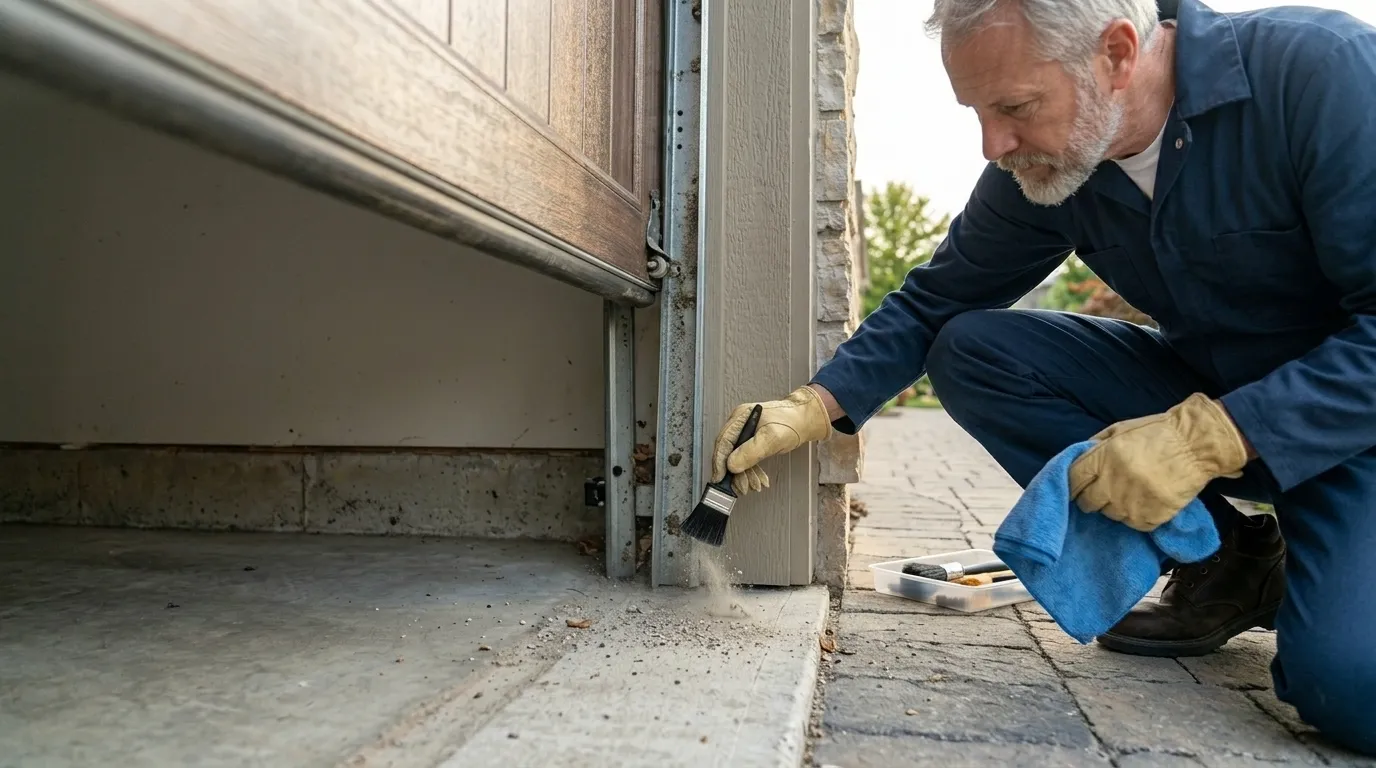
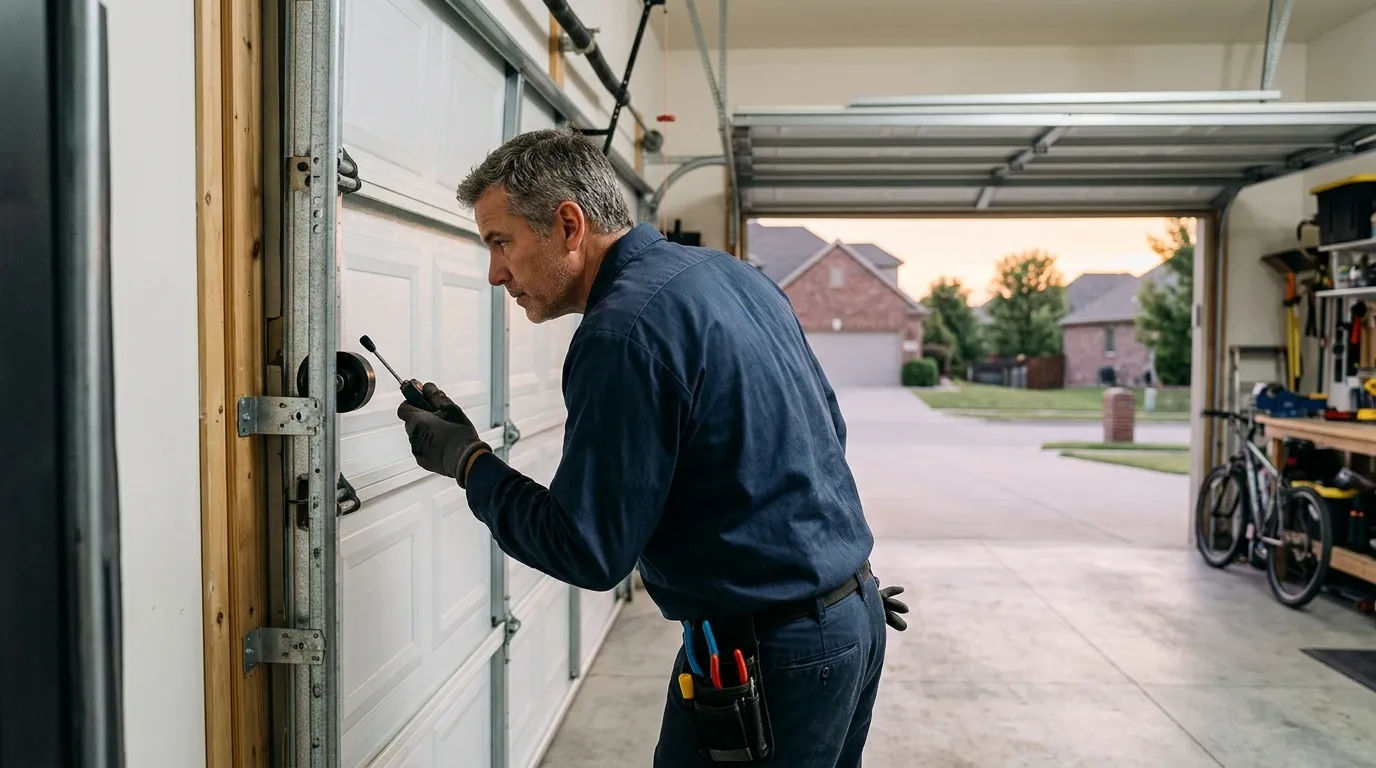
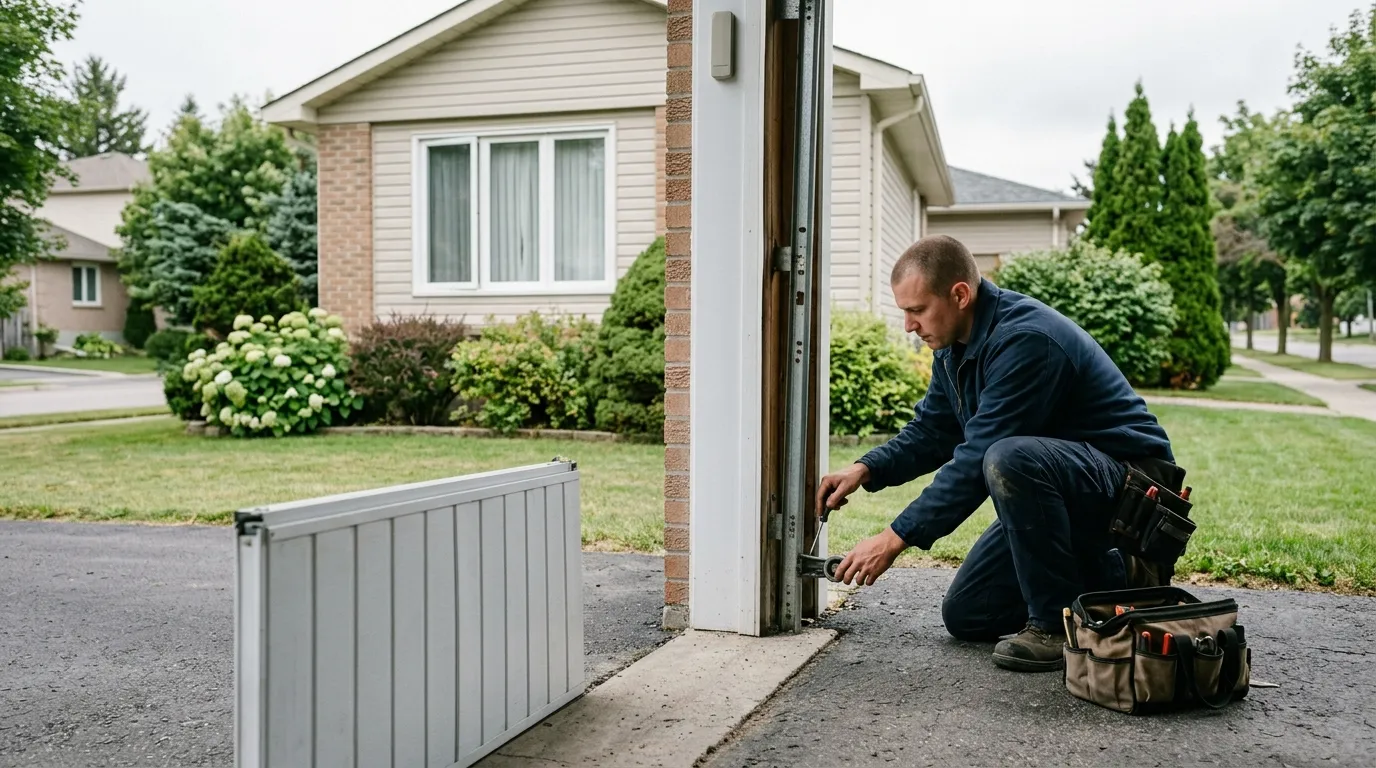
Doors installed around 1967 were almost always paired with extension springs mounted along the horizontal tracks rather than a torsion bar over the opening, and a fair number of Buffalo garages still run that setup unmodified. Extension springs from that era don't have the safety cables that became standard later, so a snapped spring can whip loose instead of staying contained - that's the single biggest safety gap we find on these older jobs. The climate here is cold-moderate, and decades of winter contraction on original hardware means brittle cables and pitted rollers show up more than you'd expect on a door that otherwise looks fine from the driveway. We're honest about one thing: if the track and drum assembly are original to a 1967 install, patching one component often just moves the failure to the next weak point within a year or two, and at that stage full hardware replacement is the better use of your money.