This Area's Housing
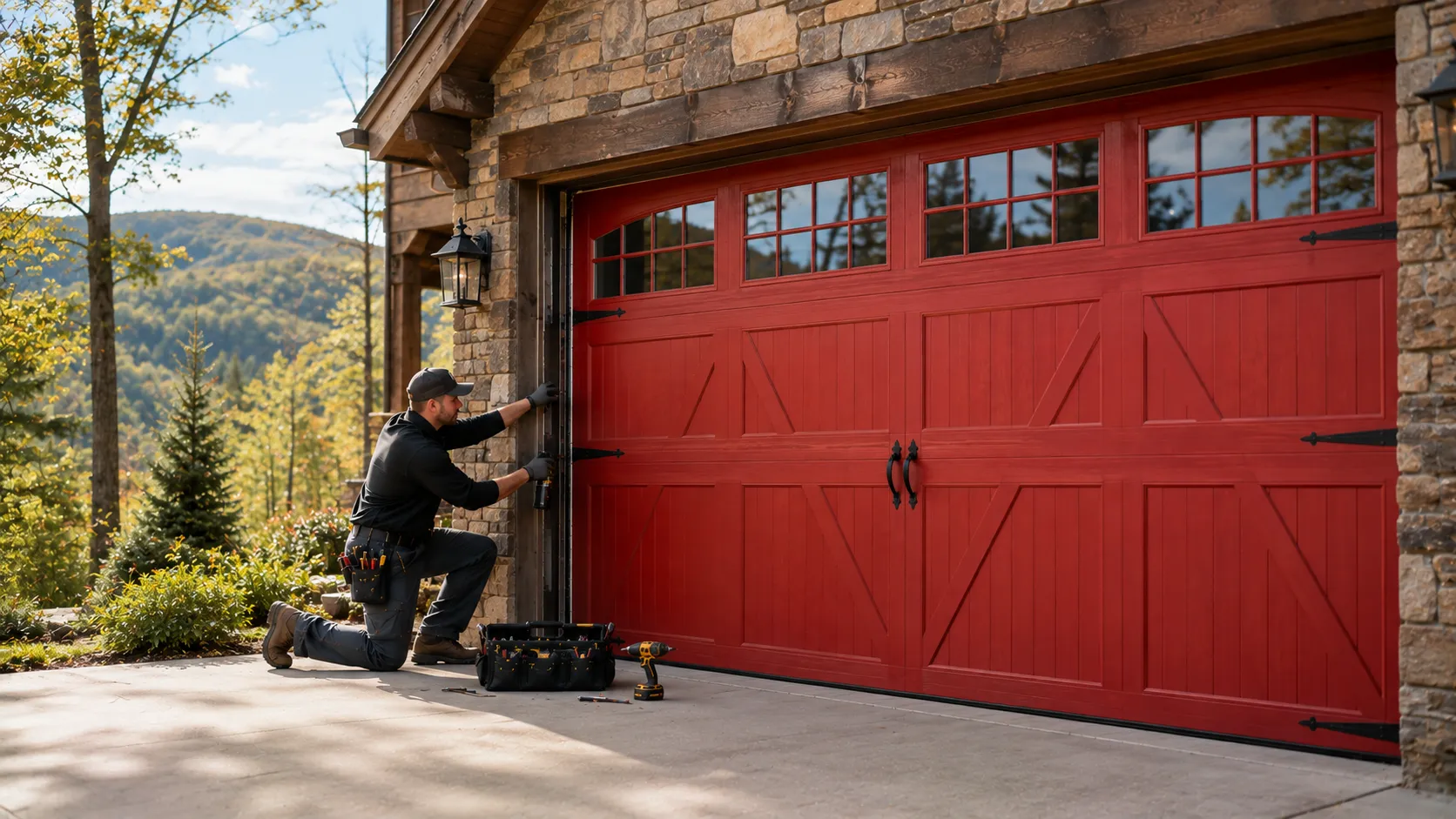
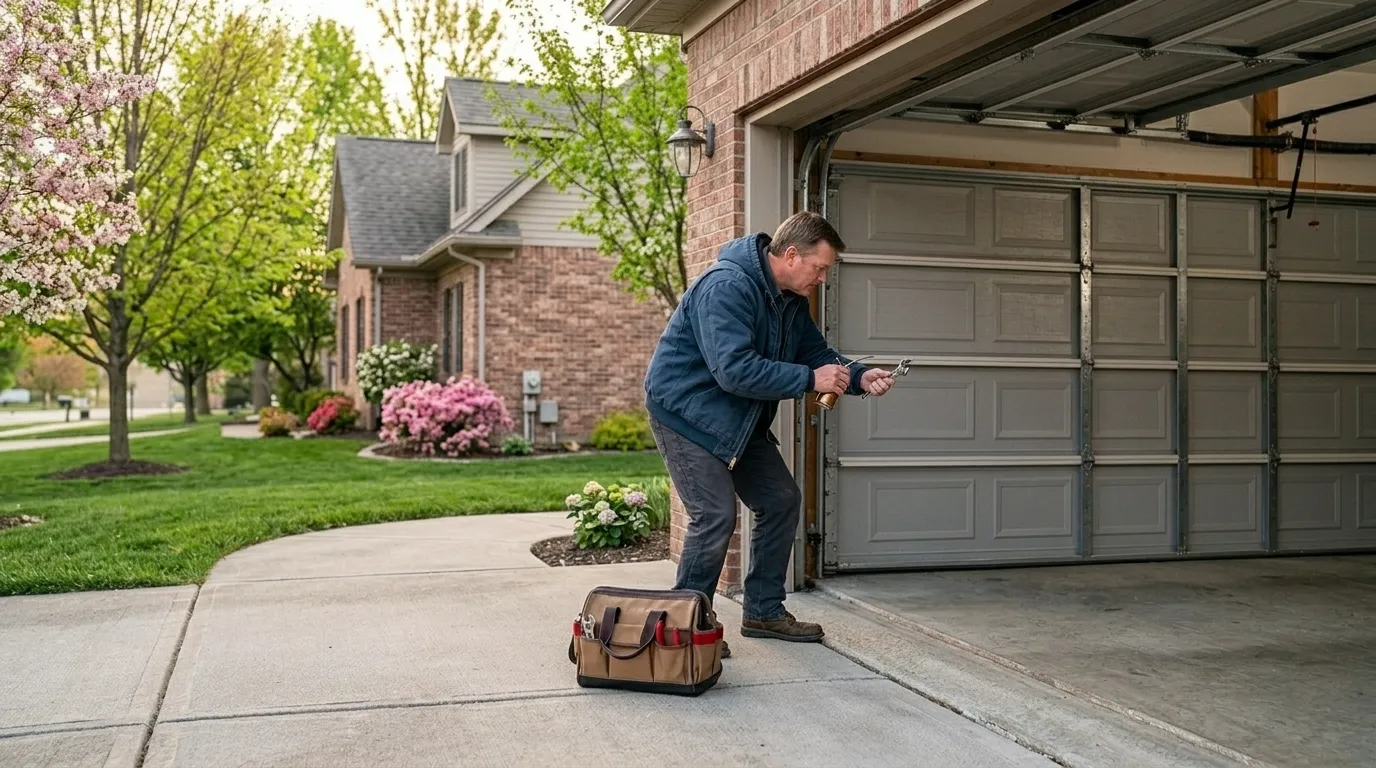
With roughly 1,161 households in Pawnee, this is a smaller pocket of the coverage area, but the housing tells a consistent story: built mostly in 1972, right inside the broader service area's 1957-2002 range where the overall median sits at 1973. That means Pawnee is close to dead-center typical for the area's stock, not an outlier - which is useful, because it means the failure patterns we see across the wider territory apply here almost without adjustment. Garages from this build year were framed for single-car or narrow double doors, often 16-foot sectional steel with two-inch rail track and side-mounted torsion springs rather than the center-mounted setups common in newer construction. Median household income here runs about $77,977, close to the area-wide $79,008, which tends to mean owners lean toward a targeted repair - spring, cable, or roller - over a full teardown-and-replace unless the door itself is failing structurally.
How That Shows Up in the Door
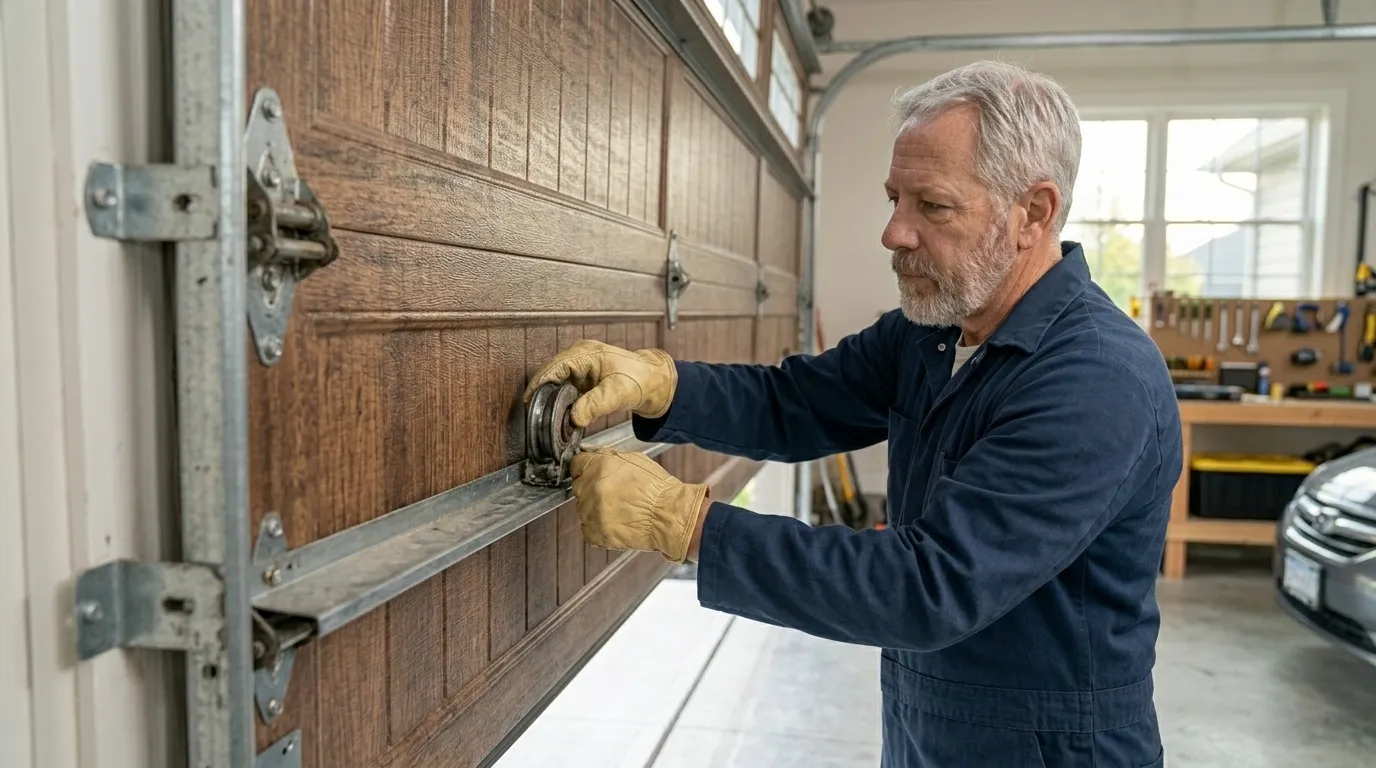
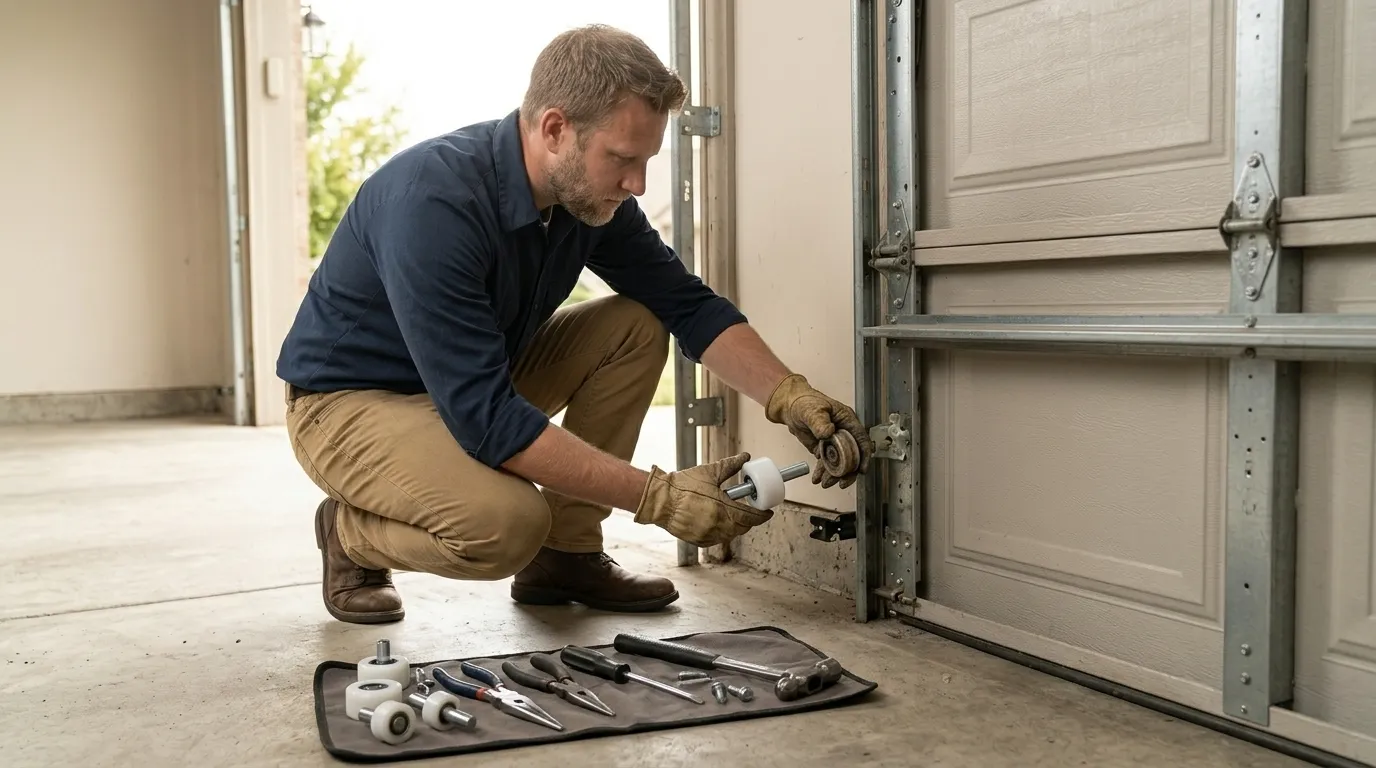
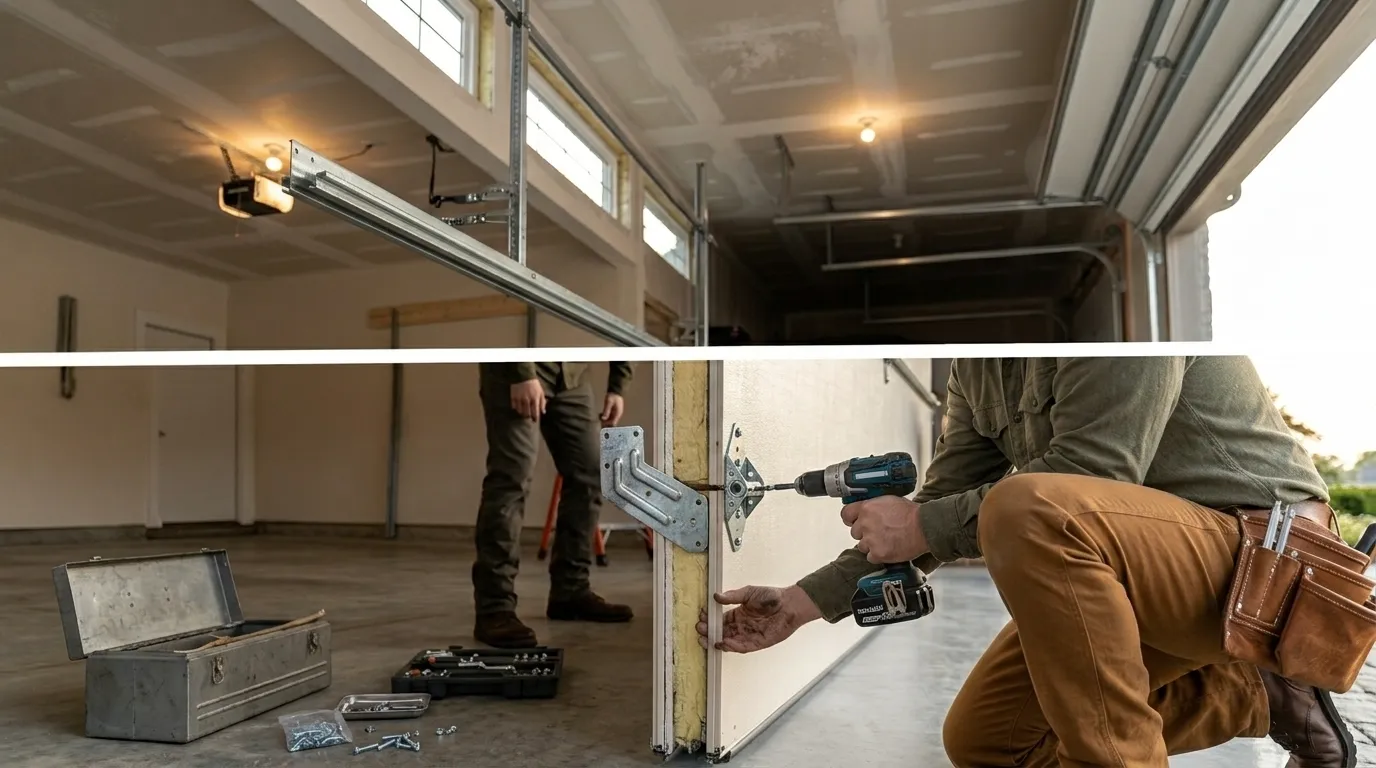
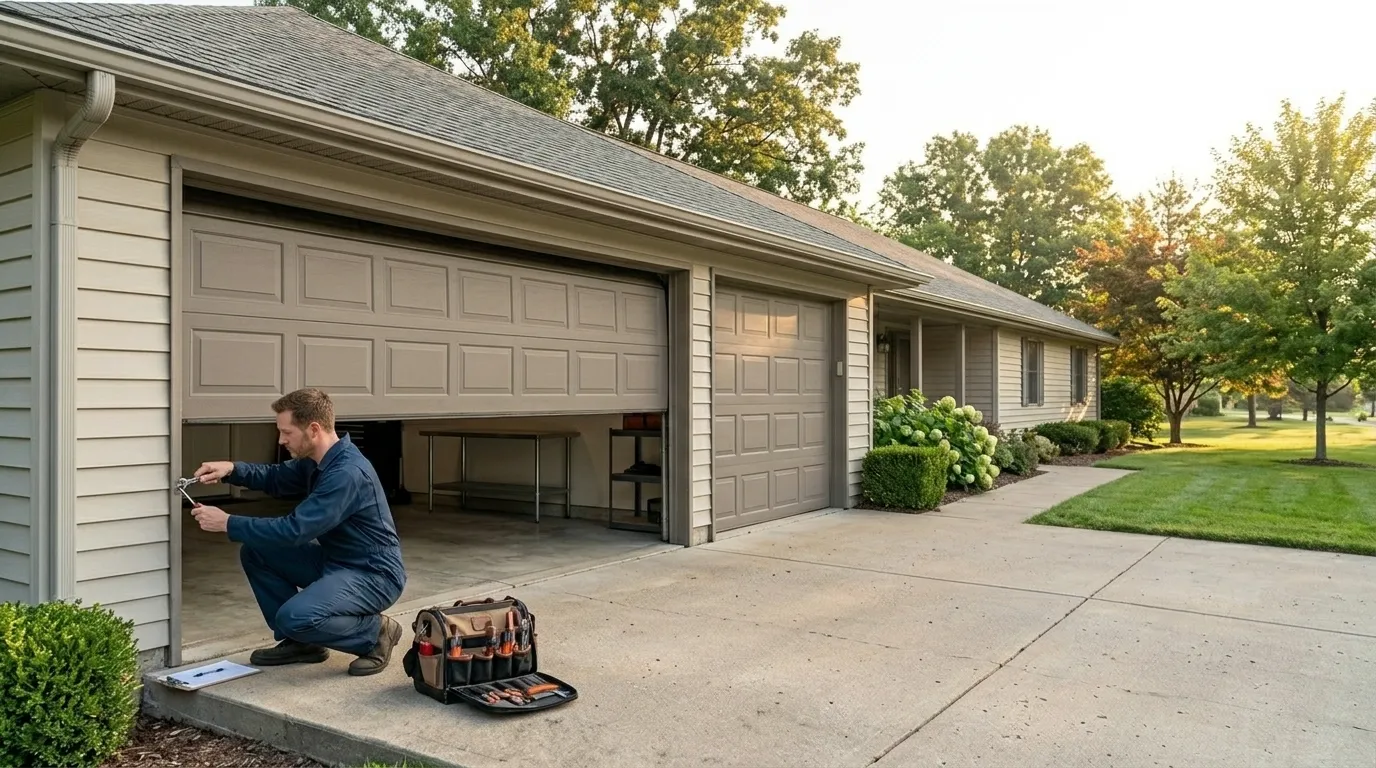
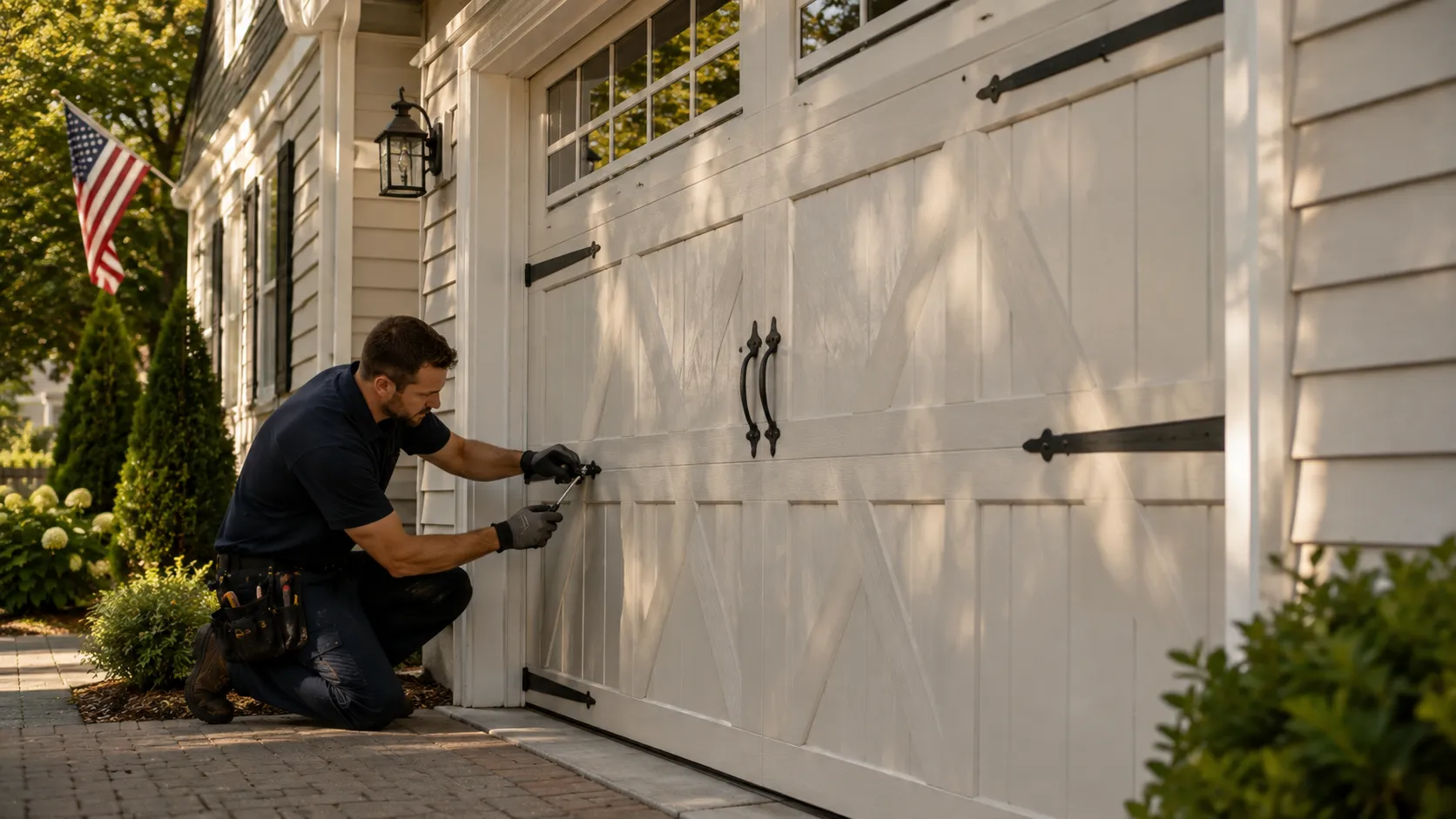
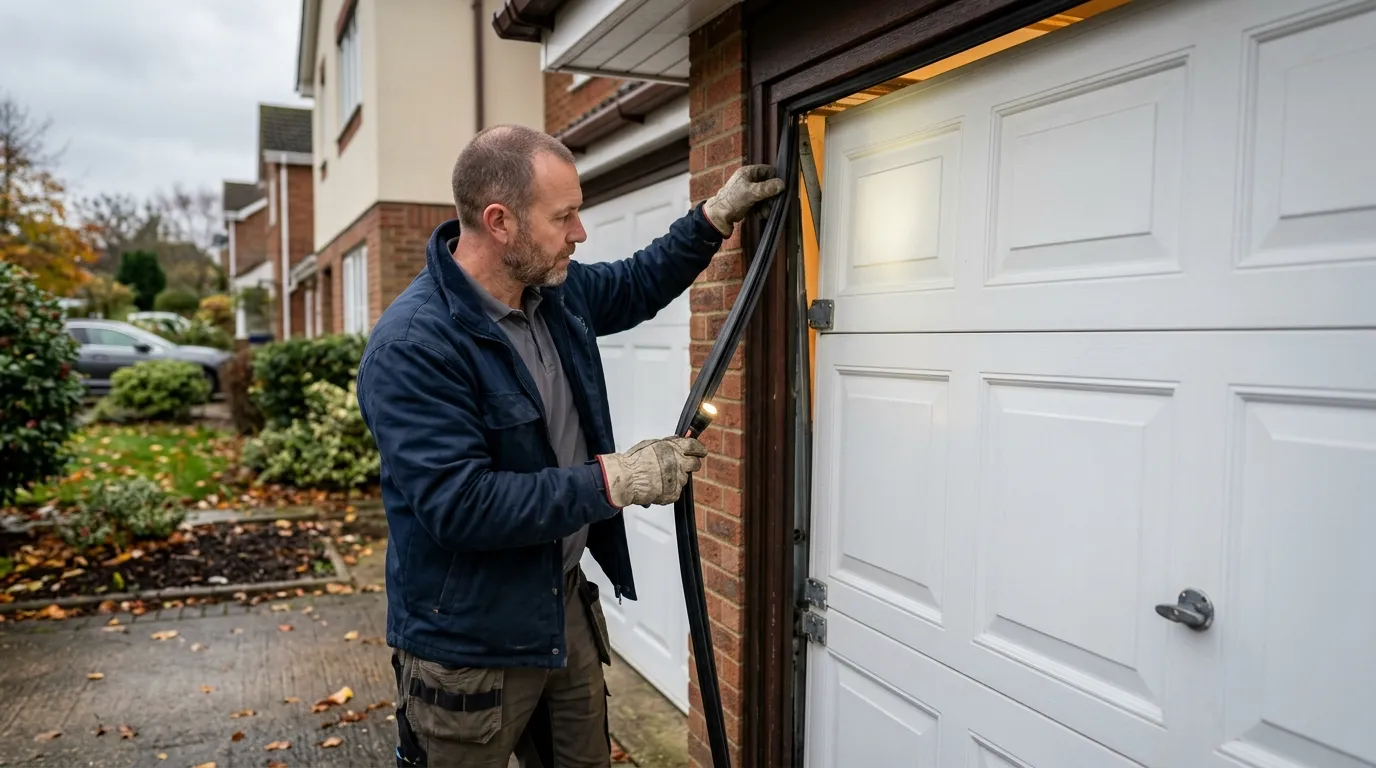
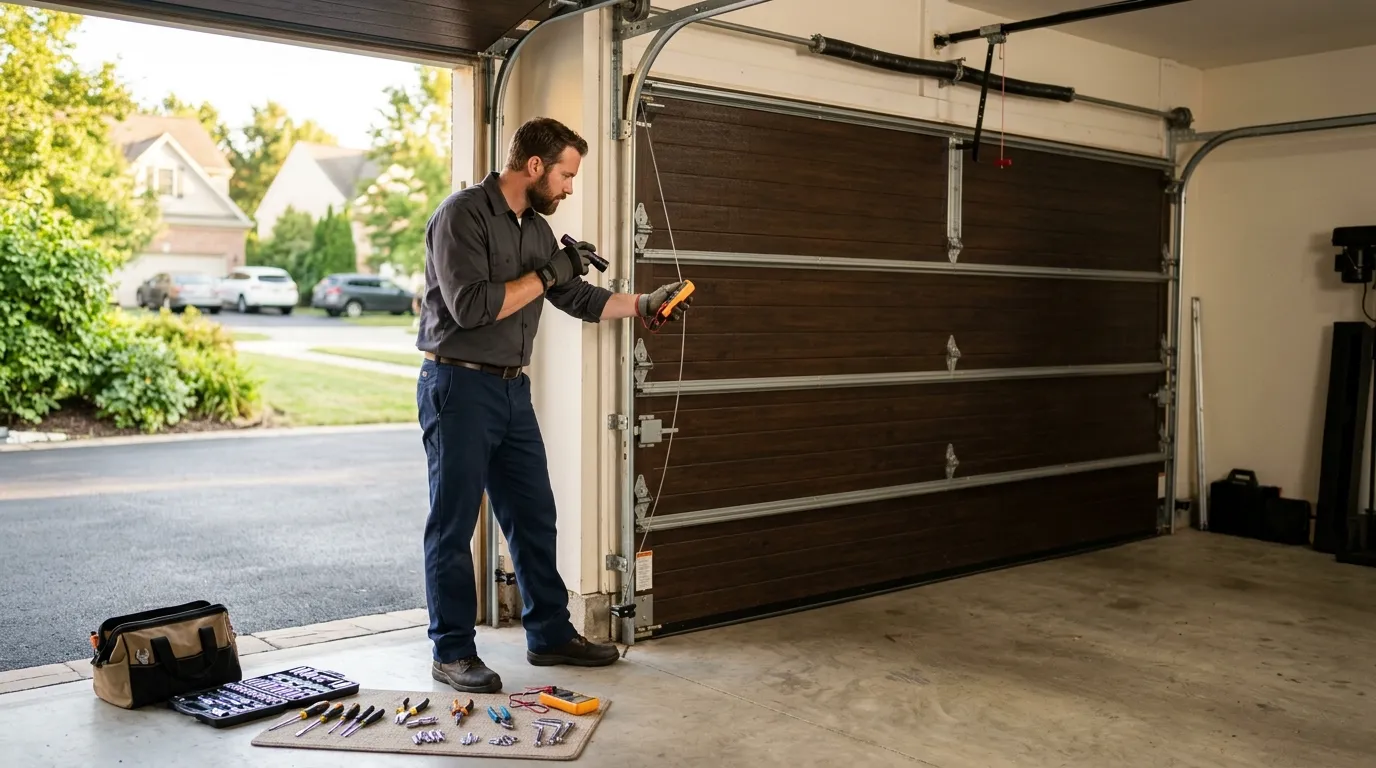
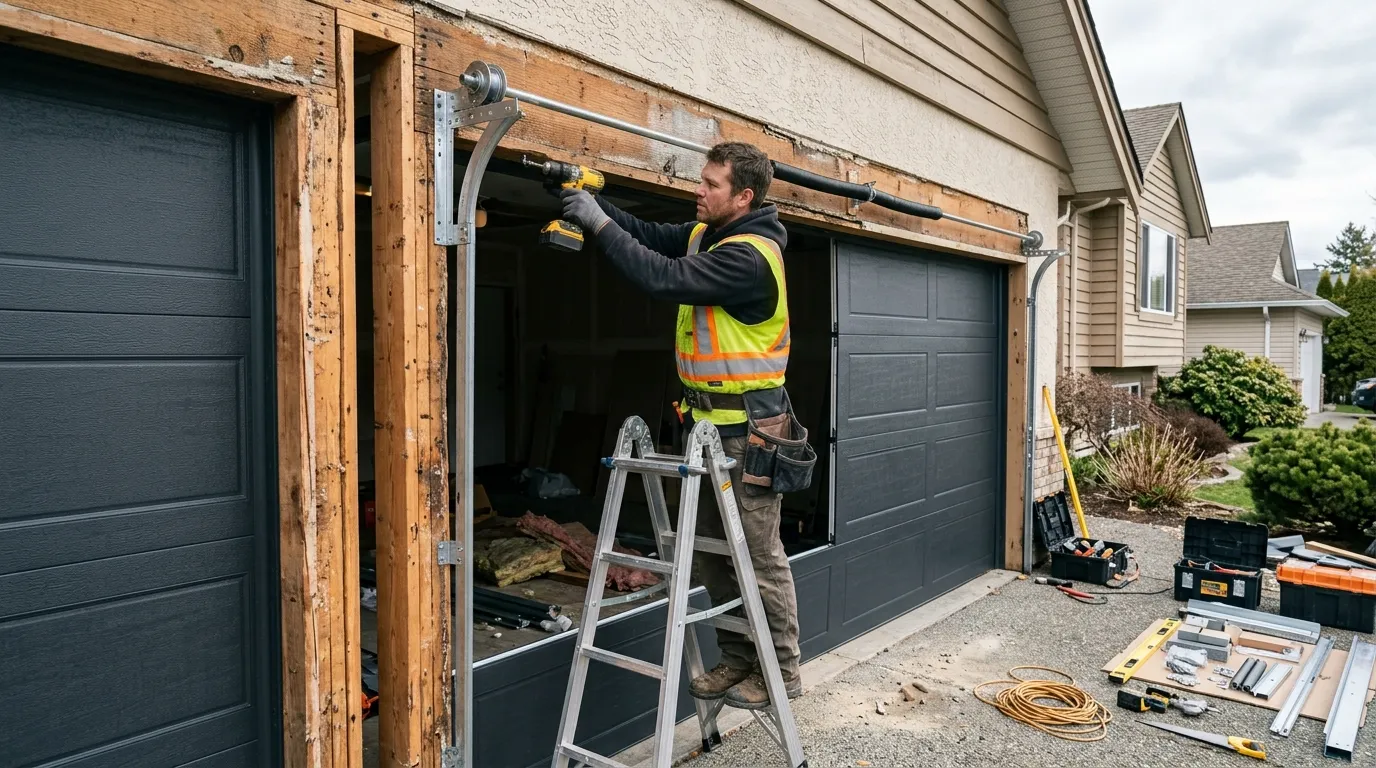
The service area sits in a moderate cold climate band, and hardware from the early 1970s wasn't built with today's UV-stabilized nylon rollers or sealed ball-bearing hinges. In Pawnee specifically, that means steel rollers in worn tracks, torsion springs with visible gap-stretch, and cable ends starting to fray at the drum - all symptoms that show up harder here because the original parts have logged fifty-plus winters of freeze-thaw cycling on original steel. Cold makes lubricant stiffen and springs lose a little tension every season, so a door that was merely noisy in October can bind entirely by January. We won't pretend every noisy door needs a spring - sometimes it's a track bolt worked loose, and tightening two lag screws solves it. But on a door that's original to a 1972 build, if the spring is original too, replacing it before it snaps is cheaper and safer than waiting for the snap.