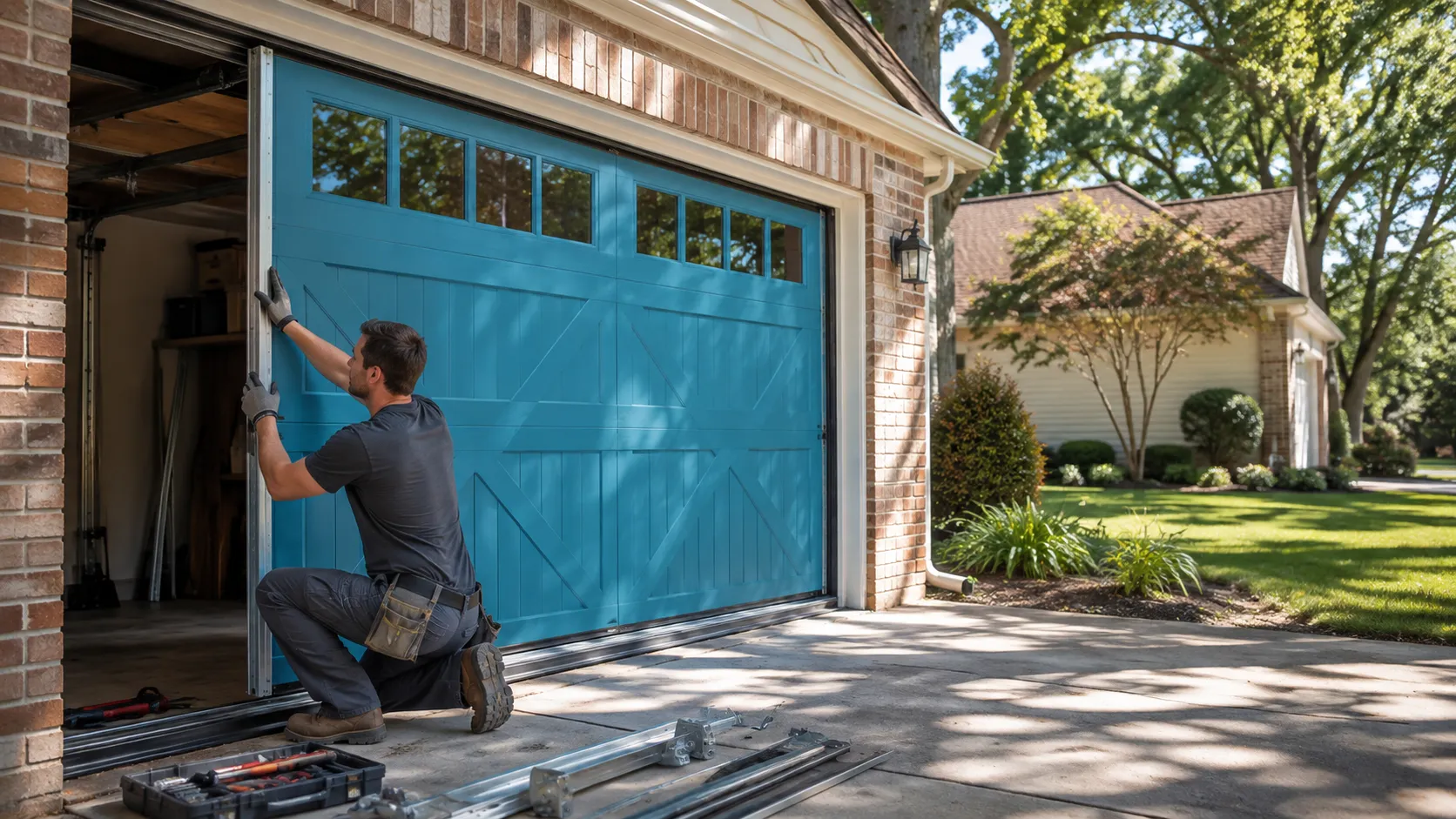
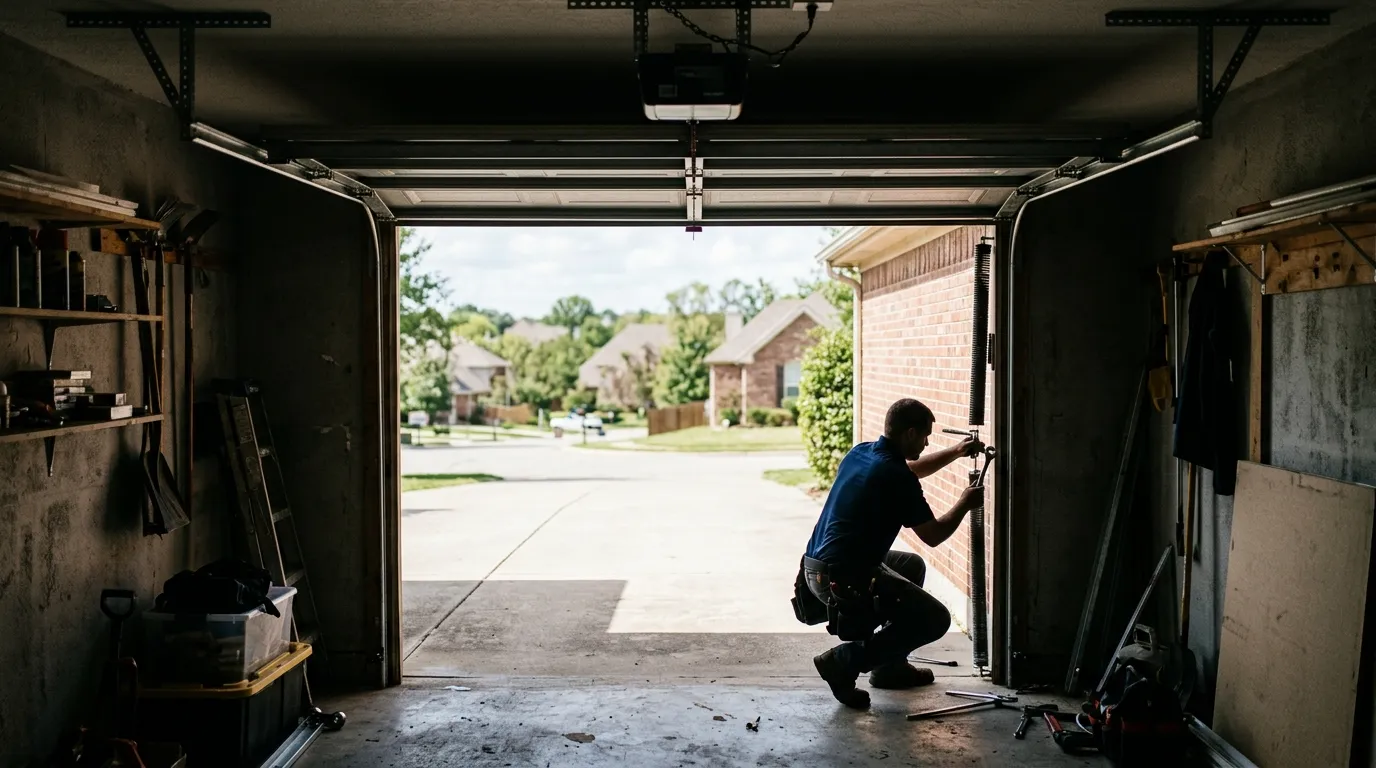
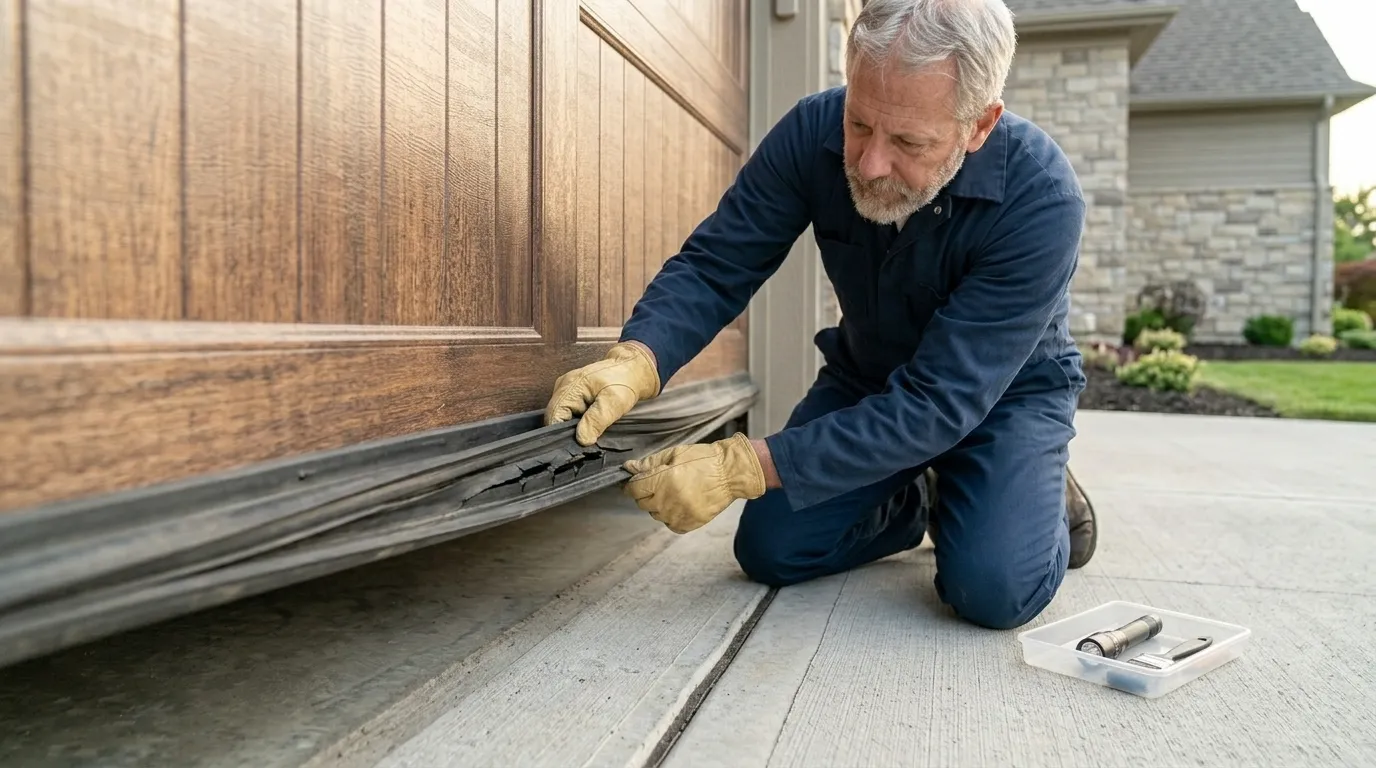
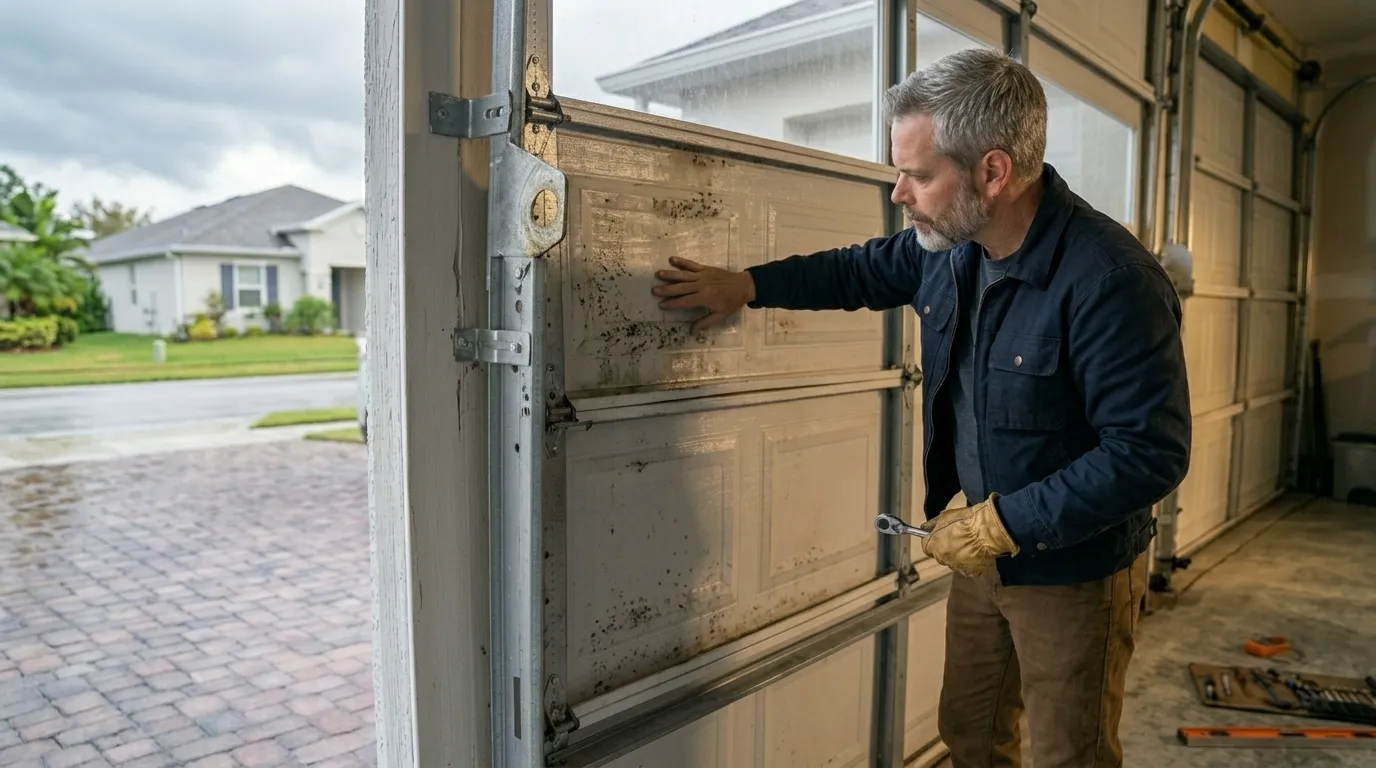
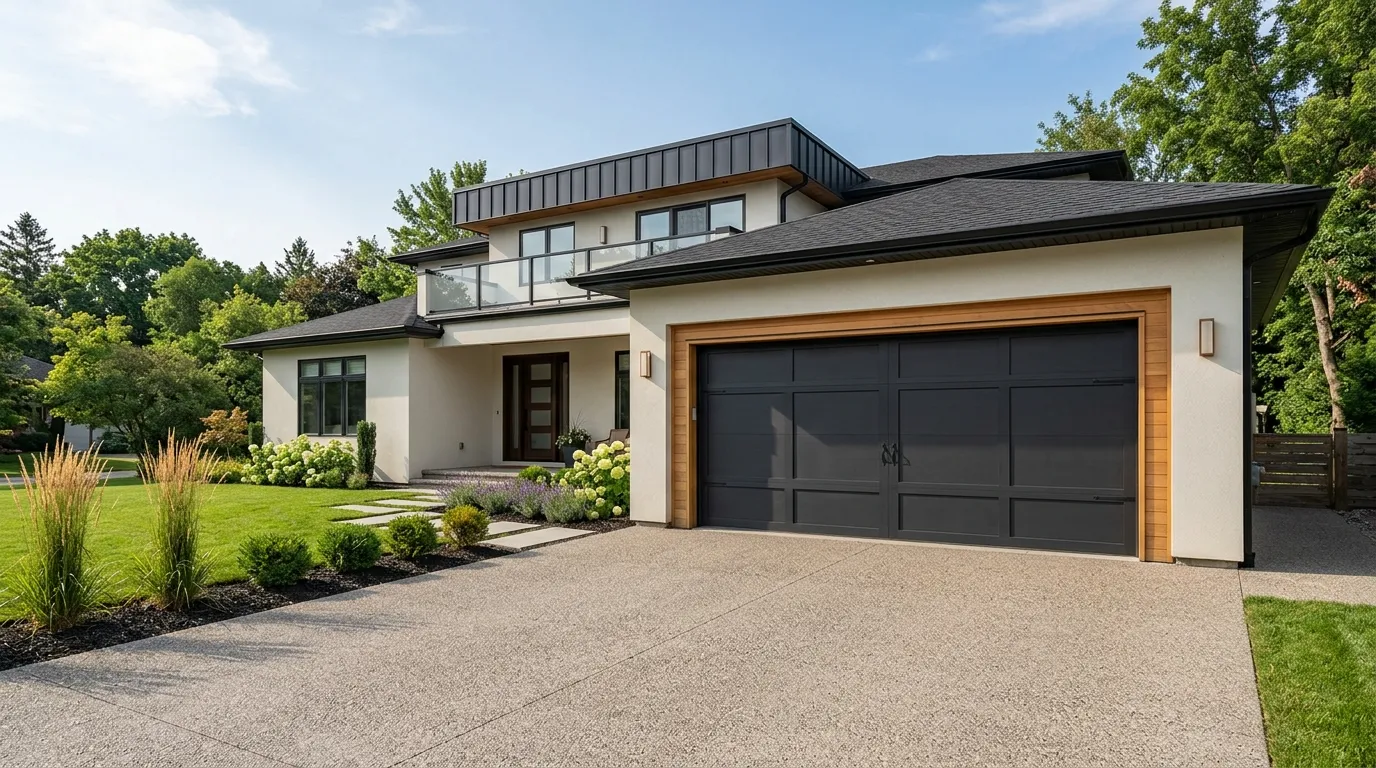
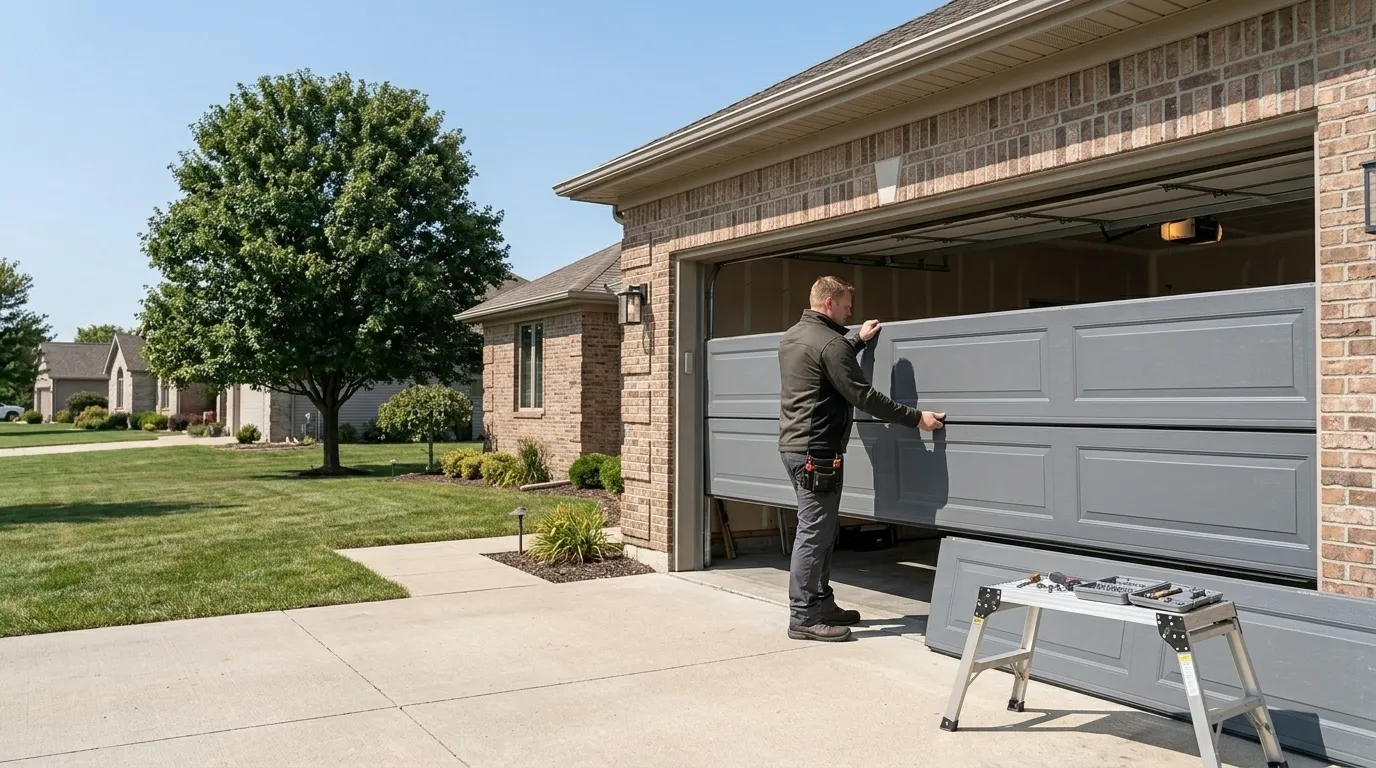
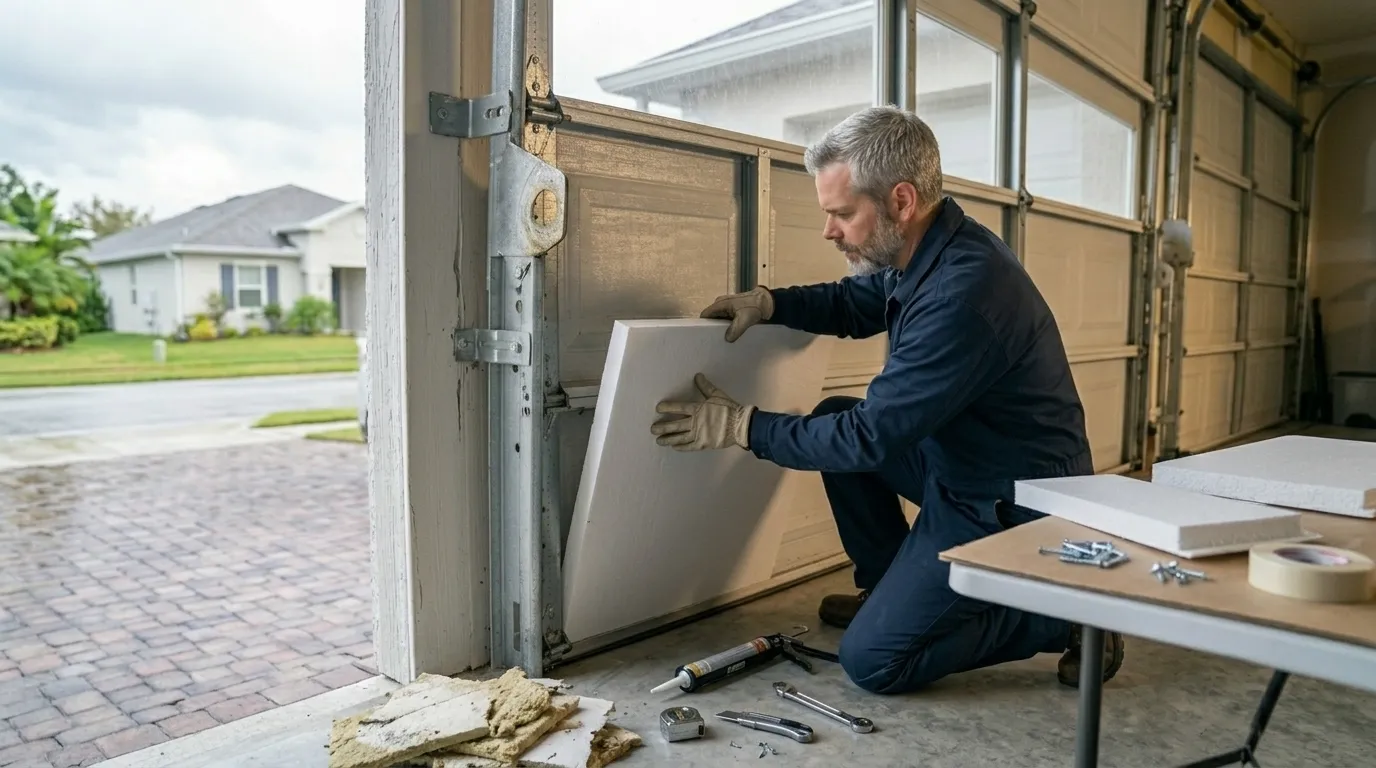
Sherman is younger than most of the service area. With a median build year around 2002, the housing stock here is a couple of decades newer than the 1973 median across the wider Springfield area, and that shows in the calls we get. Instead of worn-out one-piece doors on side hardware, we're usually looking at factory-installed sectional doors on standard torsion springs, paired with chain or belt-drive openers that were already common by the early 2000s. The most frequent call is a torsion spring that's simply reached the end of its cycle count, not a door that's been patched together for fifty years. We also hear from owners dealing with opener logic boards or sensor issues, which is a newer-home problem - older stock further into the service area tends to have simpler, more mechanical failures instead. With 1,507 households in Sherman, it's a smaller area than some of the older suburbs, but the housing is more uniform, which makes diagnosing common failure points faster once you know the build era.
This Area's Housing
Sherman's homes were mostly built well after the 1957-2002 range that defines the broader service area, clustering near the top end of that window. That later build date matters for garage doors specifically: post-1990s construction in this region typically shipped with insulated steel sectional doors rather than the flat wood or single-panel steel doors common in 1960s-70s construction elsewhere. The median household income in Sherman, at $147,025, is well above the $79,008 median for the wider area, and that tracks with what we see in the field - more owners here have upgraded openers with battery backup or smart-home connectivity already installed, rather than retrofitting an older unit. It's a smaller, newer pocket sitting about 7 miles from Springfield, distinct from the older 1960s-70s stock that makes up most of the surrounding 14 named areas.
How That Shows Up in the Door
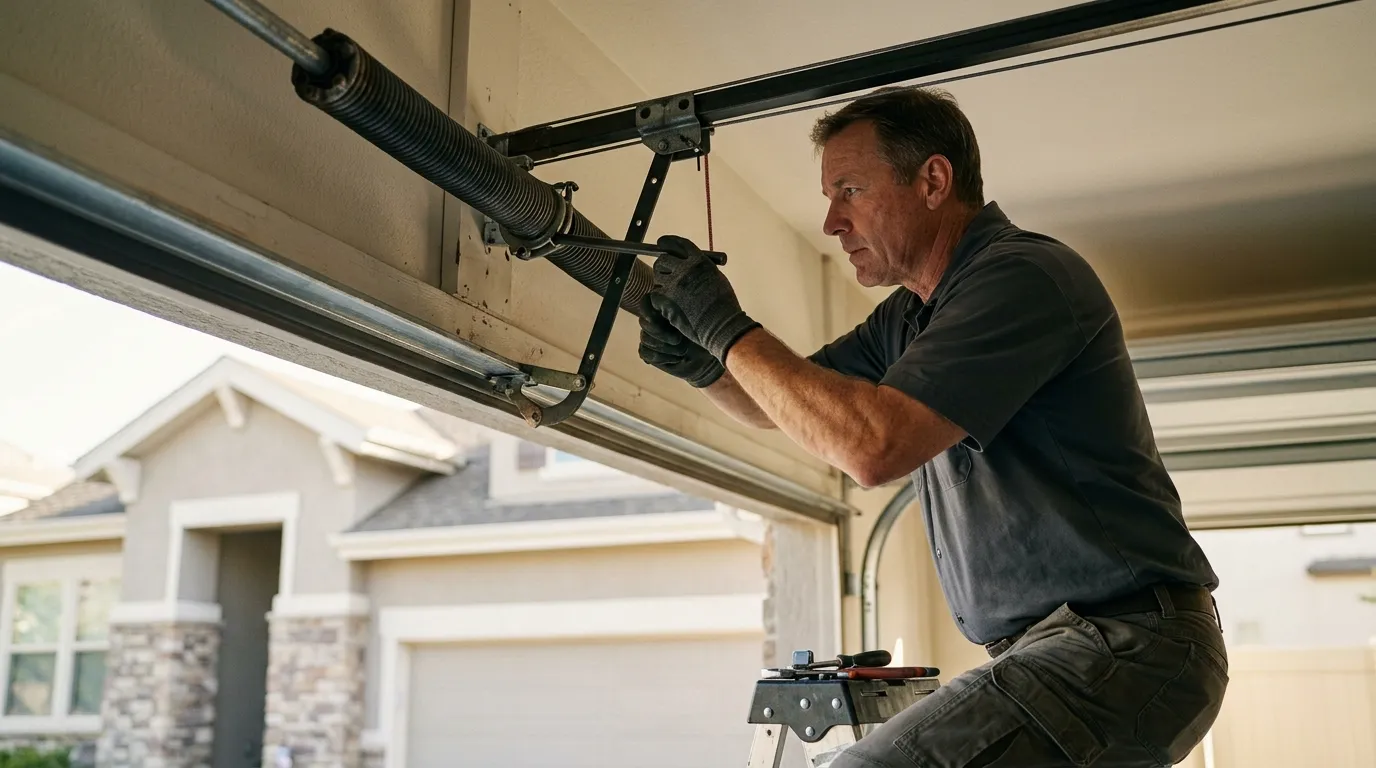
Newer construction means newer failure modes. A door installed around 2002 is now old enough that its original torsion springs are due or overdue for replacement - springs are rated in cycles, not years, and a well-used door from that era is right in the failure window now. What you won't find as often here are the side-mounted torsion setups and non-standard track widths that show up in the area's oldest homes. Sherman's doors are more likely to be standard 7-foot sectional units with center-mounted torsion springs, which is a more straightforward repair in terms of parts availability. The climate here is cold and moderate, so winter is still hard on hardware - cold makes springs more likely to snap and steel rollers more likely to bind - but the door and track geometry itself is more predictable than in the older parts of the service area.
Common Jobs Here
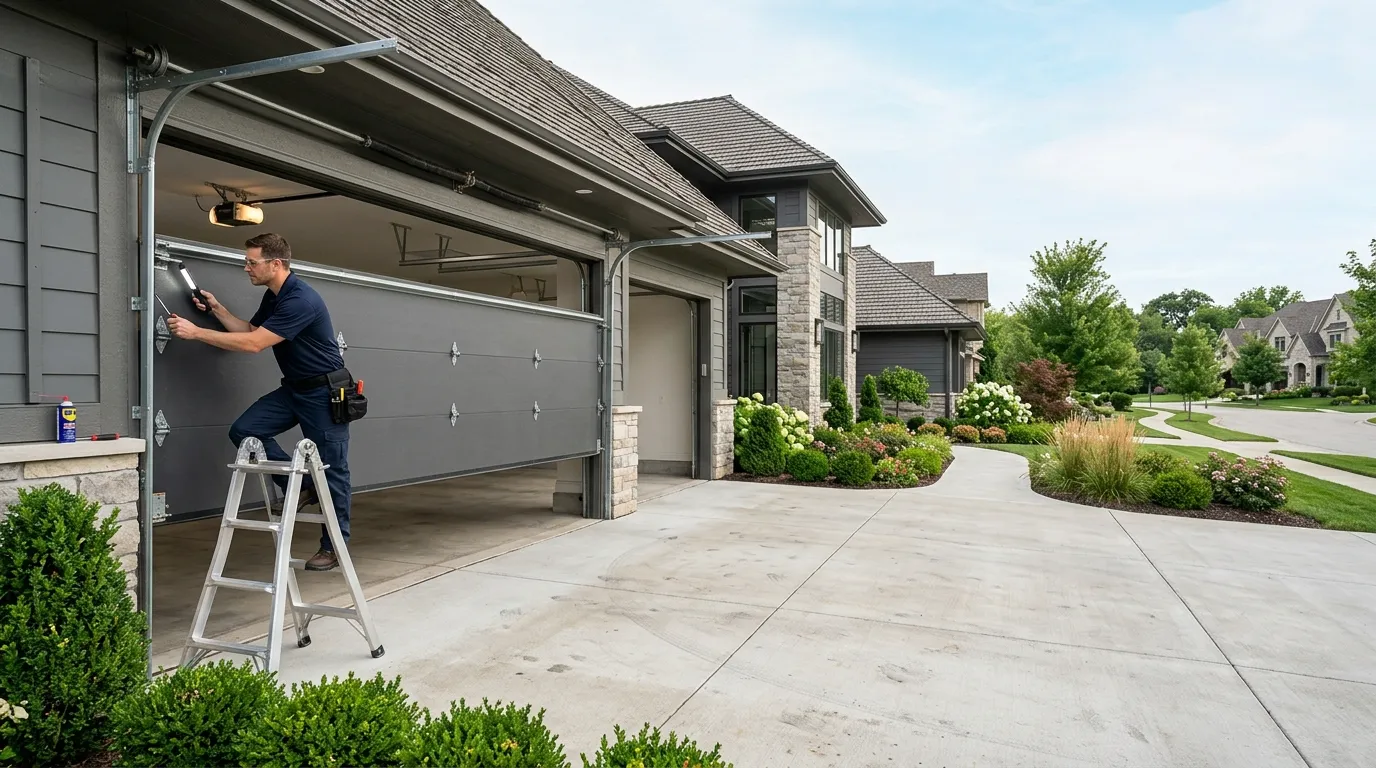
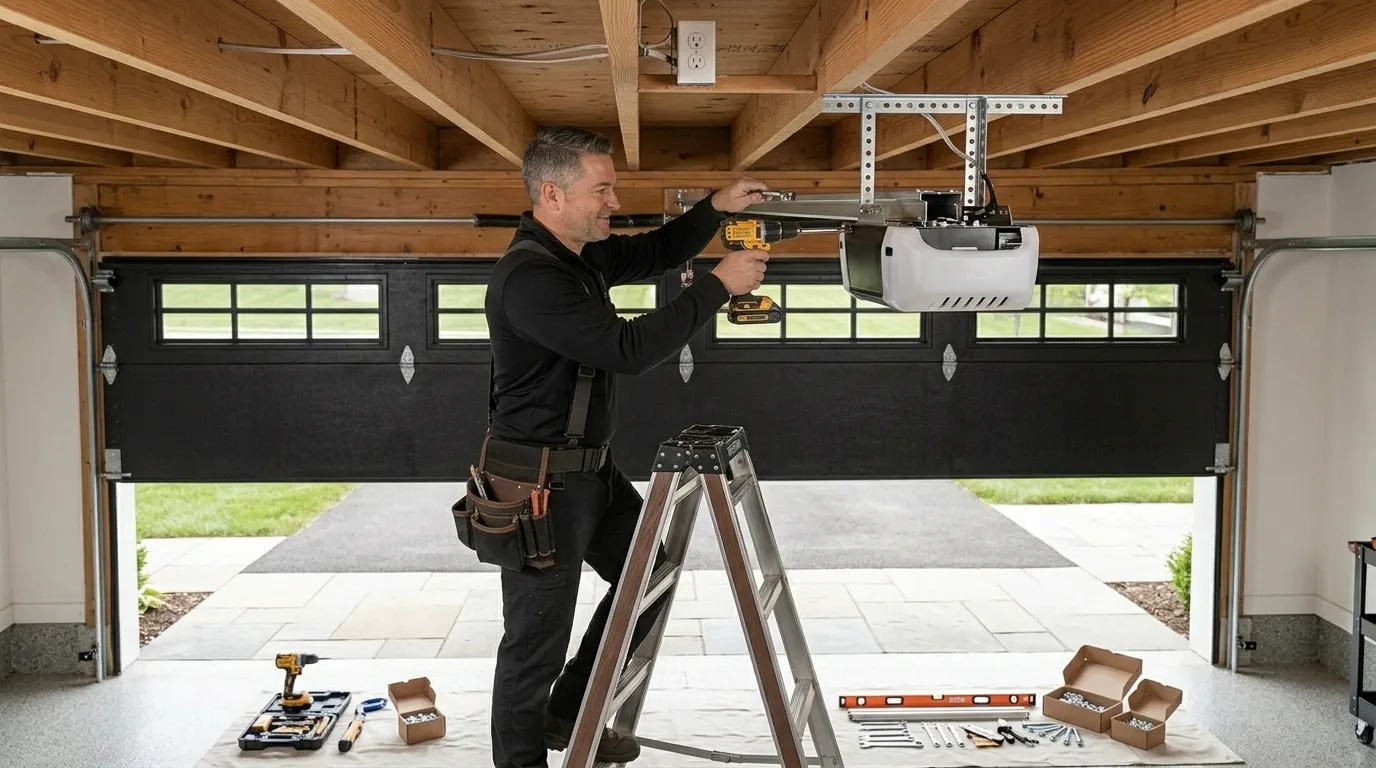
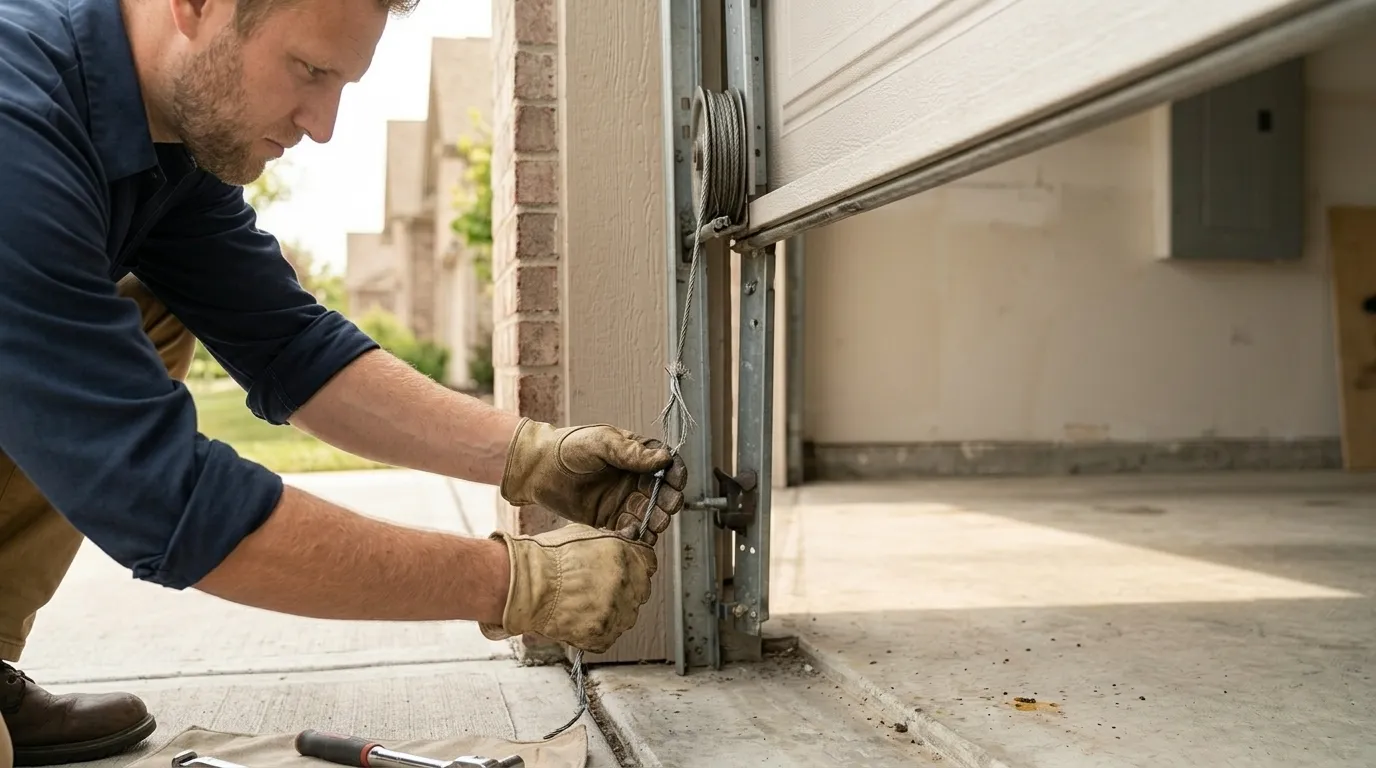
The jobs we run in Sherman lean toward spring replacement on doors that are now 20-plus years into their working life, opener sensor and logic board repairs, and roller or cable replacement rather than full door swaps. Because the housing here is newer and more consistent in age, parts fit is usually straightforward - we're not hunting down obsolete panel sizes. One honest limitation: if a spring or opener part is a less common size or an older smart-opener model with a discontinued board, we may need to order it rather than carry it on the truck, and that can add a day or two. Full door replacement is less common here than in older parts of the service area, since most Sherman doors are still within a reasonable working life - a repair usually makes more financial sense than a swap at this stage.
How it works
From “it’s stuck” to “it’s fixed”
01
Tell us what’s wrong
Describe the symptom - won’t open, loud bang, opener runs but the door won’t move.
02
On-site diagnosis
A technician tests the door under power and by hand and finds what actually failed.
03
Clear, up-front plan
You get the fix that’s needed and what drives the cost - before any work starts.
04
Repaired & tested
The repair is done, the door is set true and tested, and the work area left clean.
Serving Springfield, IL - tell us what your door’s doing and we’ll take it from there.
Why would a newer home in Sherman need a spring replacement already?
Torsion springs are rated by cycle count, not calendar years. A door installed around 2002, which fits the median build year here, has likely gone through enough open-close cycles by now to be near or past its rated life. Cold winters add extra stress, so a spring snapping on a 20-year-old Sherman door isn't unusual.
Does Springfield Garage Door Pros have a shop in Sherman?
No. We're based in Springfield and travel out to Sherman, about 7 miles away, for service calls. There's no depot or storefront here, just a truck coming from Springfield to handle the job.
Are Sherman garage doors different from older parts of the service area?
Generally yes. Sherman's housing stock is newer, built mostly around 2002 versus a median of 1973 across the wider area, so doors here tend to be factory sectional units with standard center-mounted torsion springs rather than the older side-mounted hardware found in 1960s-70s homes elsewhere.
Ready to get your garage door sorted?
Tell us what it’s doing and where you are in Springfield - we’ll take it from there.