Booking a Visit
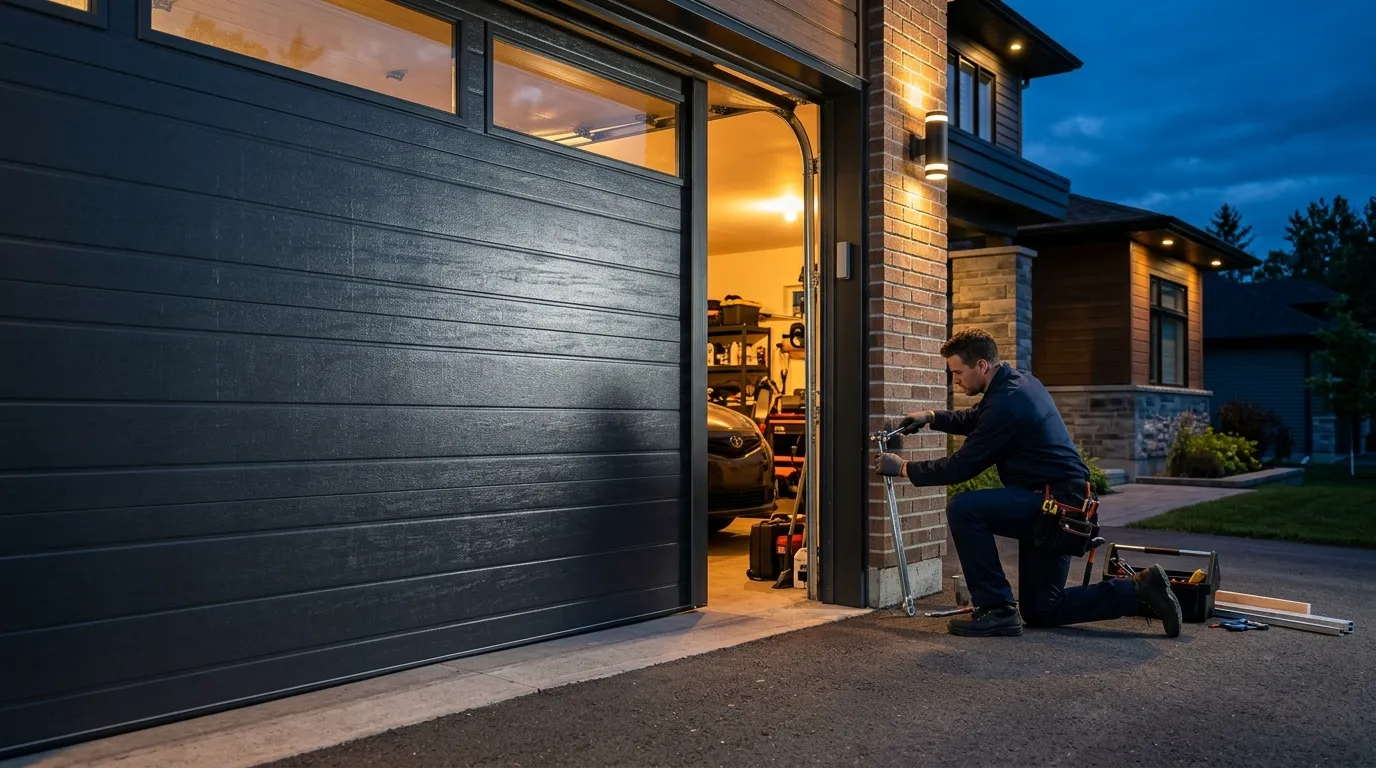
We're based in Springfield and drive the 7 miles out to Sherman for every call - there's no branch or depot here, just a truck making the trip. Give us the opener brand, the age of the house if you know it (helpful shorthand since most of Sherman went up around 2002), and what the door is actually doing: not moving at all, reversing partway, or running but not responding to the remote. That's usually enough for us to bring the right sensor, board, or logic module instead of guessing on-site. We don't keep a Sherman-specific stock of parts, so if your opener needs a less common circuit board, we may need to order it before the second visit rather than carry every model on the truck.
What Can Go Wrong
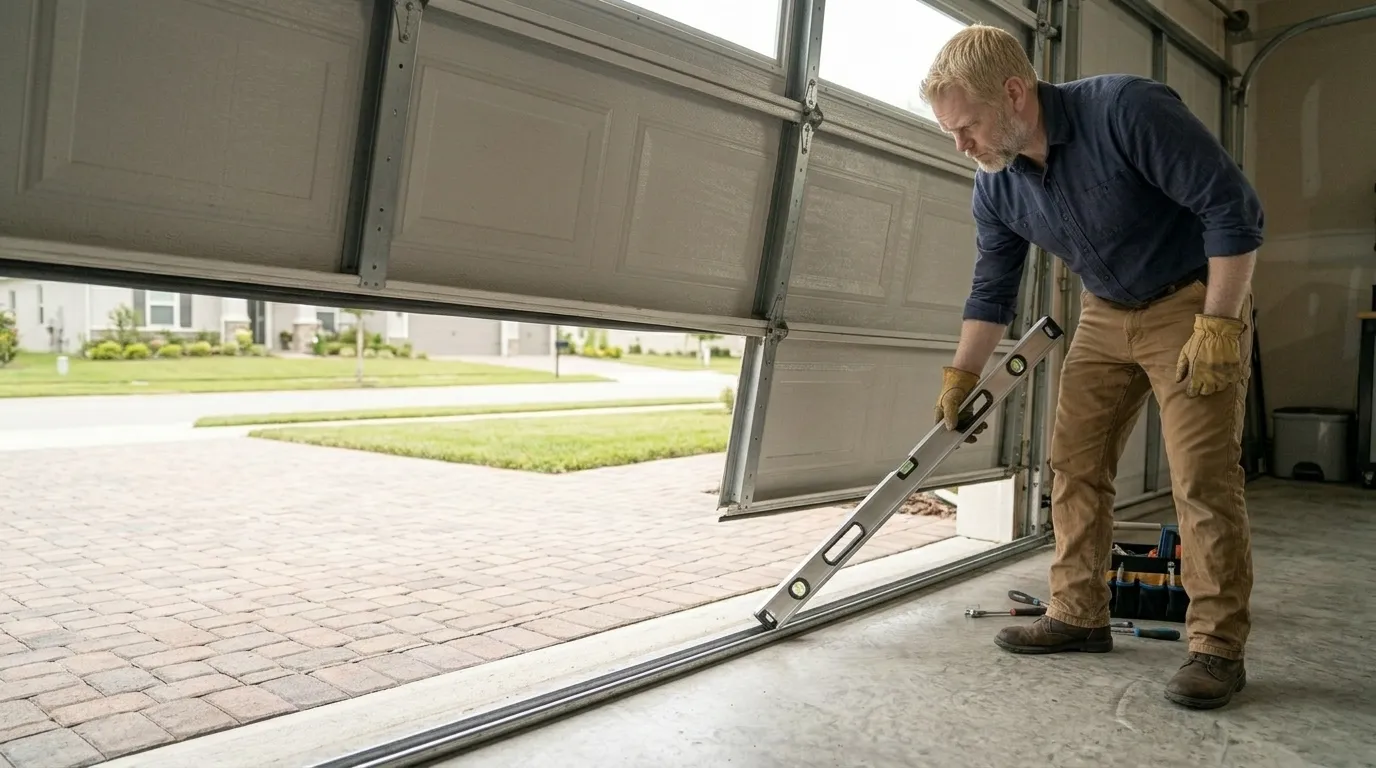
On opener units from Sherman's build era - mostly 1990s through the early 2000s - the most common failure is the safety-reversal sensor pair losing alignment or corroding at the wire connection, which stops the door from closing at all as a safety default. Second most common: a worn drive gear inside the motor housing, which shows up as a grinding sound and a door that runs but doesn't lift. Circuit boards fail outright less often than people assume, but when they do, it's usually a full no-response unit, not a partial fault. We also see travel-limit switches drift out of setting on older screw-drive units, which makes the door stop short or slam on close. None of this is unique to any one house, but it's consistent with what an opener built in that window is due for. What we don't do here is chase a fault forever on a unit that's clearly at the end of its service life - past a certain point in board or motor failures, replacing the opener costs less over a year than repeated repair visits, and we'll tell you when that line's been crossed.
What the Fix Involves
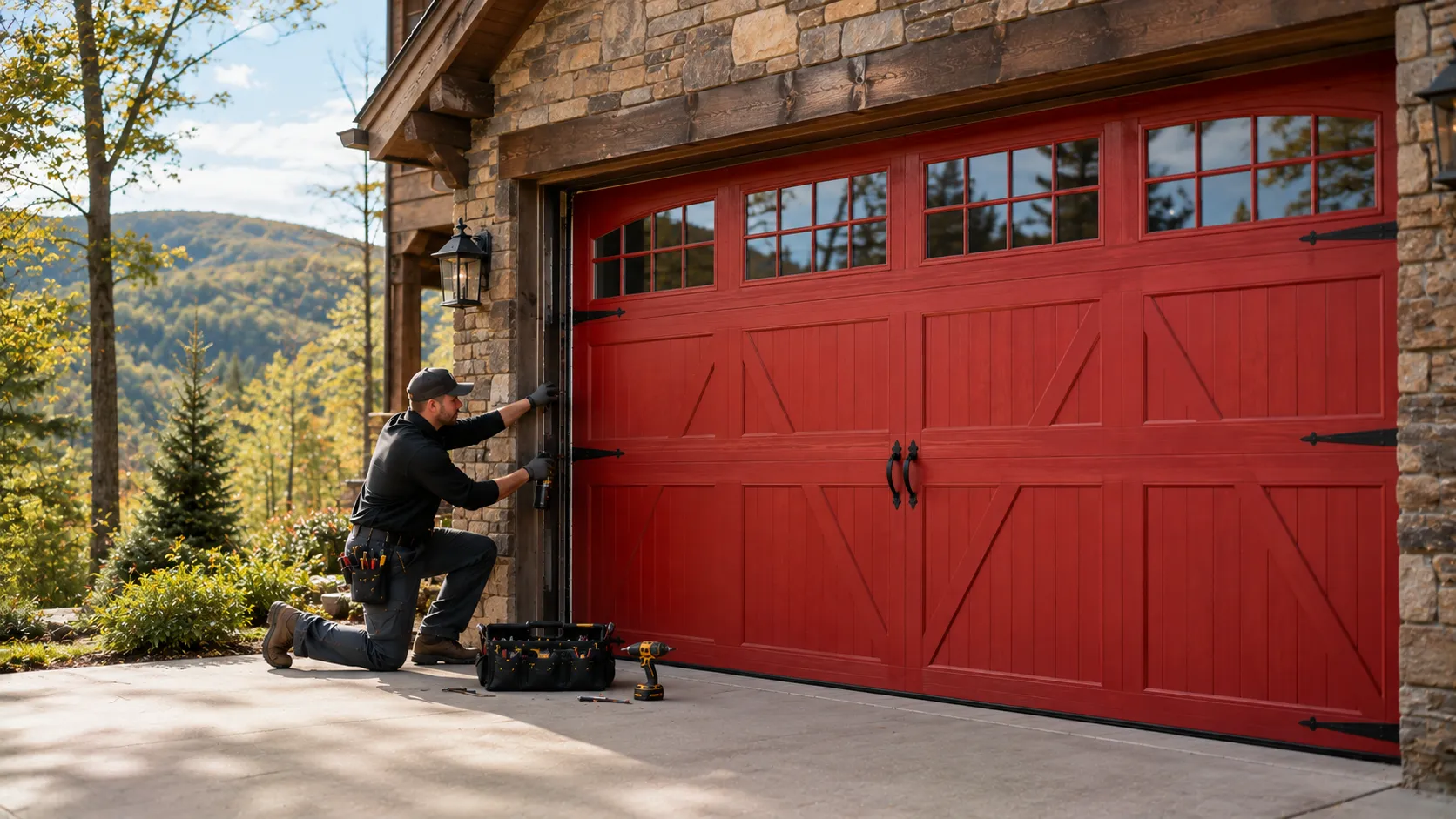
Most Sherman visits start with a diagnostic: we run the opener through its full cycle, check the safety sensor pair for alignment and wiring integrity, and pull the logic board cover if the unit isn't responding at all. If it's a sensor issue, that's usually a same-visit fix - realign or replace the pair, test the reversal function, done. A board replacement takes longer since we often need to match the exact model, which sometimes means a return trip if it's not a part we carry on the truck that day. Motor gear wear gets inspected and, if it's minor, greased and adjusted; if the gear set itself is stripped, we'll walk you through repair-versus-replace since a fifteen-plus-year-old motor on a failing gear set is rarely worth a second parts order. We test the full cycle twice before we leave - open, close, reverse-on-obstruction - because a sensor fix that isn't verified under load is a callback waiting to happen.