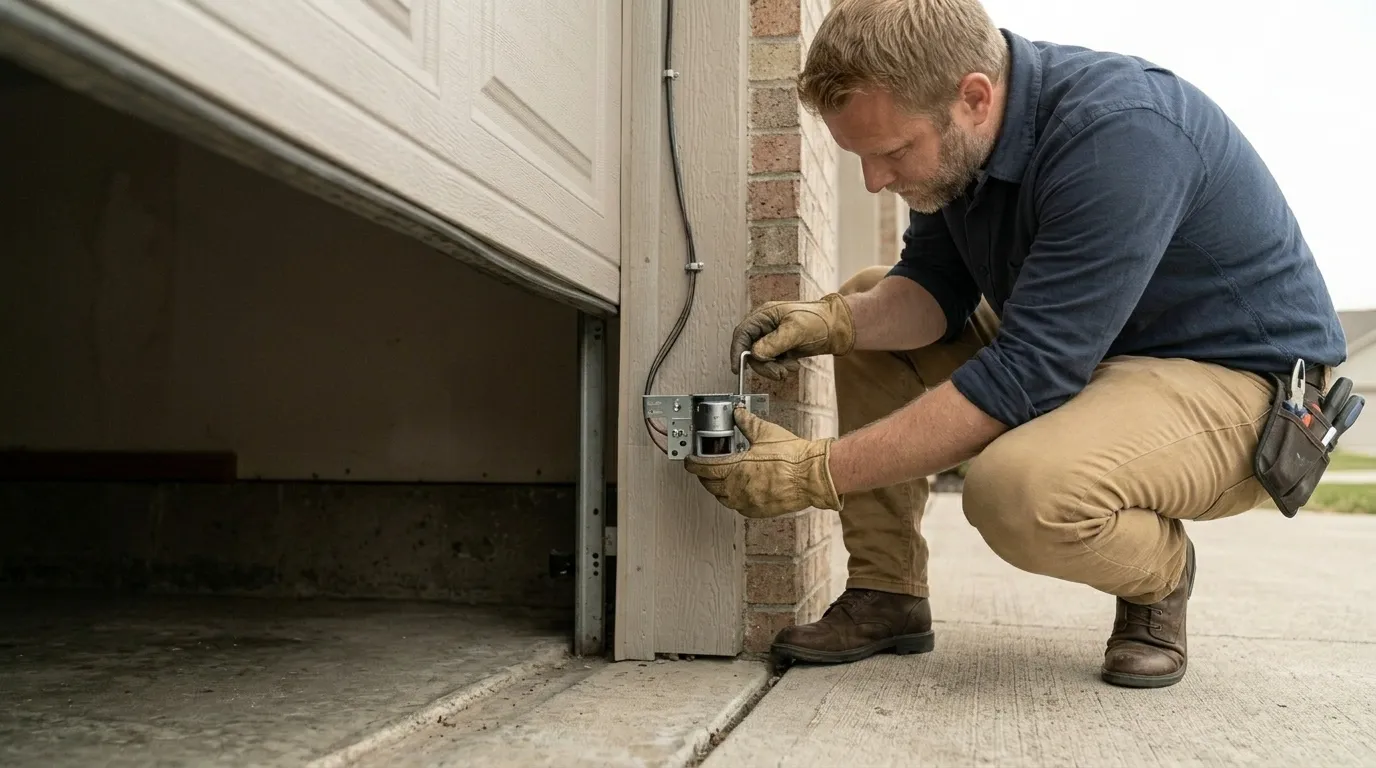
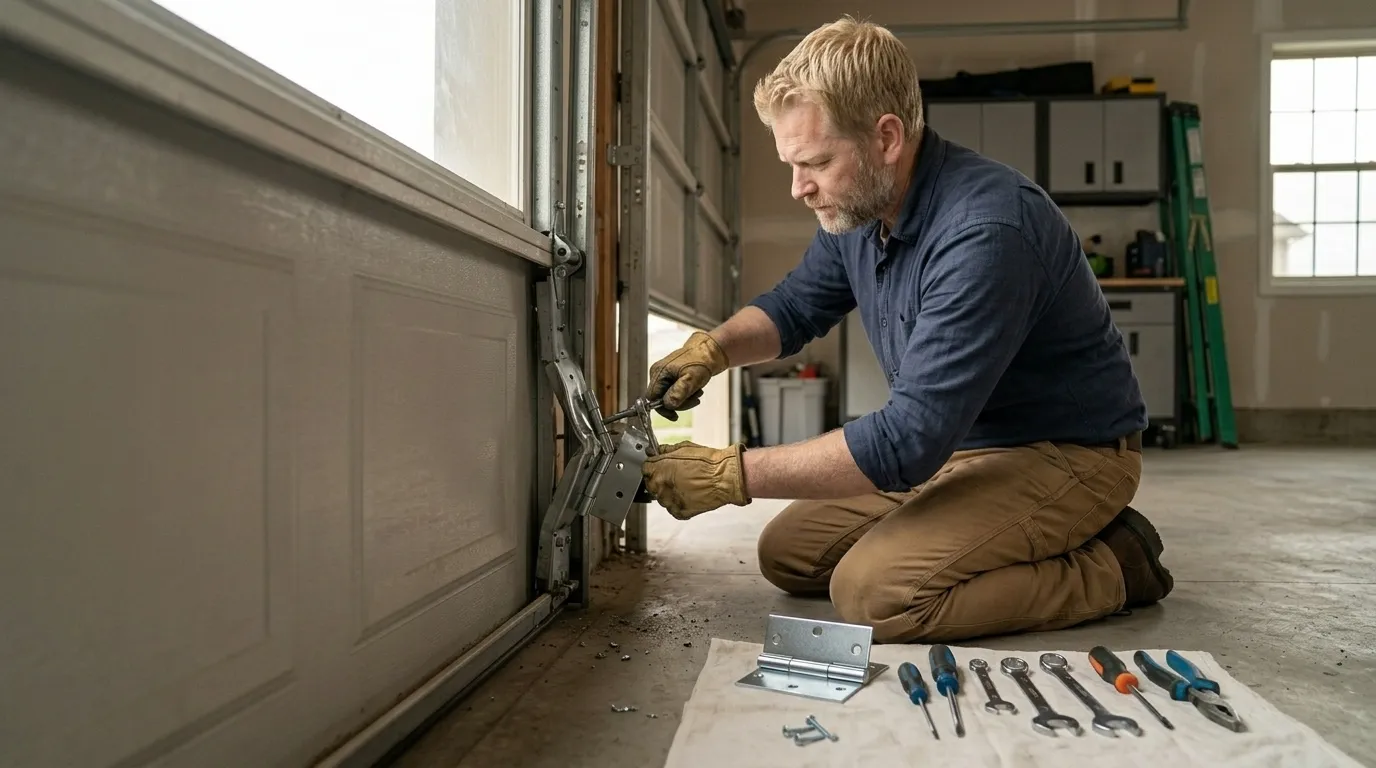
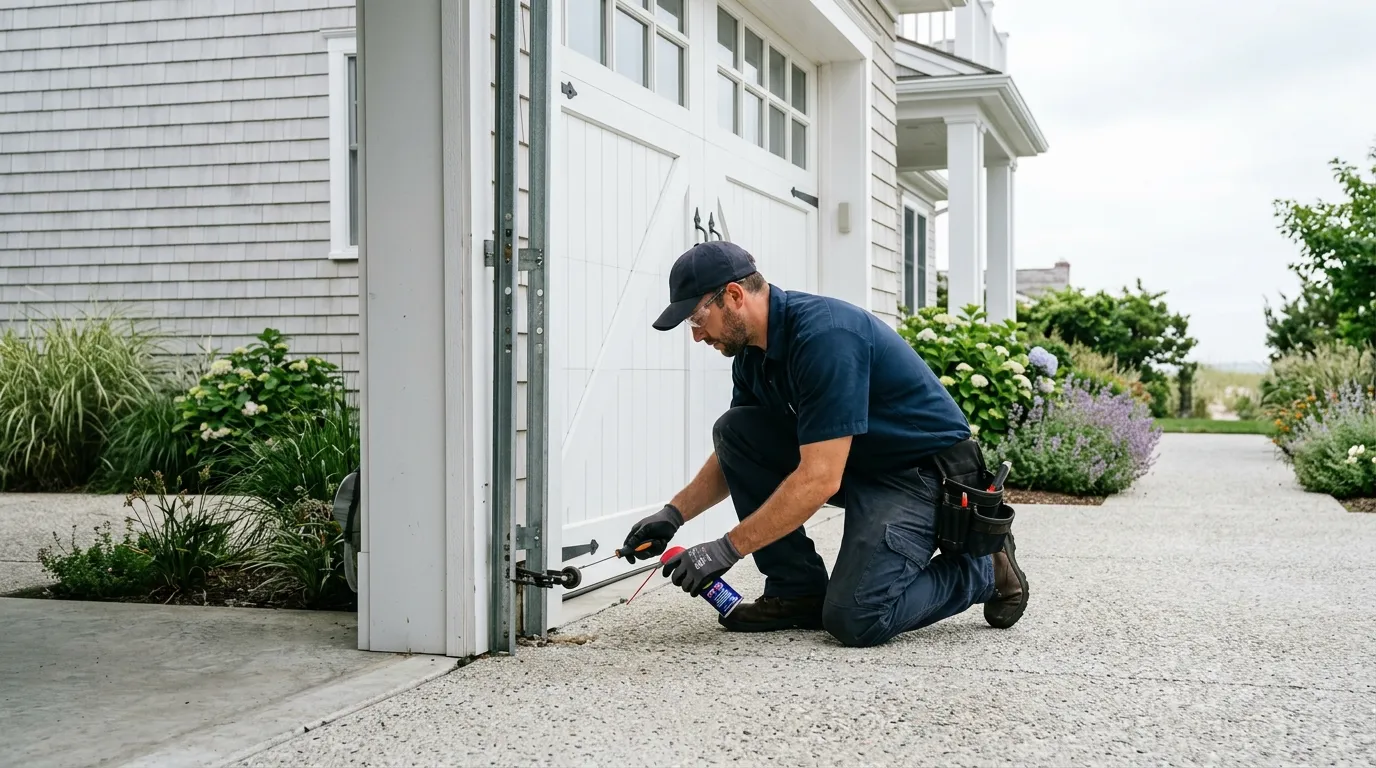
Rollers wear fast on Springfield's 1957-2002 housing stock and cold winters. Springfield Garage Door Pros replace worn rollers on doors across the service area.
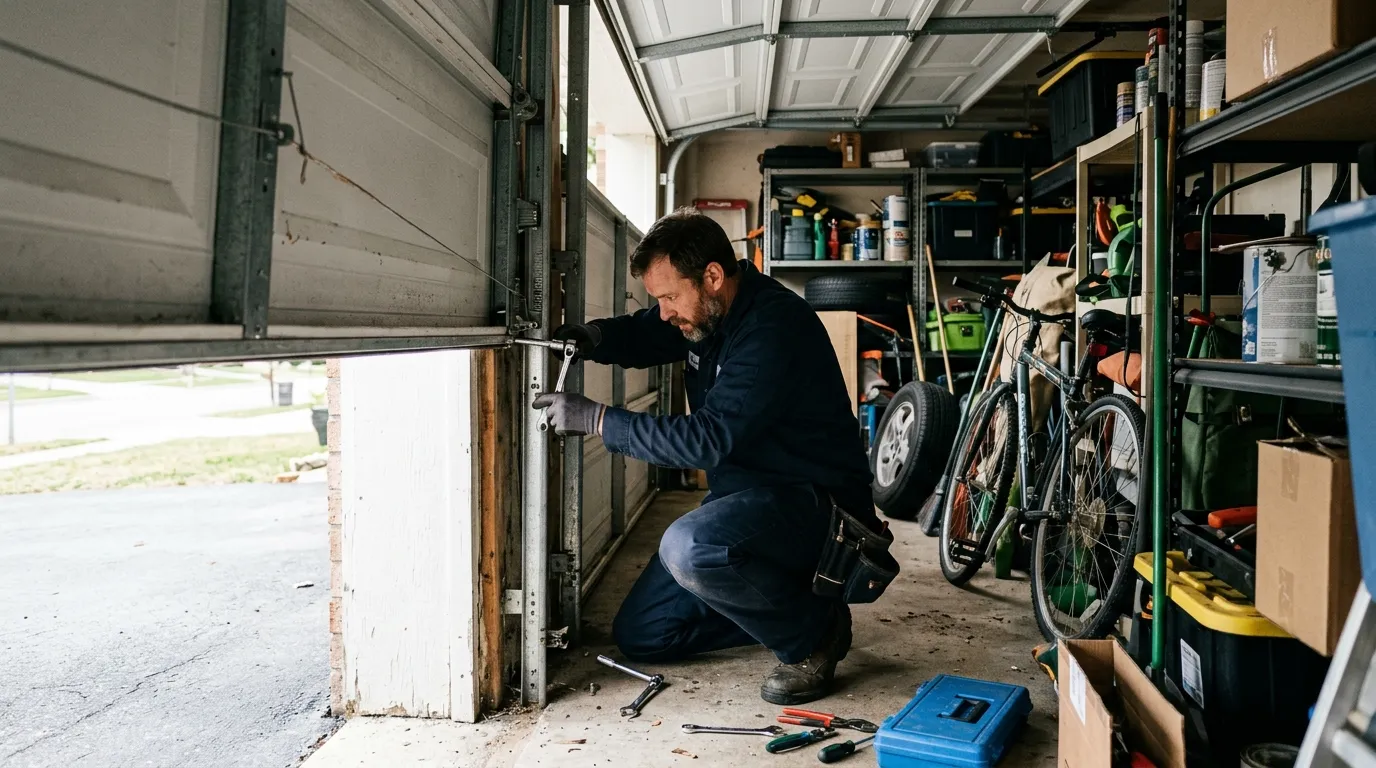
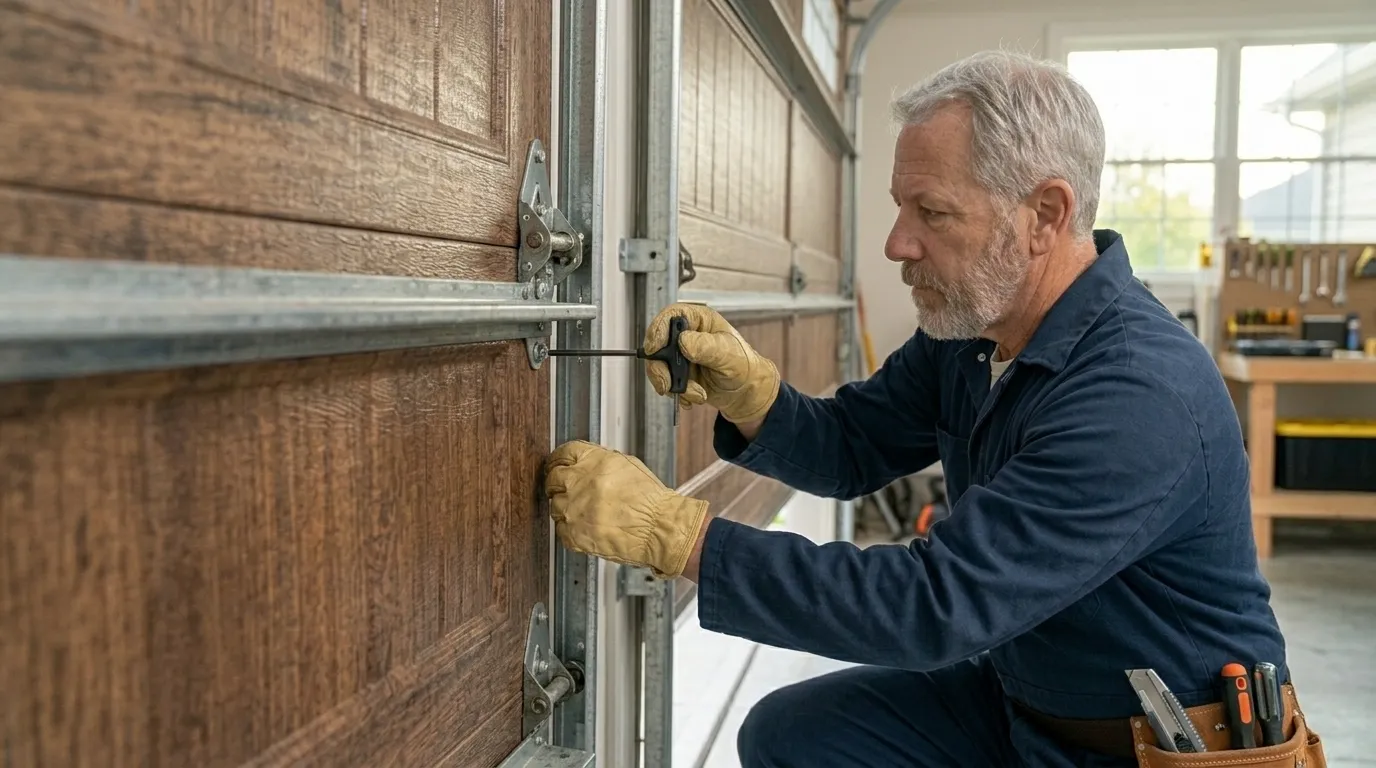
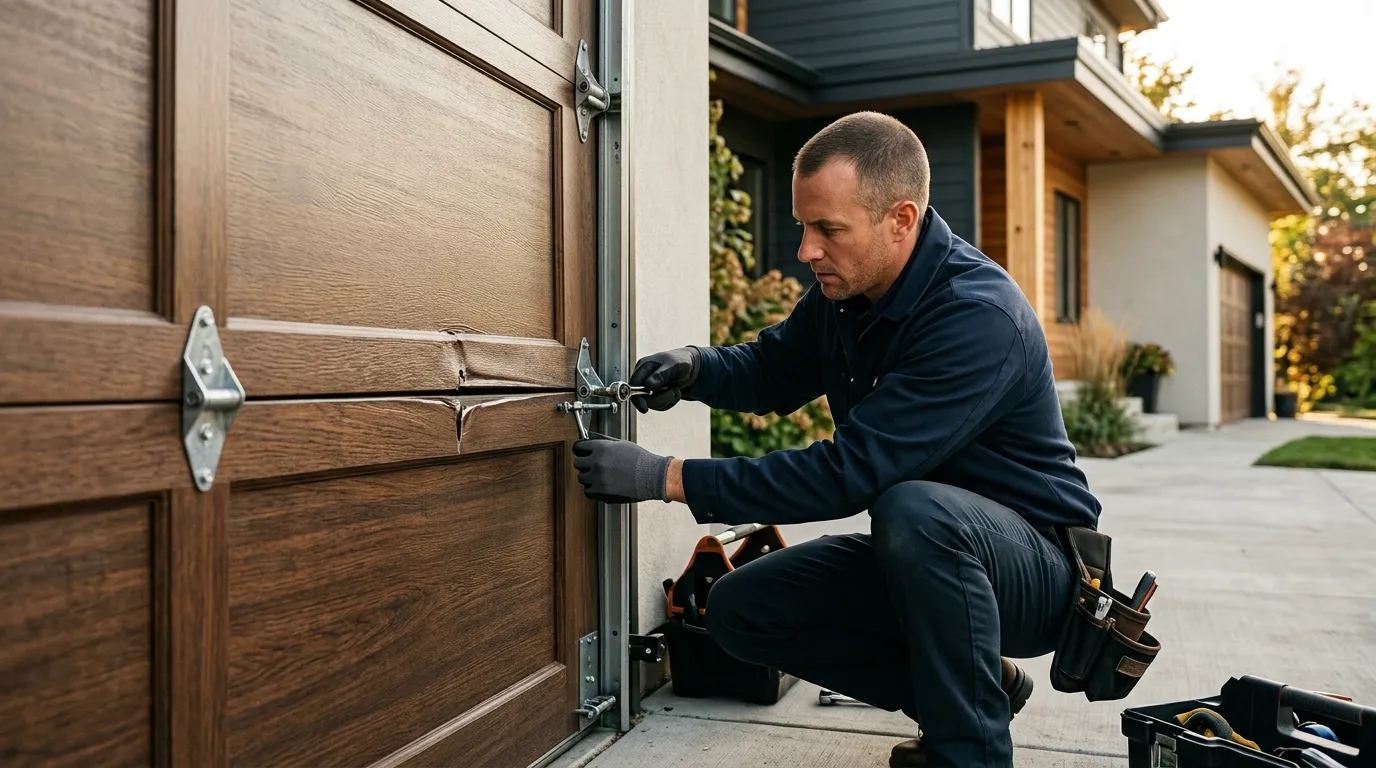
If your door sounds like a shopping cart with a bad wheel every time it opens or closes, that grinding, jerking noise is almost always the rollers, not the opener. You'll notice it worse on the last foot of travel near the bottom bracket, or right as the door clears the header on the way up. Sometimes a panel will hop slightly in the track instead of gliding, especially on cold mornings before anything has had a chance to warm up. Steel rollers with worn or missing bearings bind in the track and force the opener to work harder than it should, which is often the first sign homeowners notice before a track ever bends or a cable frays. Left alone, a bad roller wears a groove into the track wall and turns a $20-a-roller job into a track replacement. If you're only hearing the noise on one side of the door, check whether that side's rollers look flatter or more pitted than the others - uneven wear on one track is common and doesn't mean the whole set needs to go, but it usually does need a look before it takes the track with it.
What Causes It Around Here
Most of the housing stock in the Springfield service area went up between 1957 and 2002, with the bulk of it dating to the 1960s and 70s across the fourteen named communities we work in. Doors and track hardware from that era were built to the standards of their time, which means a lot of original steel rollers running on stamped tracks that were never designed for today's heavier insulated panels. Add a cold, moderate winter climate to that mix and you get metal that contracts, grease that stiffens, and rollers that were already marginal getting pushed past their limit on the first hard freeze. Nylon rollers handle that temperature swing better than the old steel ones, which is part of why swapping roller type, not just roller age, matters here. Homes built closer to the middle of that 1957-2002 range are the ones we see most often for this exact complaint, since 40 to 60 years of daily cycles is about when stock rollers give out even with reasonable maintenance.
Booking a Visit
We work across the Springfield service area, covering roughly 17,190 households and about 11,632 owner-occupied houses in towns and neighborhoods within a 20-mile radius, from out to Petersburg. Call or book online and tell us what you're hearing and where on the door it happens - that's usually enough for us to bring the right rollers on the first trip instead of a return visit. We carry both steel and nylon roller sets on the truck for standard residential doors, so most roller-only jobs are a same-visit fix. If the rollers have already chewed up a track or bent a bracket, we'll tell you that on site before doing any work, not after.
What You Pay
We don't publish a flat price for roller replacement because it depends on how many rollers need replacing, whether you want steel or nylon, and whether the track took damage from the worn rollers before you called. What we can tell you is that a straightforward roller swap, caught before it damages the track, is one of the cheaper repairs we do - and it's a repair, not a full door replacement, in the vast majority of cases we see. One honest limitation: if a roller has already been grinding long enough to bend the track or pull a bracket loose, that adds labor and parts beyond just the rollers, and we'll quote that separately once we've seen it in person. We'll give you a firm number before we start, not an estimate that changes after the fact.
How it works
From “it’s stuck” to “it’s fixed”
01
Tell us what’s wrong
Describe the symptom - won’t open, loud bang, opener runs but the door won’t move.
02
On-site diagnosis
A technician tests the door under power and by hand and finds what actually failed.
03
Clear, up-front plan
You get the fix that’s needed and what drives the cost - before any work starts.
04
Repaired & tested
The repair is done, the door is set true and tested, and the work area left clean.
Serving Springfield, IL - tell us what your door’s doing and we’ll take it from there.
How do I know it's the rollers and not the opener?
Pull the release and move the door by hand. If it's still noisy or catches in the track without the opener running, the rollers or track are the problem, not the motor. Opener noise usually shows up as grinding from the unit itself, not from the track along the door's path.
Should I replace all the rollers or just the worn ones?
If some rollers are original steel from the 1960s-70s stock common in this area and others were replaced more recently, we'll usually only swap the worn ones. But if the whole set is original and one has failed, the rest are close behind, so replacing all of them at once often saves a second visit.
Do nylon rollers really make a difference in winter?
Yes. In a cold, moderate climate like ours, steel rollers stiffen and bind more than nylon ones, especially first thing in the morning. Nylon rollers also run quieter year-round and hold up better against the temperature swings this area gets.
Ready to get your garage door sorted?
Tell us what it’s doing and where you are in Springfield - we’ll take it from there.