Booking a Visit
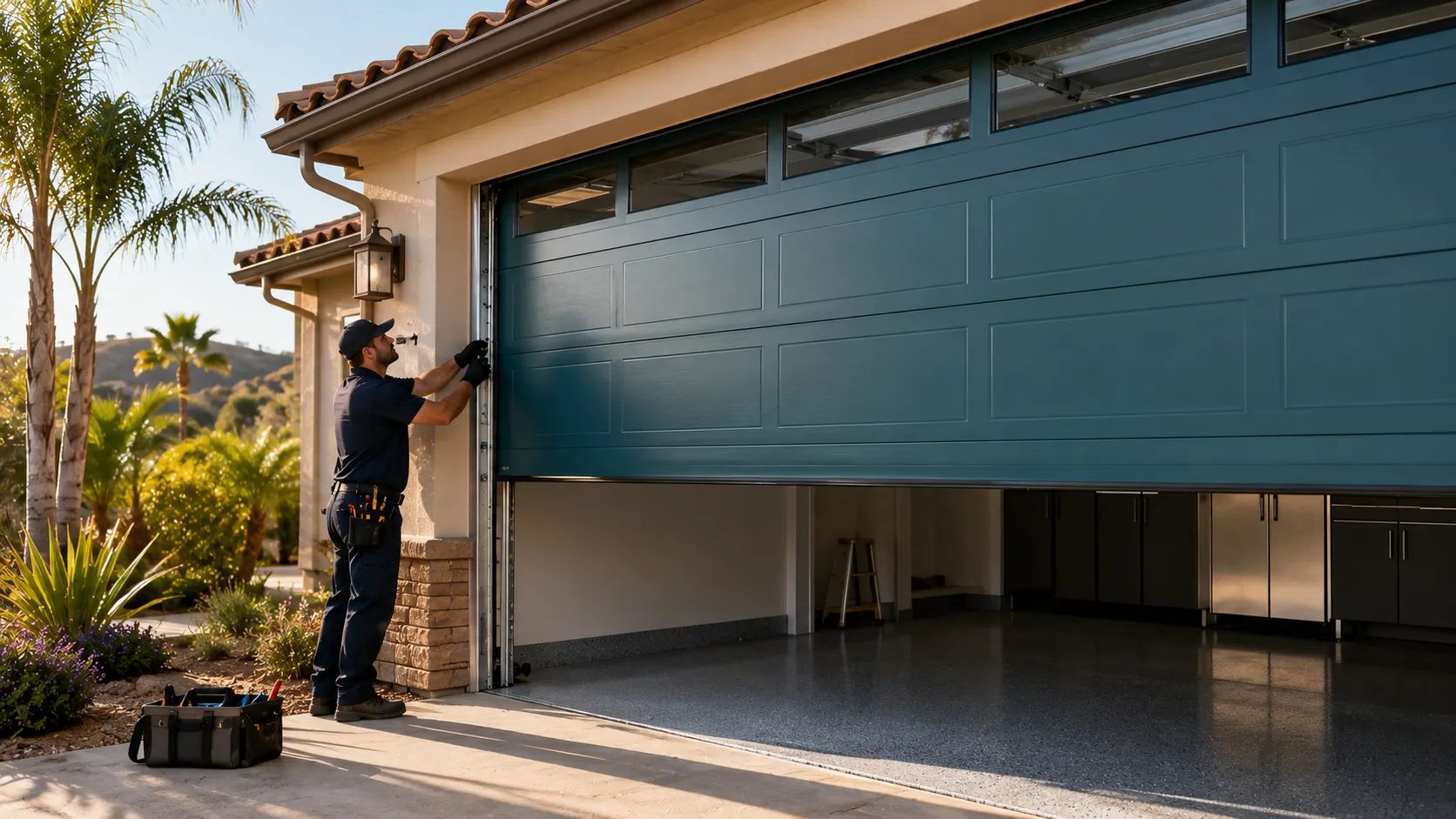
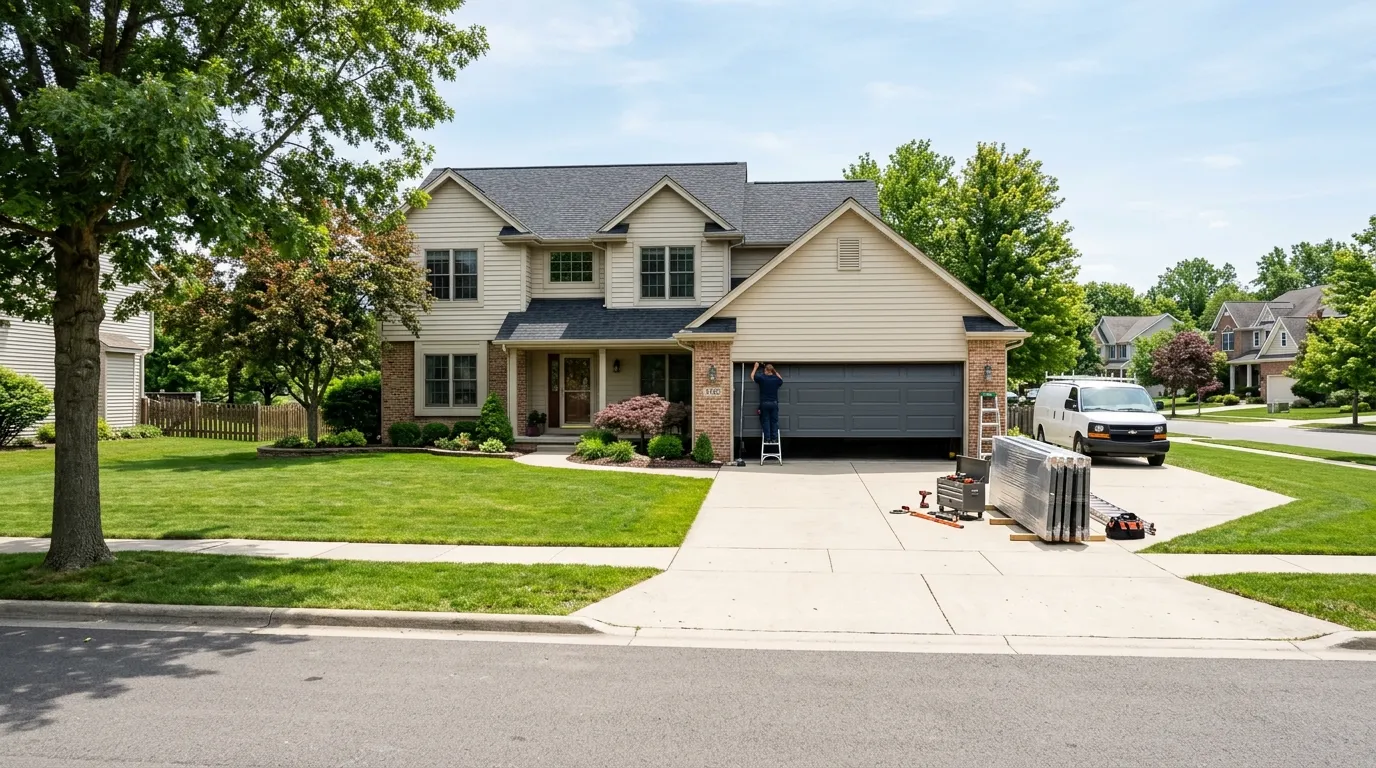
We don't run a branch in Sherman. The crew and the truck come out of Springfield, about 7 miles away, so a call here goes on the same schedule as the rest of the service area - there's no separate Sherman queue and no local depot to route through. We're upfront about that because a company claiming a storefront on every suburb page usually doesn't have one.
What we do have is a good read on what's likely wrong before we get there. A newer subdivision like this one tends to have matched garage doors installed in batches by the original builder, so if one house on a street has a failed spring or a stripped opener gear, the neighbors with the same build year are often not far behind. Tell us the rough age of the house and the door when you call - it narrows down the likely fault before the truck leaves Springfield.
What Can Go Wrong
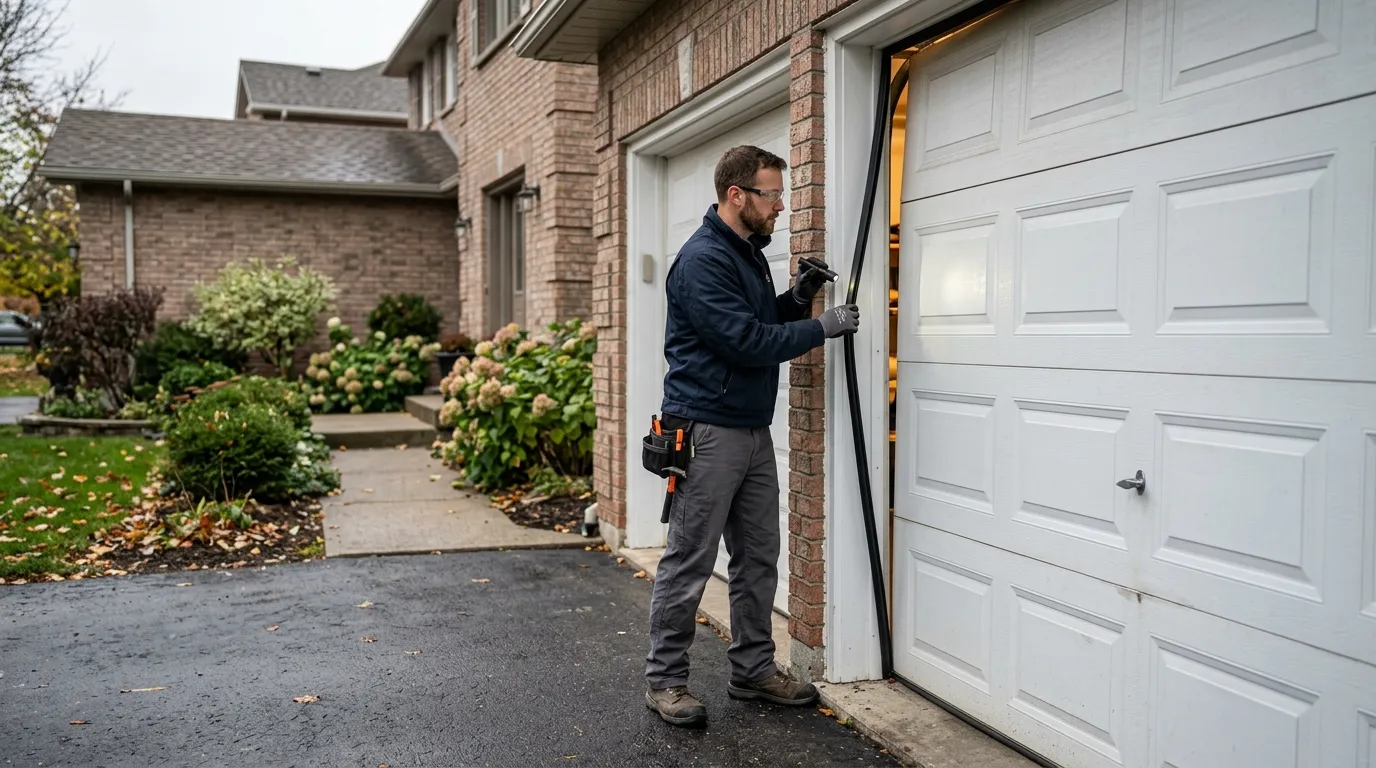
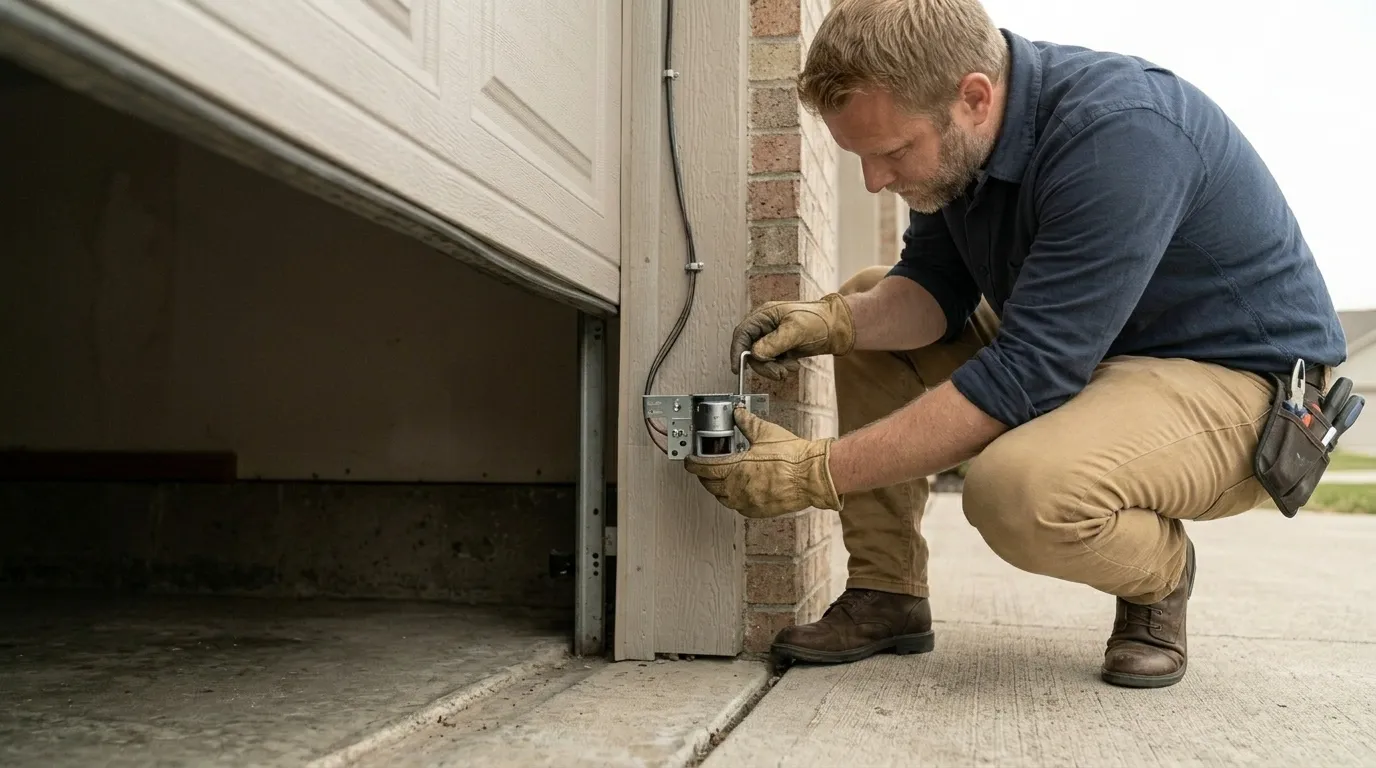
With most doors here going in during or after the early 2000s, the common calls skew toward factory opener electronics rather than the manual, unsprung doors you'd find on 1970s-era houses. A circuit board that's twenty years old is a common failure - it doesn't announce itself gradually, it just stops responding one day. Photo-eye safety sensors on these doors are original equipment too, and a knock to the bracket during a move or a lawn project is enough to throw off the alignment and make the door refuse to close.
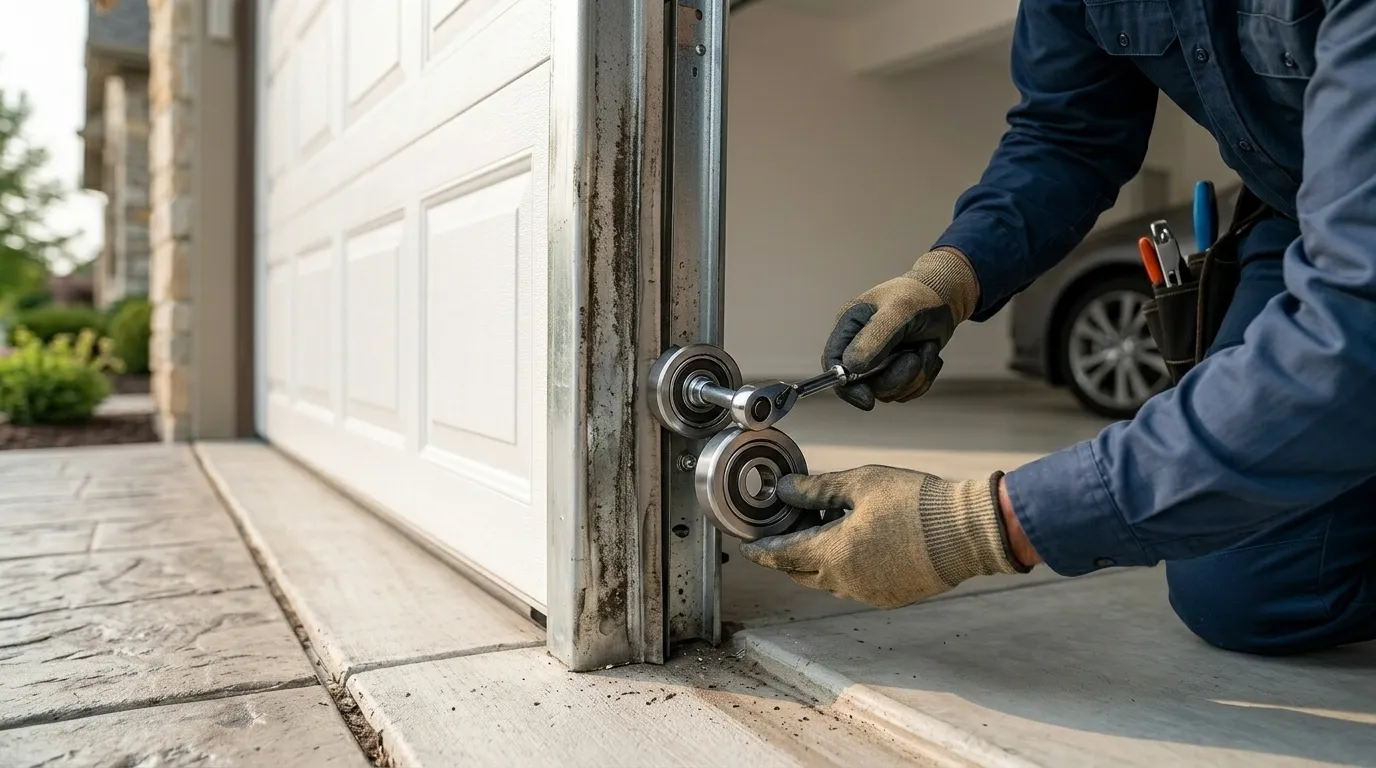
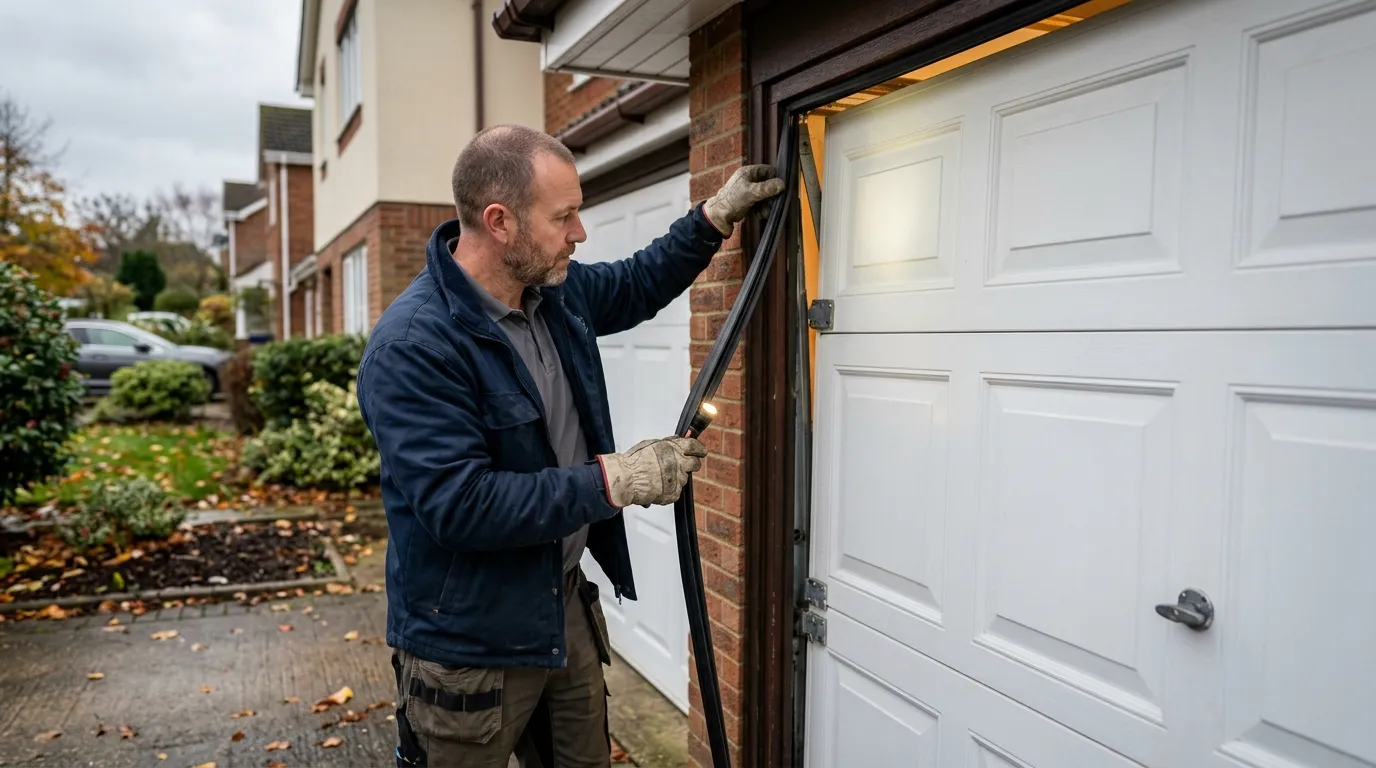
Torsion springs on doors from this era were sized to the door and opener installed, not retrofitted, so when one snaps it snaps clean rather than limping along like an undersized spring might. Cables and rollers wear on the same schedule as the rest of the door - nothing about a newer build makes those parts immortal, it just means they're all aging together instead of showing decades of prior patchwork repairs.
What the Fix Involves
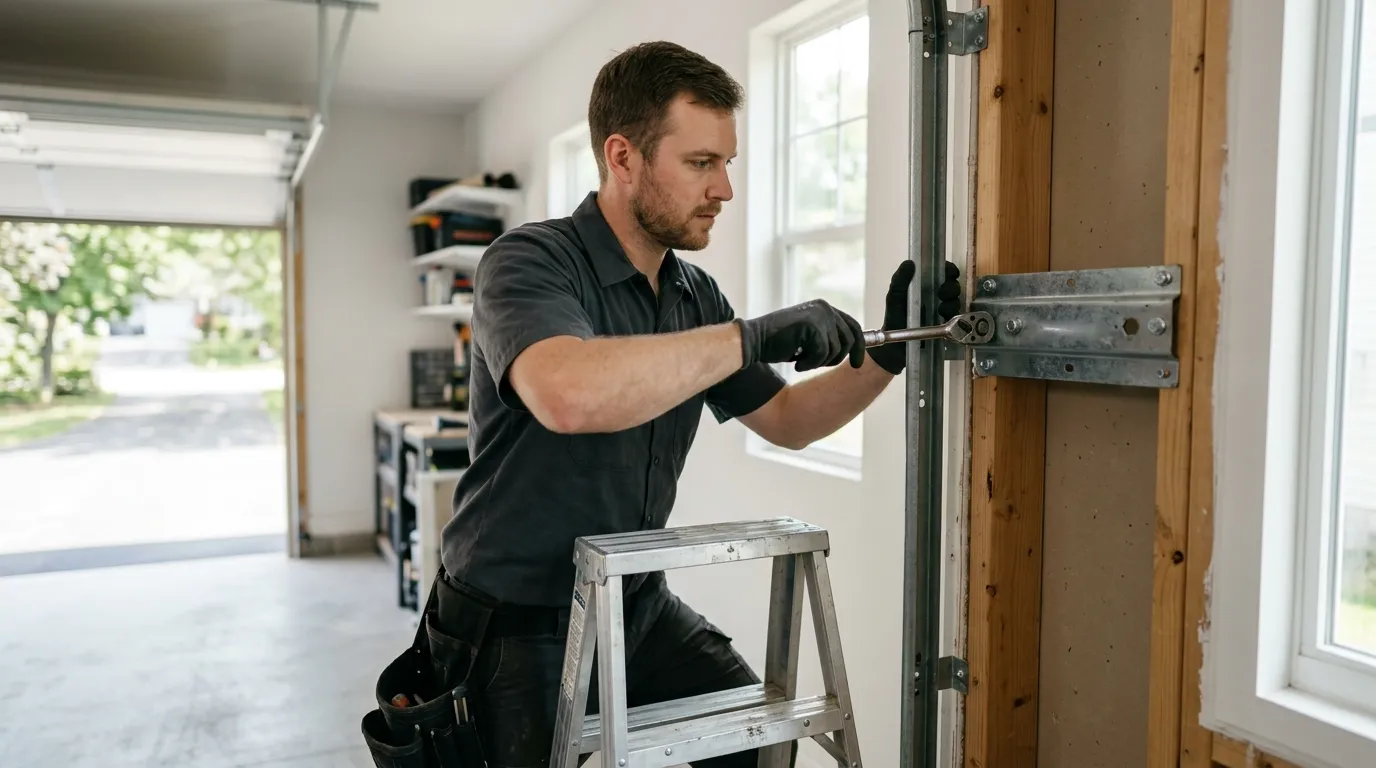
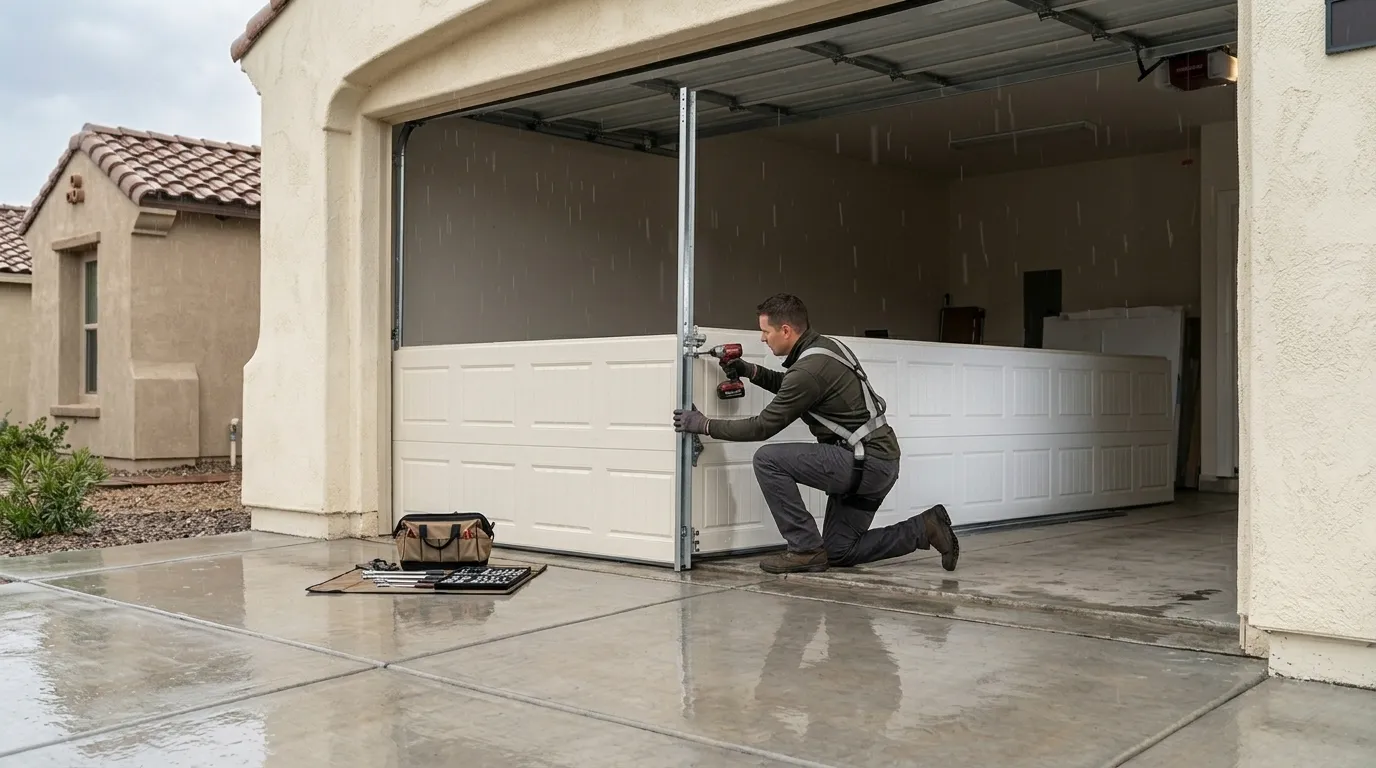
For a broken torsion spring, the job is the same regardless of neighborhood: the door gets secured, the old spring or pair comes off the shaft, and a correctly sized replacement goes on and gets wound to the door's actual weight - guessing at spring size on a heavier insulated door is how a second call gets scheduled a month later.
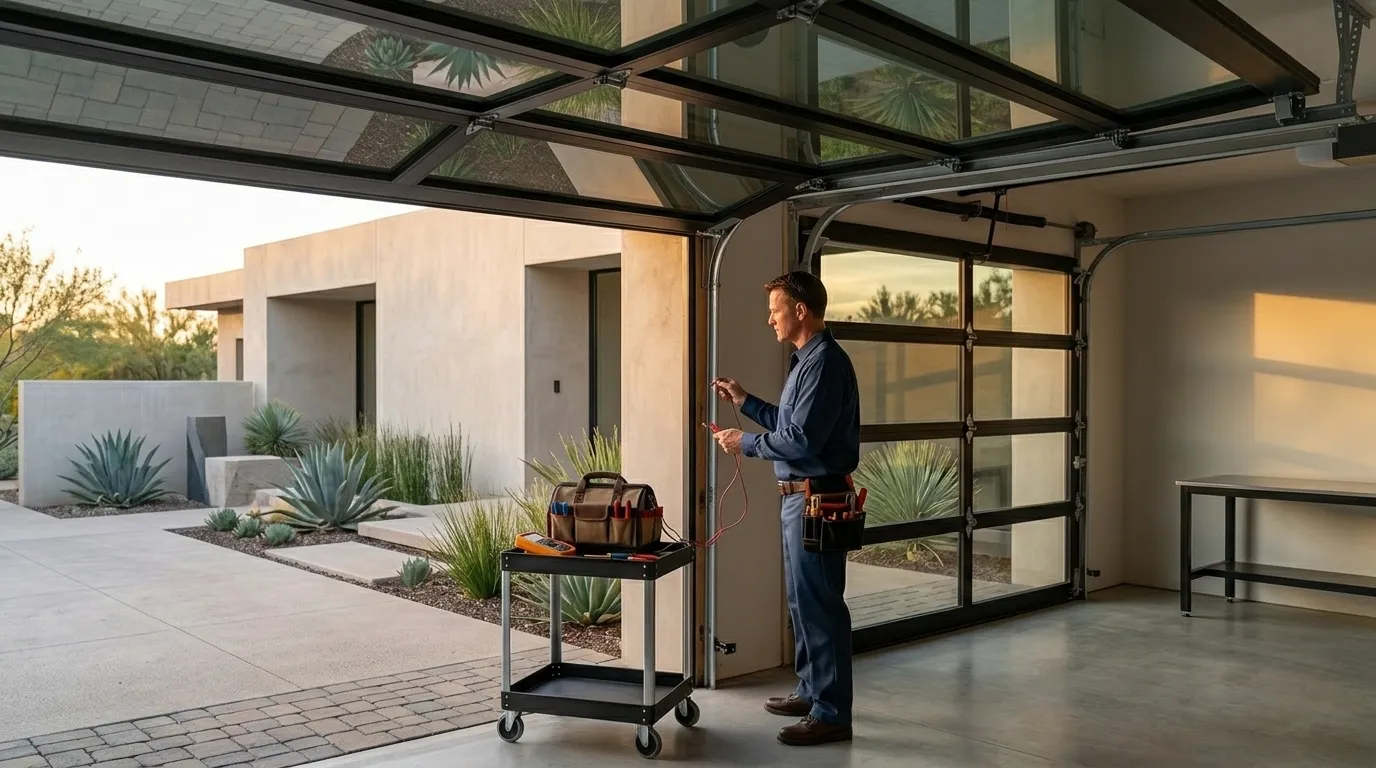
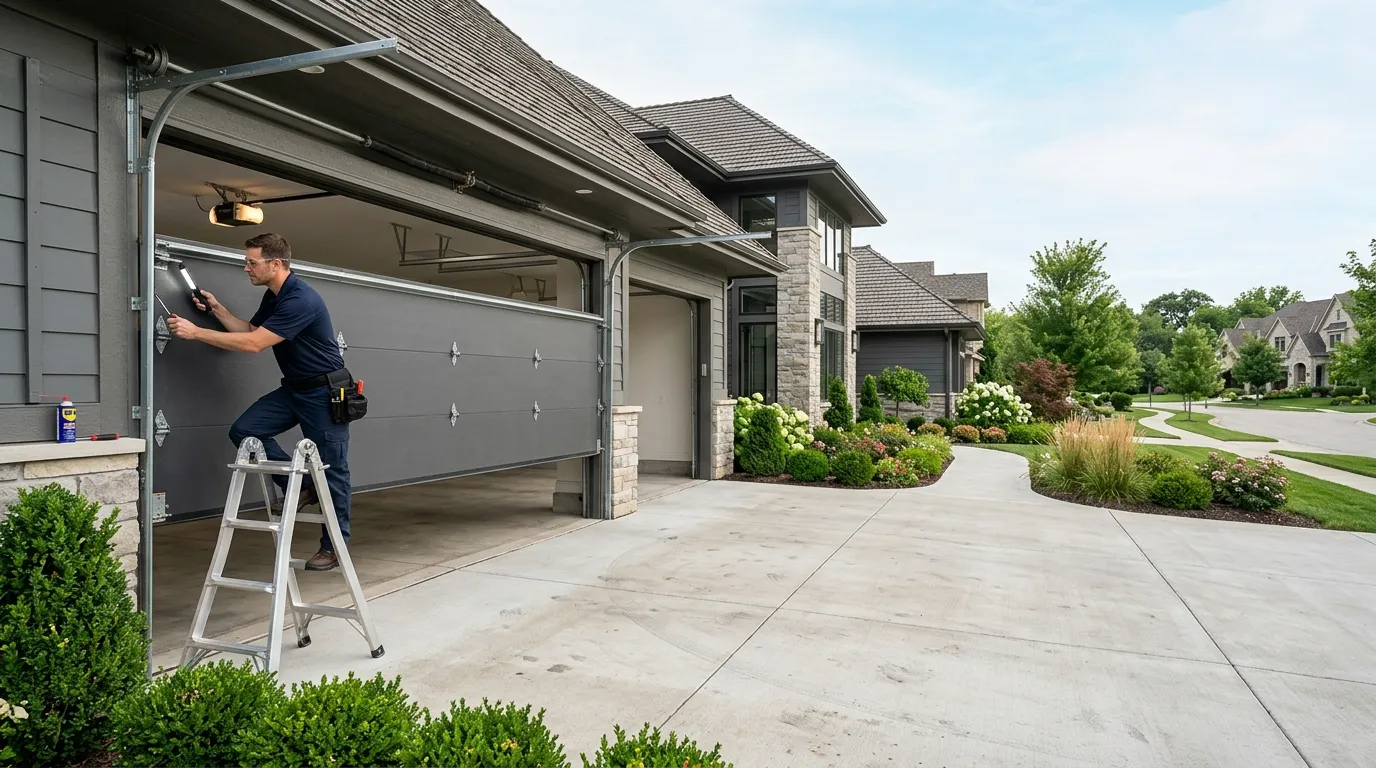
For opener issues, we start at the sensors, since a misaligned photo-eye is the most common reason a newer door won't close and it's a five-minute fix once we're on site. If the sensors check out, we move to the board and the logic controls. On a house with a build year in the early 2000s, that board is original equipment, and replacement parts for it are limited, which is part of why we discuss full opener replacement rather than a patch when that's the failure. Every job ends with a manual balance check on the door itself, since a spring or cable fix means nothing if the door doesn't hang and travel correctly afterward.