Booking a Visit
We run out of Springfield, about 7 miles from Sherman, so a maintenance visit here is a normal stop on the route, not a special trip. There's no local branch or depot to promise - we're upfront about that. What we can tell you is that a door built around the Sherman median age is usually a straightforward job: check spring tension, lubricate track and hinges, tighten hardware that's worked loose, and test the auto-reverse safety on the opener. None of that requires special parts sourcing the way an older one-piece door sometimes does.
If you're booking for a newer subdivision home, it helps to know the door's age and whether it's the original opener - that's usually enough for us to bring the right lubricant and hardware on the first trip instead of a second visit.
What Can Go Wrong
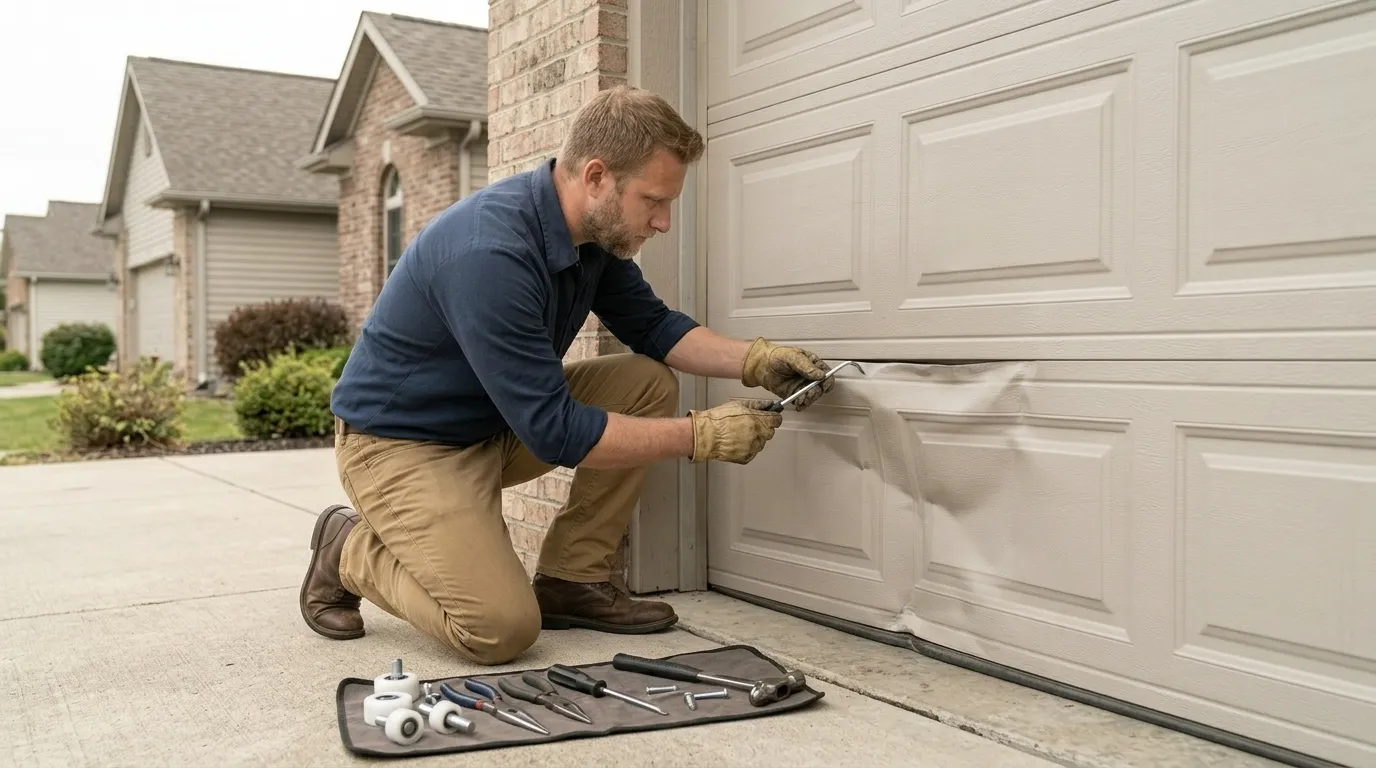
On a door from this era, the common failures are wear-related rather than design-related. Torsion springs rated for standard door weights still fatigue with cycle count, and a door that's opened twice a day for two decades is well into that spring's working life. Rollers - especially the plastic ones some builders used around 2002 - crack and start rattling before they fail outright. Weatherstripping at the bottom panel dries and splits in cold weather, letting in drafts even though the panel itself is sound.
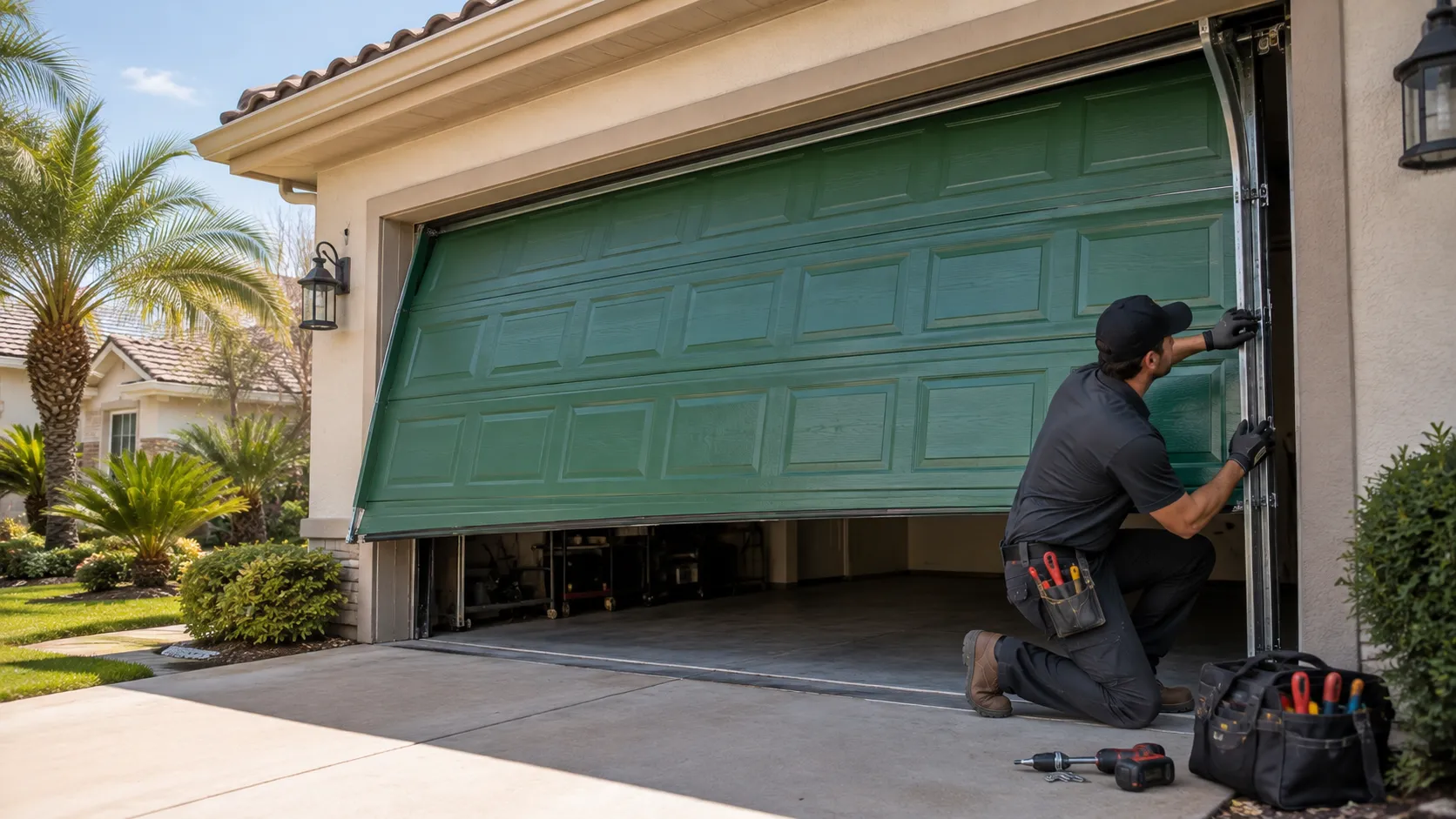
What we don't see much of here is the structural rot or track misalignment you get on much older doors where the frame itself has shifted. The one honest limitation: if a spring has already snapped, that's a repair call, not a maintenance visit - maintenance is what keeps you from getting that call in the first place.
What the Fix Involves
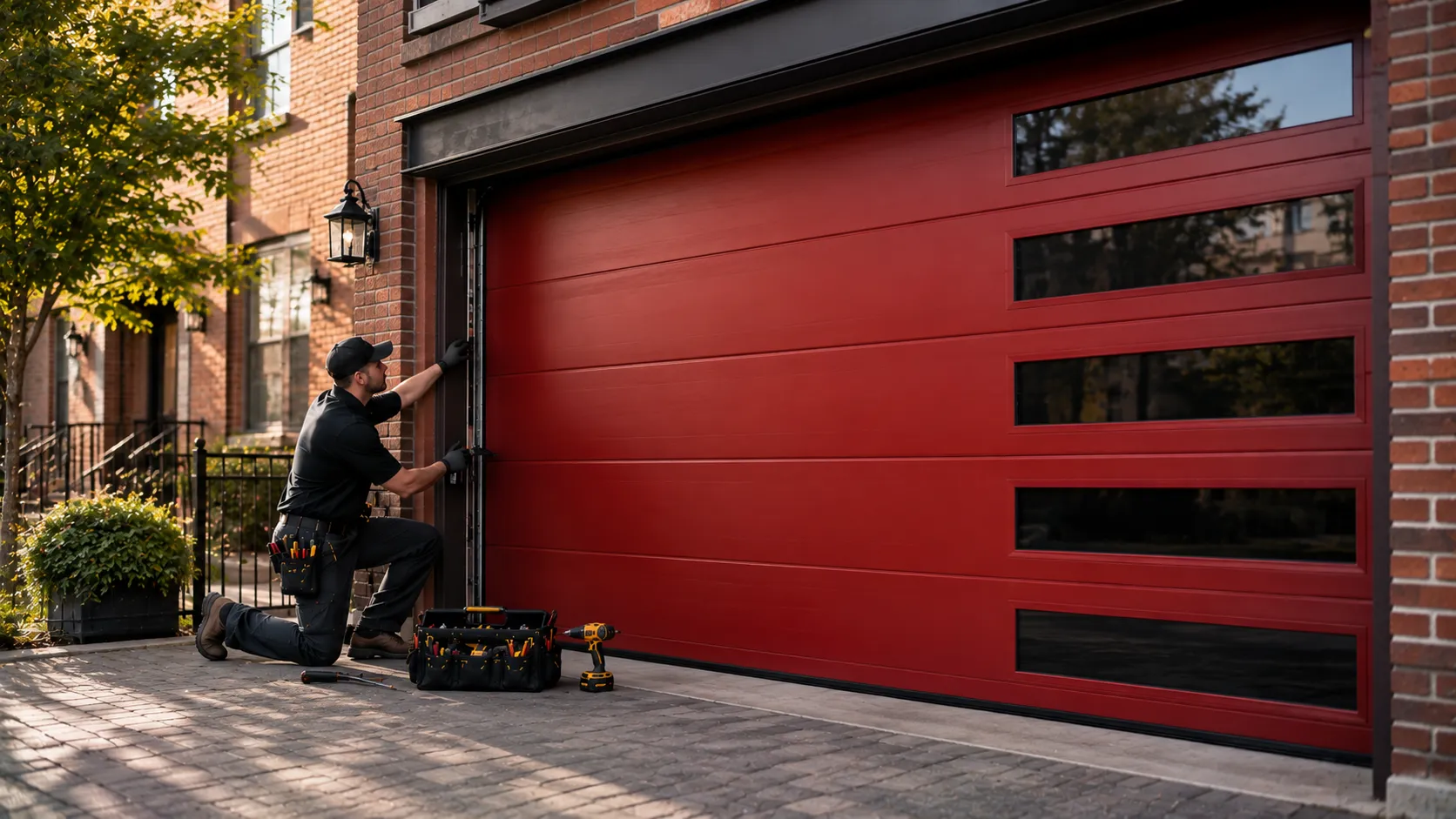
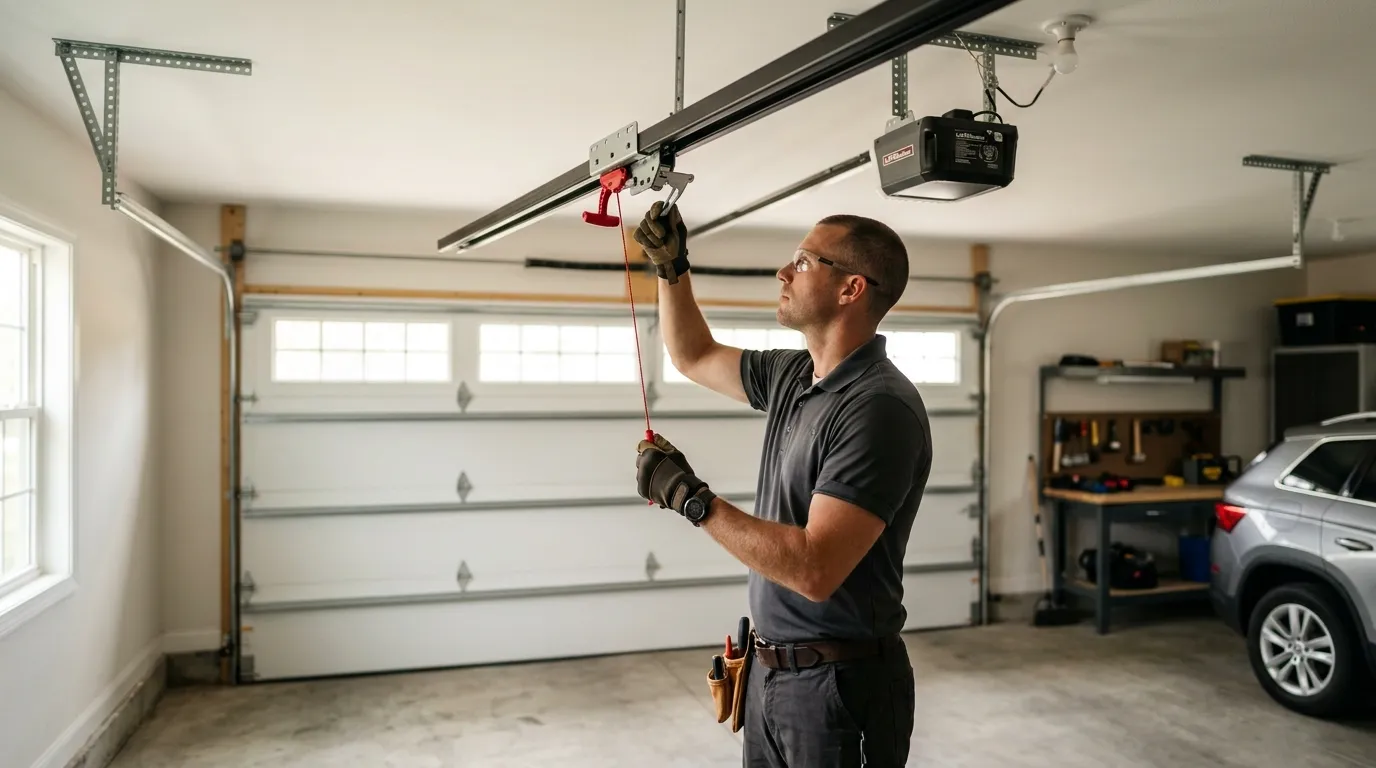
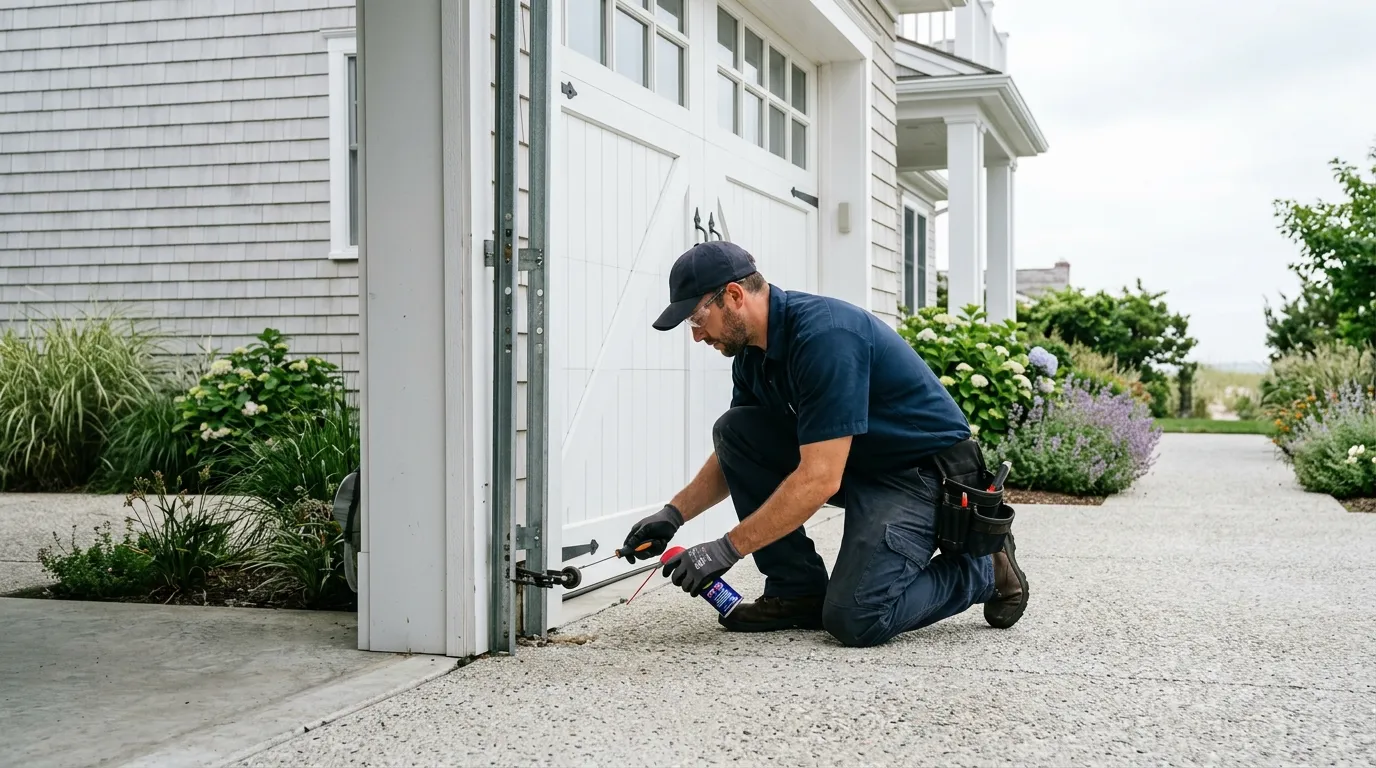
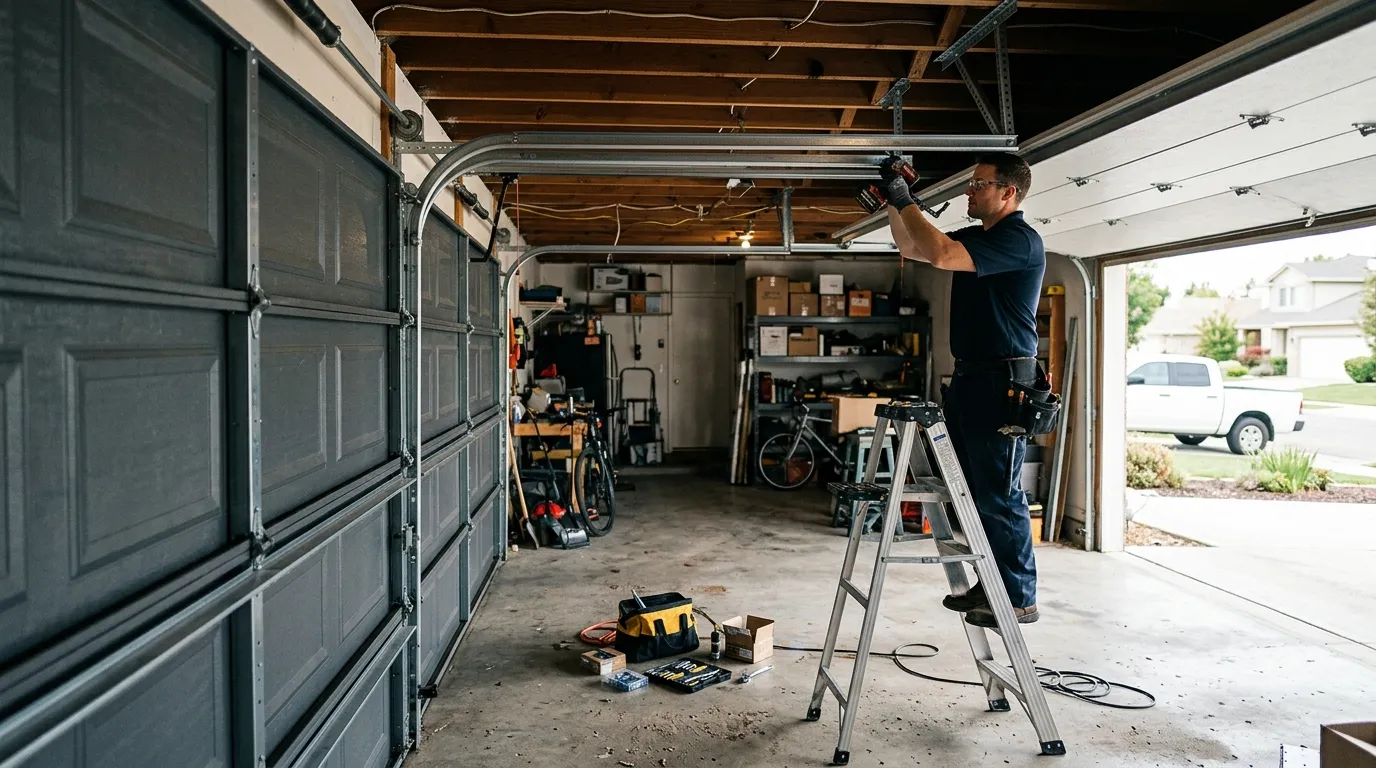
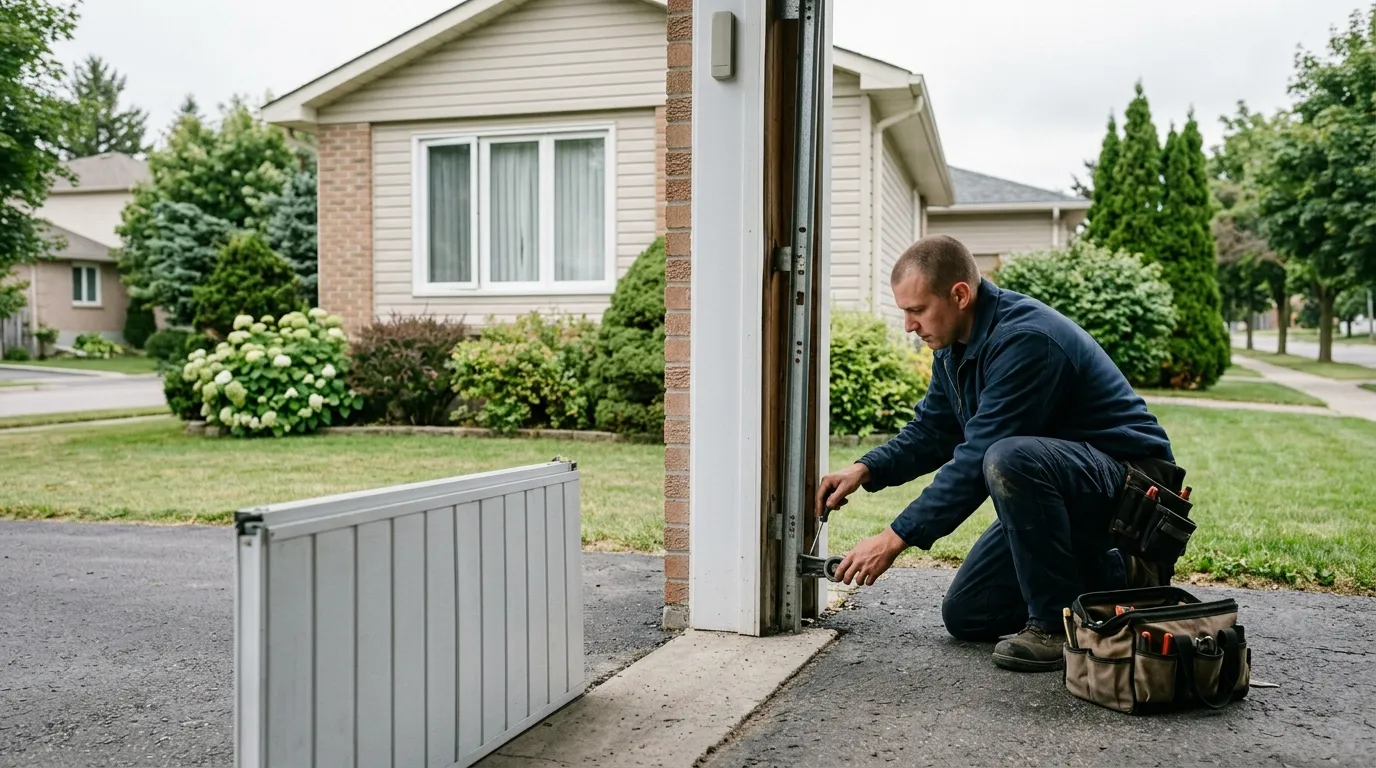
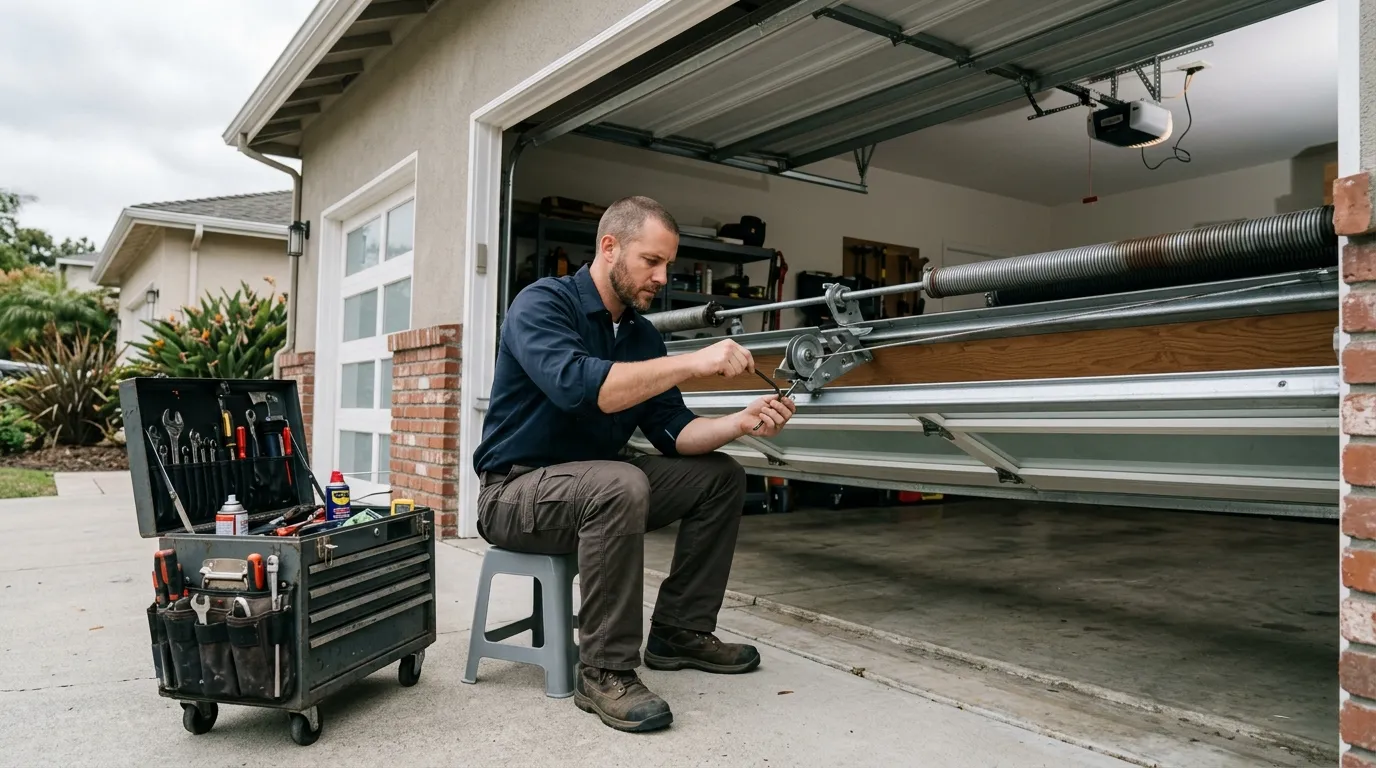
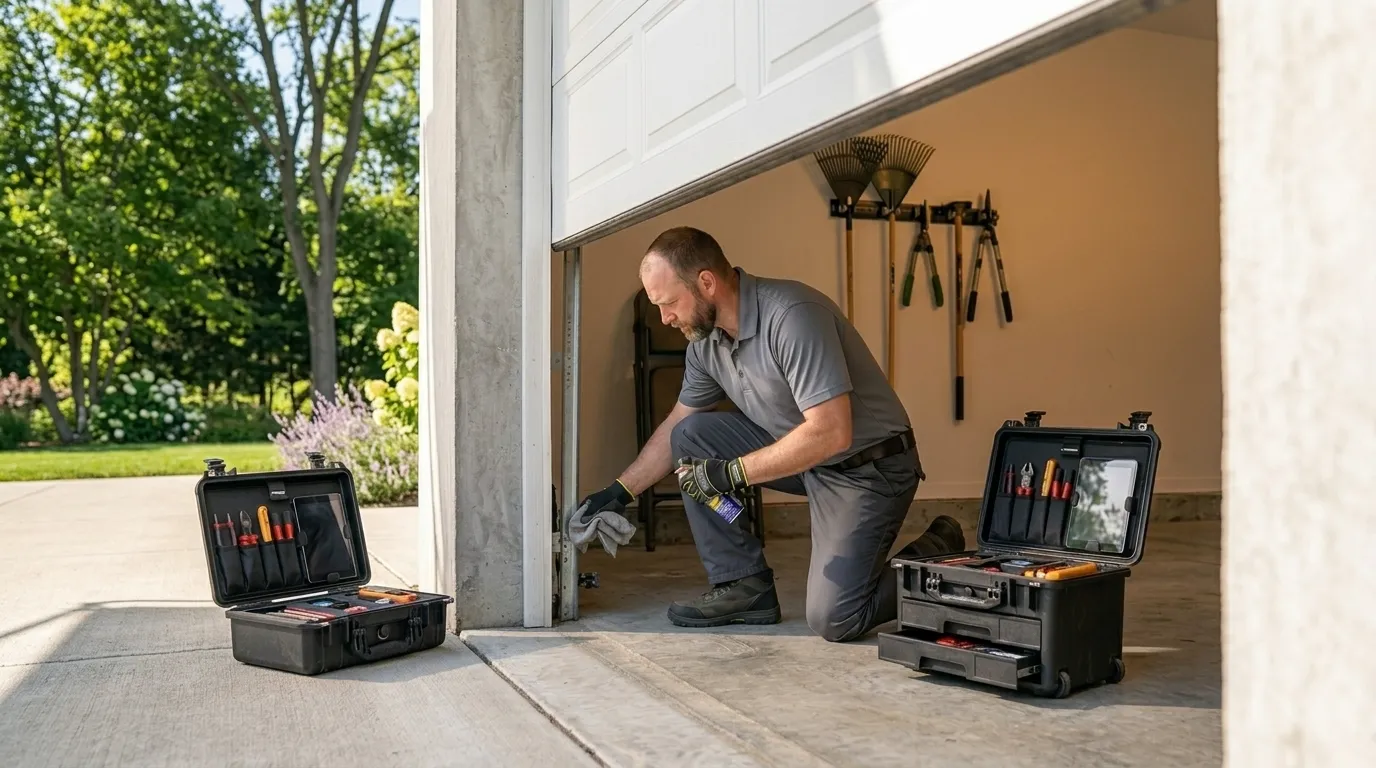
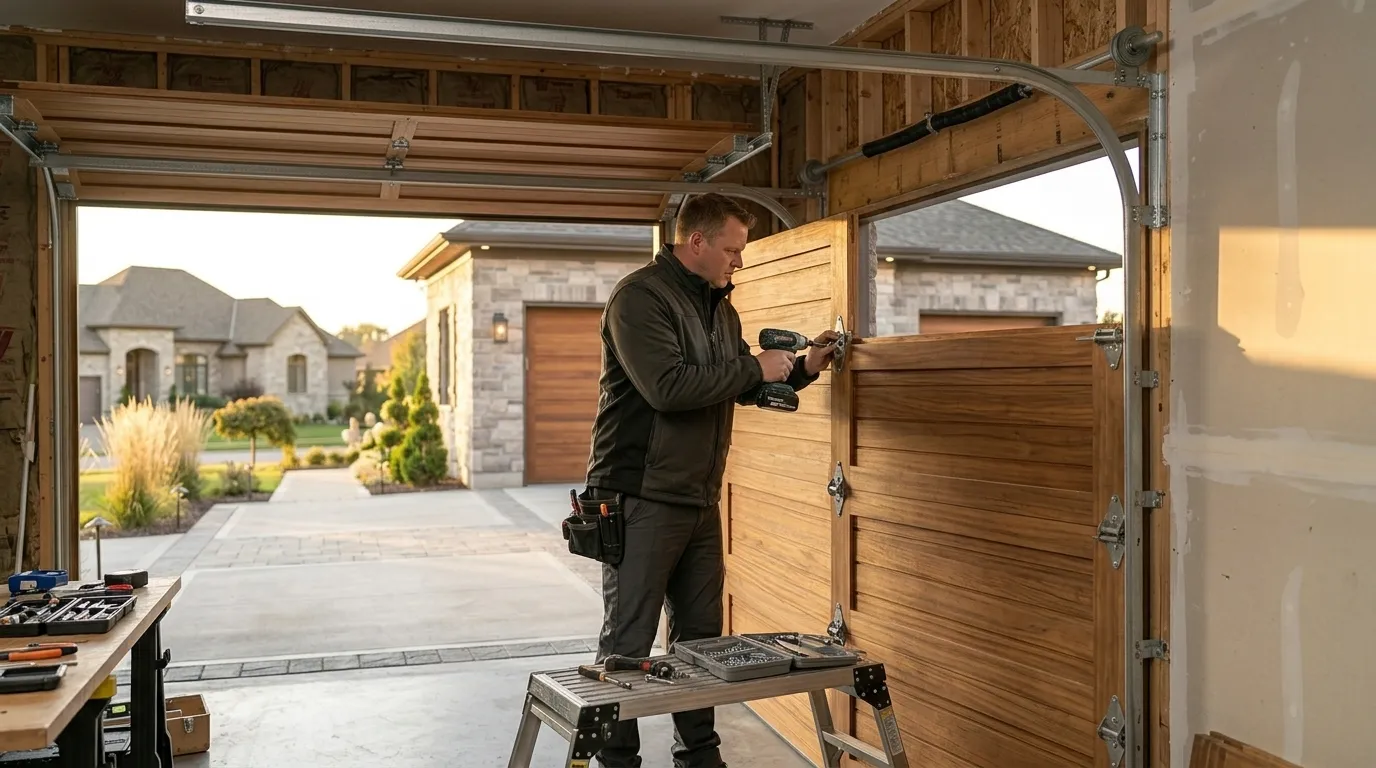
A standard maintenance visit on a door this age starts with a visual check of the springs, cables, and track alignment, then moves to lubrication of rollers, hinges, and the torsion shaft. We test the opener's force settings and auto-reverse, since a door built around 2002 is old enough now that the original opener's safety sensors are worth checking rather than assuming. We also check the bottom seal and weatherstripping, which is usually the first thing to fail in a moderate-cold climate like this one even on a door that's otherwise in good shape.
We tighten what's loose and flag what's wearing but not yet broken, so you know what's coming rather than getting surprised by it. For more on what full maintenance covers across the wider area, see the Springfield maintenance page.