What Causes It Around Here
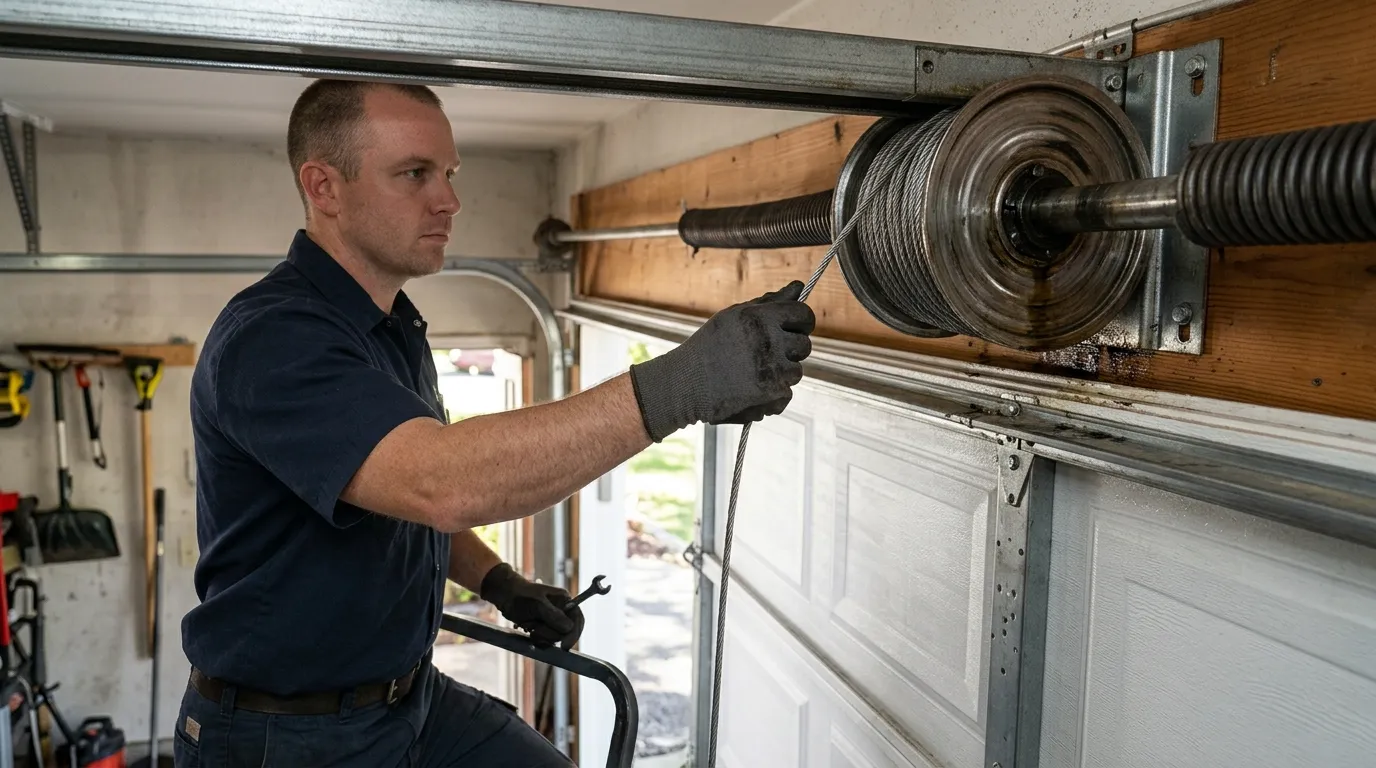
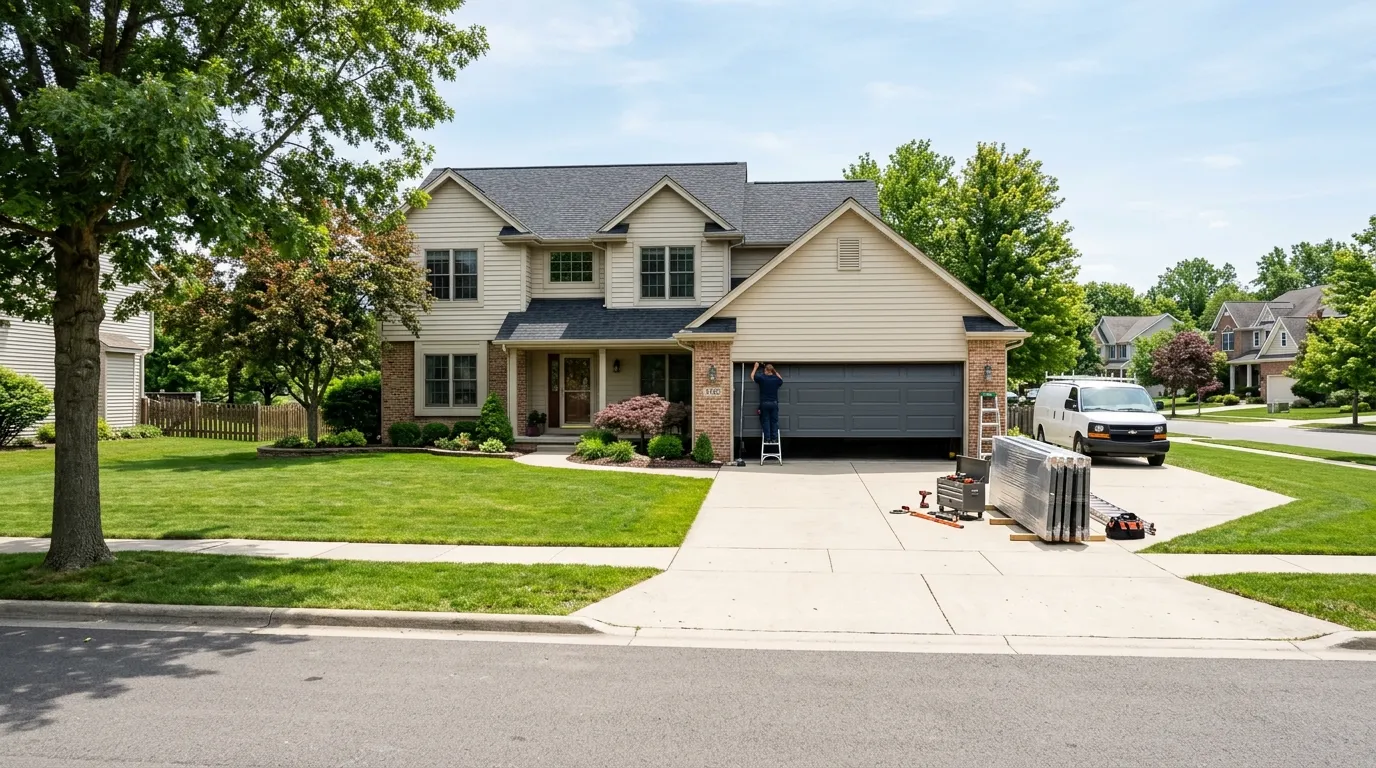
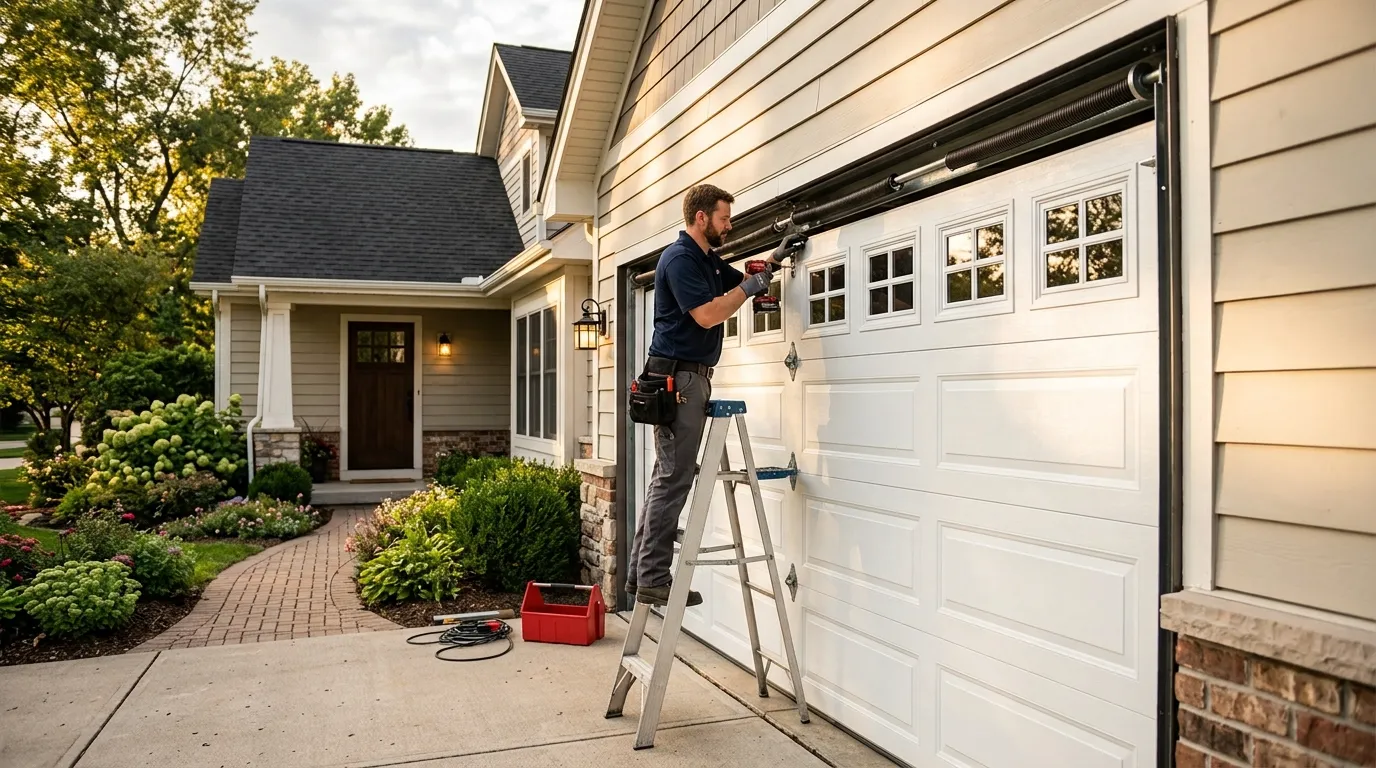
Athens didn't build out at the same time as the rest of the service area - the wider region runs from 1957 to 2002 with a median around 1973, but Athens itself centers closer to 1982, a full decade newer. That gap matters for one reason: torsion springs and track hardware sized for the lighter doors sold in the early '80s don't hold up the heavier insulated steel panels homeowners want to add now, and a lot of the original openers on chain drives are still the ones straining against them.
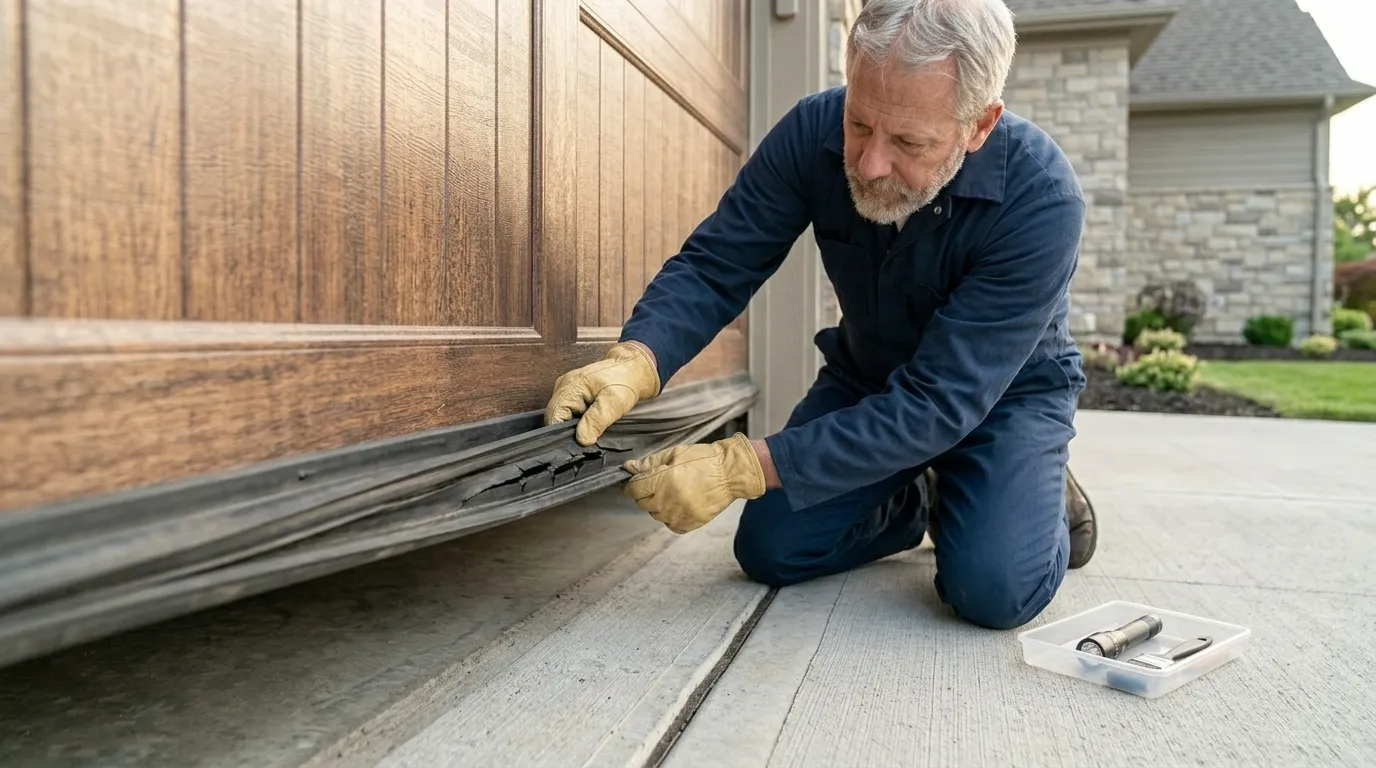
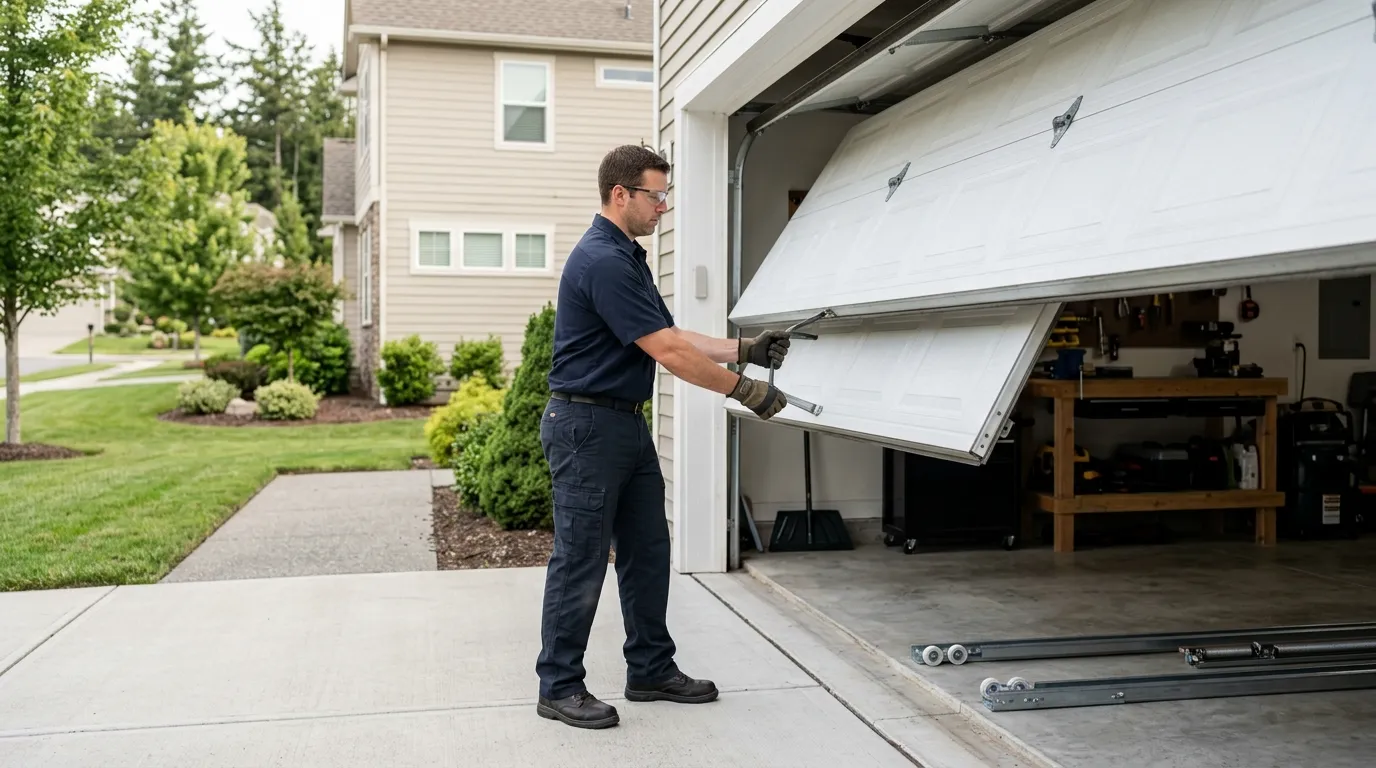
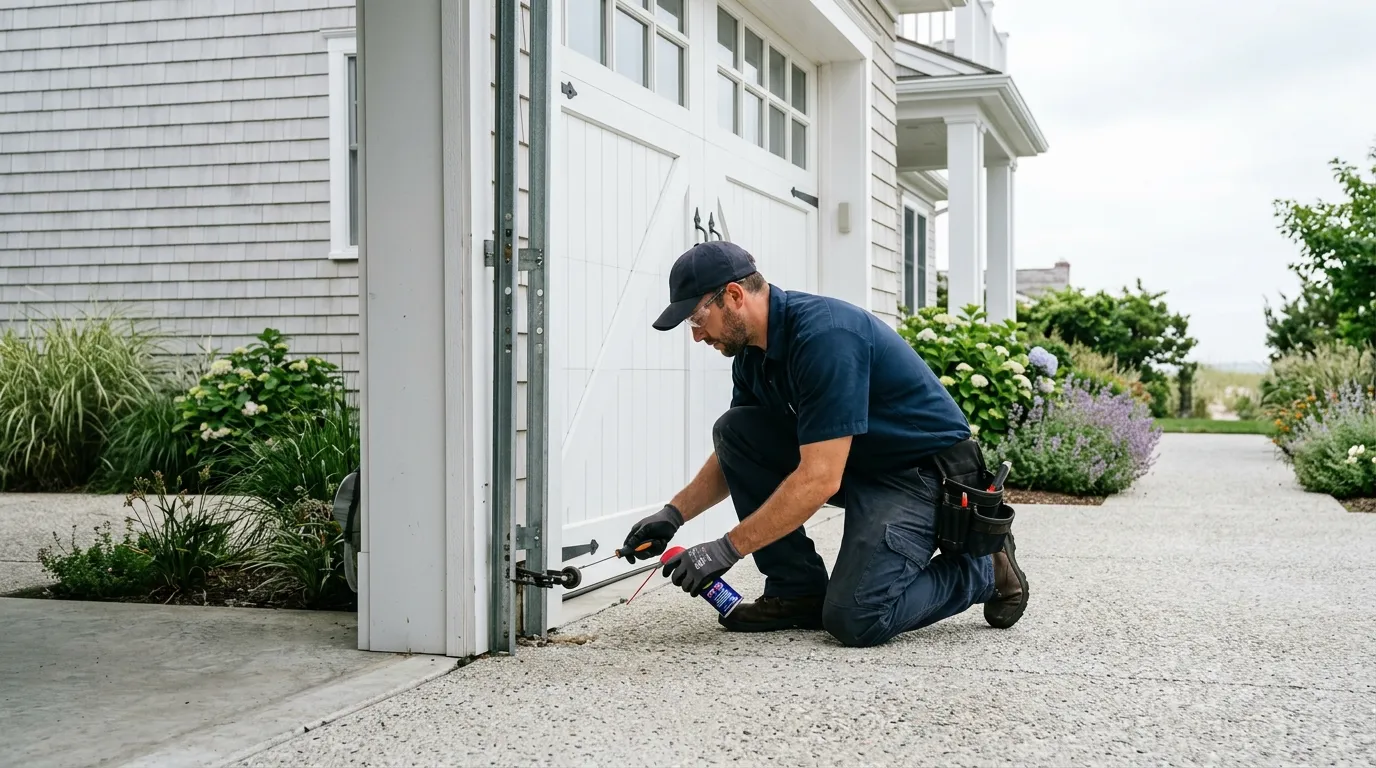
The other factor is the climate. This is a cold, moderate band - freeze-thaw cycles work on the bottom seal and the track alignment every winter, and a door that was fine in October starts binding by February once the cold has worked hardware loose. On an early-'80s door with the original rollers, that shows up as a door that drags on one side or an opener that grinds instead of lifting clean.
We're not going to tell you every Athens door fails this way - some houses got upgraded doors in a later remodel - but if yours is original to the build, this is the pattern we're called out for.
What You Pay
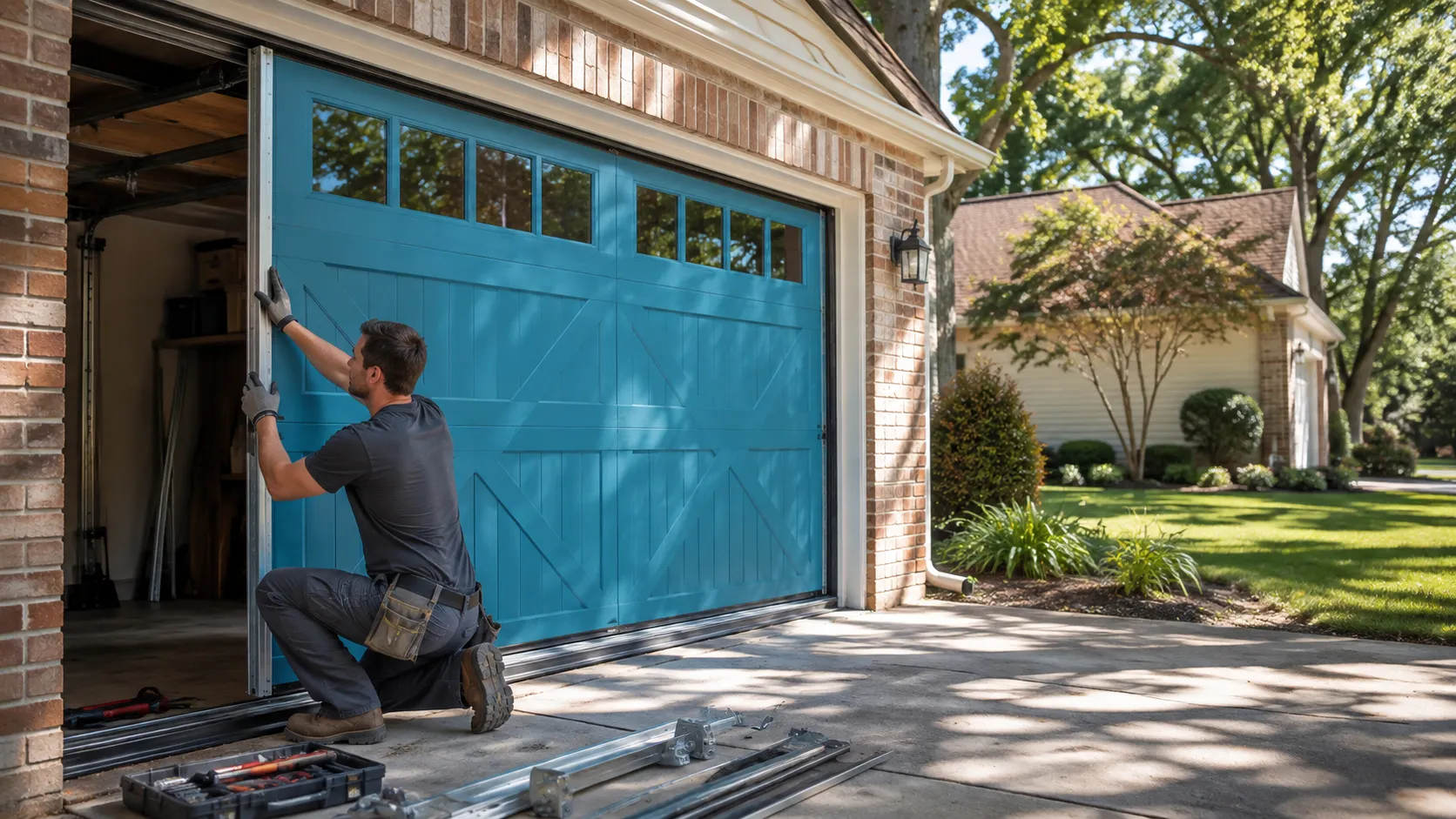
We don't have a flat number to hand you here, because Athens installs cover everything from a single-car steel door with no insulation to a double door with a polyurethane core and a matching opener. What we can tell you is what the number depends on: door width, panel material, insulation R-value, and whether the track and spring get replaced along with the door or reused where they're still sound.
Athens households run a median income around $85,000, higher than the $79,008 median for the wider service area, and we see that reflected in what people choose - more insulated steel and fewer bare single-layer panels than in older, lower-income pockets of the coverage area. That's a pattern, not a price, and it doesn't set what your job costs.
One honest limit: if your opener is original to a 1982-era door, we're not going to quote a new door install price without seeing whether that opener can handle the new door's weight, because a mismatch there just moves the fault from the door to the opener in another year.
The Symptom
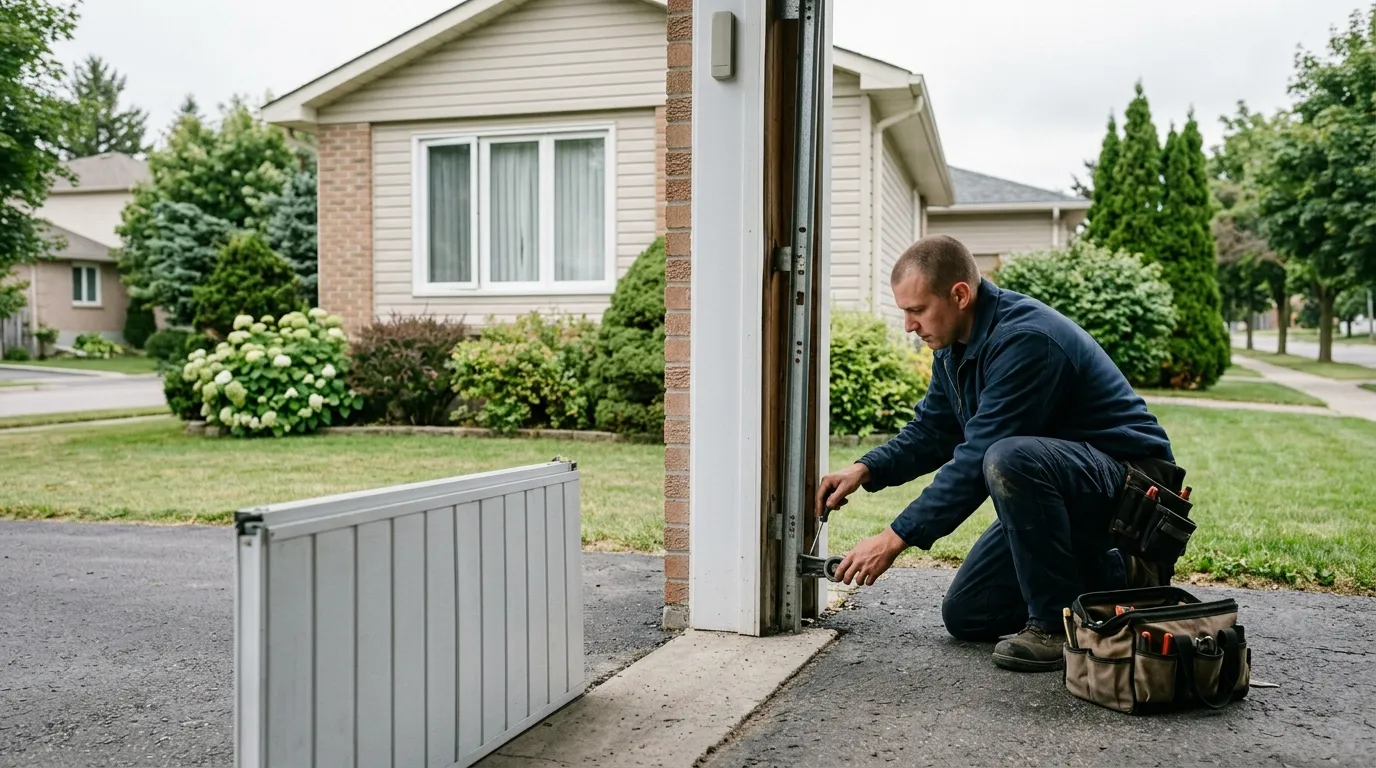
The tell in Athens is usually a door that looks fine standing still and then hesitates or jerks on the way up - most often on the side where water sits longest at the base, since that's where rot and rust start on an original steel panel. On houses from the early-1980s build era, we also see the bottom two panels rusted through from the inside where the original galvanizing was thinner than what's used now.
If the opener strains before the door moves, or you hear a bang and then quiet, that's usually a spring that's already gone, not the opener failing on its own - the opener is just doing the work the spring used to do. On a door that's roughly forty years newer than the oldest stock in the service area, we don't see this as often as we do on 1960s and '70s houses, but a 1982-built door is now old enough on hinges and rollers that it's due.