What Causes It Around Here
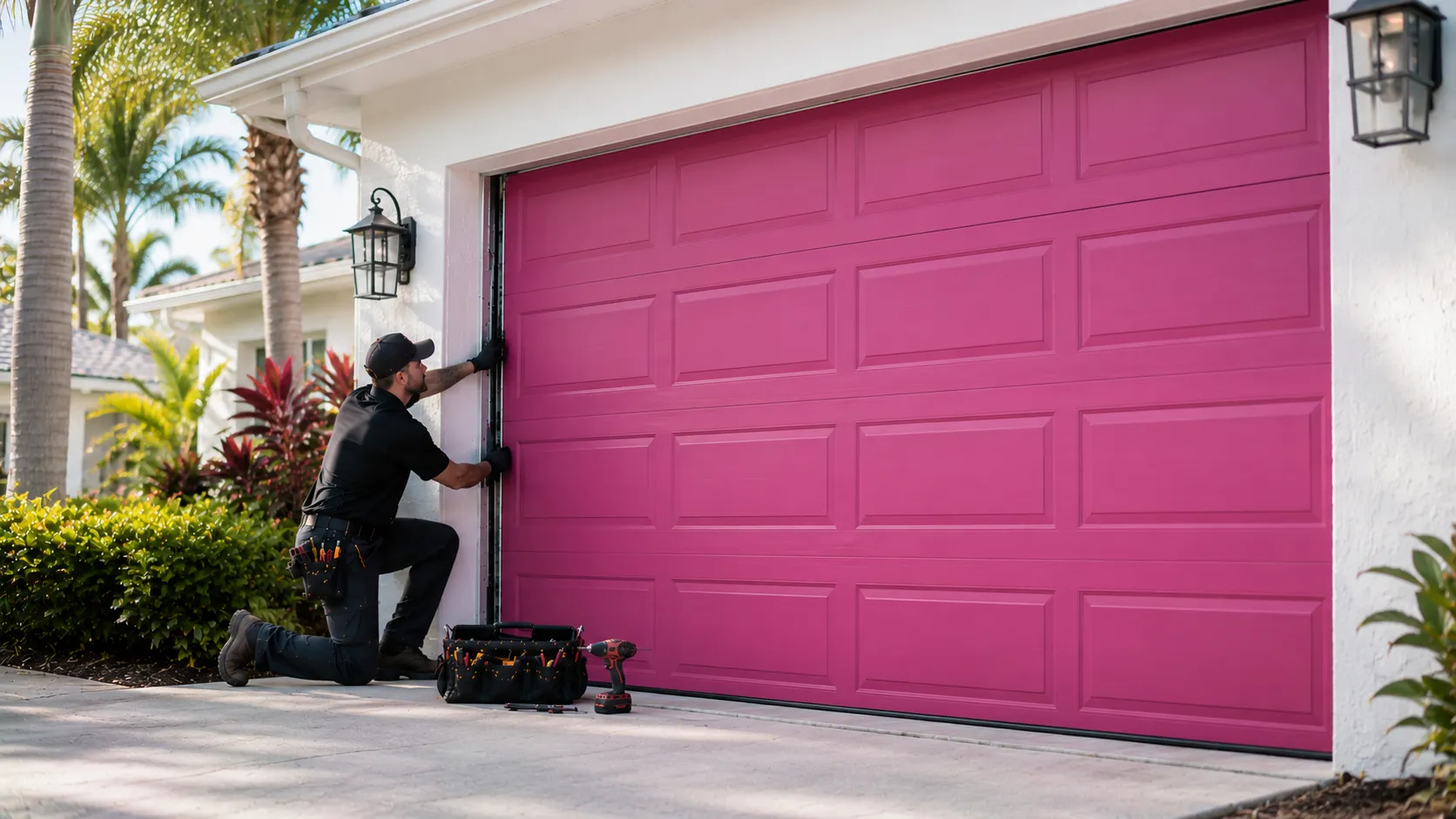
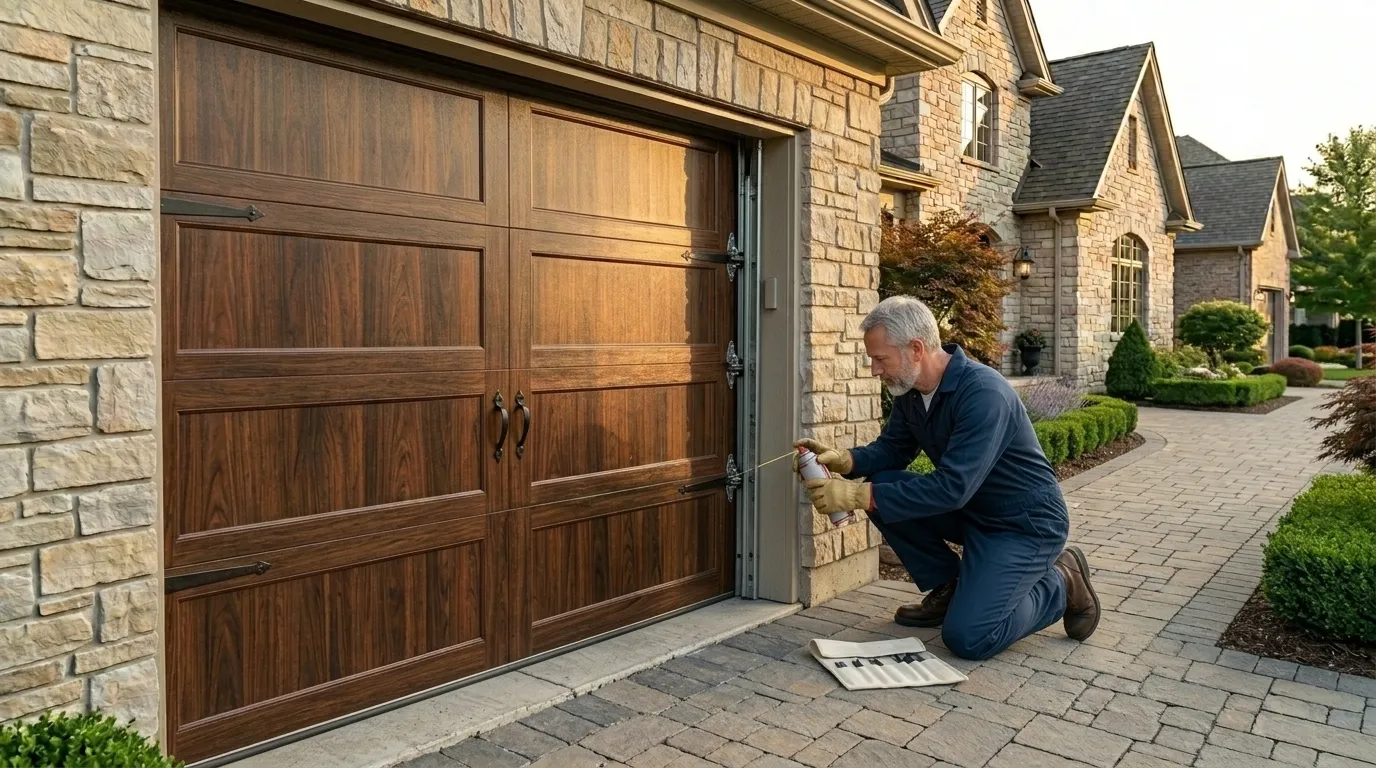
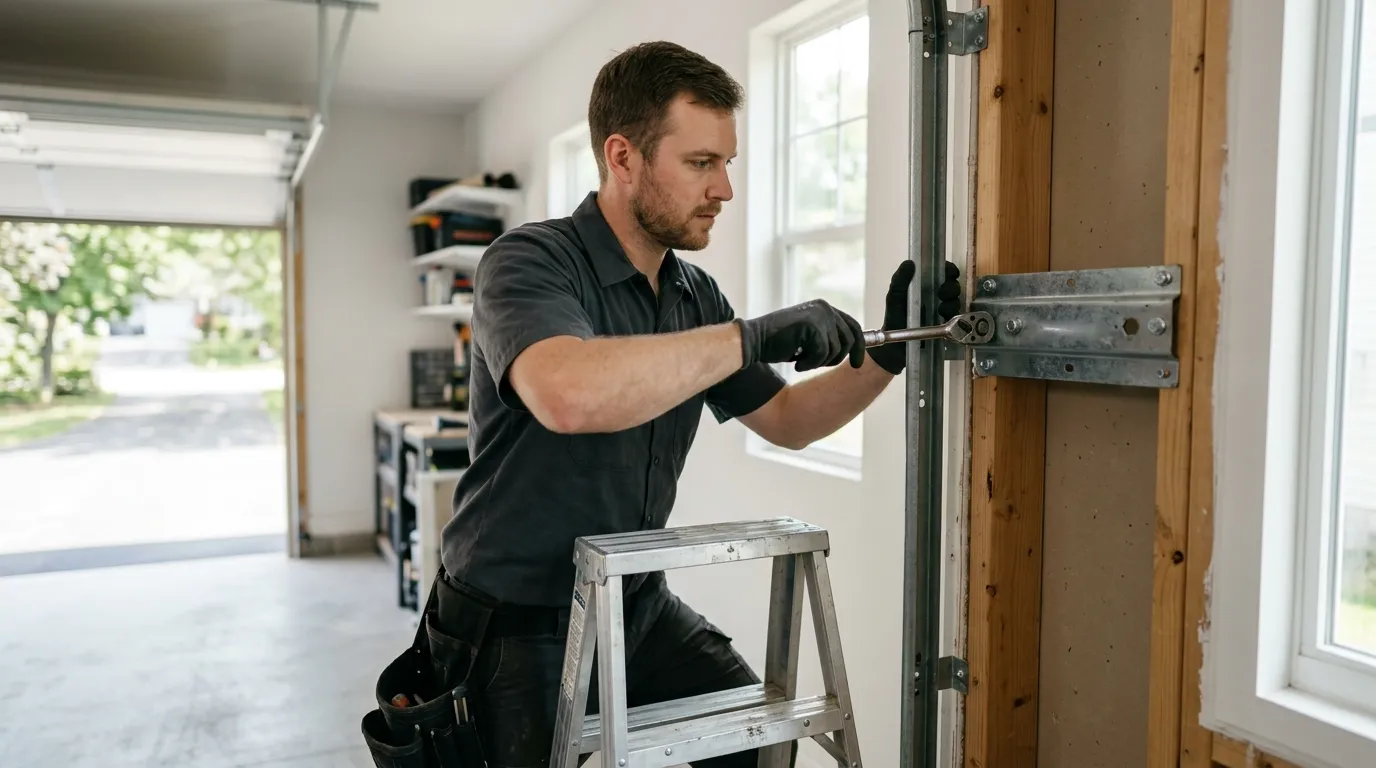
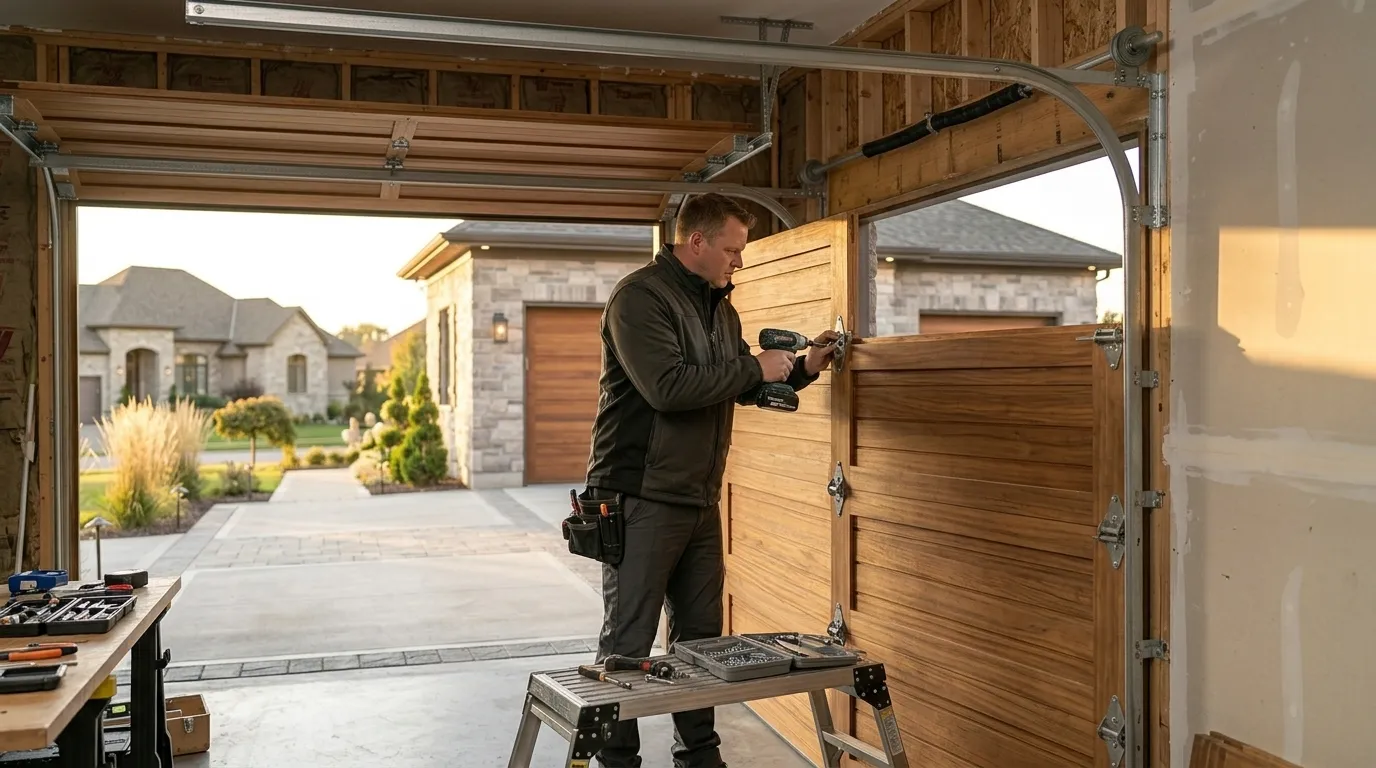
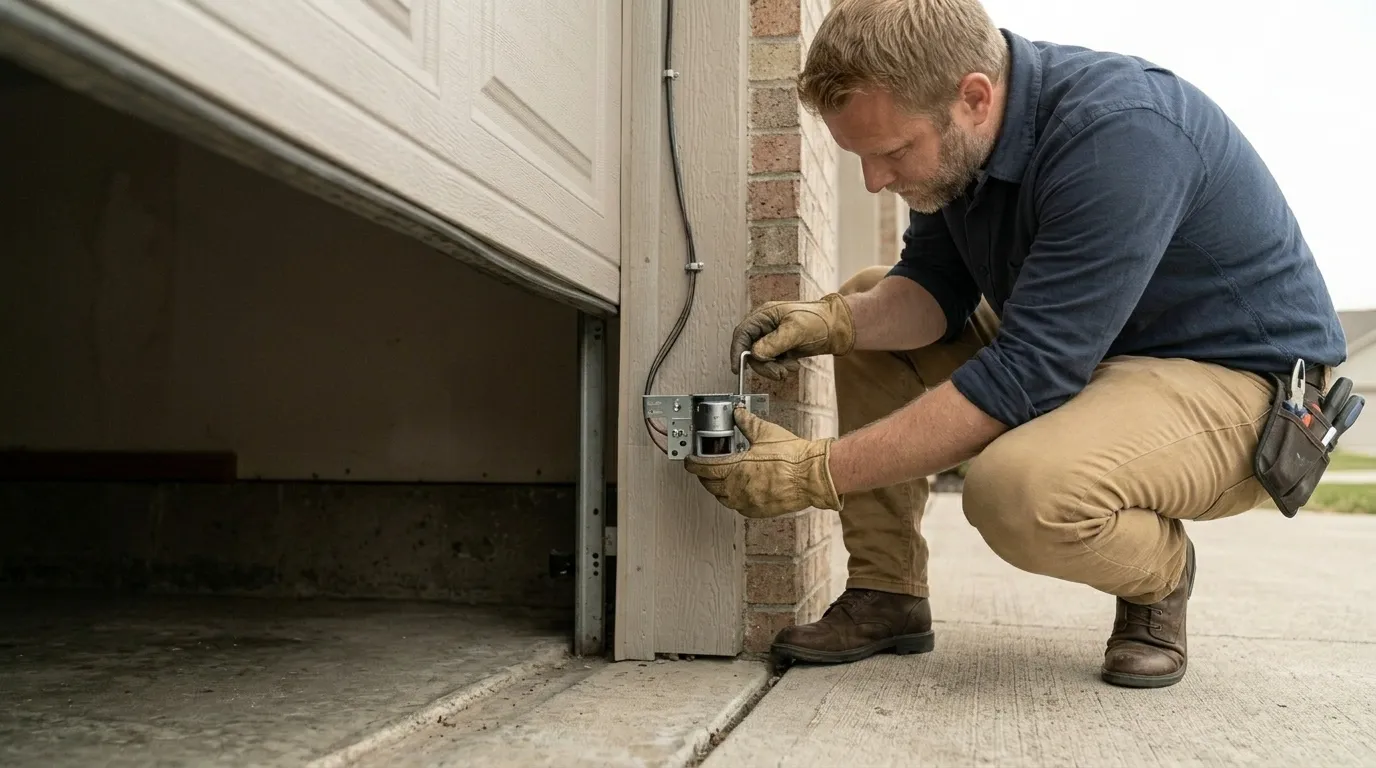
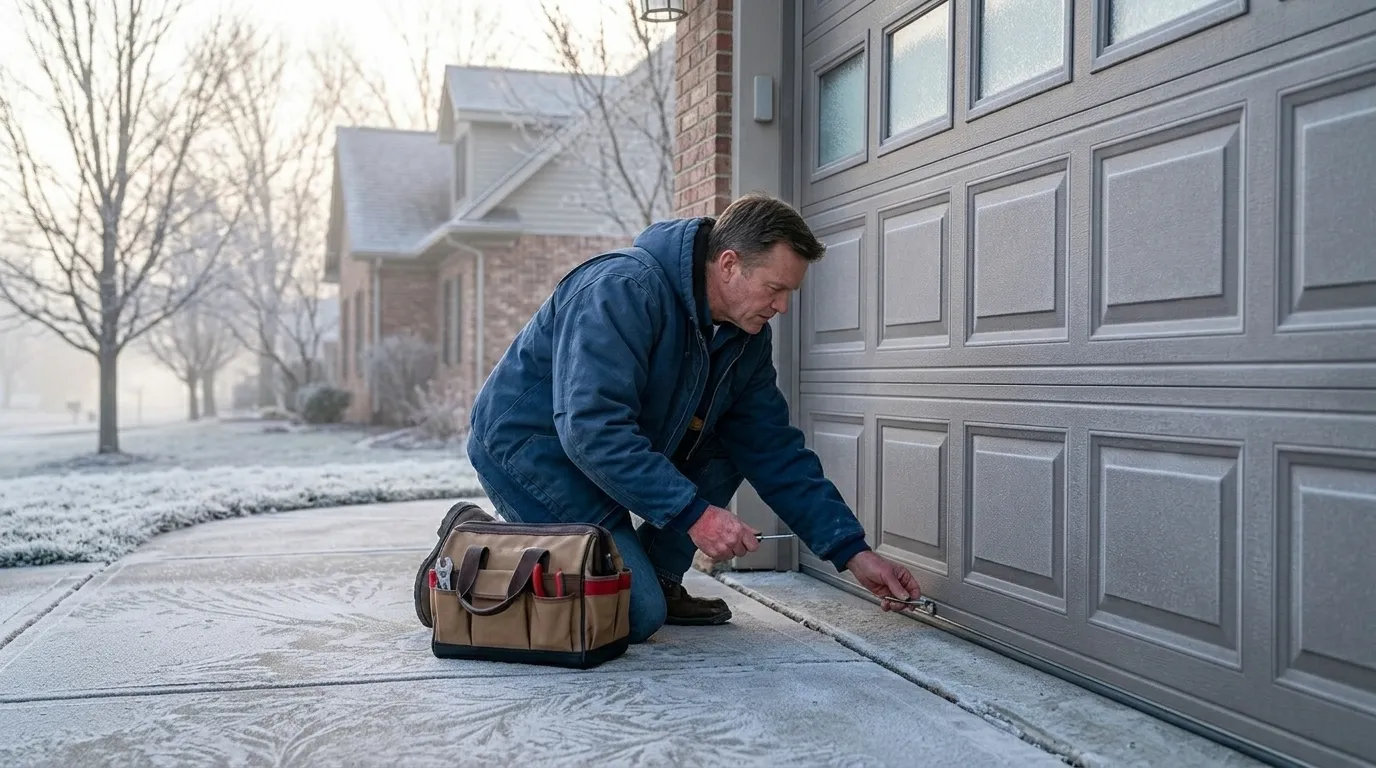
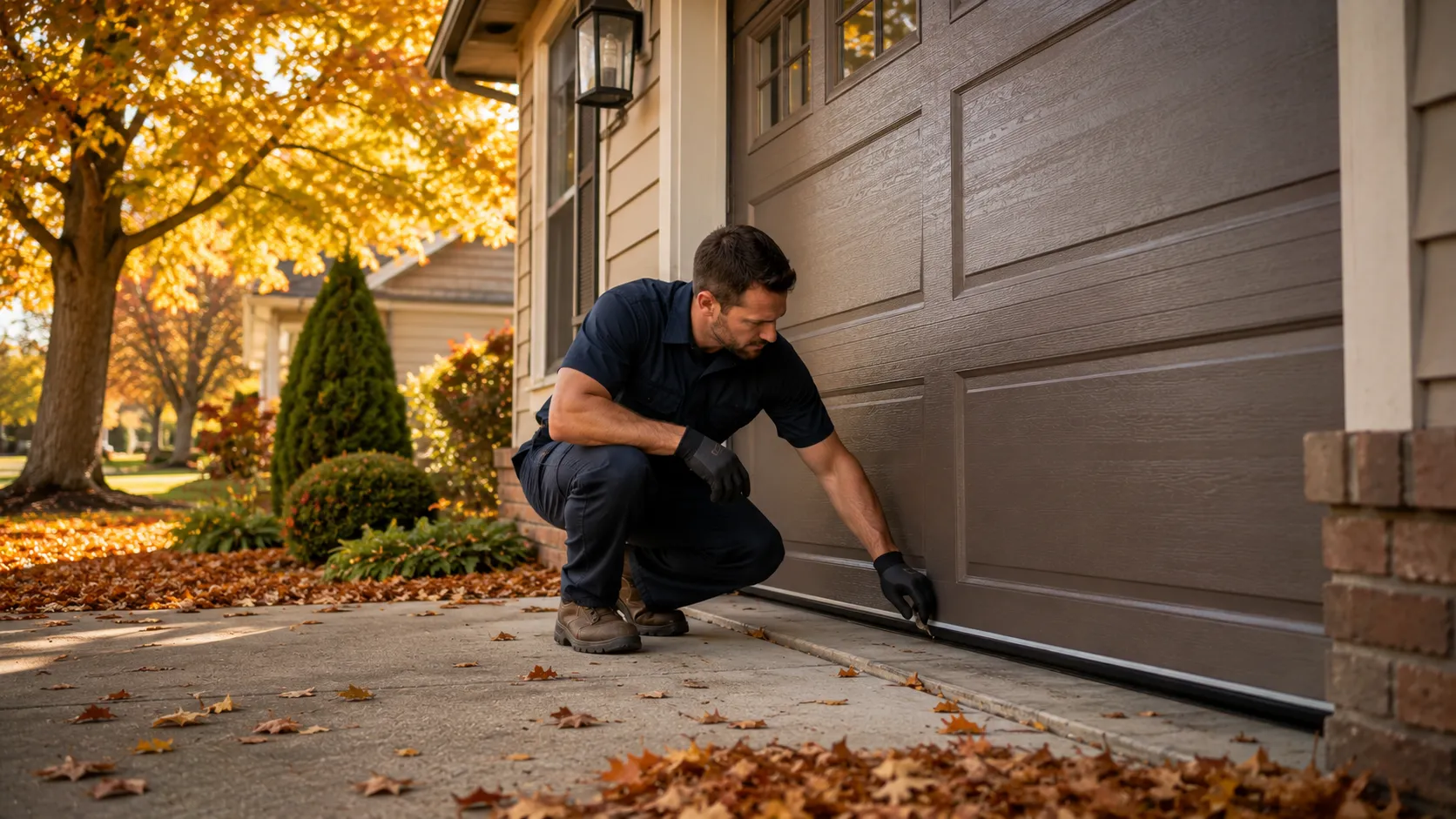
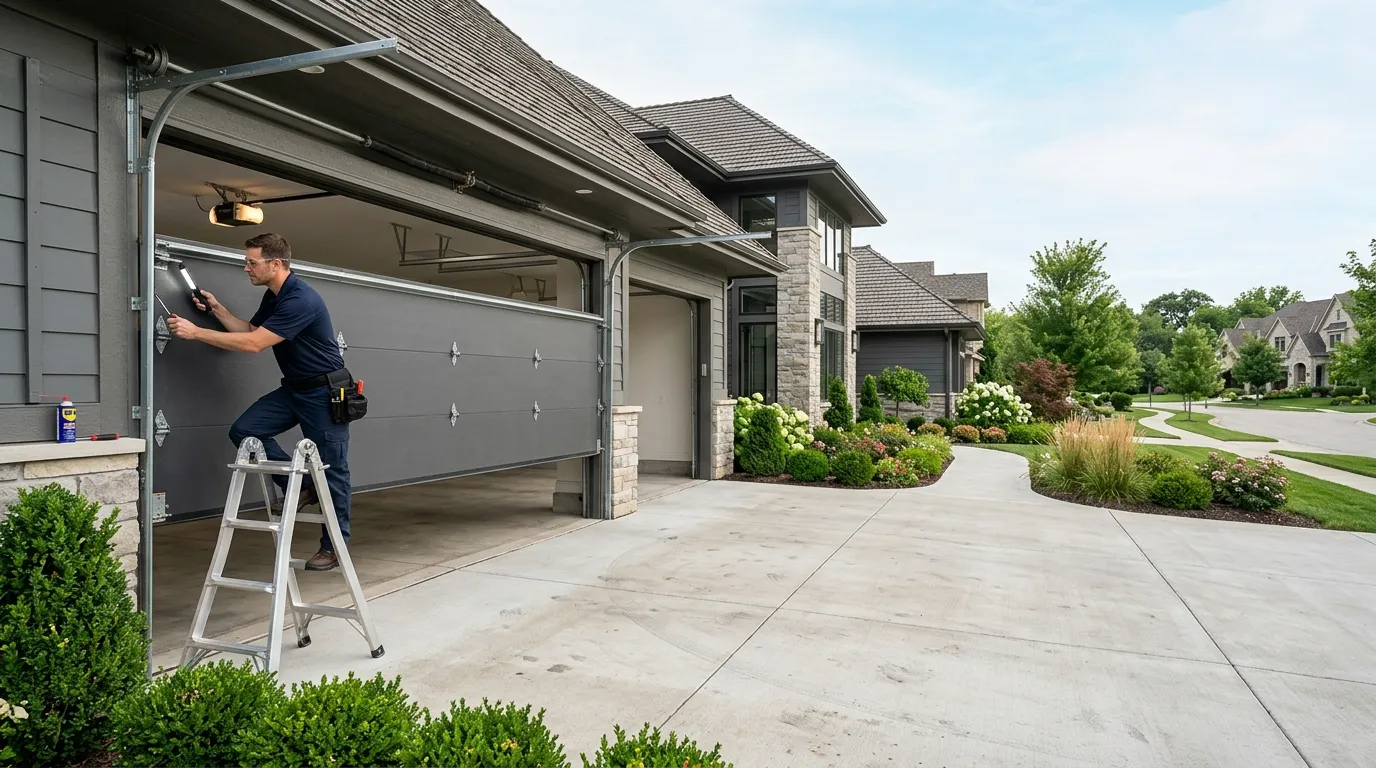
With around 884 households in Athens, most sitting on hardware from that early-1980s build wave, the wear pattern is fairly consistent house to house. Steel torsion springs from that era were rated for a fixed number of open-close cycles, and by now nearly every original spring has cycled past its life - if it hasn't broken outright, it's sagging and making the opener work harder than it should. The service area sits in a cold-moderate climate band, and that swing between summer heat and winter cold is what finishes off old lubricant in the rollers and hardens the seals around the bottom panel. Combine four decades of temperature cycling with hardware nobody's touched since the house was built, and you get the two failures we see most in Athens: a spring that finally lets go, and an opener limit switch drifting out of adjustment because the door itself has sagged a fraction on its original track. None of this is unique to any one house on the street - it's the whole build year catching up at once.
What You Pay
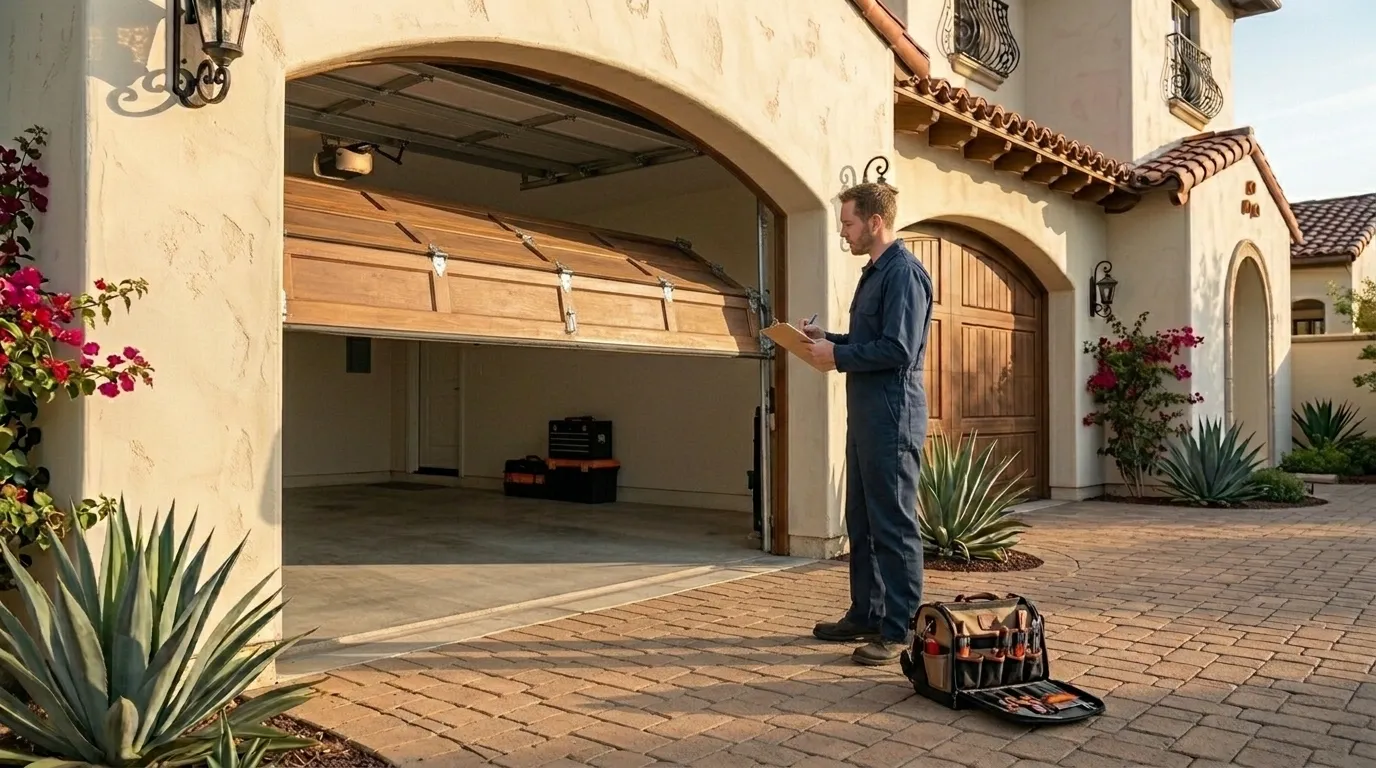
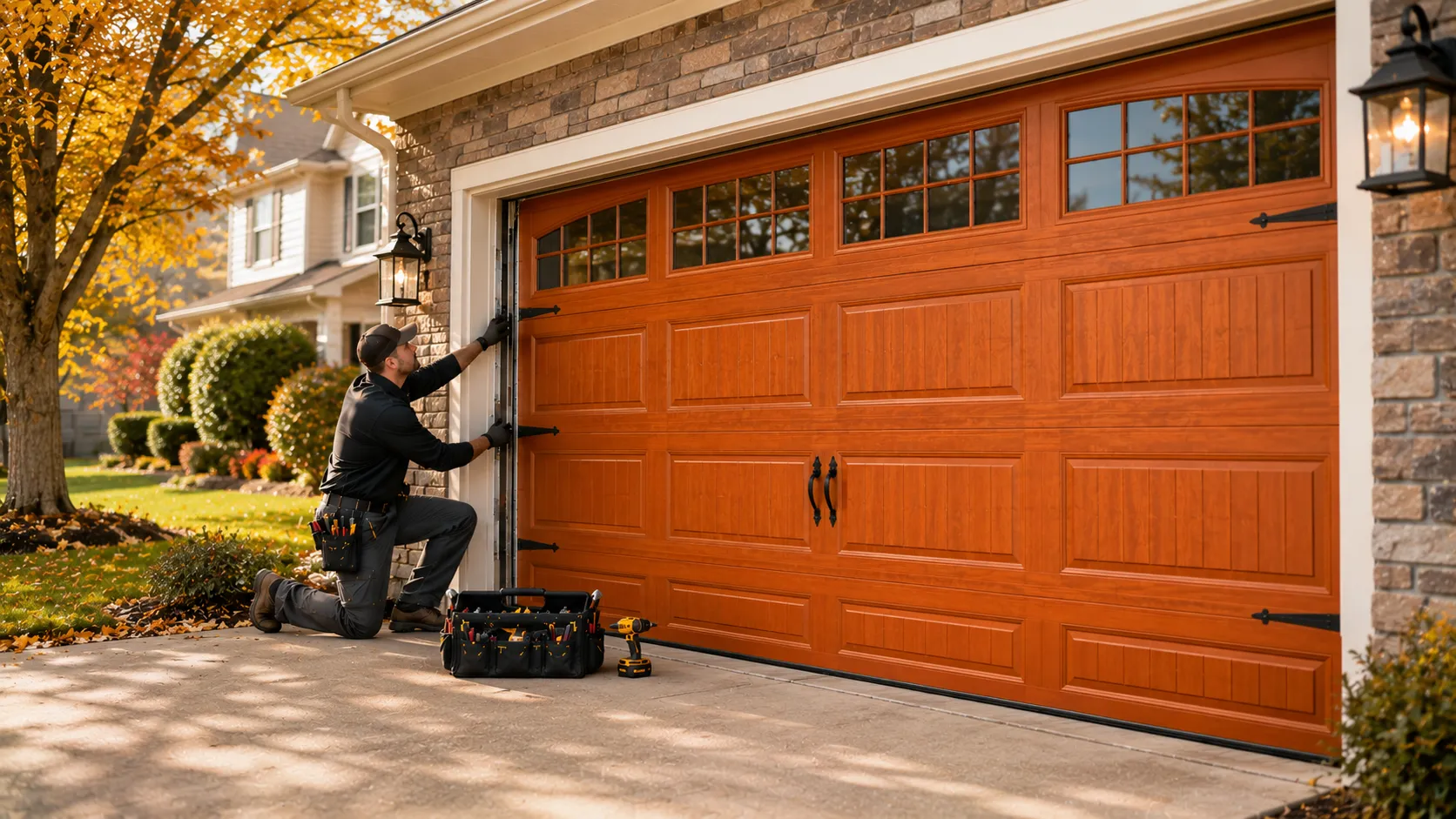
We don't have a flat number to hand you here - what a maintenance visit costs depends on what we find once the door's open, whether it's a lube-and-adjust or a spring swap on 40-year-old brackets that need replacing before new hardware will even sit right. What Athens households do tend to have, at a median income of $85,000, is a bit more room to fix things properly rather than patch them, and we'll tell you honestly when a repair is worth doing and when the hardware's old enough that replacement saves you a second truck trip in a year. That's the one limitation worth saying plainly: we don't quote a maintenance price over the phone, because guessing at parts on a door this age usually guesses wrong.
The Symptom
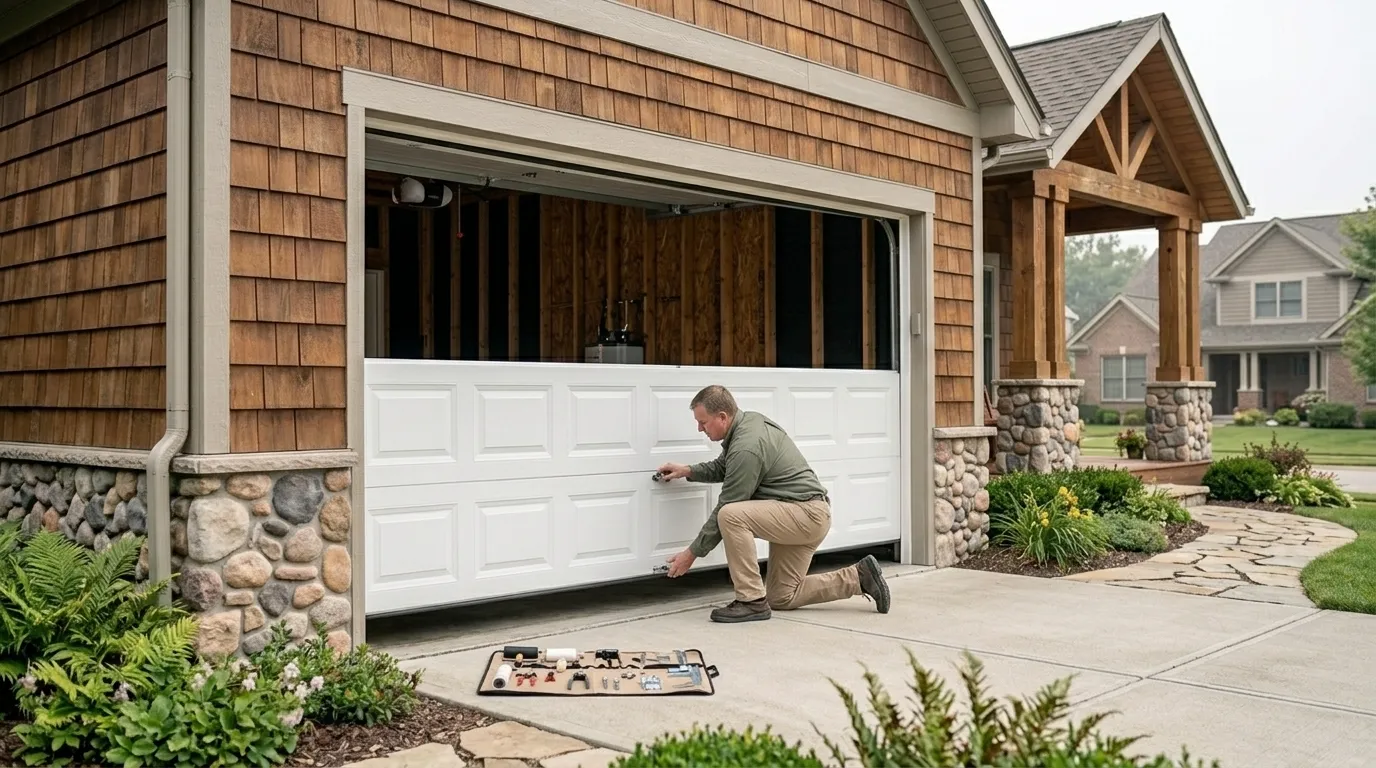
The tell in Athens is usually a door that closes a little crooked or an opener that strains audibly on the last foot of travel - both point to springs that have quietly lost tension over four decades rather than snapped outright. Some owners notice the door reversing itself partway down; that's the opener's safety sensor reacting to a door that's heavier on one side than it used to be, which is exactly what happens when one original spring is doing more work than its twin. Caught early, that's an adjustment. Left alone, it's usually a cable next, and a cable failure on a door this old tends to happen without warning.