Parts We Carry
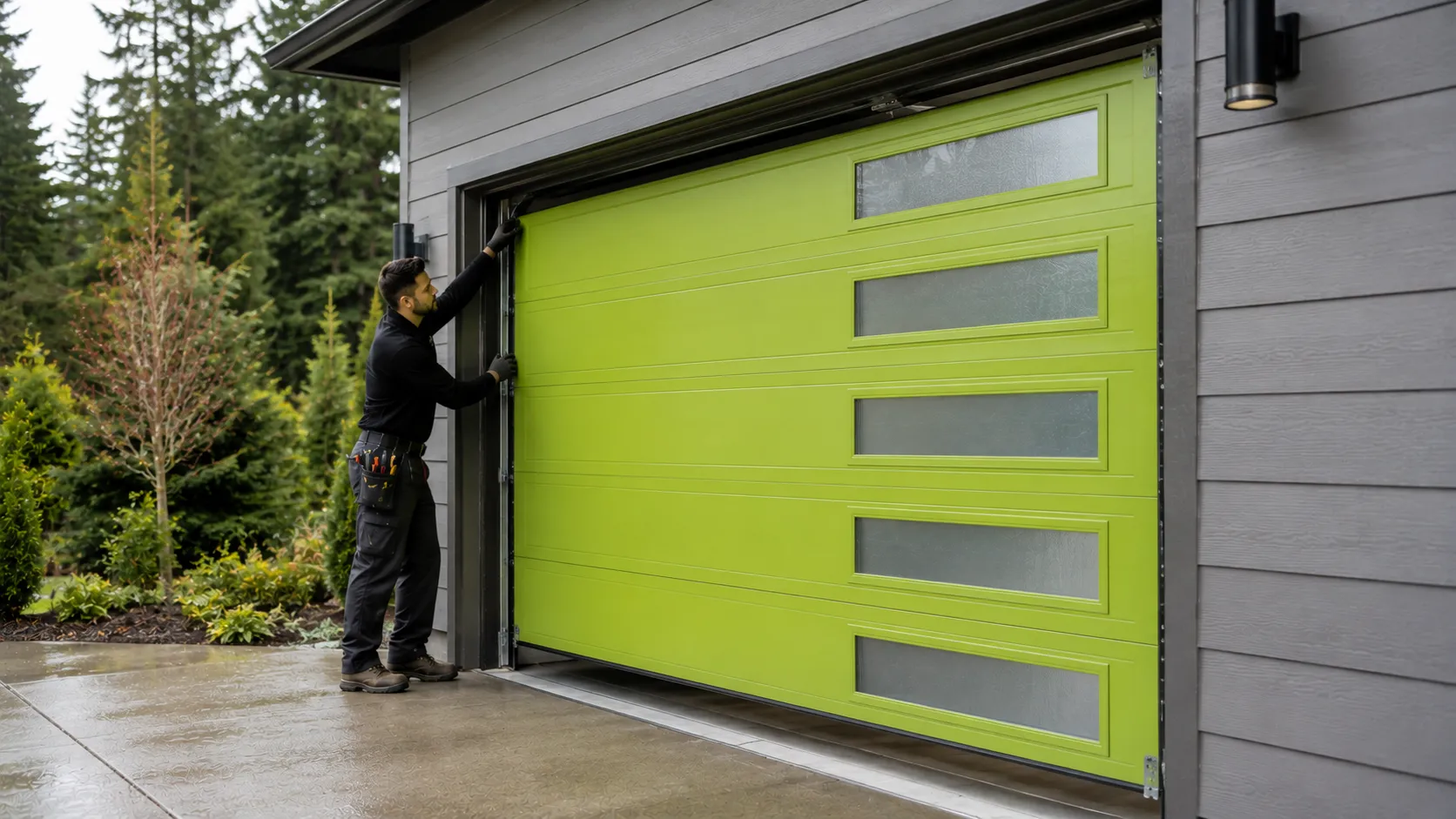
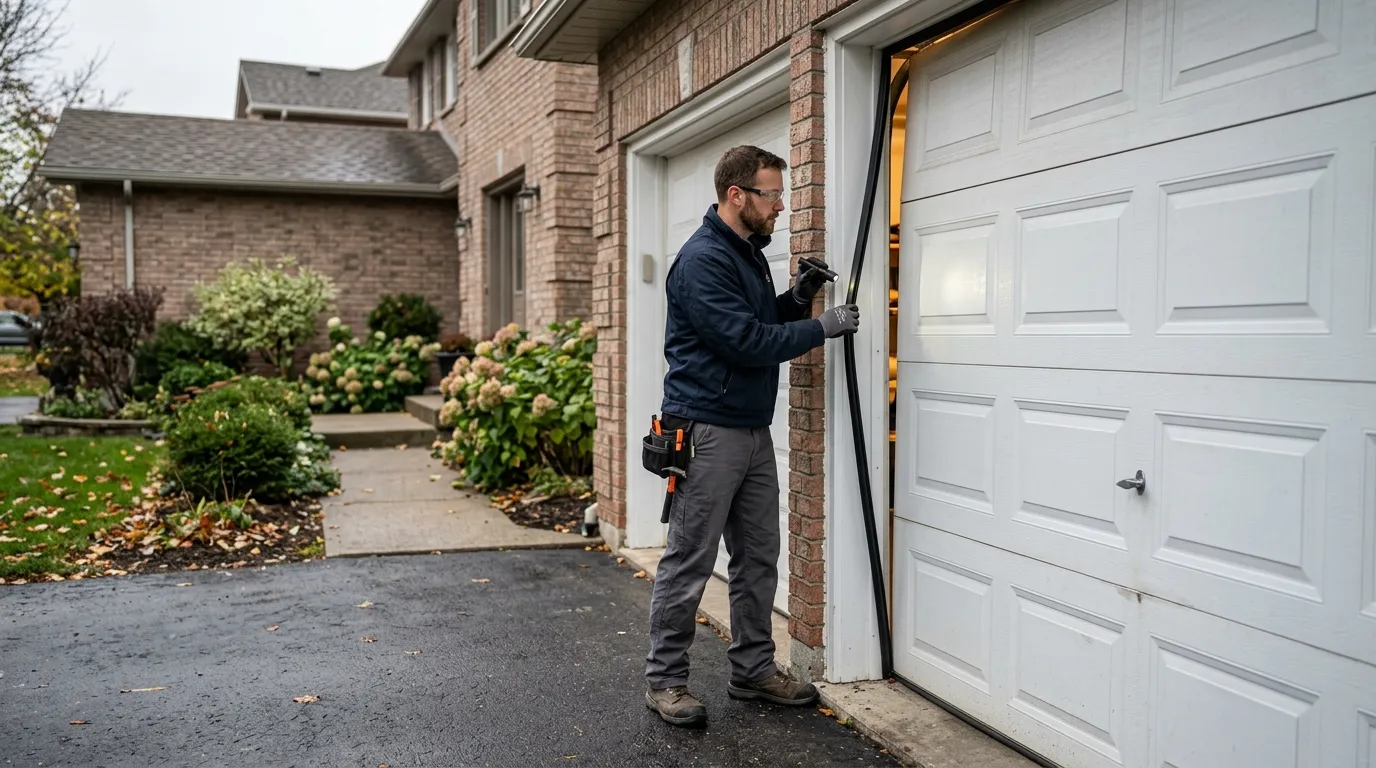
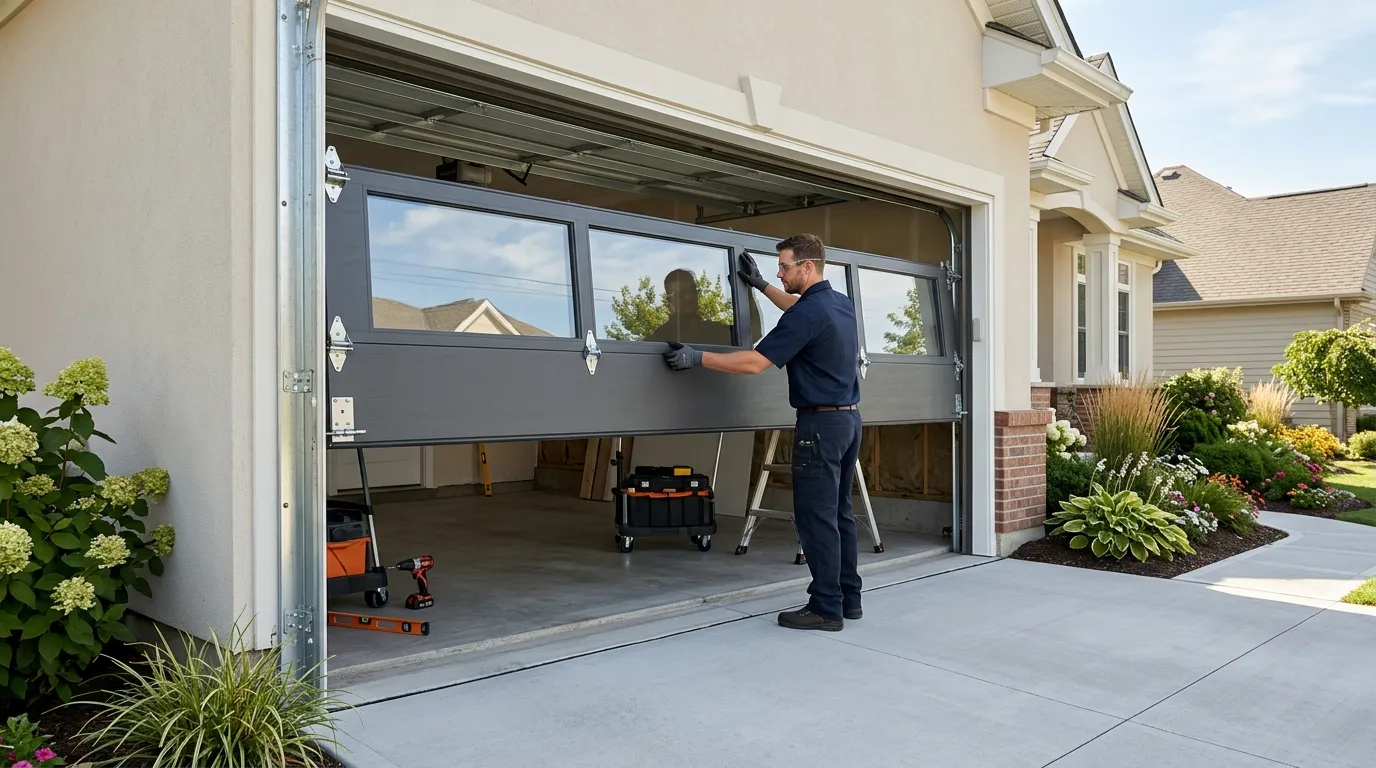
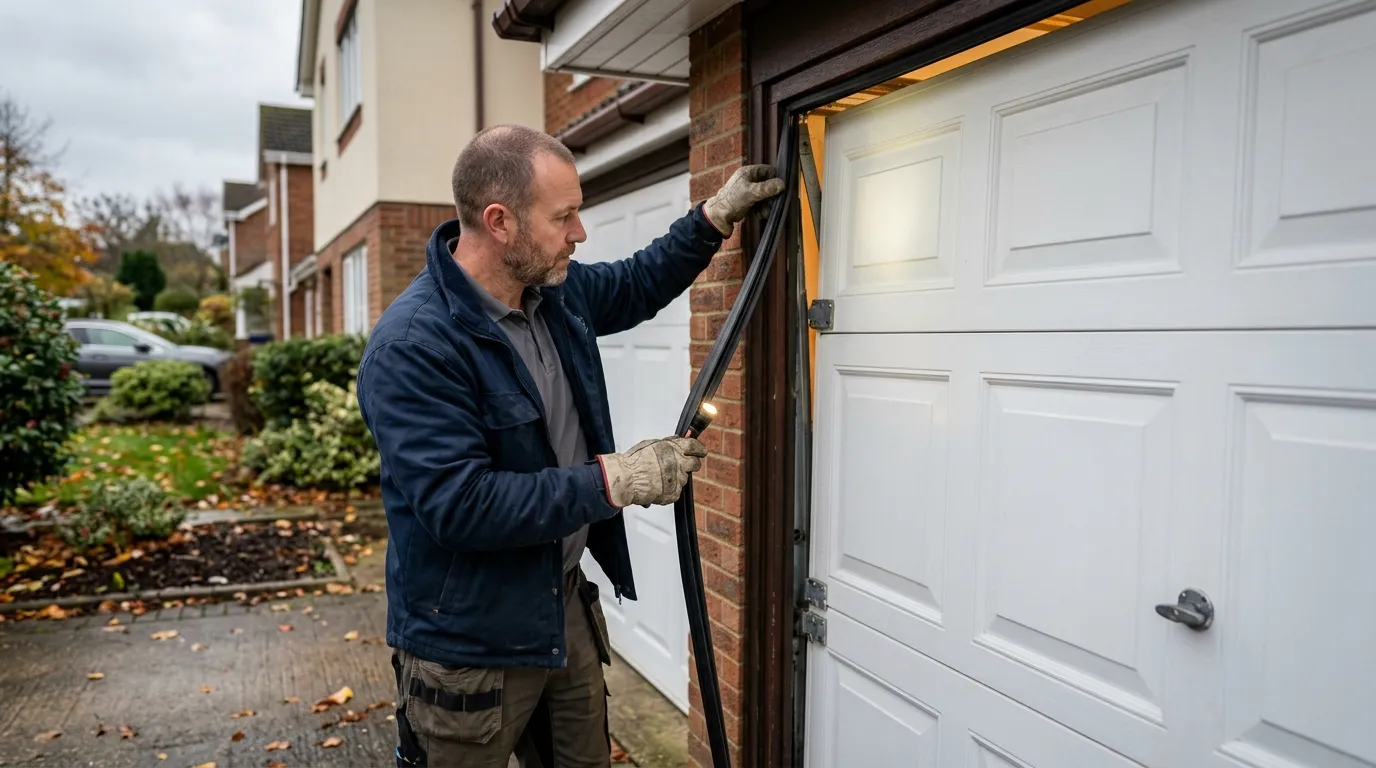
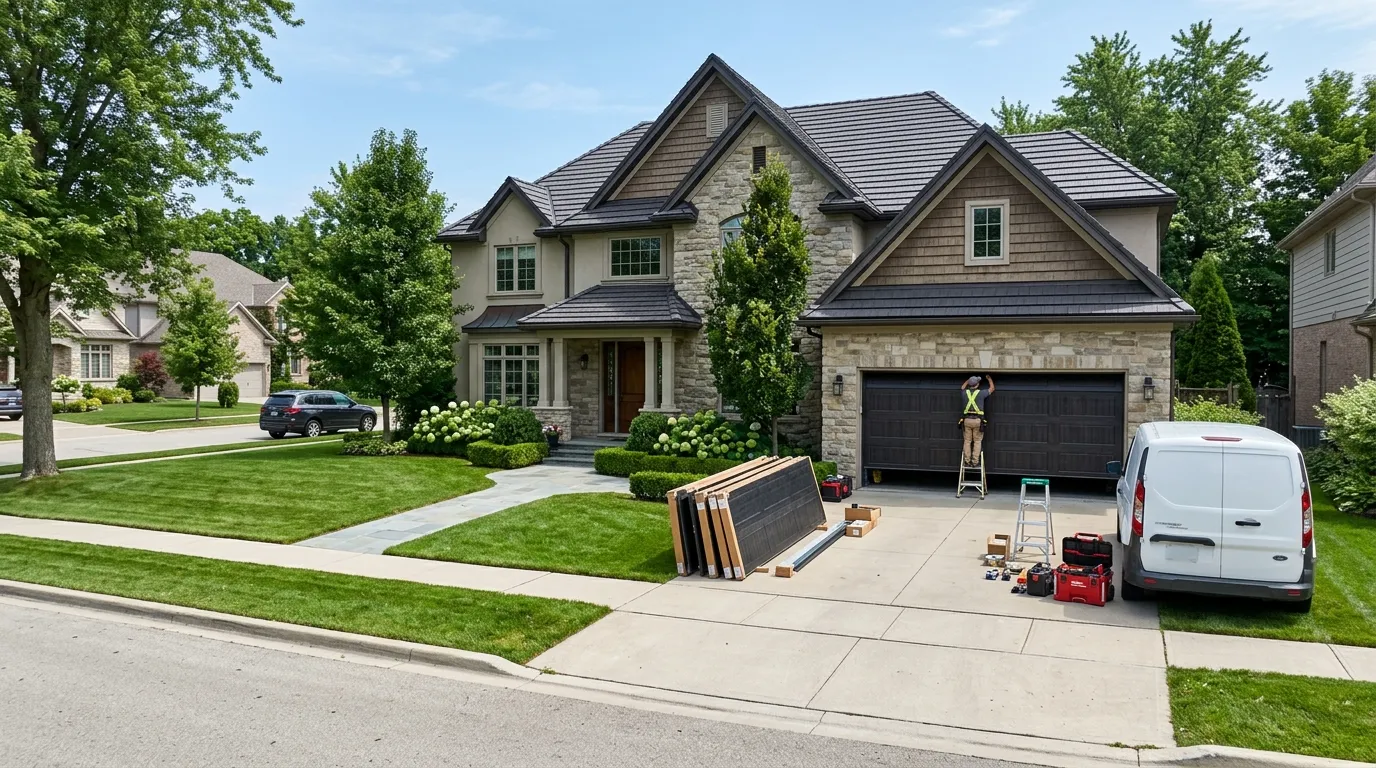
On the truck we carry the openers and mounting hardware that fit doors built to match a house from the early 1960s: standard 7-foot header clearance, older-style track brackets, and the sensors and wiring needed to bring a house up to current safety code when the existing setup predates it. Petersburg homes at this build era were mostly wired for a single wall switch, no photo-eye safety sensors, so that's a common upgrade the moment a new opener goes in.
We don't stock every belt-drive model on the market, and we won't pretend to. If you've got your heart set on a specific smart-home brand that isn't in our regular lineup, we'll tell you straight rather than sell you something we can't back with parts on hand.
The Symptom
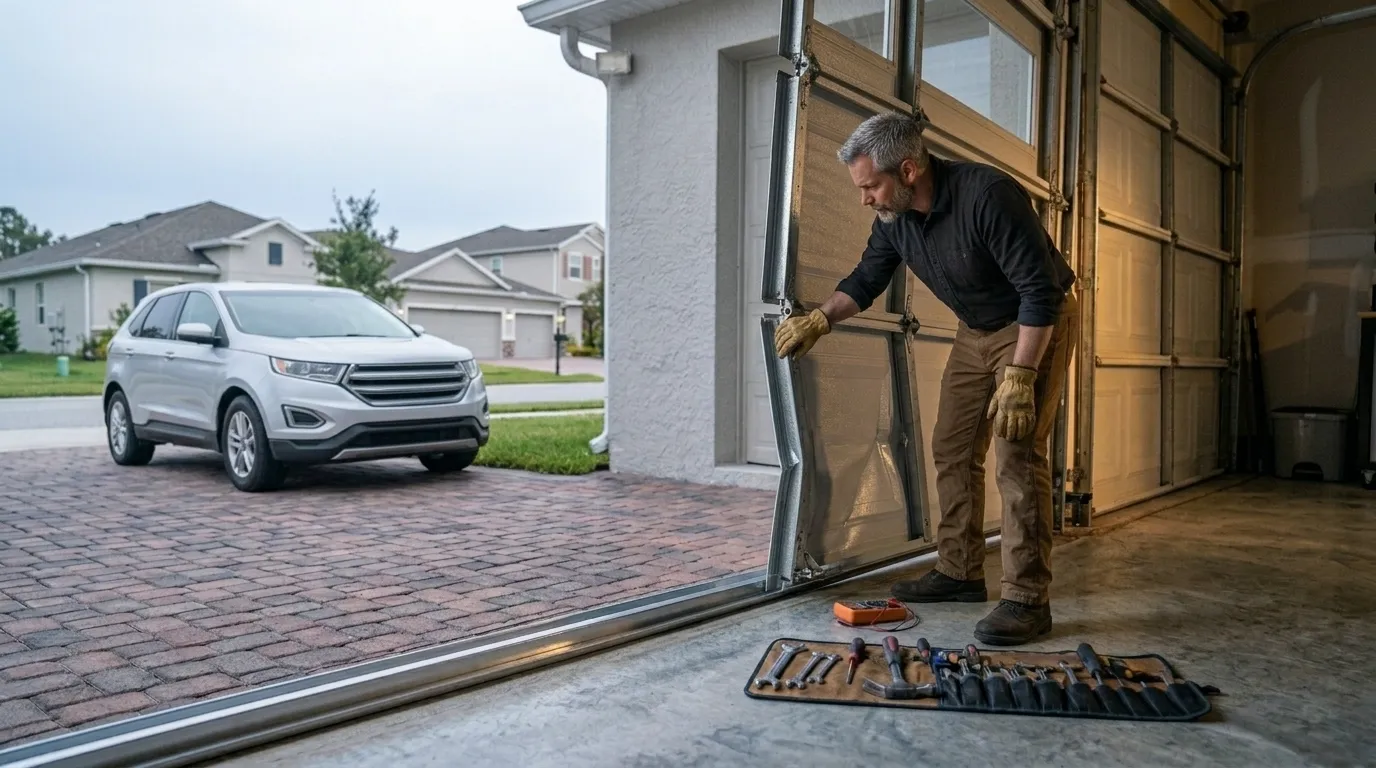
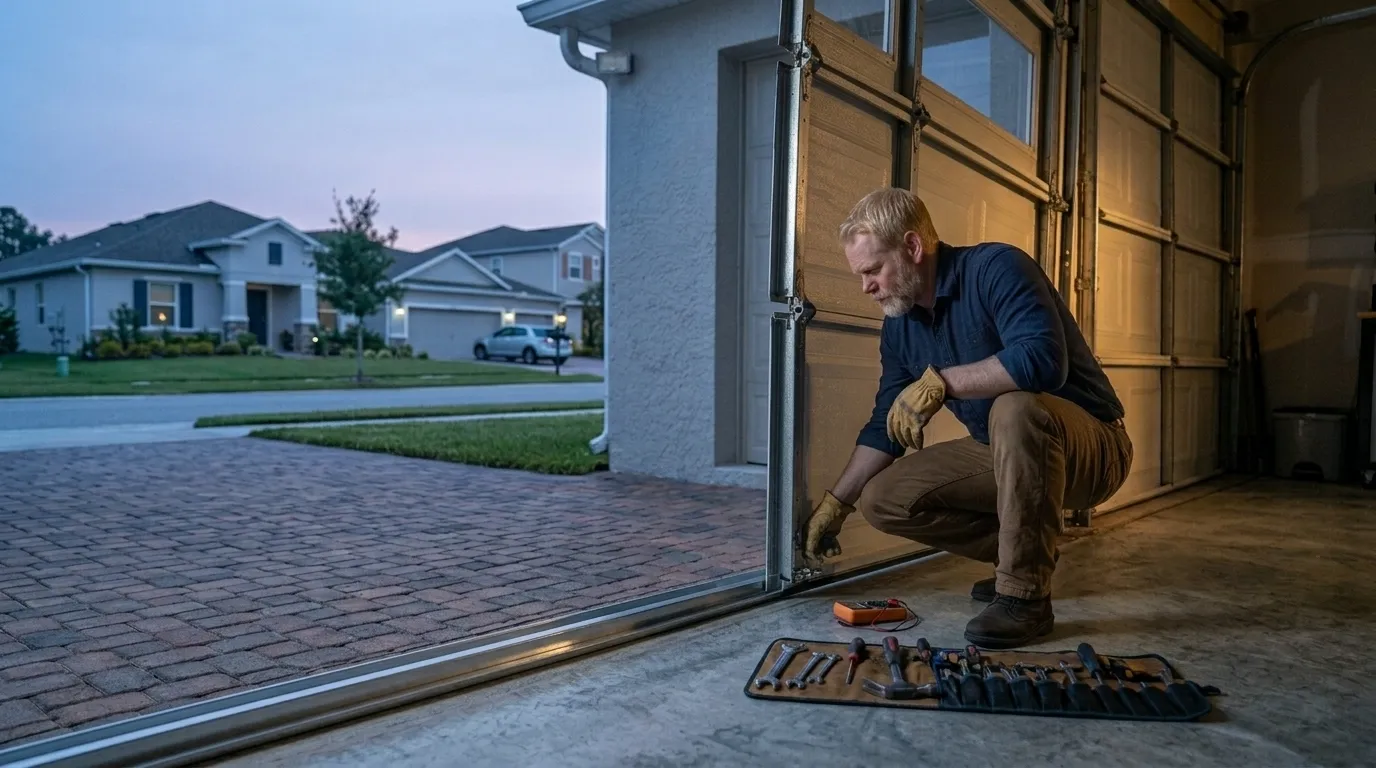
The call we get most from this part of the route is an opener that runs the motor but the door barely moves, or moves and then reverses partway up. On a house from 1961, that's rarely the opener's fault outright - it's usually a door and track system that's aged past what the motor can safely push, and a new opener just makes the strain audible instead of hiding it.
The second most common symptom: a working opener that no longer talks to the wall button or remote reliably. Older wiring in these homes wasn't built with today's rolling-code security in mind, and a straight opener swap on old wiring often just moves the problem instead of fixing it.
What Can Go Wrong
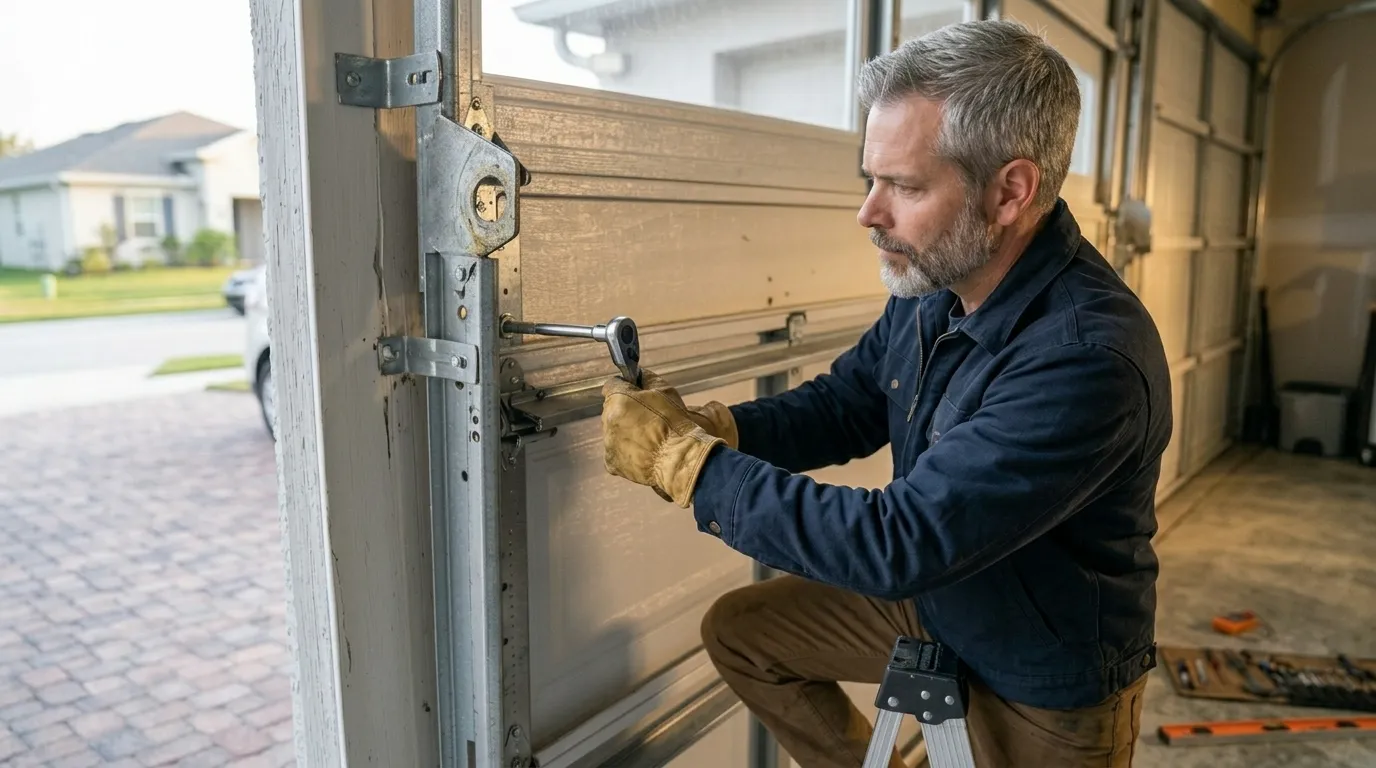
The most common mistake we see from prior DIY installs or a rushed swap: mounting a new opener onto an old header bracket that was never rated for the added pull of a modern unit. It holds for a while, then lets go, usually pulling drywall down with it.
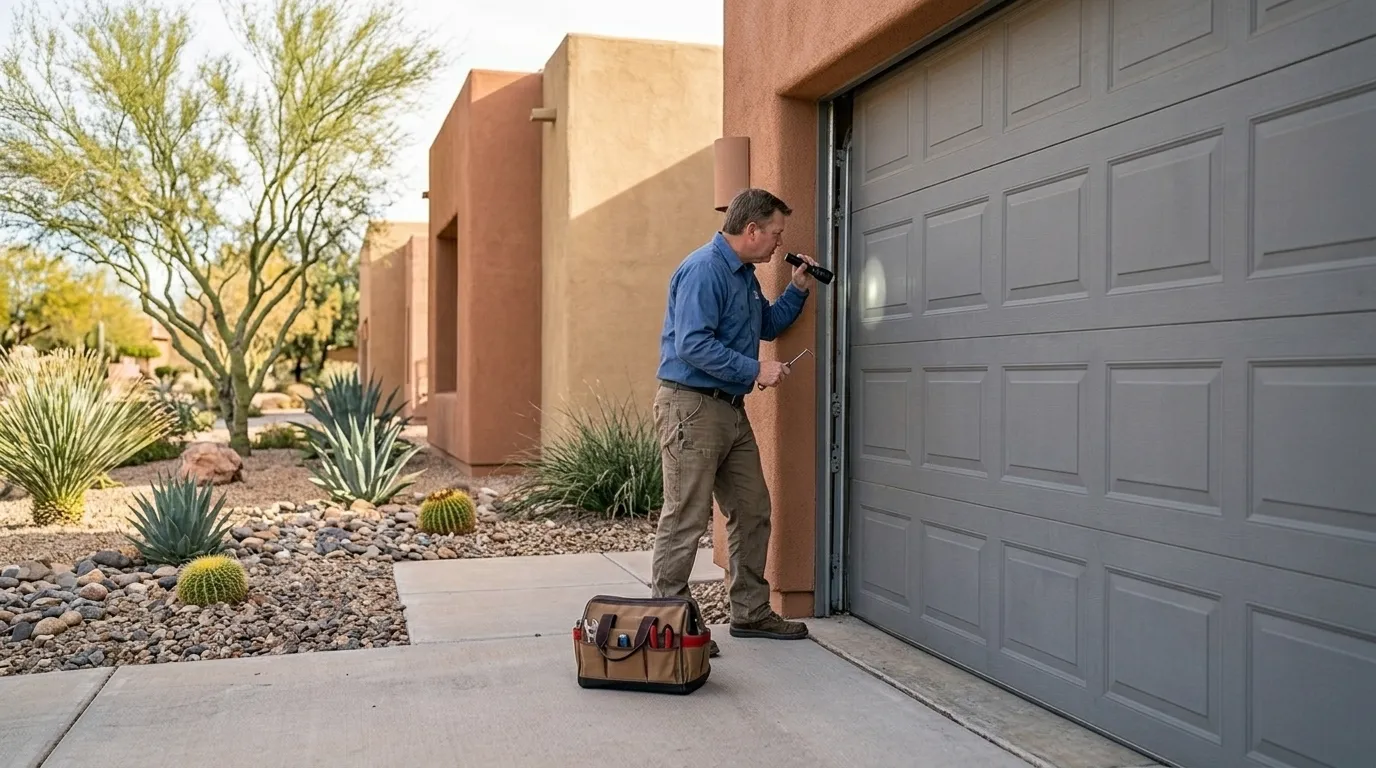
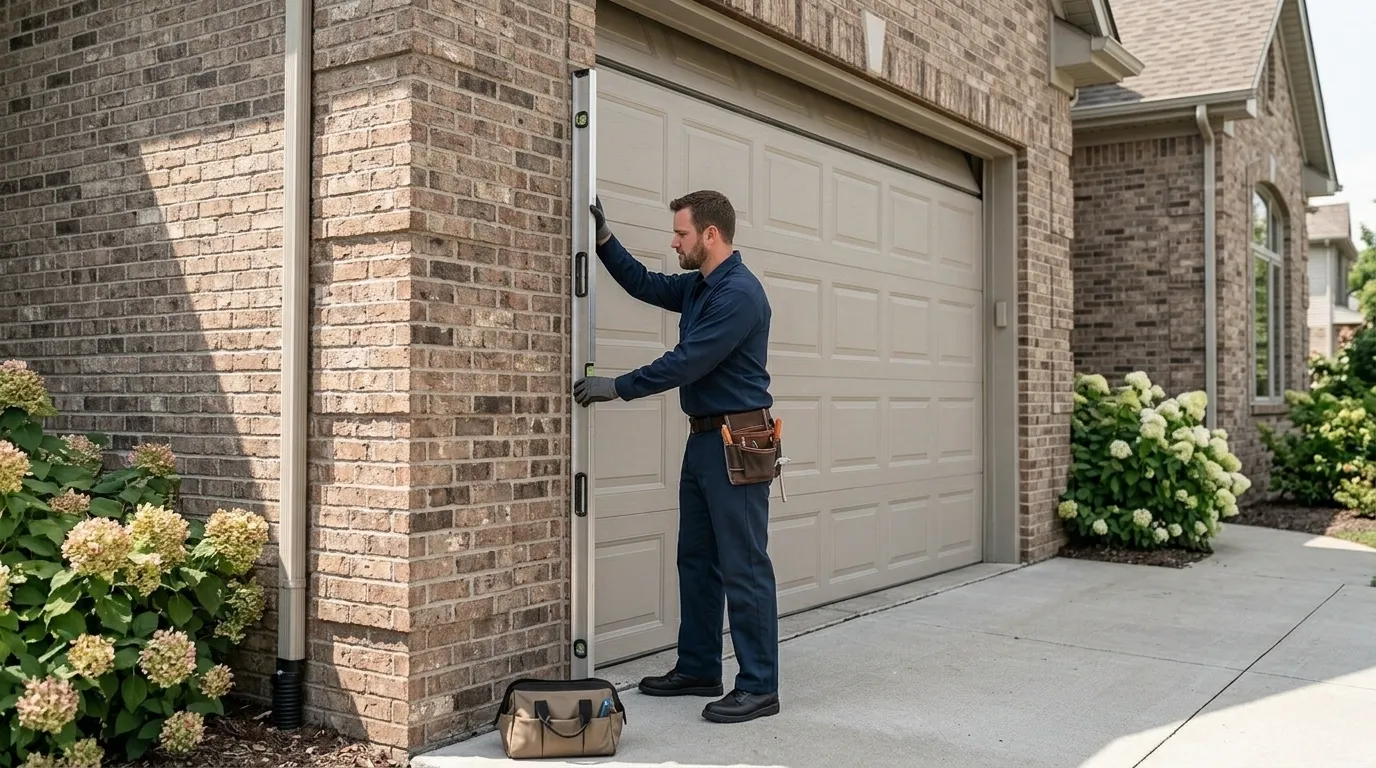
The other issue specific to Petersburg's housing age is safety sensor placement. Homes built before photo-eye sensors were required often have garage floors that slope slightly toward the door for drainage - normal for the era - and a sensor mounted at standard height on a sloped floor can sit just high enough to miss a low obstruction. We adjust sensor height to the actual floor, not to a factory diagram.
How Long It Takes
A straightforward opener swap, where the existing track and header can be reused, runs about the same on-site time whether we're in Springfield or out in Petersburg - the difference is the drive time added on either end of the appointment. Add bracket or track work, which comes up more often here given the age of the stock, and the job runs longer.
We won't promise a same-day slot for Petersburg the way we might for something closer in; because this is a drive-out job, it gets scheduled as a full appointment rather than squeezed between closer calls. That's the honest tradeoff of being 19 miles out, and we'd rather tell you that upfront than have you wait on a truck that isn't coming.