Parts We Carry
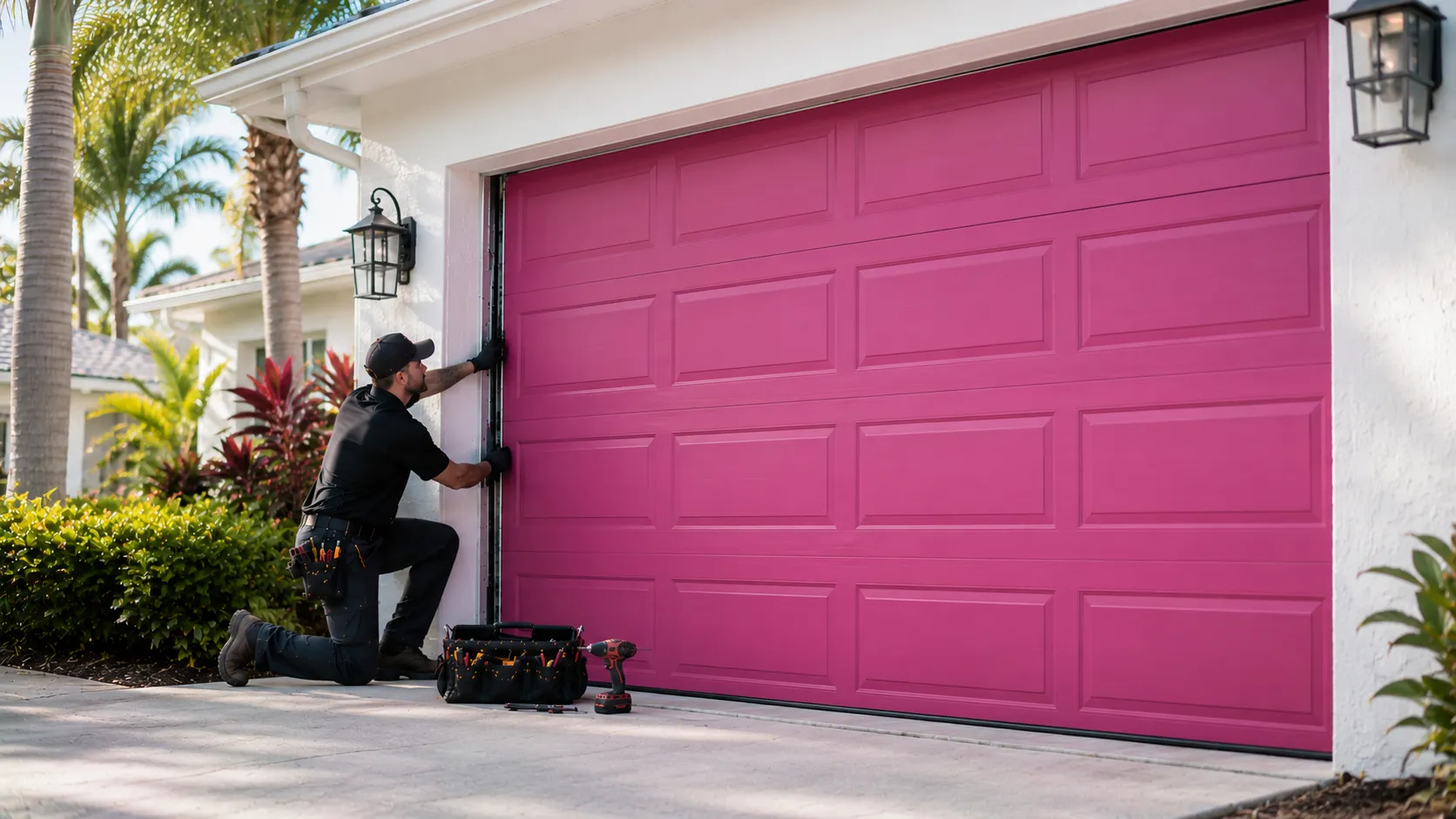
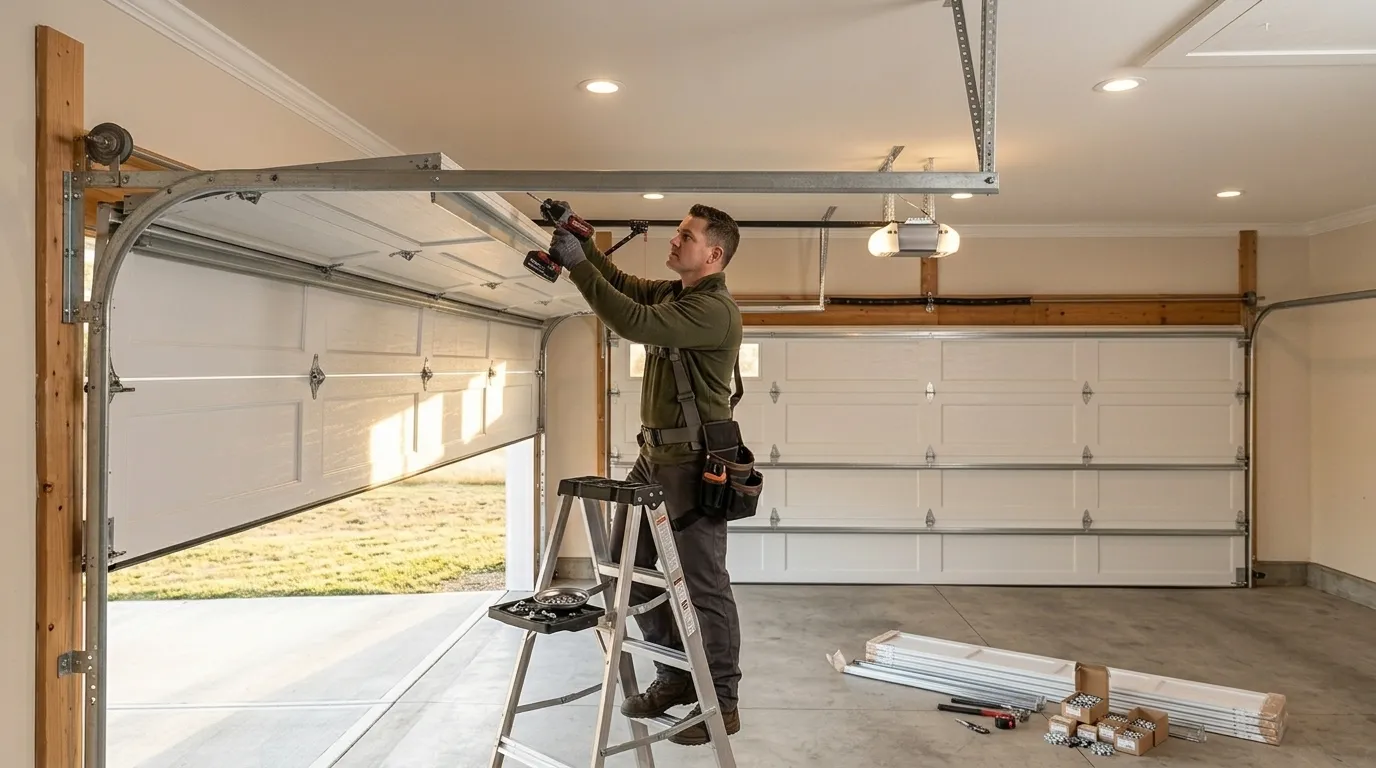
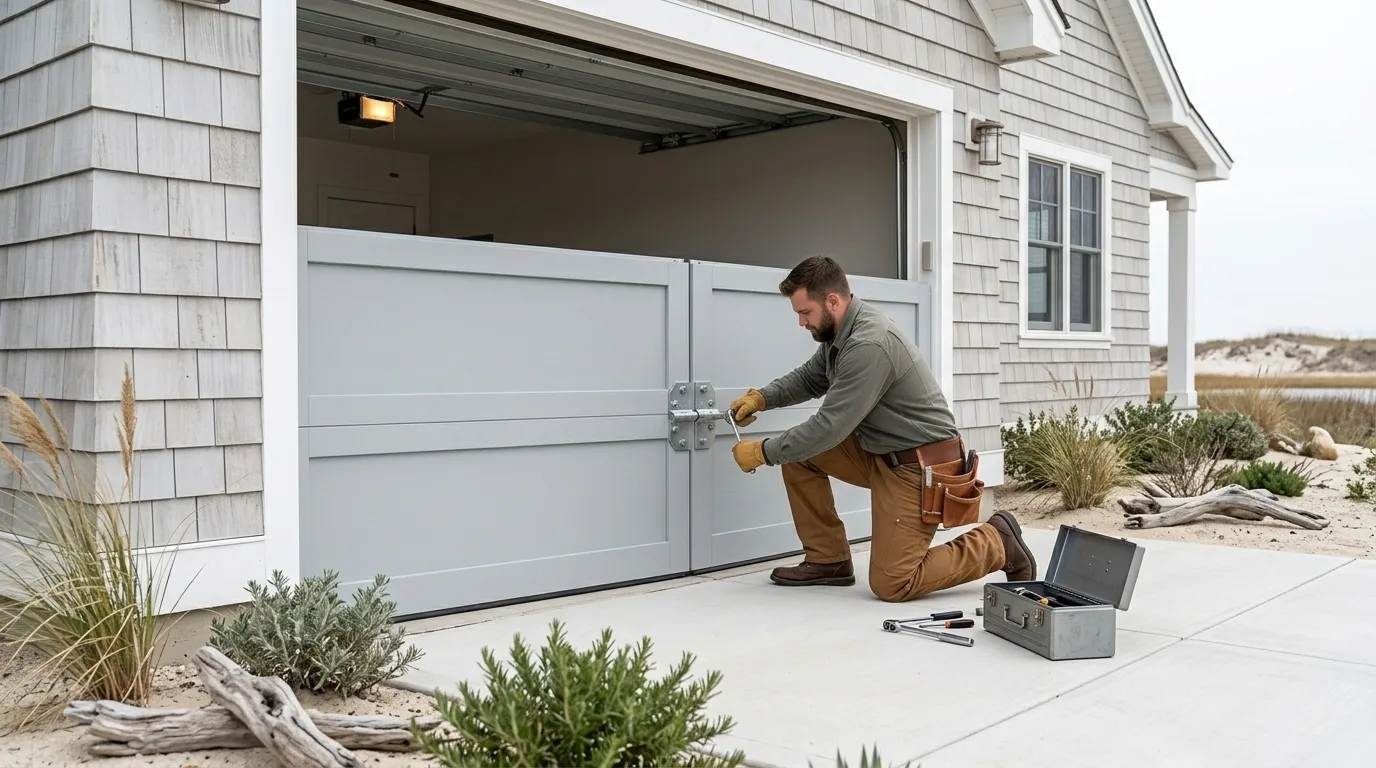
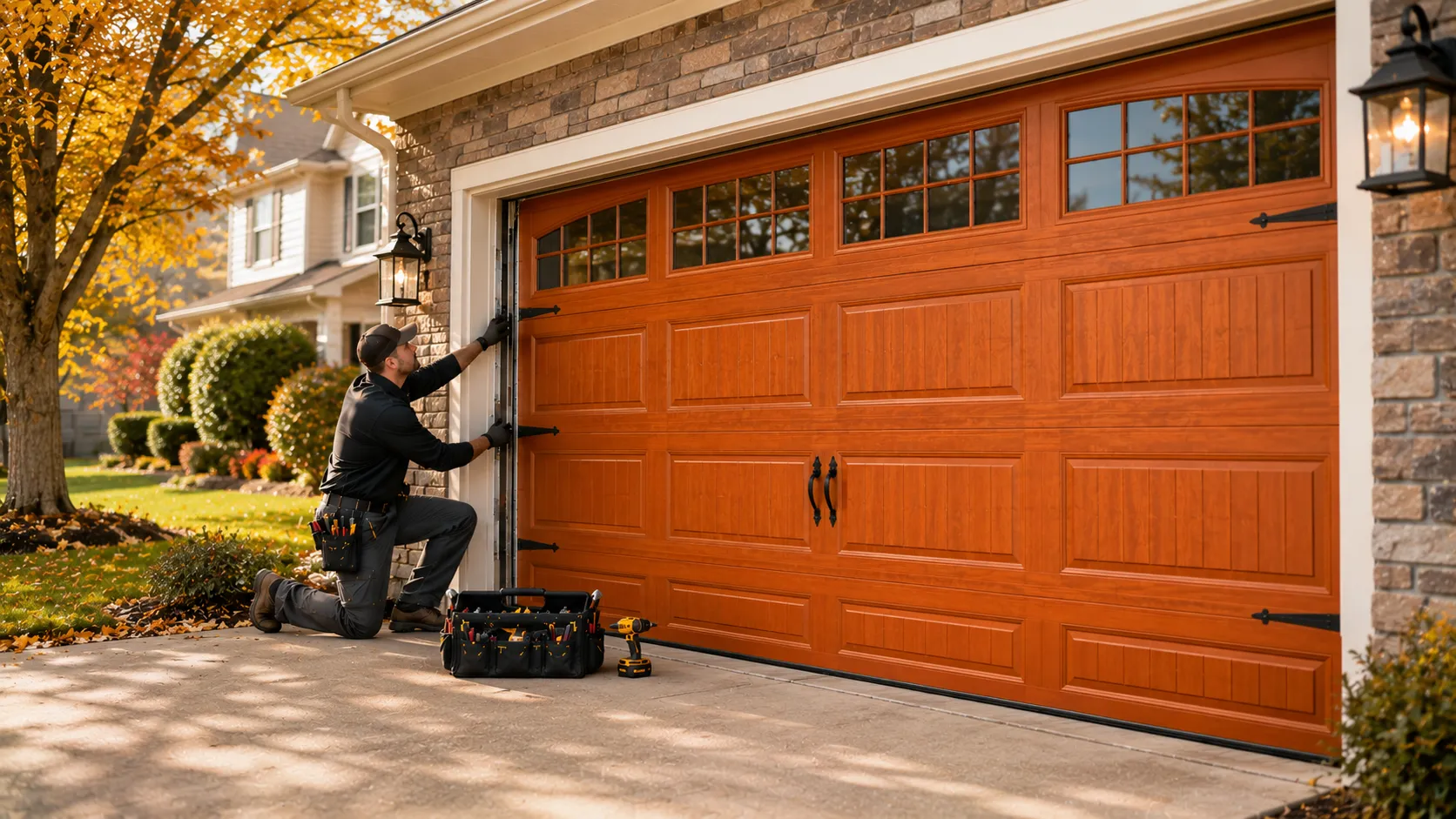
For a town built mostly around 1961, the doors we see most are older steel sections on torsion springs, sometimes with the spring mounted differently than what you'd find on a 1980s build. We stock common torsion springs, extension springs, standard rollers, and cables that fit most residential doors from that era through the newer end of the area's 1957-2002 range.
What we don't always have on the truck the first visit: obsolete opener logic boards for openers no longer made, and odd-width panels for doors that were custom-ordered decades ago. If your door falls into either category, expect a return trip once the part is in hand. We'd rather say that up front than promise a same-visit fix we can't deliver.
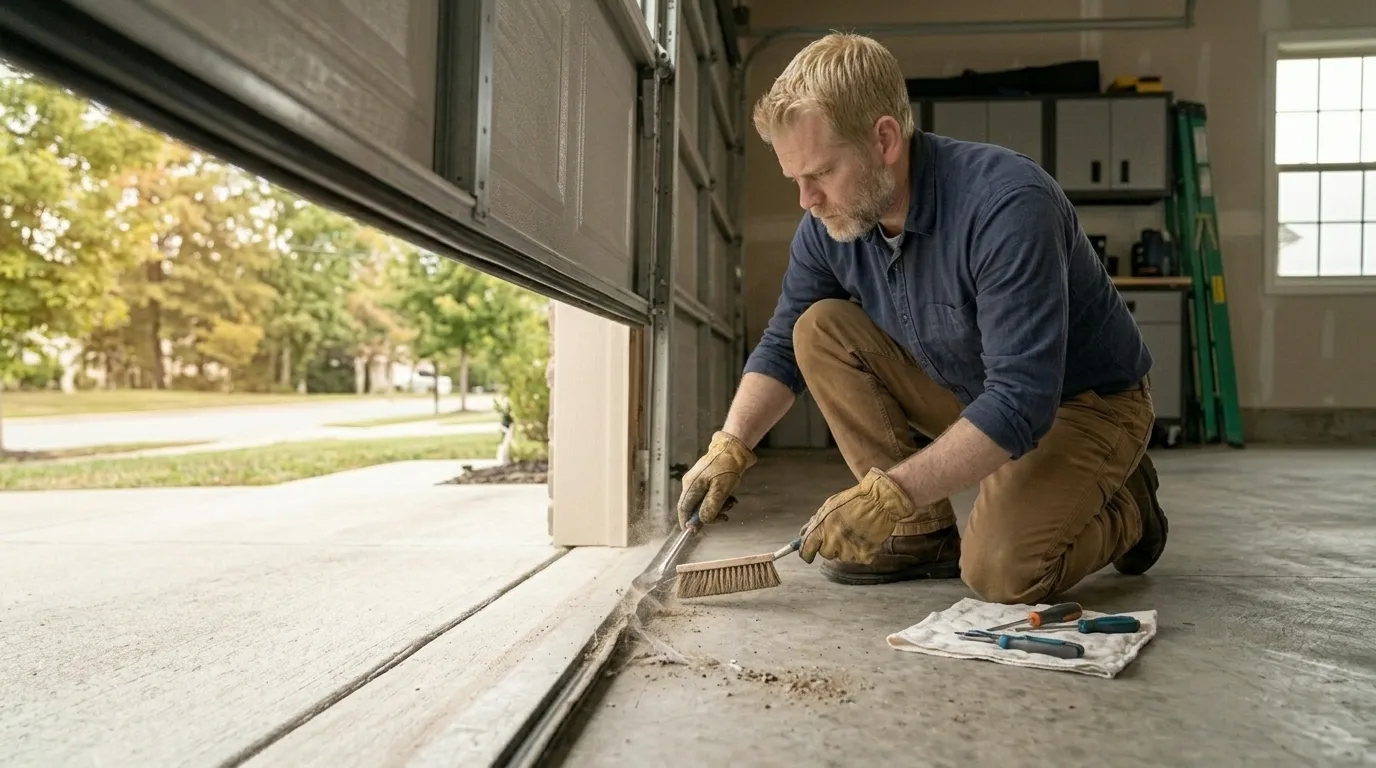
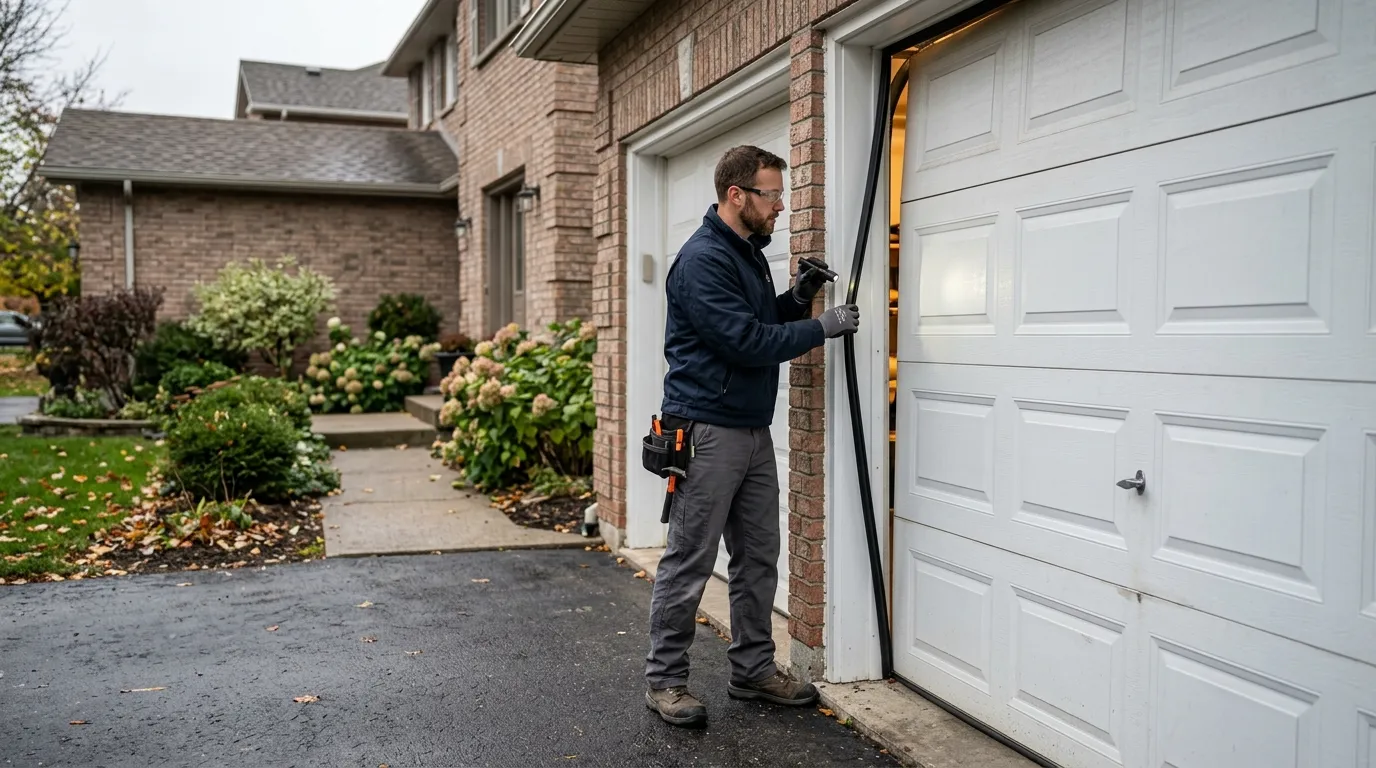
Given the area's cold moderate climate, we also carry weatherstripping and bottom seals sized for standard residential openings, since seals on older doors here tend to have hardened and cracked well before the door itself fails.
The Symptom
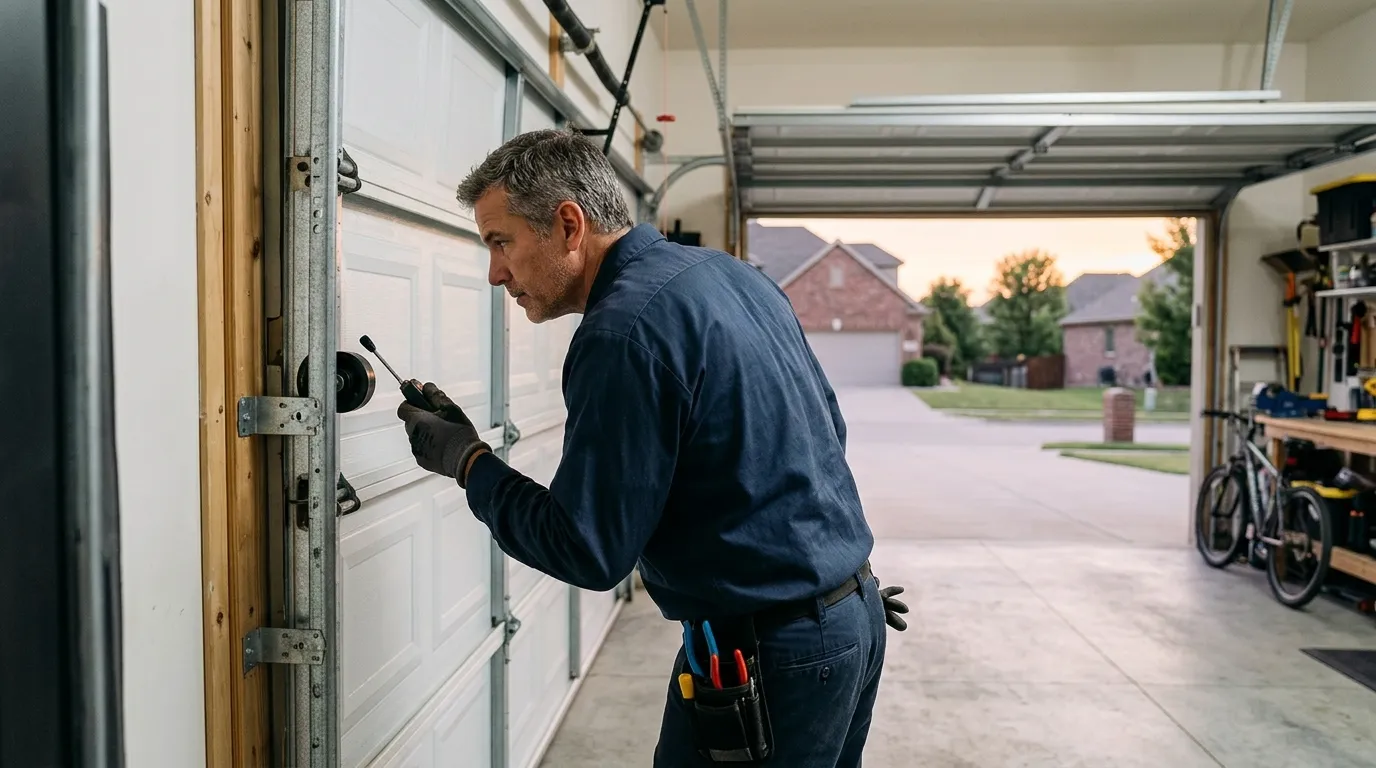
The complaint we hear most from Petersburg is a door that groans, jerks, or won't fully close on the first try - not a door that's stopped working outright. That's consistent with a home built around 1961: the torsion spring has done its job for six decades of temperature swings and is now fatigued rather than snapped.
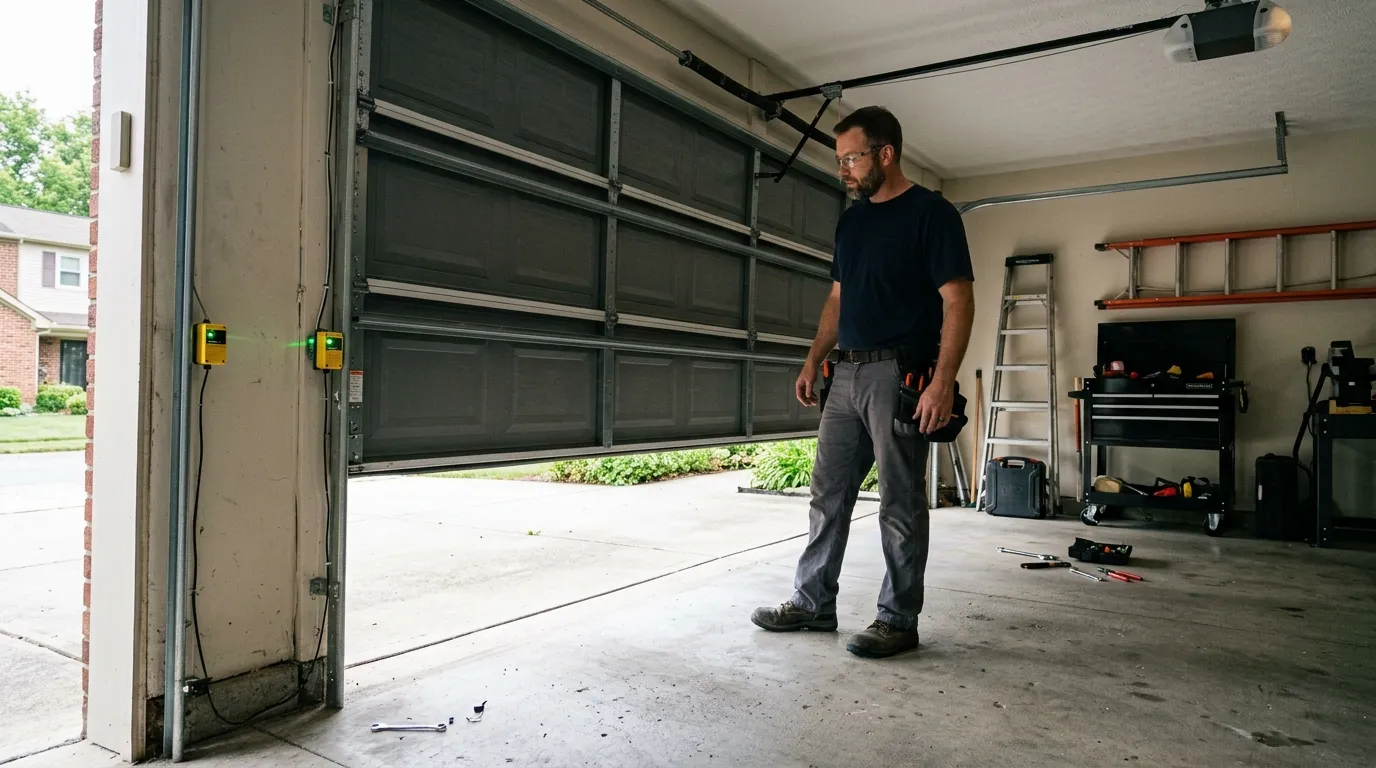
A second common symptom is a door that reverses partway up, or an opener that runs but the door barely moves. On houses this age, that's often a spring that's lost tension gradually rather than broken cleanly, so the opener is doing work the spring used to handle. It's a slower failure than a snapped cable, but it wears the opener motor down faster in the meantime.
What Can Go Wrong
On a door this old, waiting on a fatigued spring usually ends one of two ways. Either the spring finally lets go while the door is in motion, which can drop the door hard and damage the tracks or bottom panel, or the opener burns out trying to lift a door the spring can no longer help with. Motor replacement on a residential opener isn't cheap, and it's an avoidable cost if the spring gets replaced first.
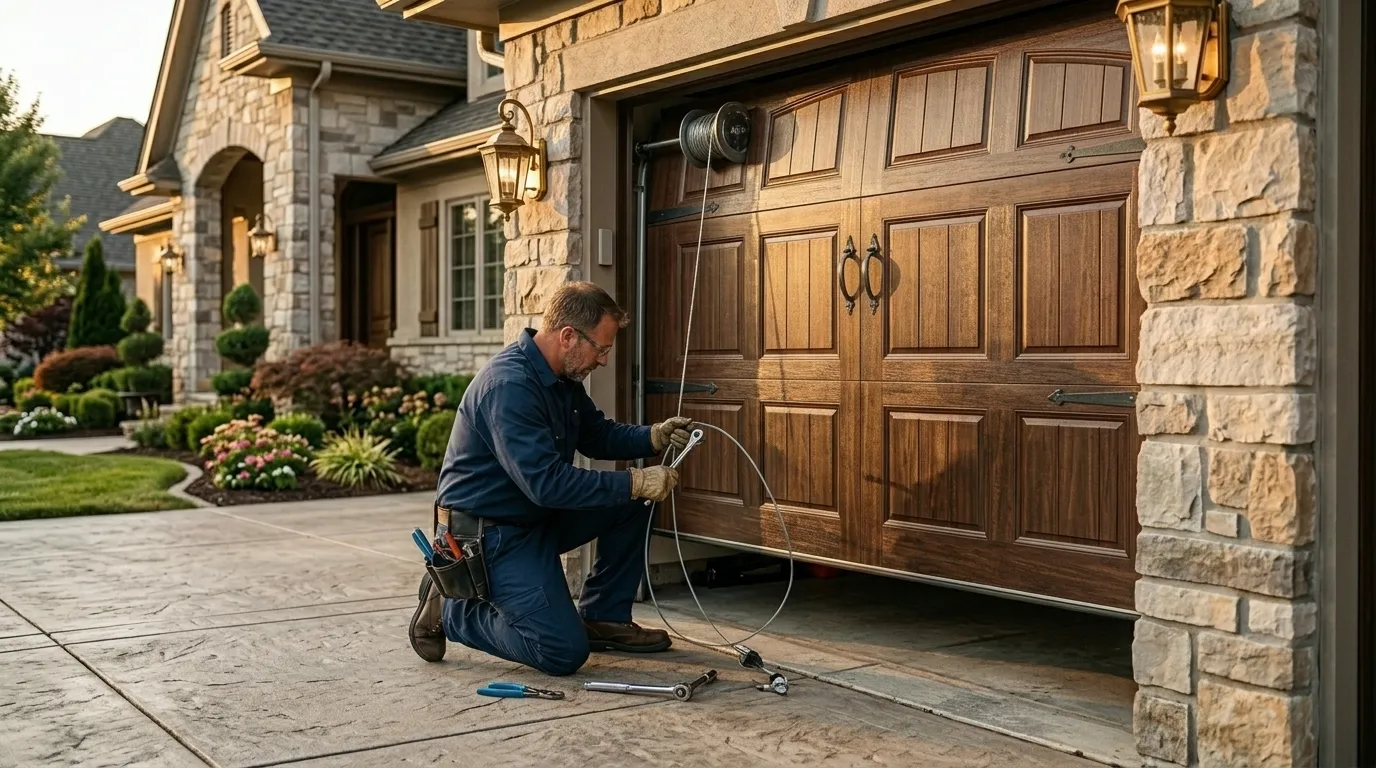
We've also seen cables fray on doors from this era where the drum has worn unevenly over the years - not common, but common enough on 1960s stock that we check it every visit. The honest limitation here: if a panel needs replacing on an older custom-width door and the original size isn't made anymore, we may need to special-order or discuss a broader section swap rather than a single-panel match.
How Long It Takes
A spring or cable job on a standard-width door usually wraps in one visit once we're on site, parts in hand. What adds time in Petersburg specifically is the trip itself - we're coming from Springfield, about 19 miles out, so scheduling is built around routing rather than an on-demand same-hour promise.
If a part isn't standard stock, expect the job to split into two visits: one to diagnose and order, one to install. With roughly 1,247 households in Petersburg and a housing stock concentrated in a narrow build window, we've gotten a decent read on which hardware tends to need ordering versus which is already on the truck - but we won't quote a timeline until we've actually looked at your door.