The Symptom
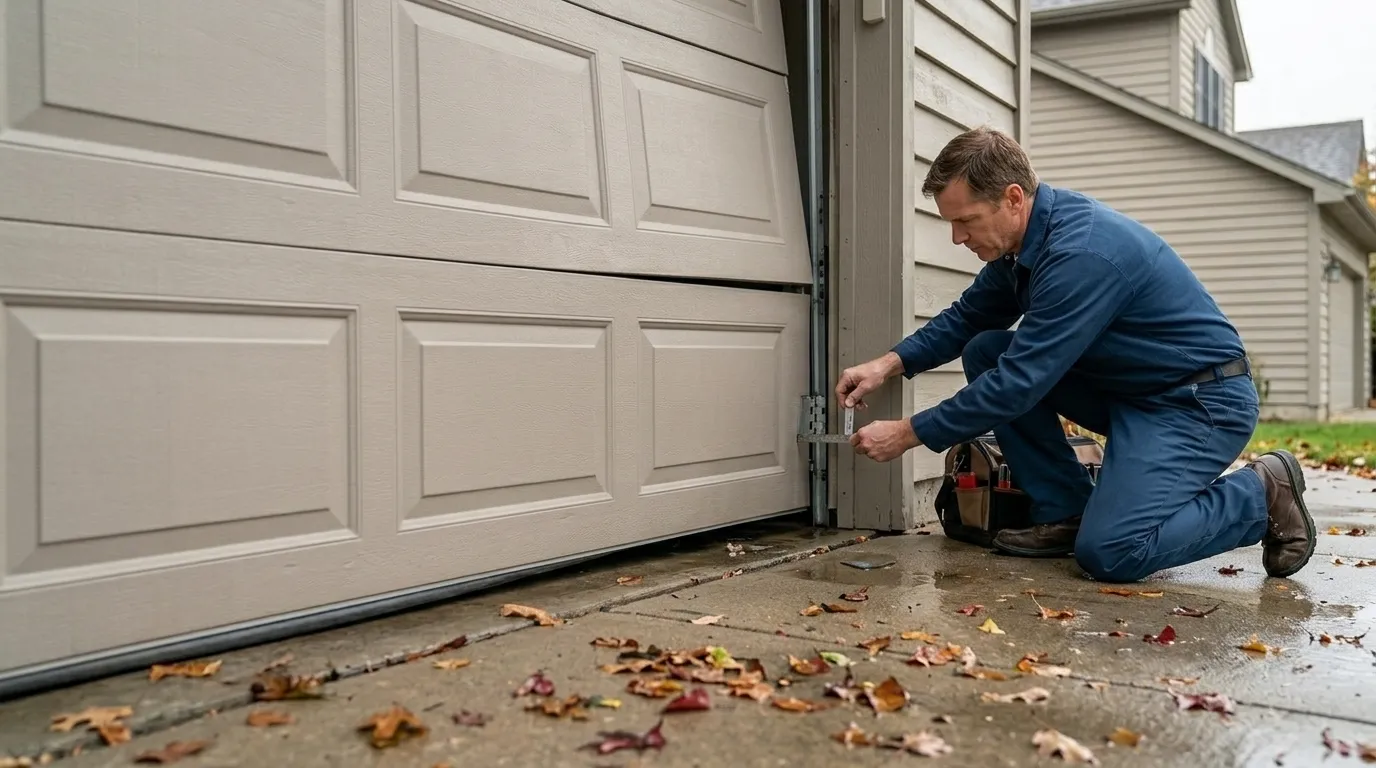
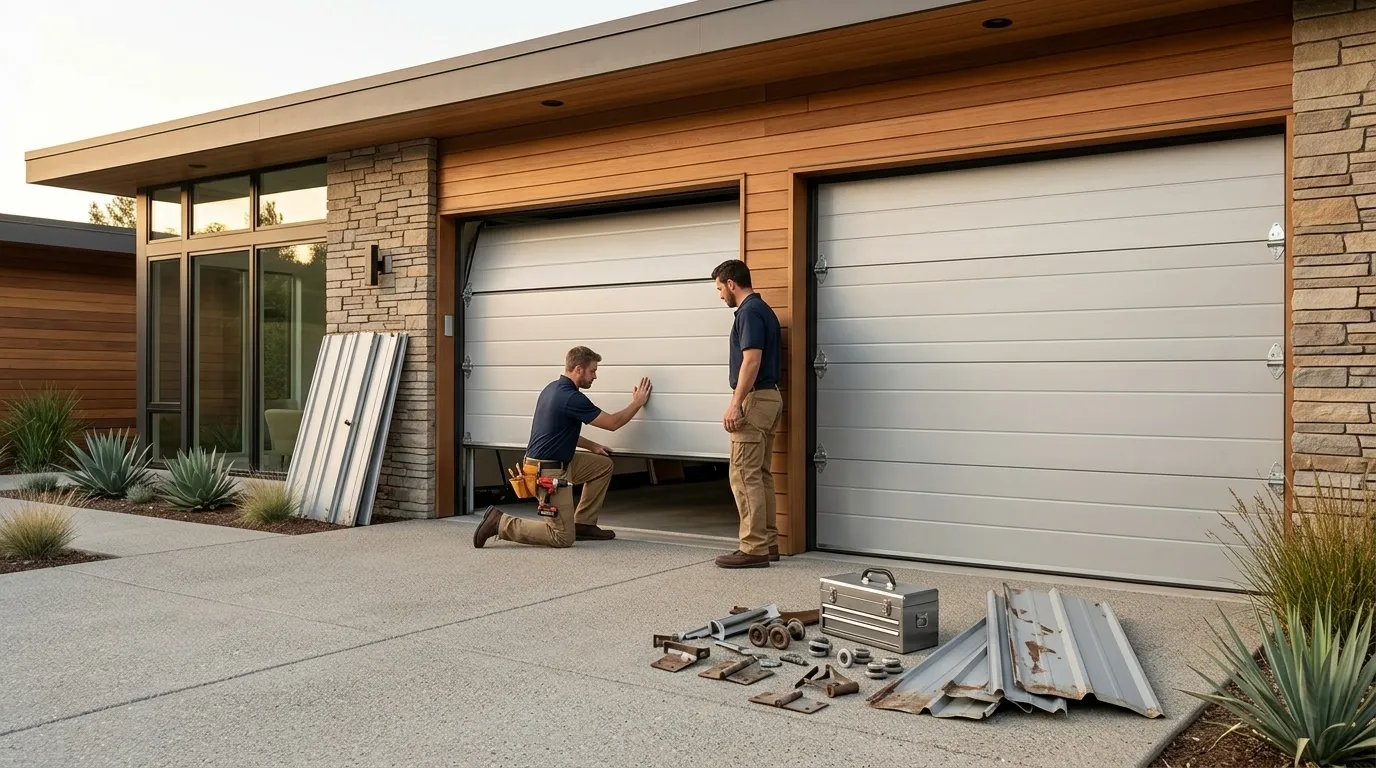
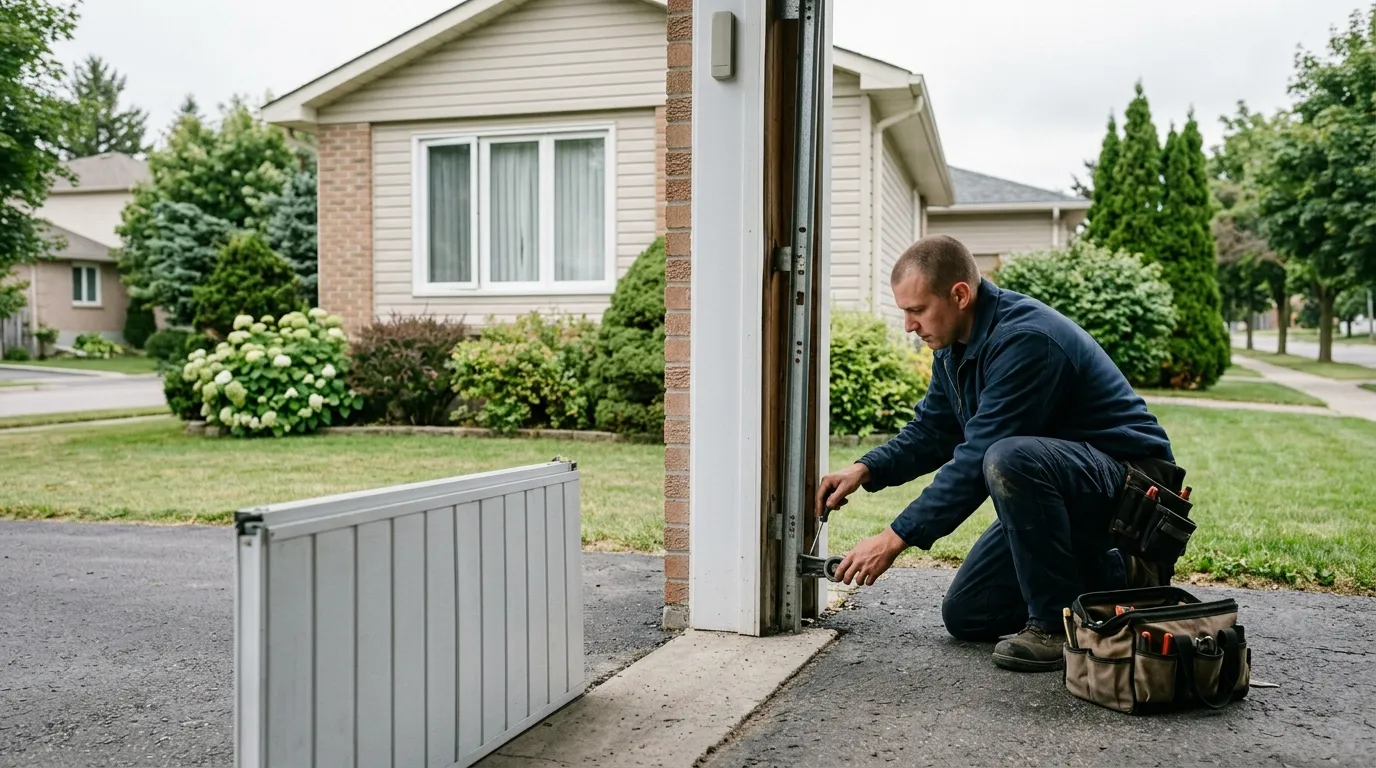
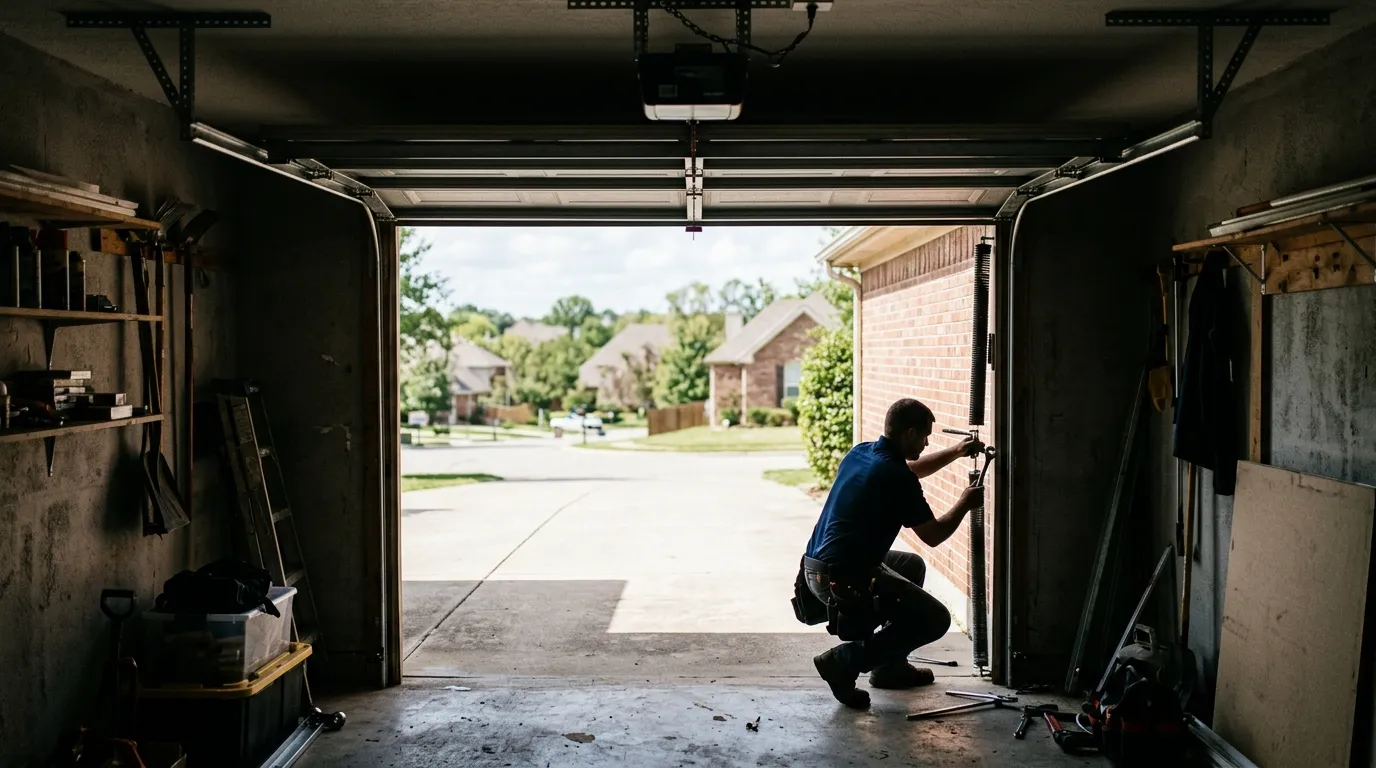
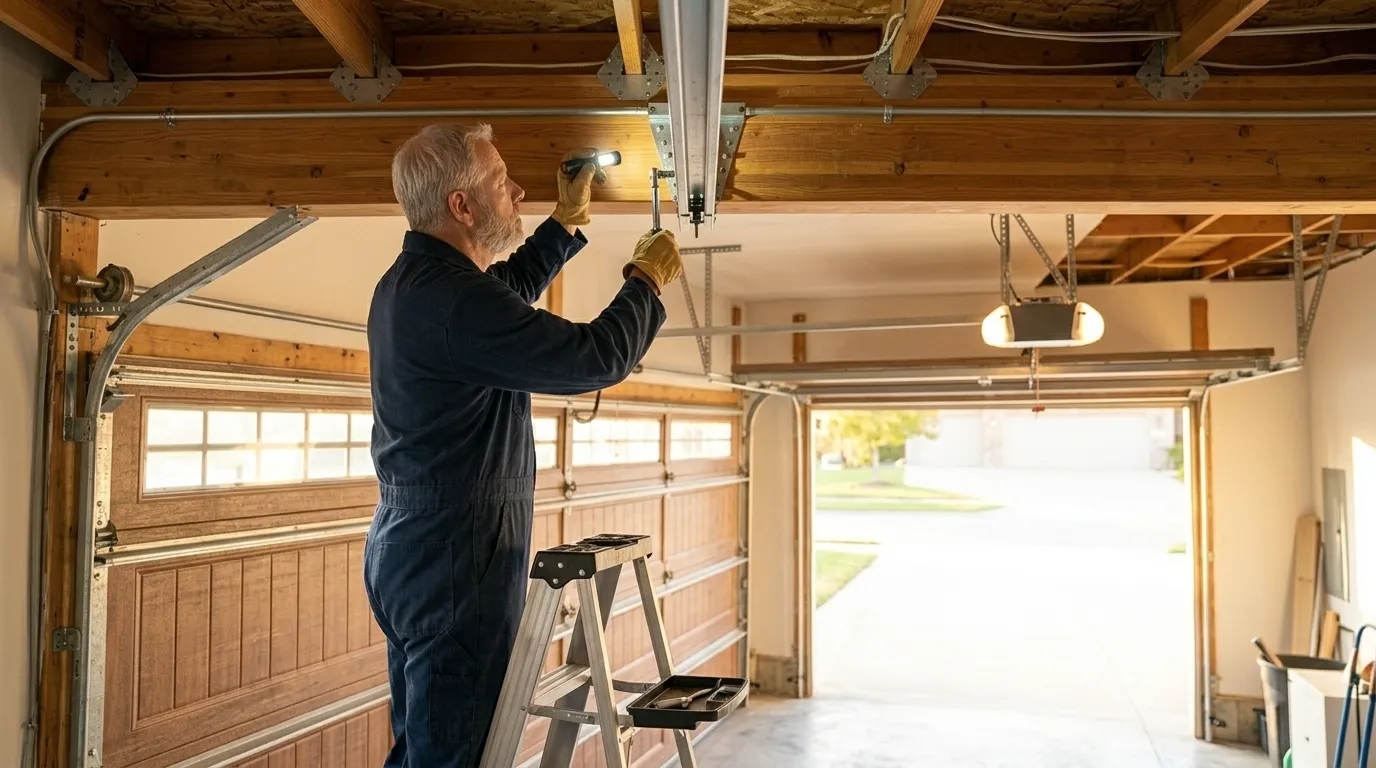
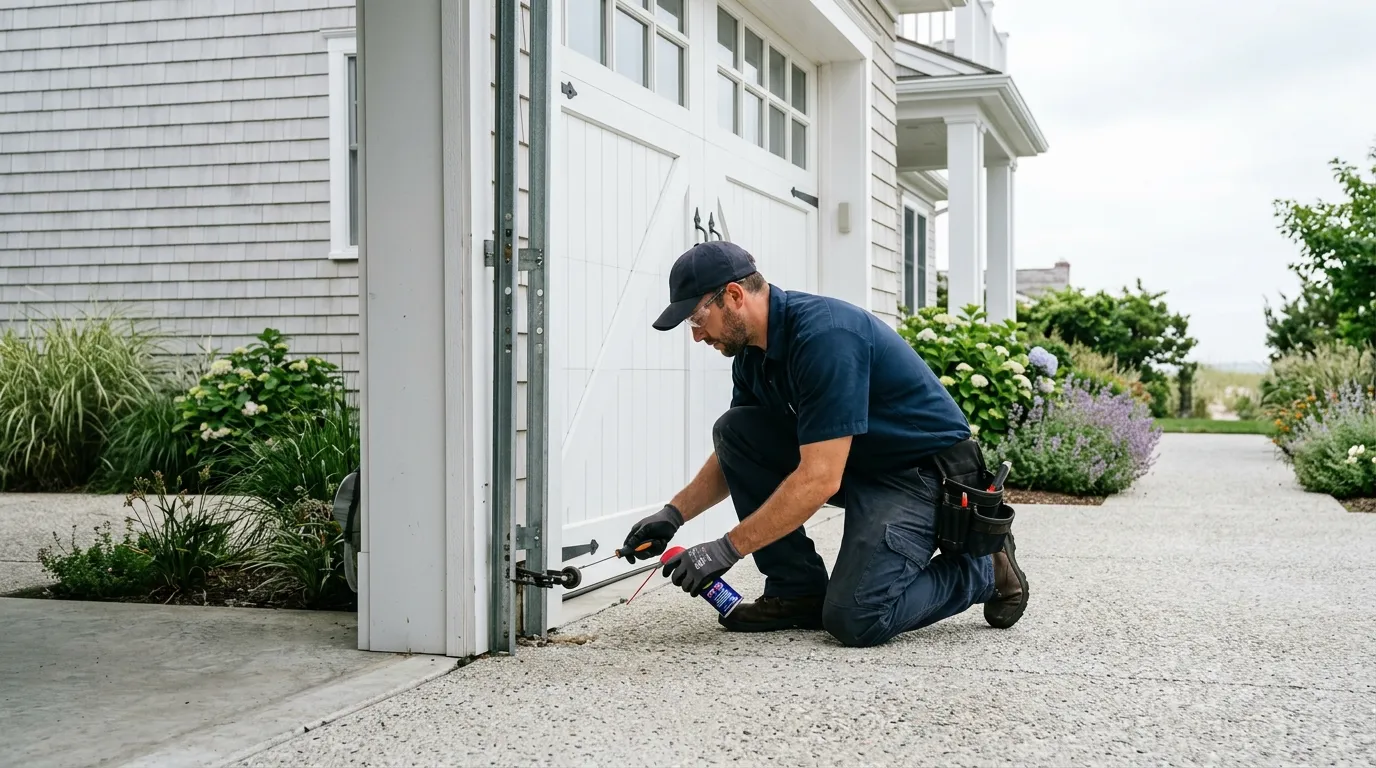
The complaint we hear from this area is almost always the same: a grinding or rattling sound every time the door opens, worse in cold weather. That's consistent with steel rollers on steel track, which is what most doors built here around 1972 have - metal-on-metal contact gets louder as the roller bearing wears and the lubrication dries out. Some owners also notice the door catching or jerking partway up, which usually means one or two rollers have flat-spotted or seized in their bracket rather than turning freely. If the noise is only on one side of the door, that's often a single bad roller near the bottom, not a spring or cable problem - worth knowing before you assume the worst and call about something bigger than it is.
Booking a Visit
We run this job out of Springfield, about 14 miles from Pawnee, so a visit here gets scheduled rather than dropped in same-day. When you call, tell us the door's size (single or double), roughly how old the house is, and what the noise sounds like - that lets us bring the right roller stem length and bearing type on the first trip instead of a second one. We don't keep a branch or a standing crew in Pawnee itself; every job here is a truck sent out from the shop, which is worth knowing if you're comparing us to someone advertising a same-day guarantee they can't back with a local yard.
Can You Do This Yourself
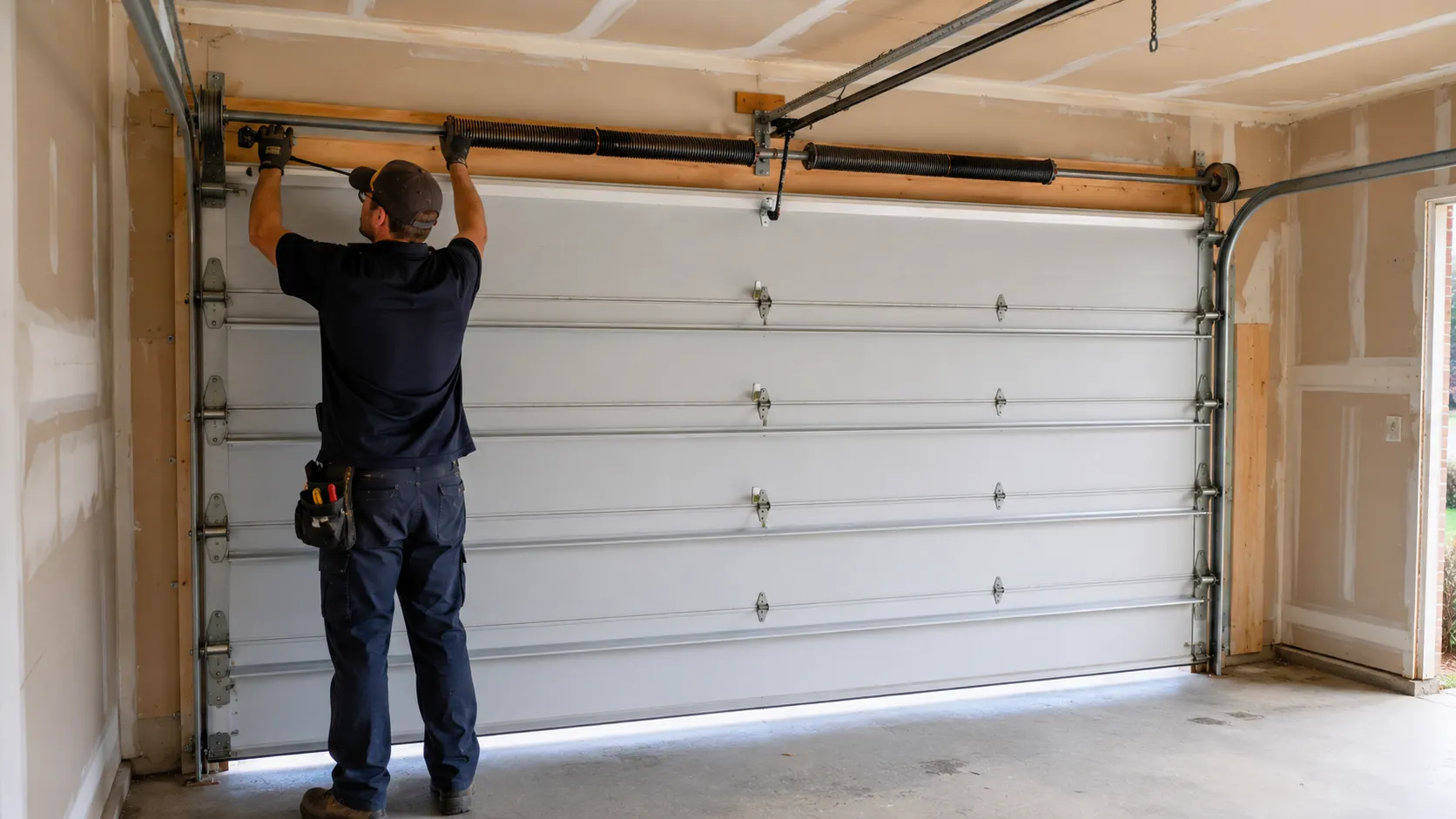
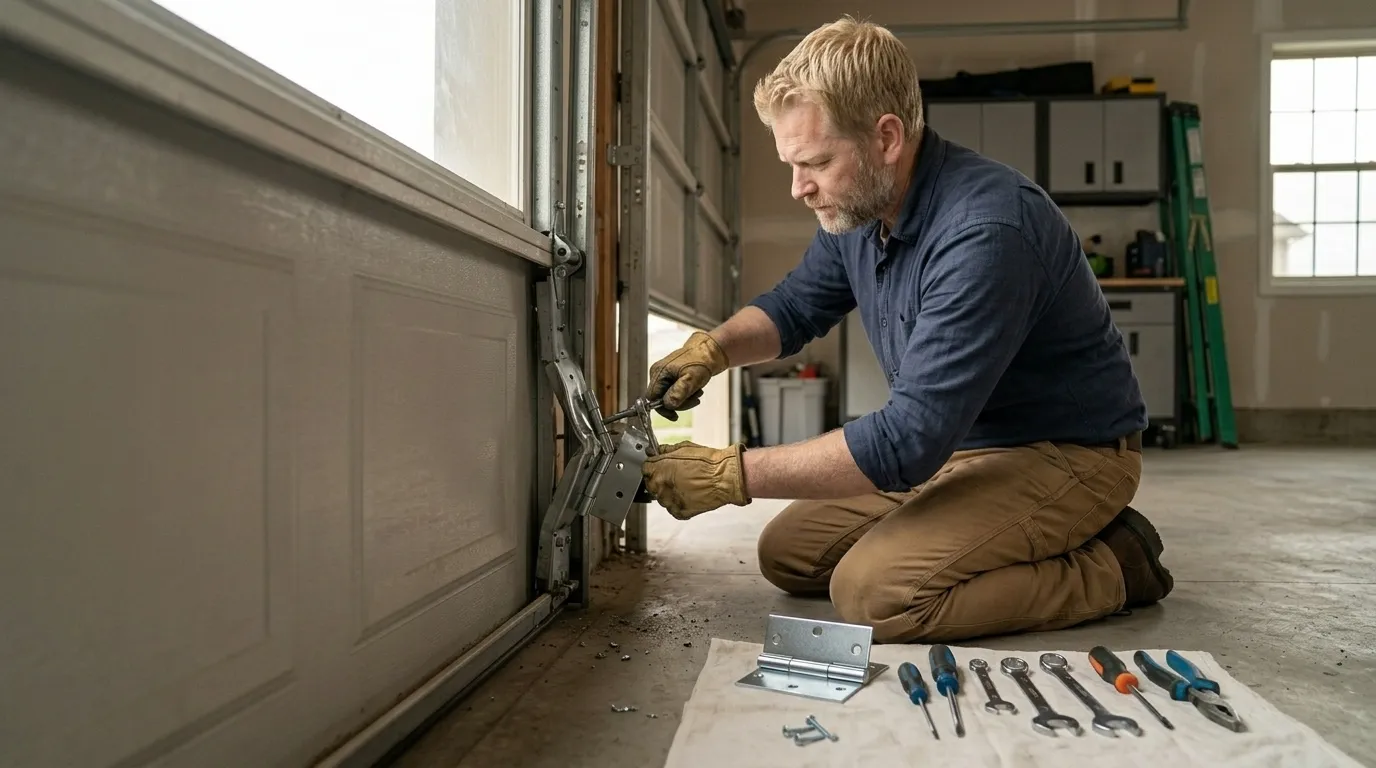
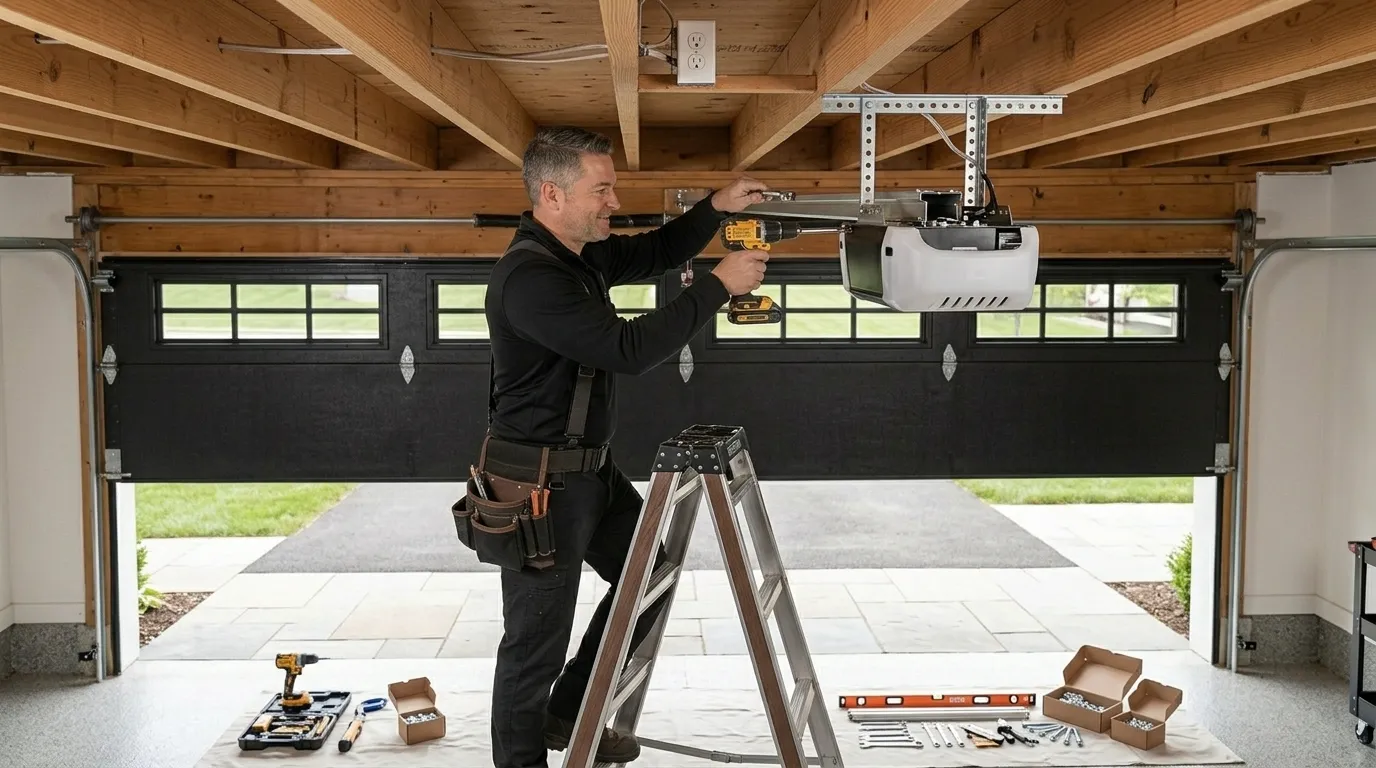
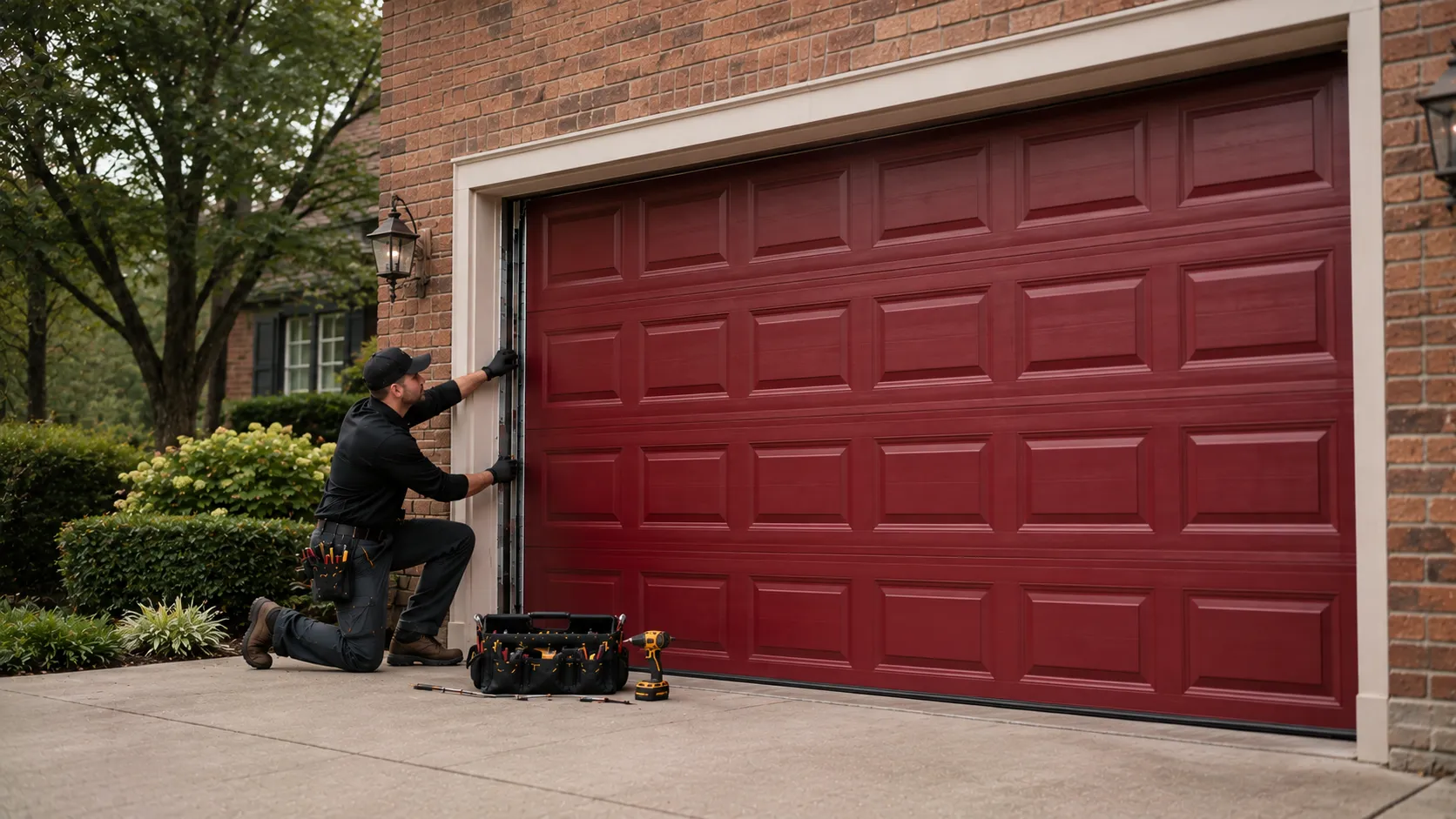
Replacing rollers on a door with no spring tension issue - meaning the door isn't stuck shut or crooked - is within reach for someone comfortable with a ladder and vice-grips to hold the door section steady. Bottom rollers are the easiest; top rollers near the spring and cable system are where we'd tell most owners to stop and call, because that's where a mistake turns a $20 part into a trip to the ER. If your door is one of the original steel sectionals from the early 1970s, expect the brackets to be rusted enough that penetrating oil and patience matter more than force.
What Causes It Around Here
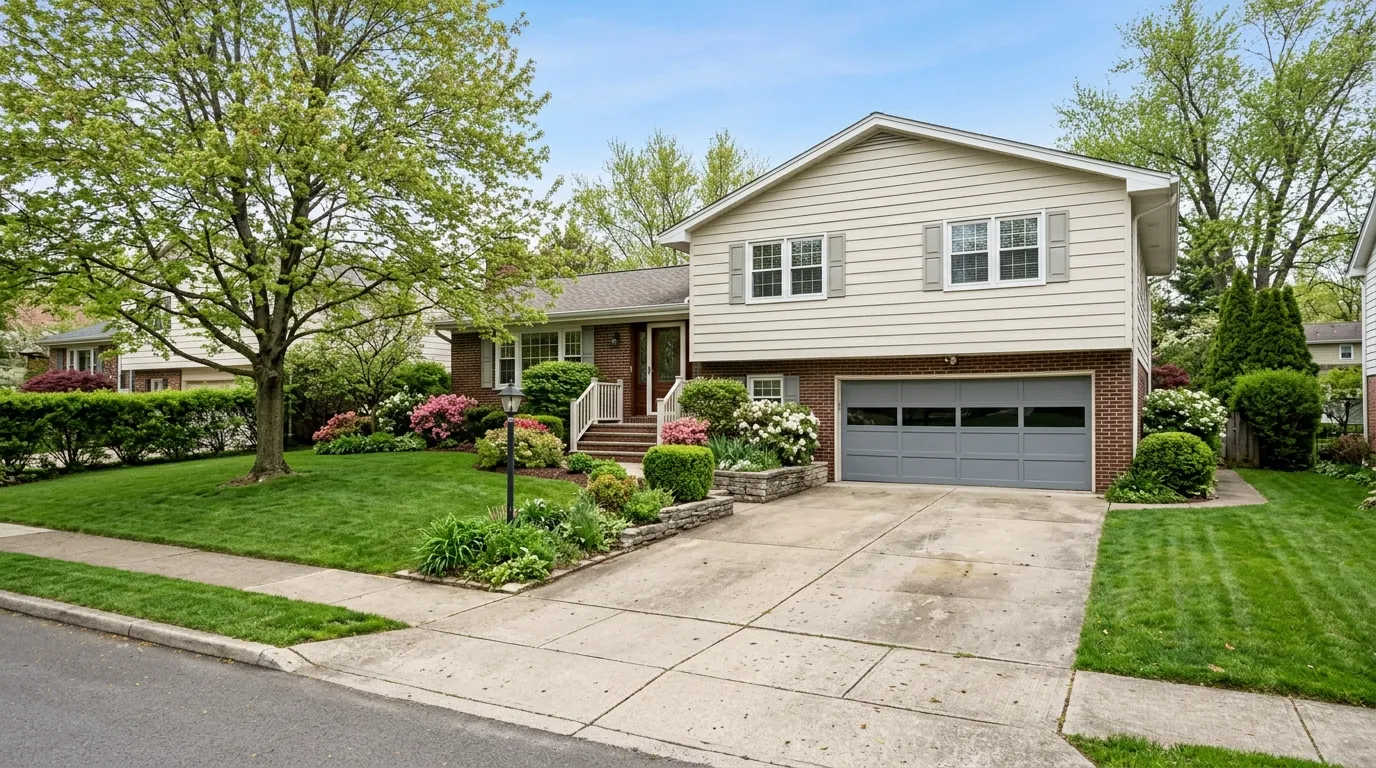
Housing in this part of the service area mostly went up between the late 1950s and the early 2000s, with Pawnee's homes landing right around 1972 on median - squarely in the era when steel rollers on steel track were the standard build, before nylon rollers became common upgrades. Add a cold-winter climate that puts steel through repeated freeze-thaw cycling, and roller wear here tends to show up as noise and stiffness well before the roller itself physically fails. It's less about how the door is used and more about what it was built with fifty years ago, and how that hardware has held up since.