The Symptom
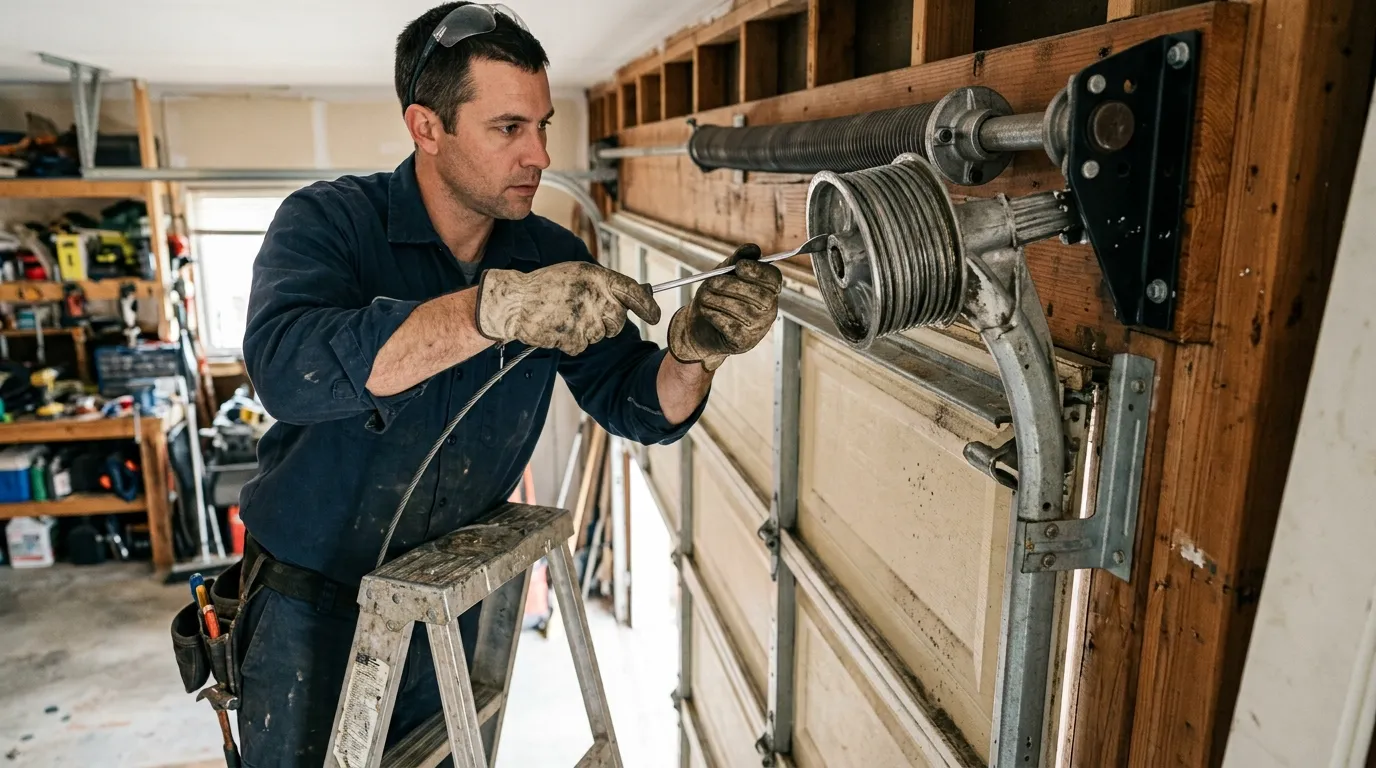
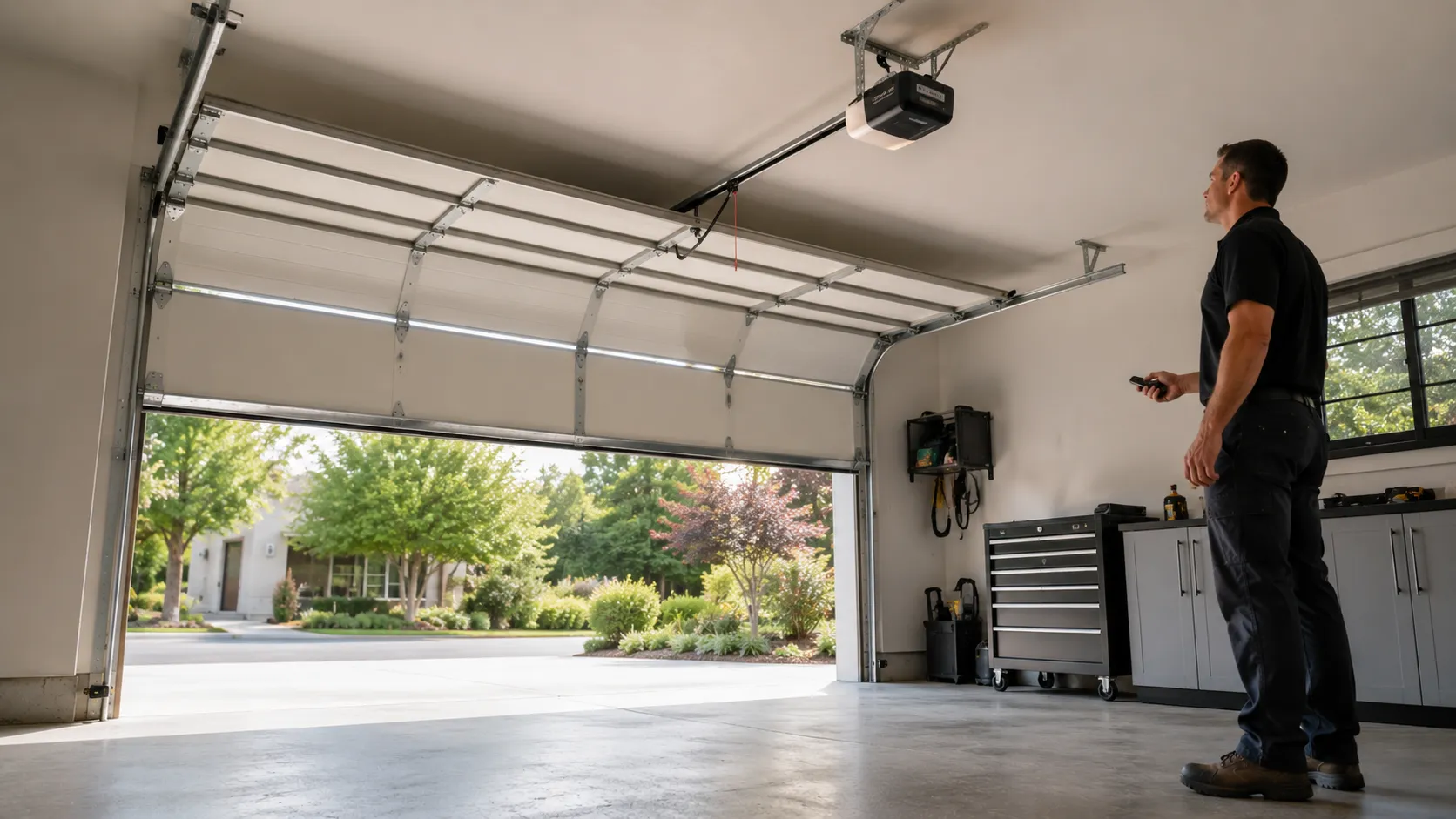
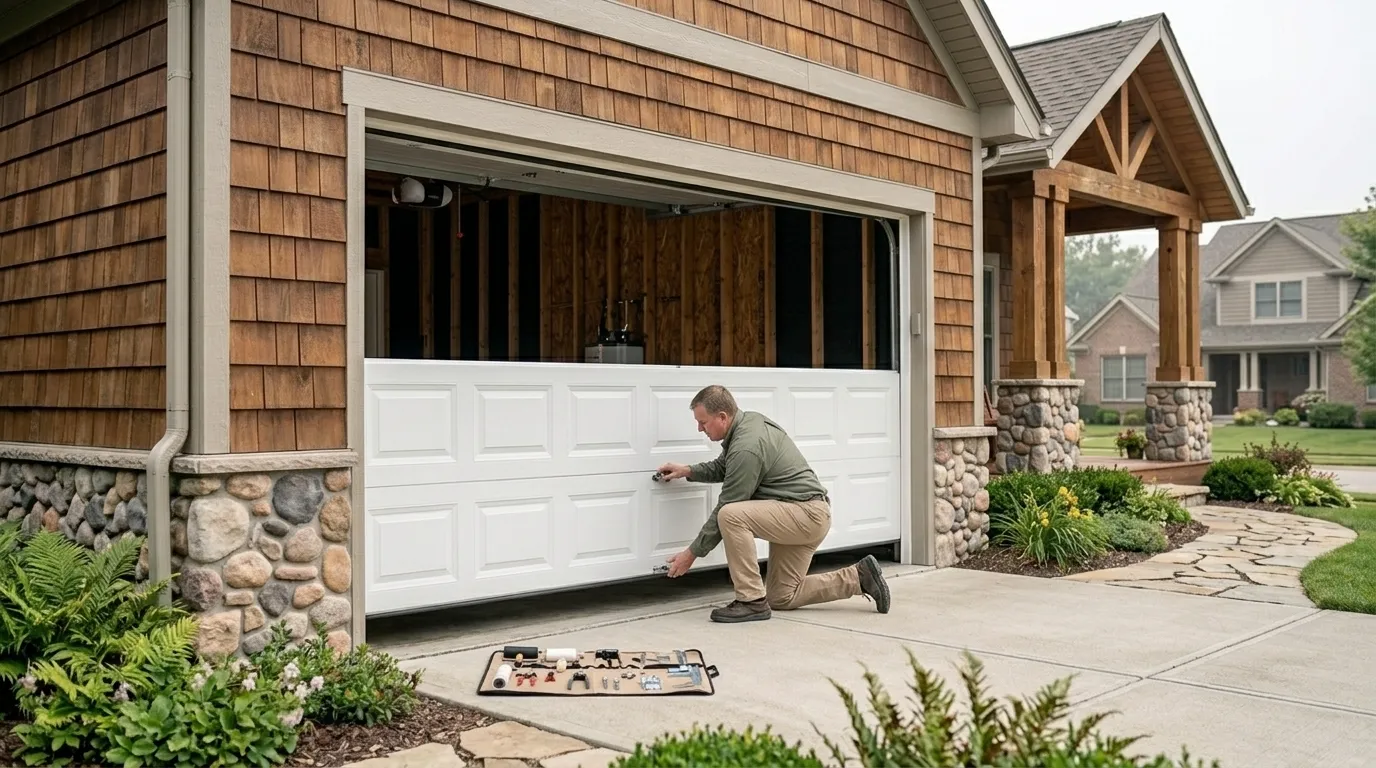
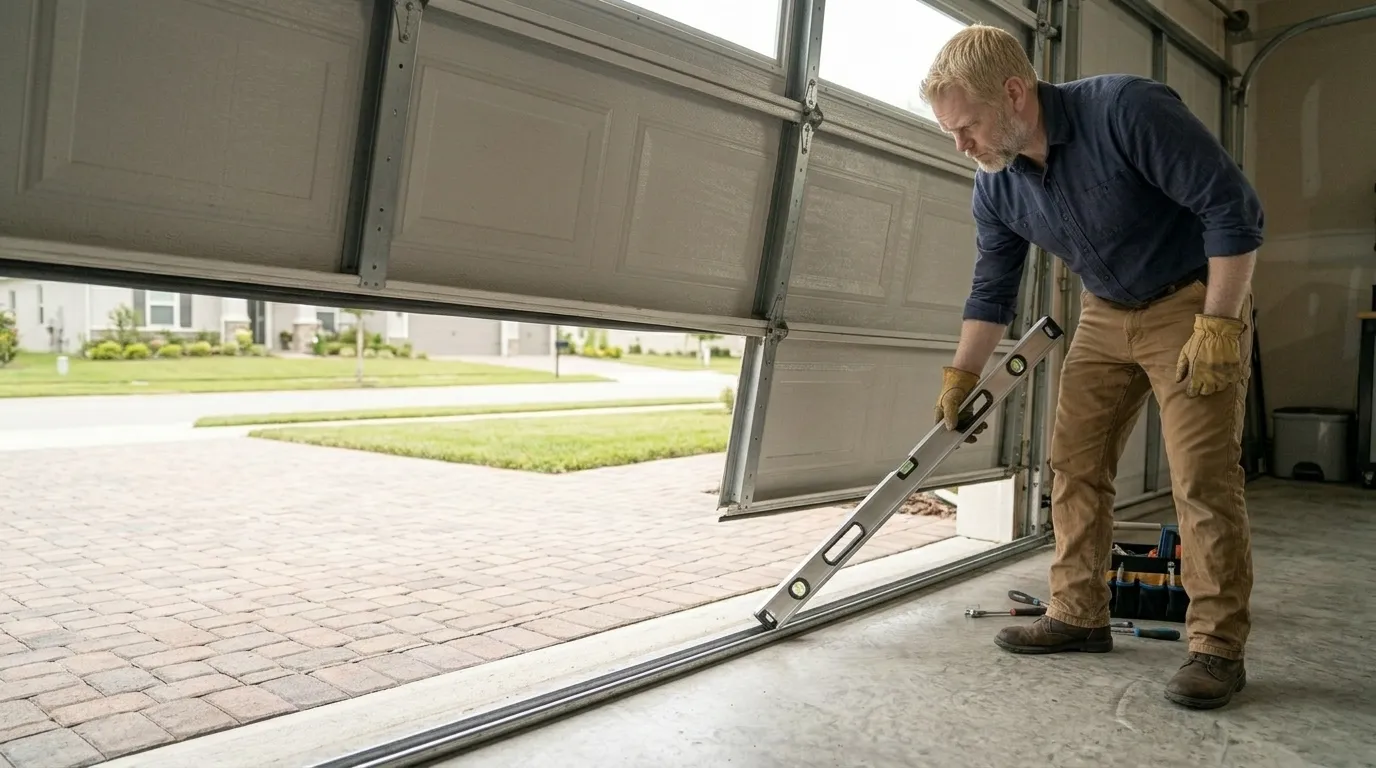
The door that won't open, or opens partway and stops, is the call we get most from this area. On houses built in the early 1970s - which is the median year here - that symptom is almost always a torsion spring that's lost tension or snapped outright, not the opener itself. Owners hear the bang, sometimes weeks before the door quits, and write it off as the house settling. It's the spring letting go. On newer builds within the same stretch the pattern shifts toward worn rollers or a photo-eye sensor that's drifted out of alignment, since those systems came standard later than the torsion hardware did.
Booking a Visit
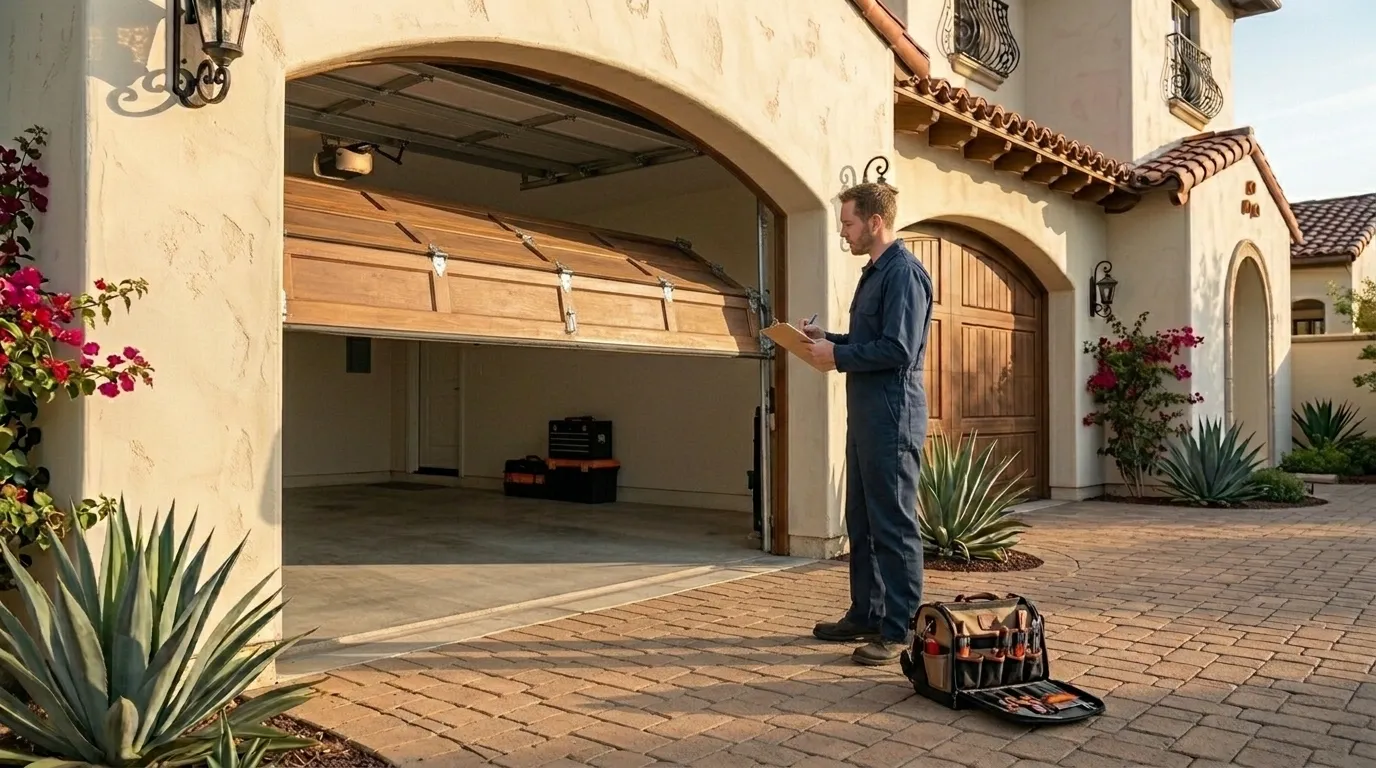
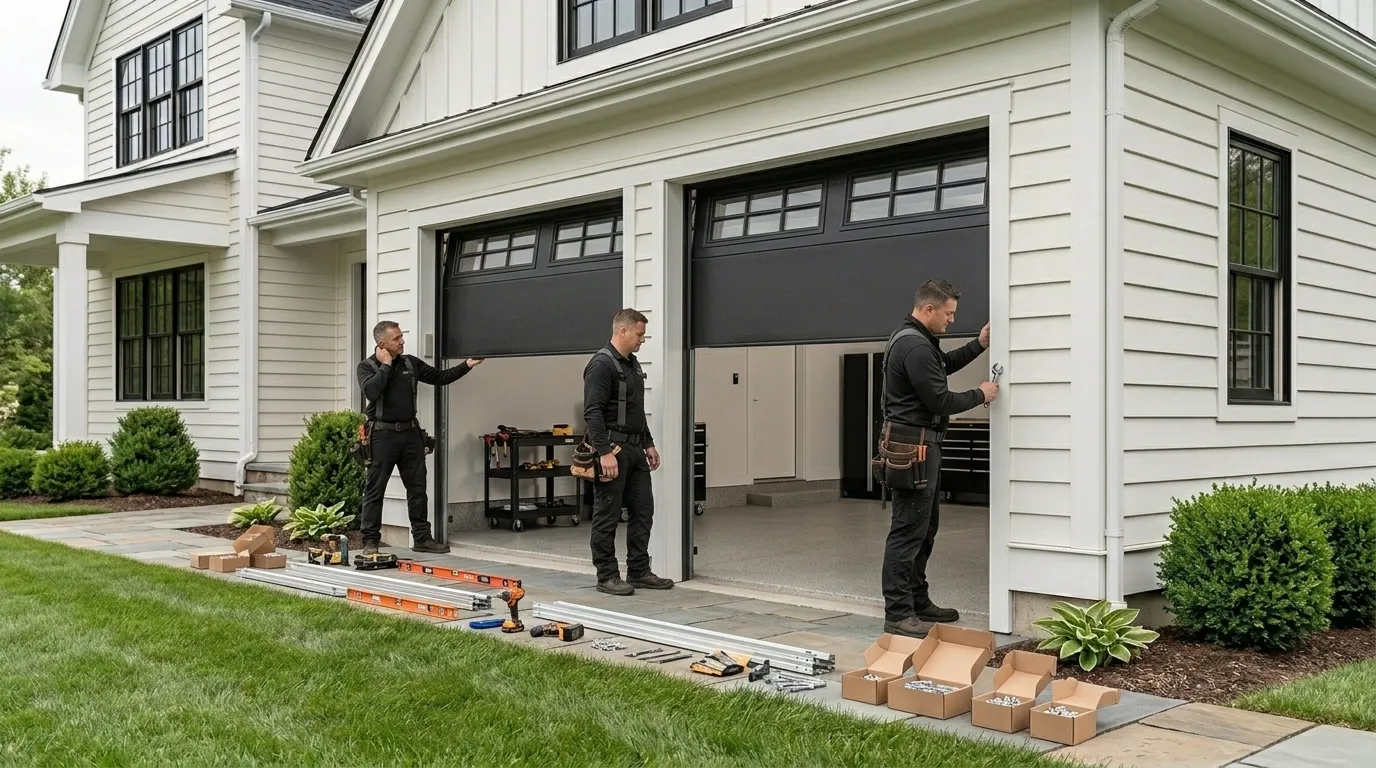
We schedule Pawnee calls from Springfield, so booking works the same way it would for any stop on that 14-mile stretch: you tell us what the door is doing, we tell you what we expect to find and what we'll bring, and we set a window. There's no local branch or drop-in counter here - the truck comes from Springfield, does the job, and heads to the next stop. That means we ask a few more questions up front than a shop around the corner would, mainly so we're not standing in your driveway waiting on a part we should have had with us.
Can You Do This Yourself
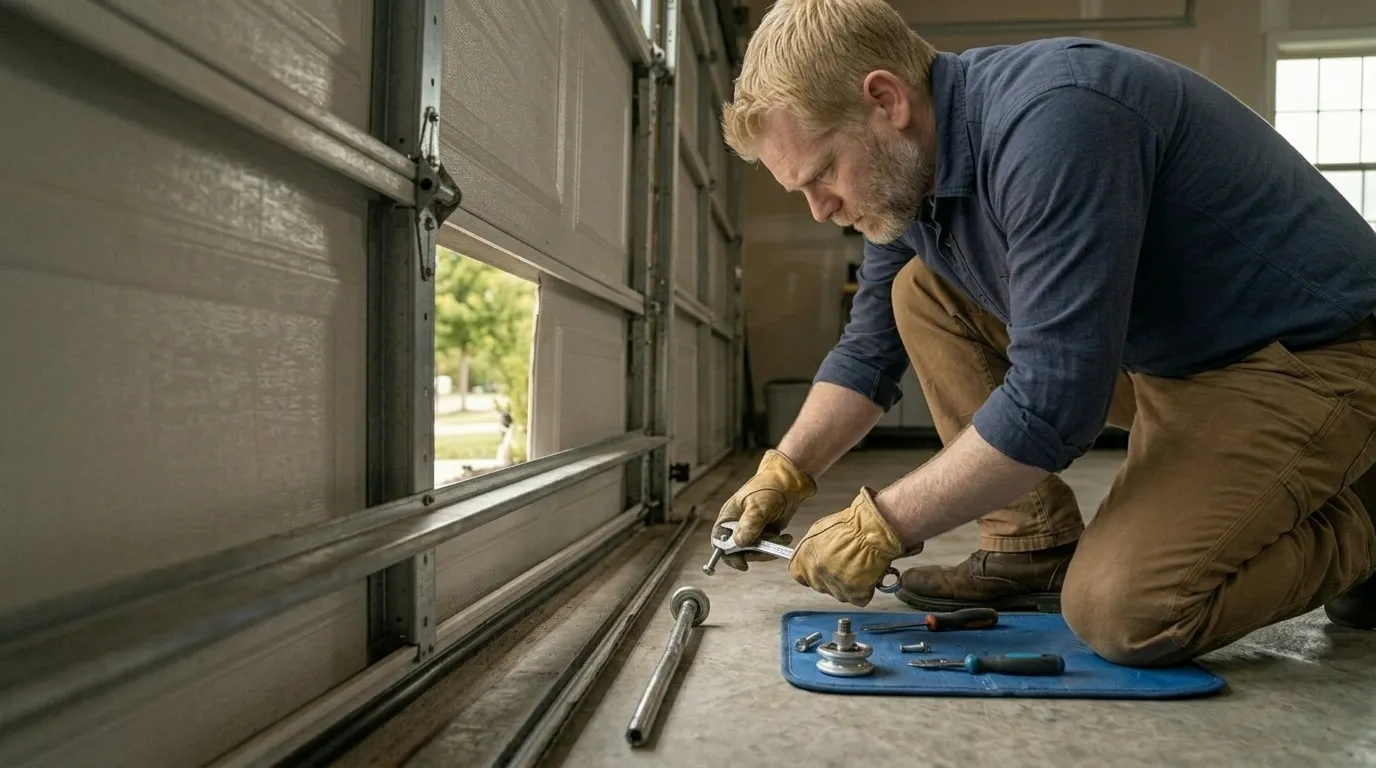
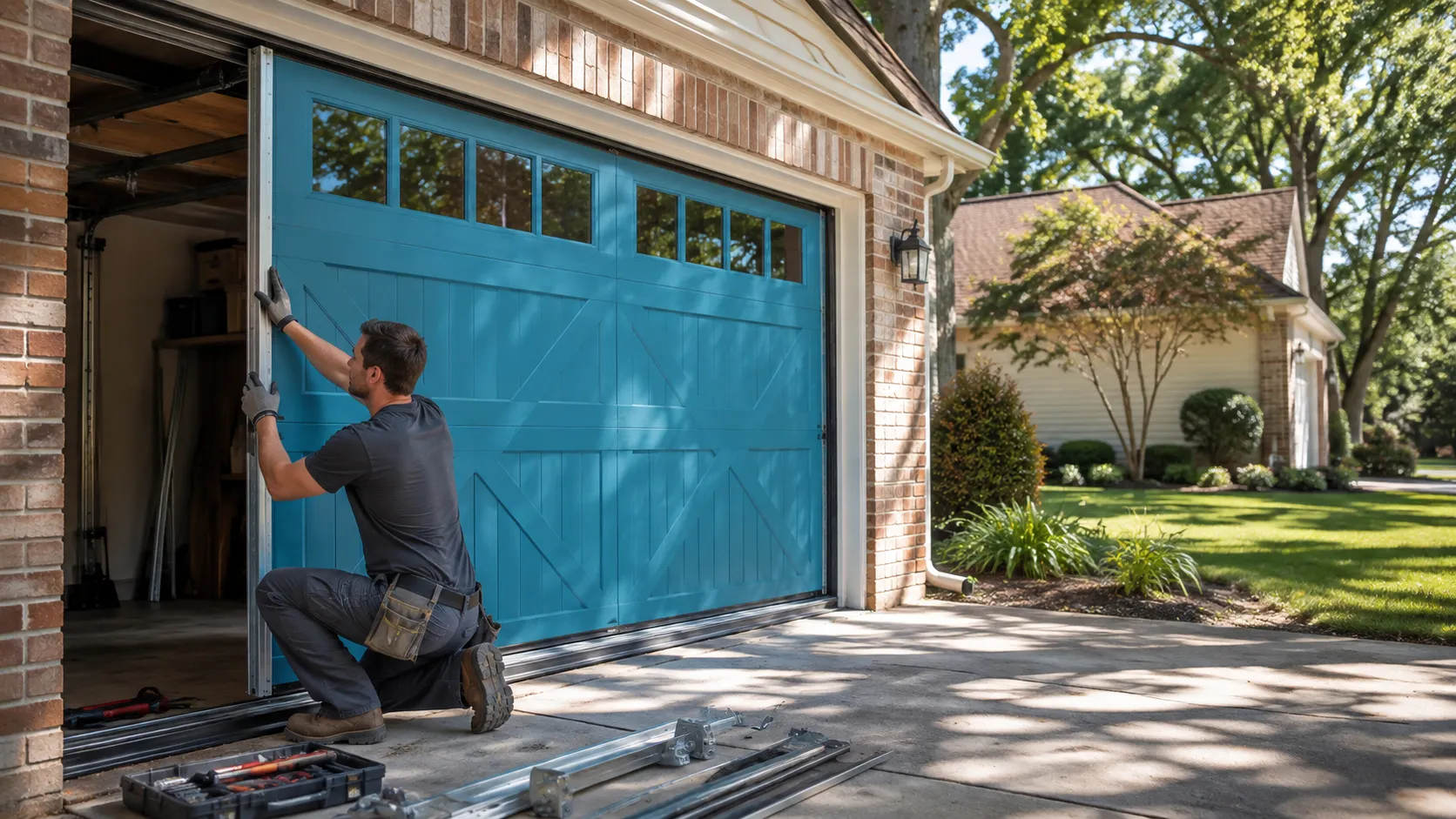
Replacing rollers or tightening hinges on a door that still opens fine is reasonable weekend work if you're comfortable with a ladder and a socket set. Torsion springs are not - they're wound under enough tension to break a bone or worse if the winding bars slip, and that's true whether the door is ten years old or fifty. If your door won't budge, or moves and then drops, leave the spring and cable work to someone who does it daily. We'd rather talk you out of a job that's outside your comfort than get a call after.
What Causes It Around Here
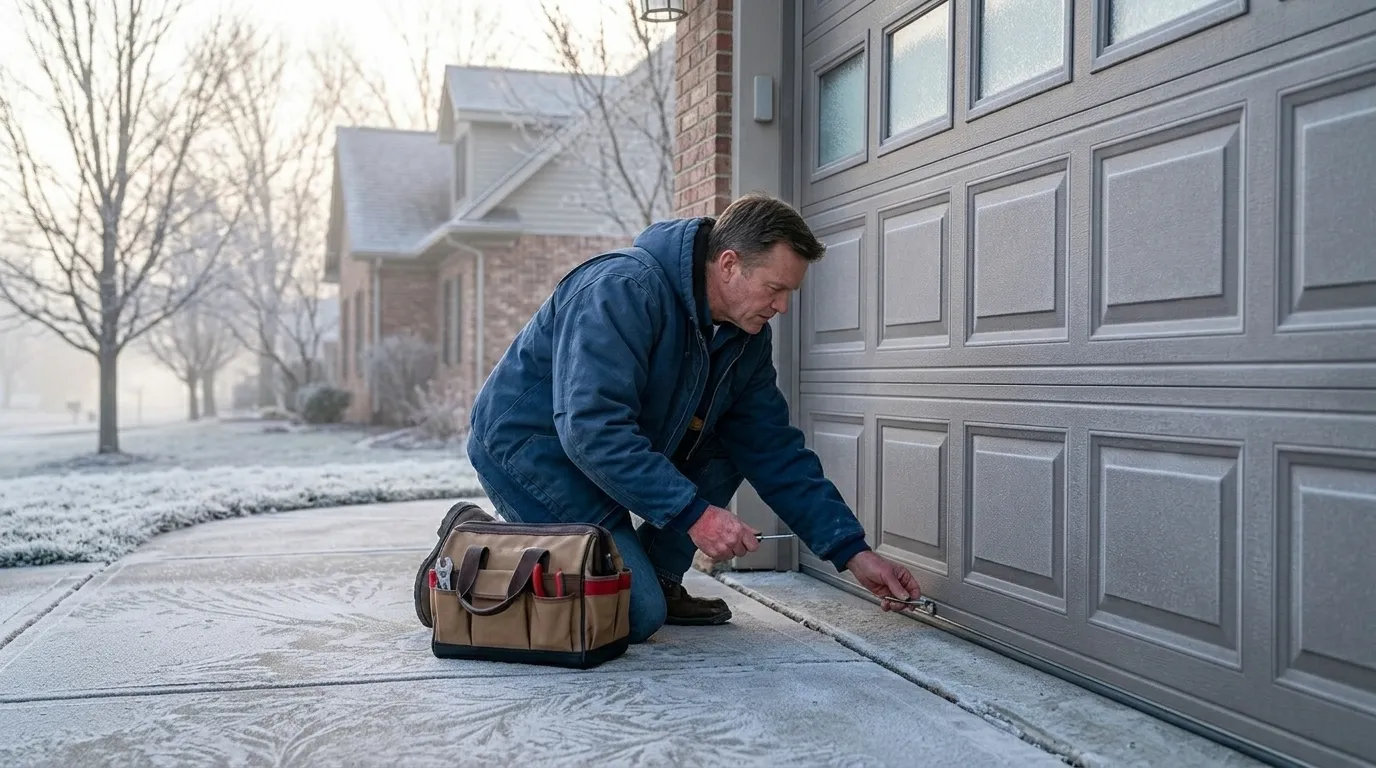
Illinois winters put real stress on garage door hardware - the cold-moderate swings here mean steel components contract and expand enough, season over season, to loosen fasteners and stiffen lubricant on doors that don't get serviced regularly. Combine that with a median income around $77,977 in this part of the area, which tends to mean owners hold onto original hardware longer rather than replacing it preventively, and you get doors running 15, 20, even 30 years past when the spring was last serviced. That's not a knock on anyone's maintenance - it's just what happens with hardware from the early 1970s that was built to last, and did, right up until it didn't.