
Serving Springfield, IL & nearby
(217) 314-3557
Springfield, IL

Garage Door Repair for Pawnee's 1970s Housing Stock

Pawnee homes went up mostly around 1972, which means extension-spring doors and early chain-drive openers. Springfield Garage Door Pros drives out from Springfield to fix them.

Garage Door Repair for Pawnee's 1970s Housing Stock
Springfield, IL
8 services
8 service areas
Diagnosis first, then the fix

What the Fix Involves

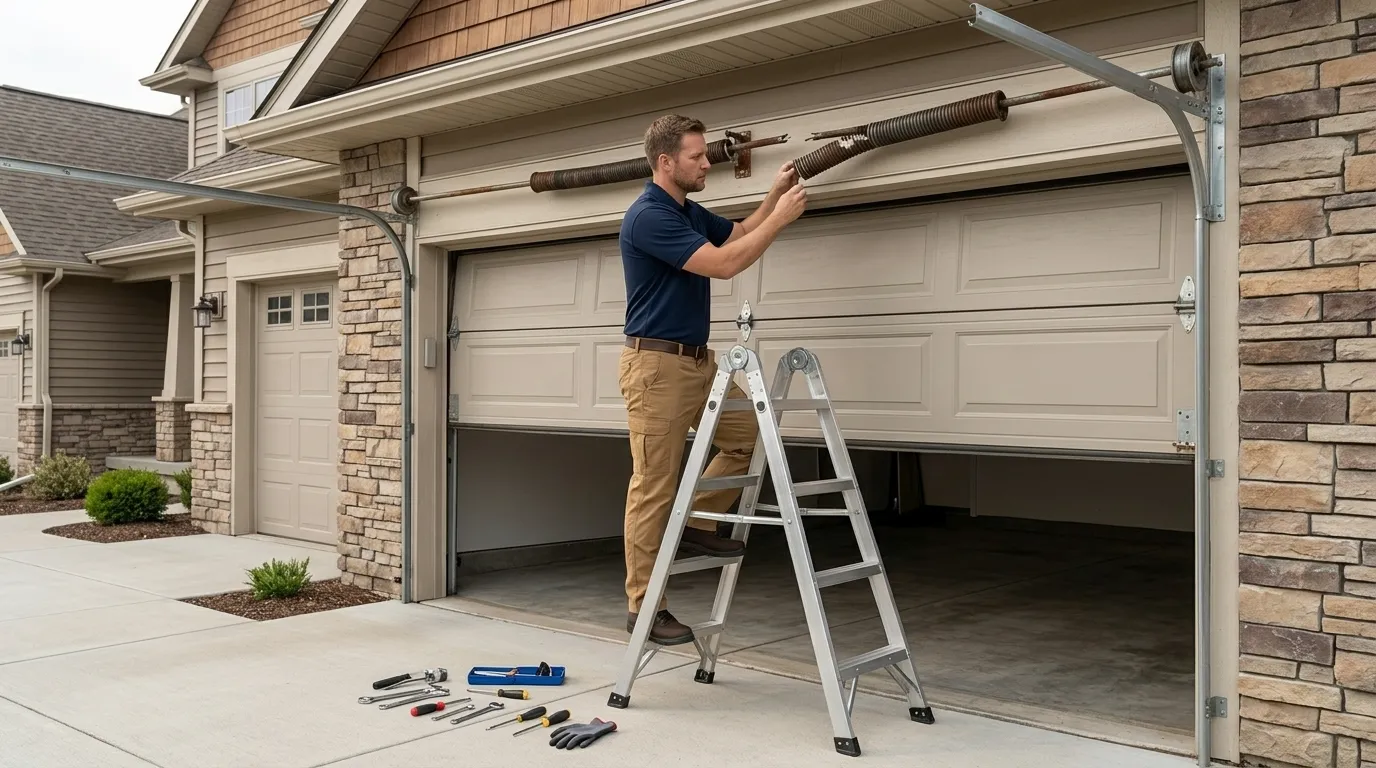
Most houses in Pawnee were built around 1972, and that year matters more than people think. A door going up in that era almost always came with extension springs mounted along the horizontal track, not the torsion bar over the header that's standard on newer builds. The repair looks different because the hardware is different. We're pulling stretched or snapped extension springs, replacing worn pulleys and safety cables, and dealing with track that's been reset by hand one too many times because the door never sat quite square to begin with.

A lot of these doors still run the original steel panel, single-layer, no insulation, which is fine structurally but means the door is lighter than what a newer opener expects - so we also check whether the opener's force setting has been cranked up to compensate, which is its own hazard. On a 1,161-household town like this, we're not chasing a dozen door styles, we're mostly seeing the same three or four setups repeated block after block, which makes diagnosis faster once you know what decade you're looking at.

What we don't do is guess. If the spring size or drum isn't stamped or visible, we measure before we quote, because extension spring cycle-rated for a heavier door is a callback waiting to happen.

The Symptom

The complaint we hear most out of Pawnee is a door that slams the last foot instead of settling, or one side that drops faster than the other on the way down. Both point to extension springs - either one has lost tension relative to its pair, or a cable has jumped the pulley. On the era of door common here, there's no torsion bar taking the whole load evenly, so an uneven spring shows up as a visibly racked door almost immediately, not a slow drift over months.

The other common call is an opener that grinds before it engages, which on original 1970s-era track usually means the roller has worn oval instead of round and is catching on the way past the bent spot in the rail. Cold snaps make it worse - the grease in an old track thickens and a marginal roller stops moving at all until the door warms up midday. That's a climate-and-age combination, not just an age problem.

Booking a Visit

We work Pawnee out of Springfield, about 14 miles up the road, so a visit here gets scheduled the same way it would for any stop on that route - we're not based in town and don't claim to be. Call and describe what the door's doing: which side drops, whether it's grinding, whether the opener runs but the door doesn't move. That tells us which parts to bring so we're not making a second trip for a spring size or a cable length we didn't guess right the first time.

We'll ask when the door or opener was last touched, since a lot of Pawnee garages haven't had hardware replaced since the house was built in the early 1970s, and knowing that up front changes what we load on the truck.

What Can Go Wrong

The single biggest risk on a door this old is a rusted or fatigued extension spring letting go while someone's underneath it, or while a hand is on the bottom panel. Extension springs don't have the same contained failure path as torsion springs - when they go, they can travel. If yours doesn't have a safety cable running through the coil, that's the first thing to fix regardless of what else is wrong, and it's cheap compared to the alternative.

The second issue is panels. A single-layer steel door from the early '70s can rust through at the bottom corner where water sits, and once that happens the whole panel usually needs replacing rather than patching - the metal's too thin to hold a repair plate well. We'll tell you straight if we think you're better off replacing the door instead of chasing repairs on a 50-year-old panel; sometimes the honest answer costs us the smaller job.

Can You Do This Yourself

Swapping a bent roller or adjusting a chain-drive opener's limit switch is within reach for most people with basic tools and a little patience. Extension springs are not. Because they run under tension along an open track rather than sealed inside a torsion tube, there's no safe way to unload one without the right winding bars and a clear sense of how much stored energy you're dealing with - and on doors from this era, that spring has usually never been replaced, which means whatever tension it's holding is unpredictable.

If the door won't move at all, resist the urge to force the opener past it. Nine times out of ten that's a broken spring or a snapped cable, and running the motor against it strains the gears for nothing.

What Causes It Around Here

Age is the honest answer for most of Pawnee. A door and opener installed when the house was built in 1972 has had roughly fifty years of cold-band winters to work through - freeze-thaw cycles that swell wood jambs, harden lubricant, and fatigue metal springs faster than a mild climate would. That's a climate-and-era combination specific to housing built in this window in this part of Illinois, not a universal garage door problem.

The second factor is simply that these doors were never upgraded piecemeal the way a torsion system sometimes gets serviced section by section. Extension-spring systems tend to get replaced whole or not at all, so a lot of what we see is original hardware running well past the point anyone expected it to.
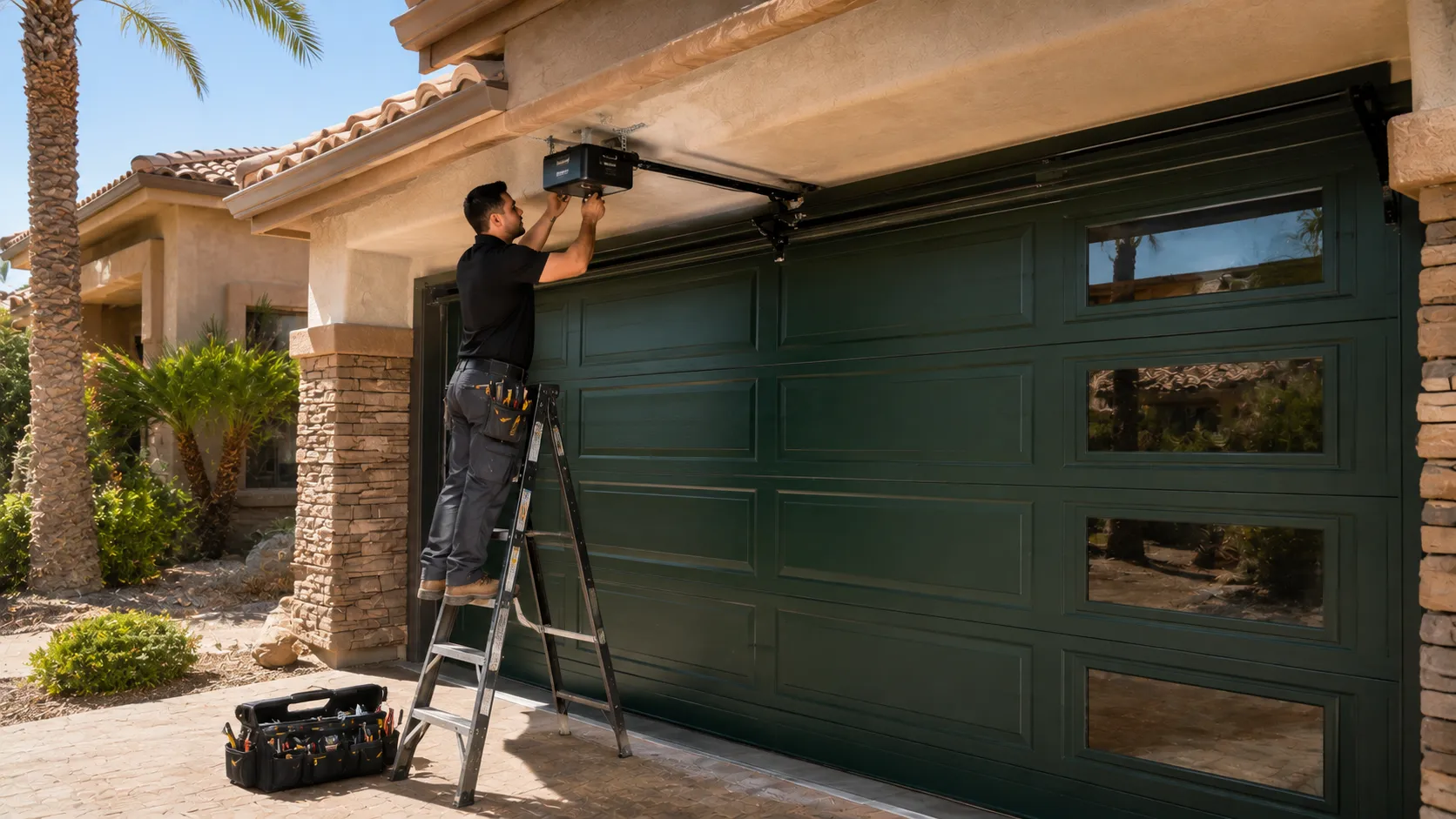
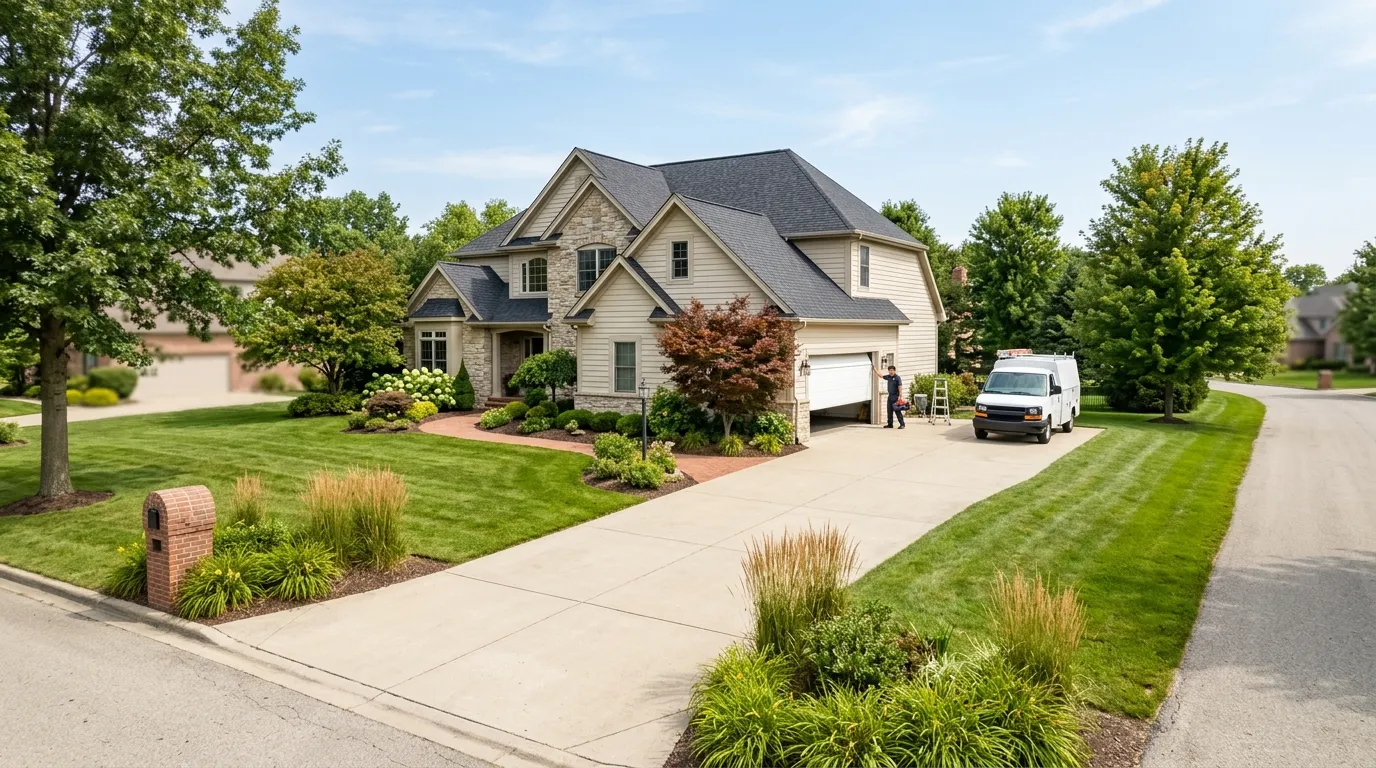
How it works

From “it’s stuck” to “it’s fixed”

Tell us what’s wrong - Springfield garage door service

Tell us what’s wrong

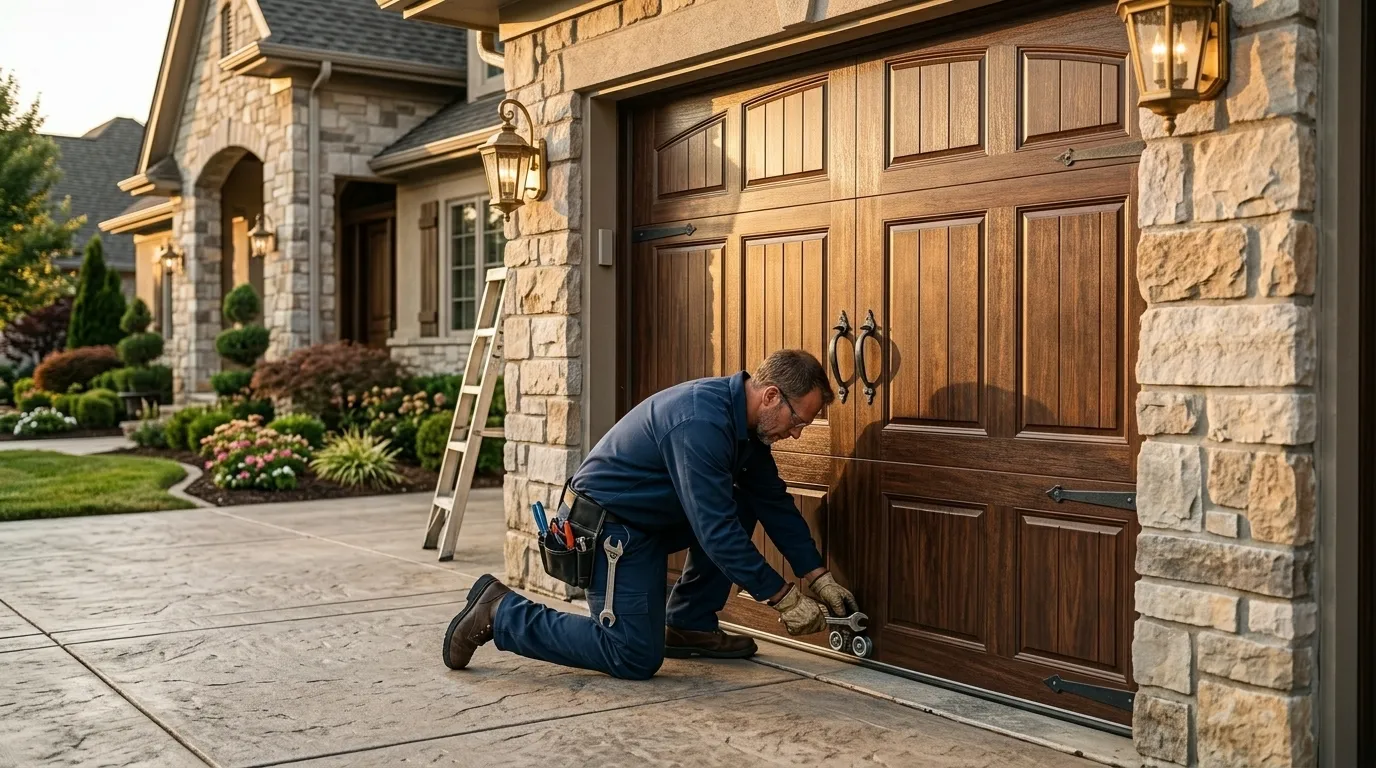
Describe the symptom - won’t open, loud bang, opener runs but the door won’t move.

On-site diagnosis - Springfield garage door service

On-site diagnosis

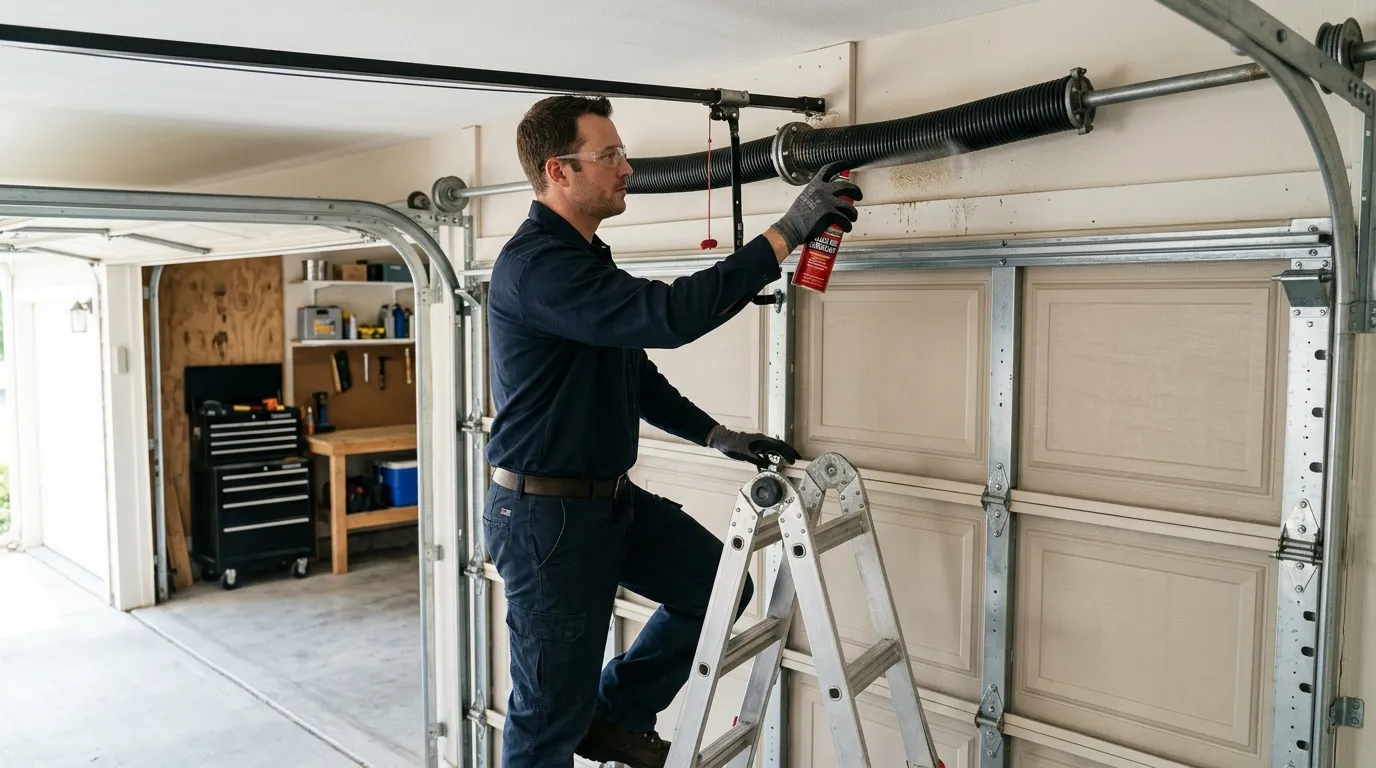
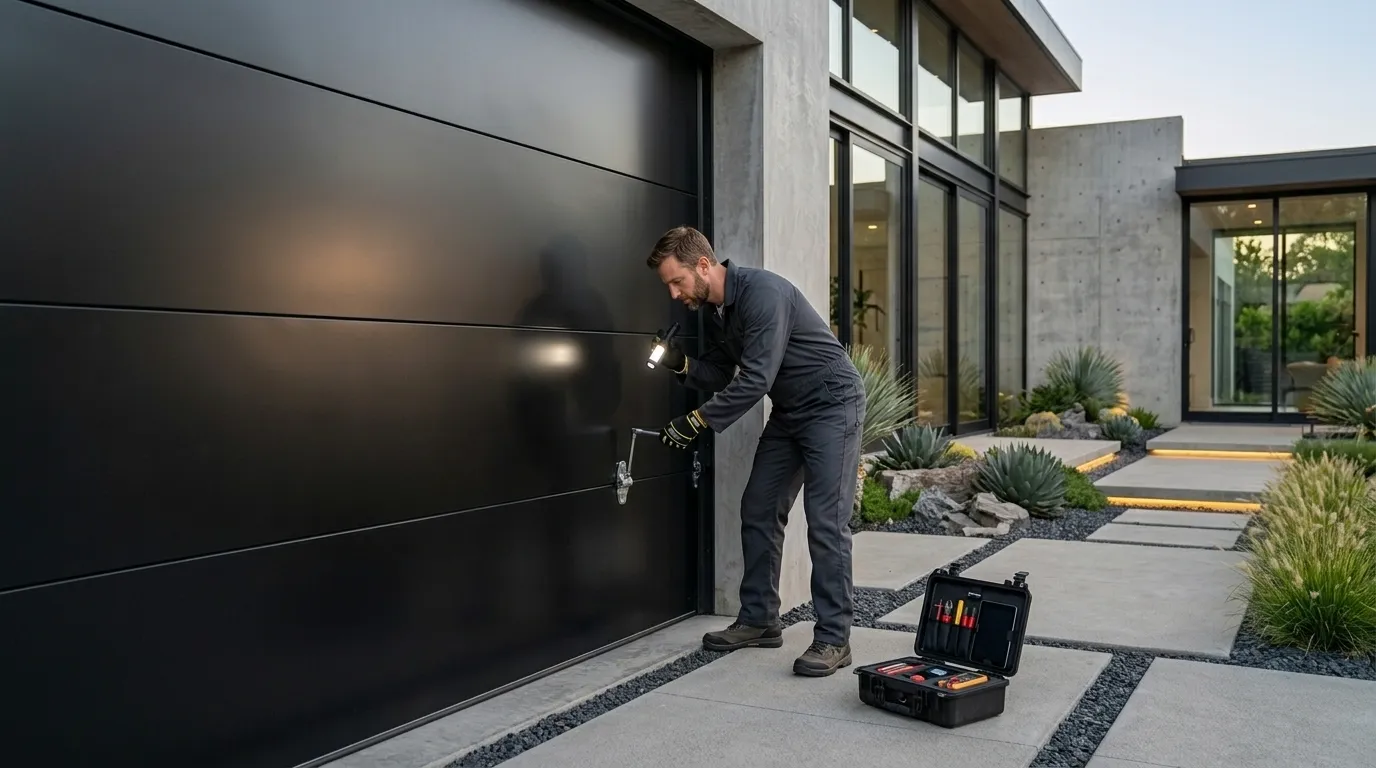
A technician tests the door under power and by hand and finds what actually failed.

Clear, up-front plan - Springfield garage door service

Clear, up-front plan

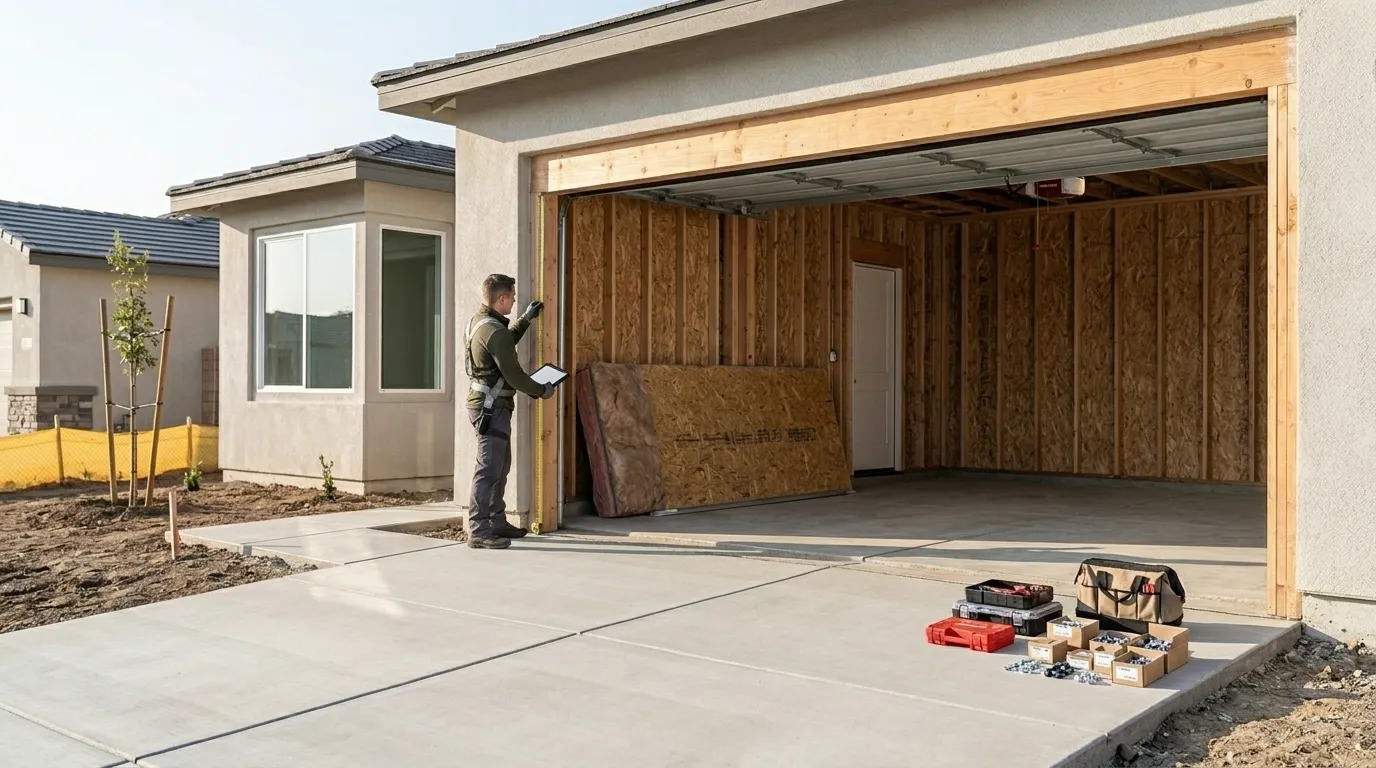
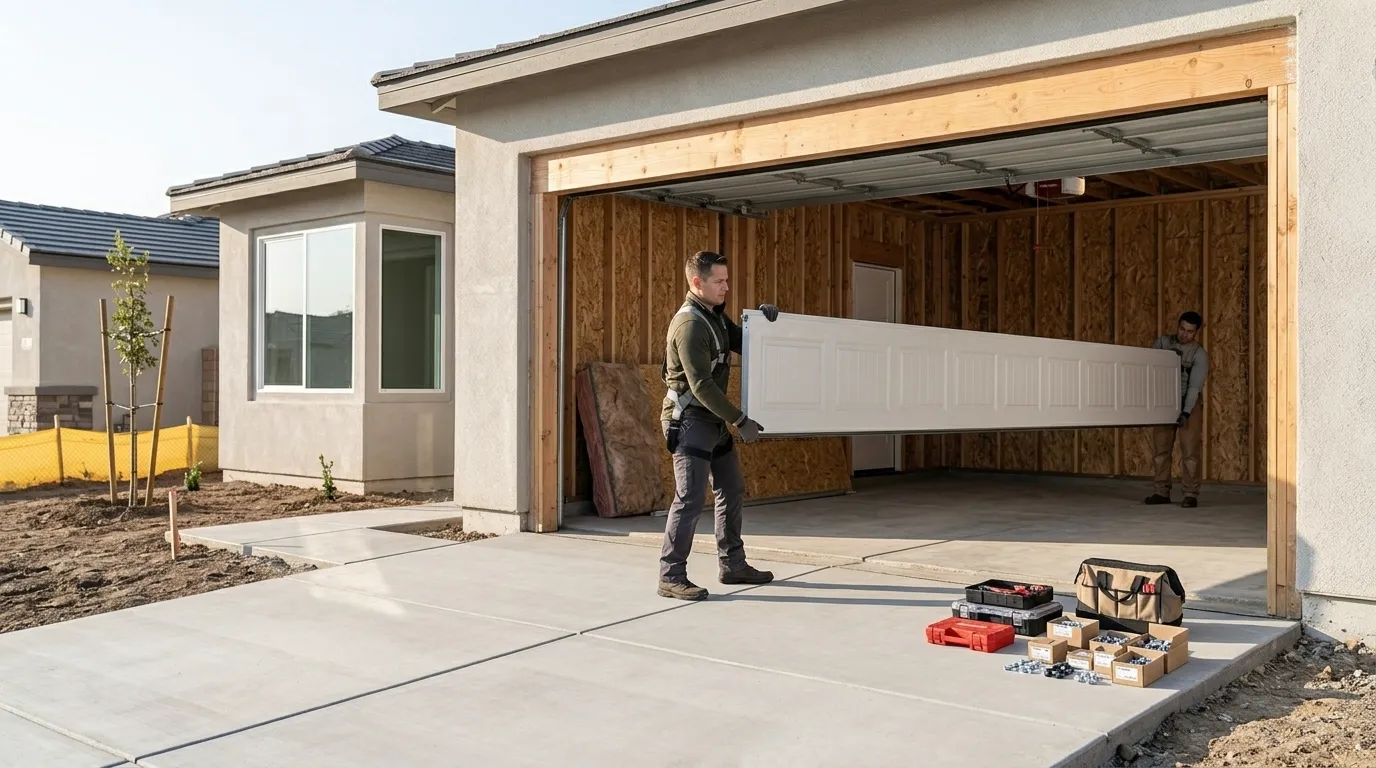
You get the fix that’s needed and what drives the cost - before any work starts.

Repaired & tested - Springfield garage door service

Repaired & tested

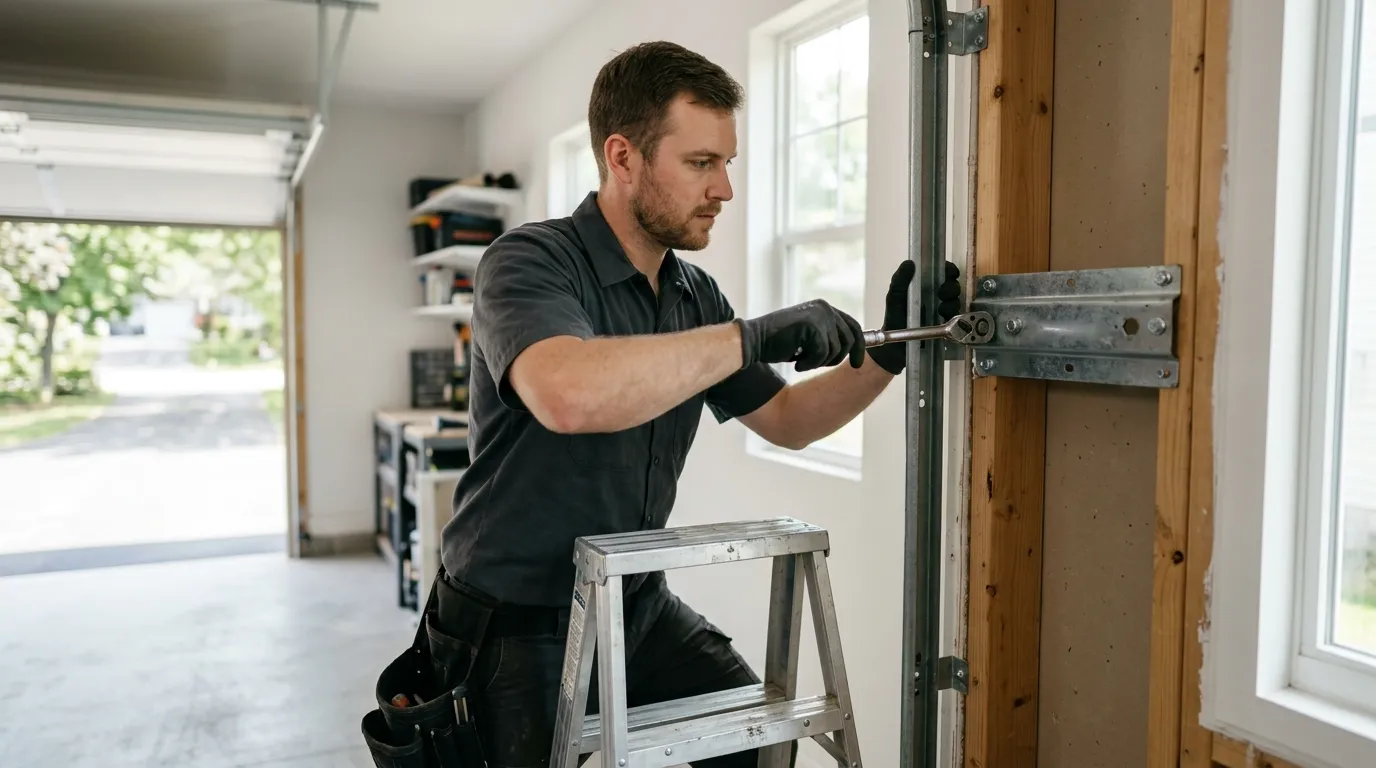
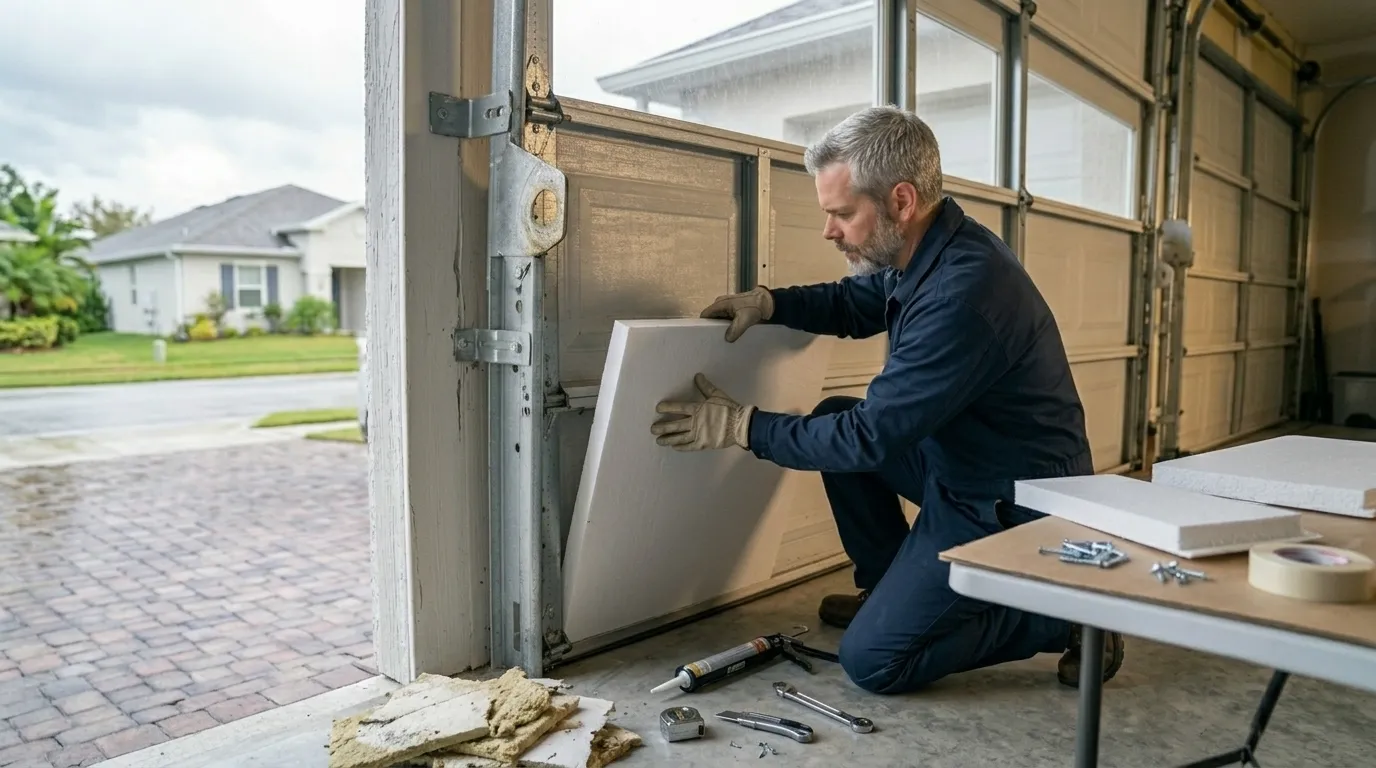
The repair is done, the door is set true and tested, and the work area left clean.

Serving Springfield, IL - tell us what your door’s doing and we’ll take it from there.

How we work

What to expect

Diagnosis firstEvery visit starts by finding what actually failed - not a pre-written parts list.
The right part for the doorSprings and openers matched to the door’s weight and age, so the fix holds up.
Straight answersWhen a repair makes more sense than a replacement - or the reverse - you hear it plainly.
Clean, careful workTension released safely, hardware set true, the door tested under power before we leave.
114,394Residents in Springfield
8Garage door services
8Neighborhoods & suburbs
ILServing Springfield, IL
Questions

Frequently asked

Straight answers about garage door repair in Springfield. Still unsure? Ask us directly.

Why does my garage door in Pawnee drop faster on one side?

On the extension-spring systems common in houses built here around 1972, the two springs stretch independently rather than sharing load through a single torsion bar. One losing tension, or a cable slipping off its pulley, shows up right away as an uneven, racked door rather than a gradual drift.

Do you have a location in Pawnee?

No. Springfield Garage Door Pros is based in Springfield, about 14 miles away, and drives out to Pawnee for scheduled calls. We don't keep a branch or depot in town, so we ask for details on the door and opener ahead of time to bring the right parts on the first trip.

Is it worth repairing a door this old or should I replace it?

Depends what's failing. A spring, cable, or roller is a straightforward repair regardless of the door's age. A rusted-through steel panel from an early-1970s door usually isn't worth patching - the metal's too thin to hold a repair plate, and replacement ends up cheaper over time.

Can I replace an extension spring myself?

We'd advise against it. Unlike a torsion spring sealed in a tube, an extension spring holds its tension along an open track, and on a door this old that tension is unpredictable since it's likely original hardware. Winding bars and knowing the load matter here - it's not a weekend job.

Ready to get your garage door sorted?

Tell us what it’s doing and where you are in Springfield - we’ll take it from there.

Request a QuoteCall