What You Pay
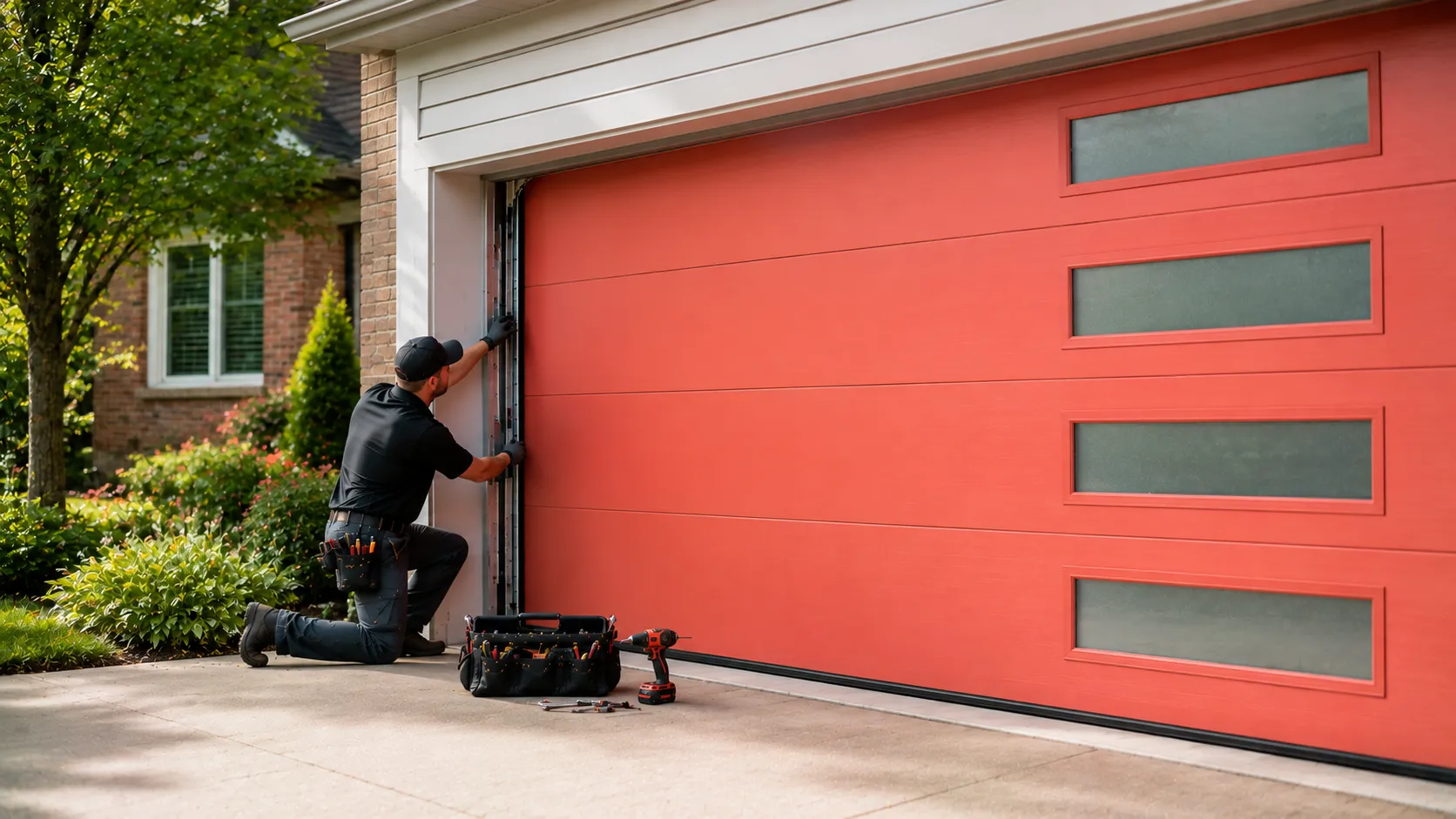
We don't publish a flat number for a new install here, because what drives the cost isn't the town, it's the door: single vs double, insulated vs non-insulated, steel vs a heavier composite, and whether the opener needs replacing along with it. What we can tell you is what tends to move the price up or down.
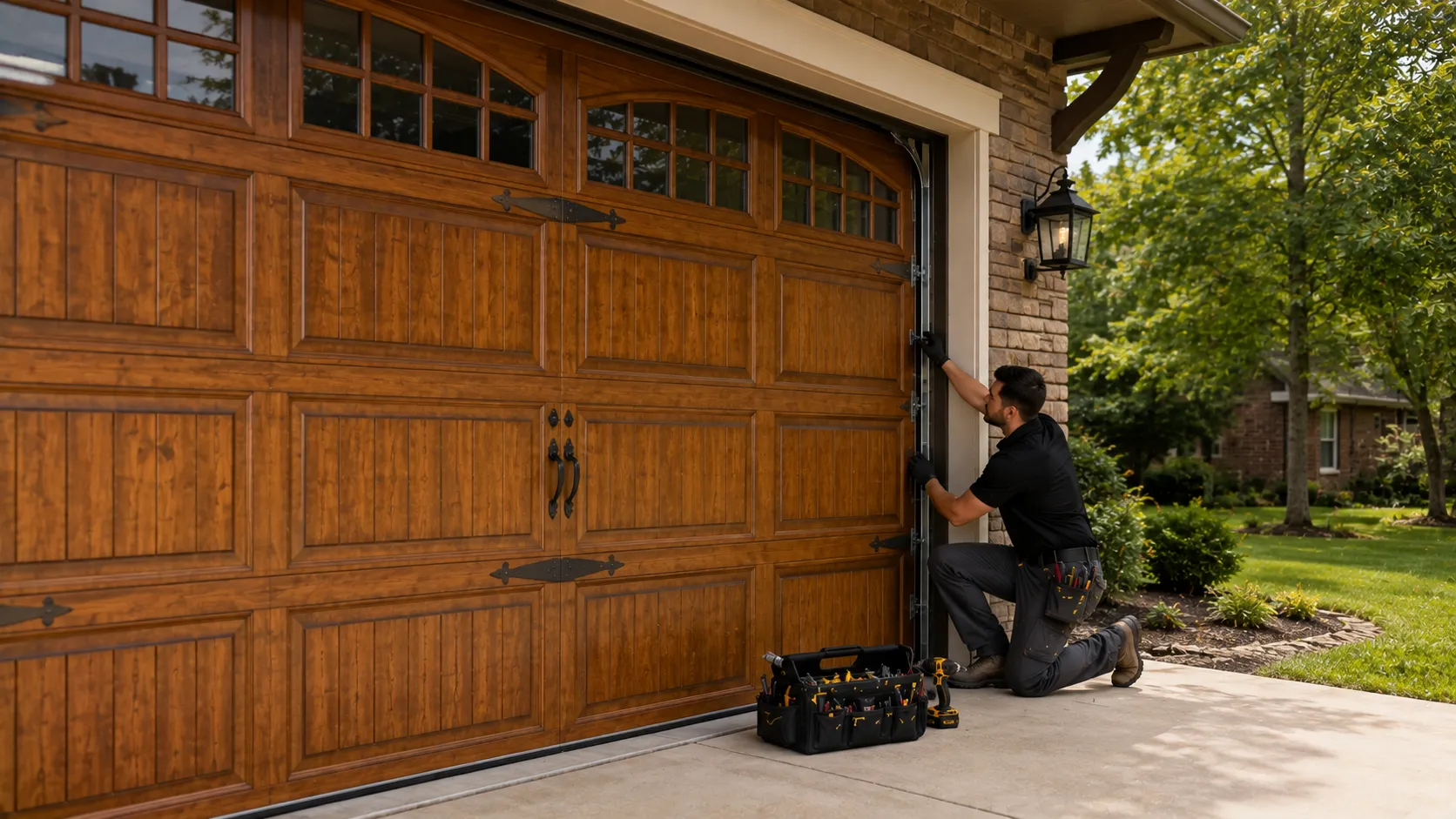
An insulated door costs more up front than a bare steel panel, but in a cold-moderate climate like this one, it's usually the difference most homeowners ask about first - less temperature swing in the garage, less condensation on the inside of the panel in January. Swapping the opener at the same time as the door is usually cheaper than doing them as two separate jobs, since it's one trip and one set of adjustments.
Riverton's median household income runs a bit below the wider service area's - $75,527 versus $79,008 across the full area - and we mention that only because it's part of why we quote the job itself rather than a generic number. A homeowner replacing a 1973 door with something comparable pays differently than one upgrading to a heavier insulated model with a new opener. We'll walk the specifics with you before anything gets ordered.
Parts We Carry
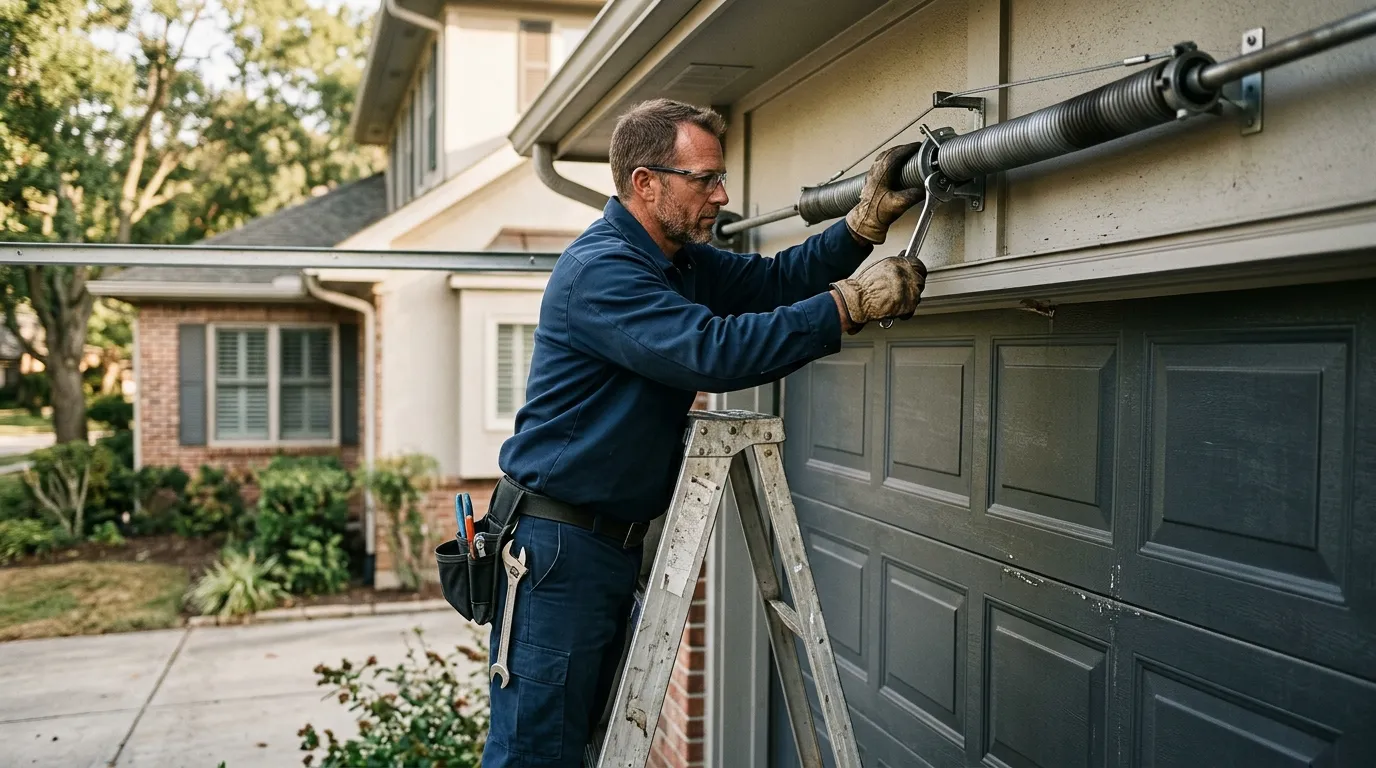
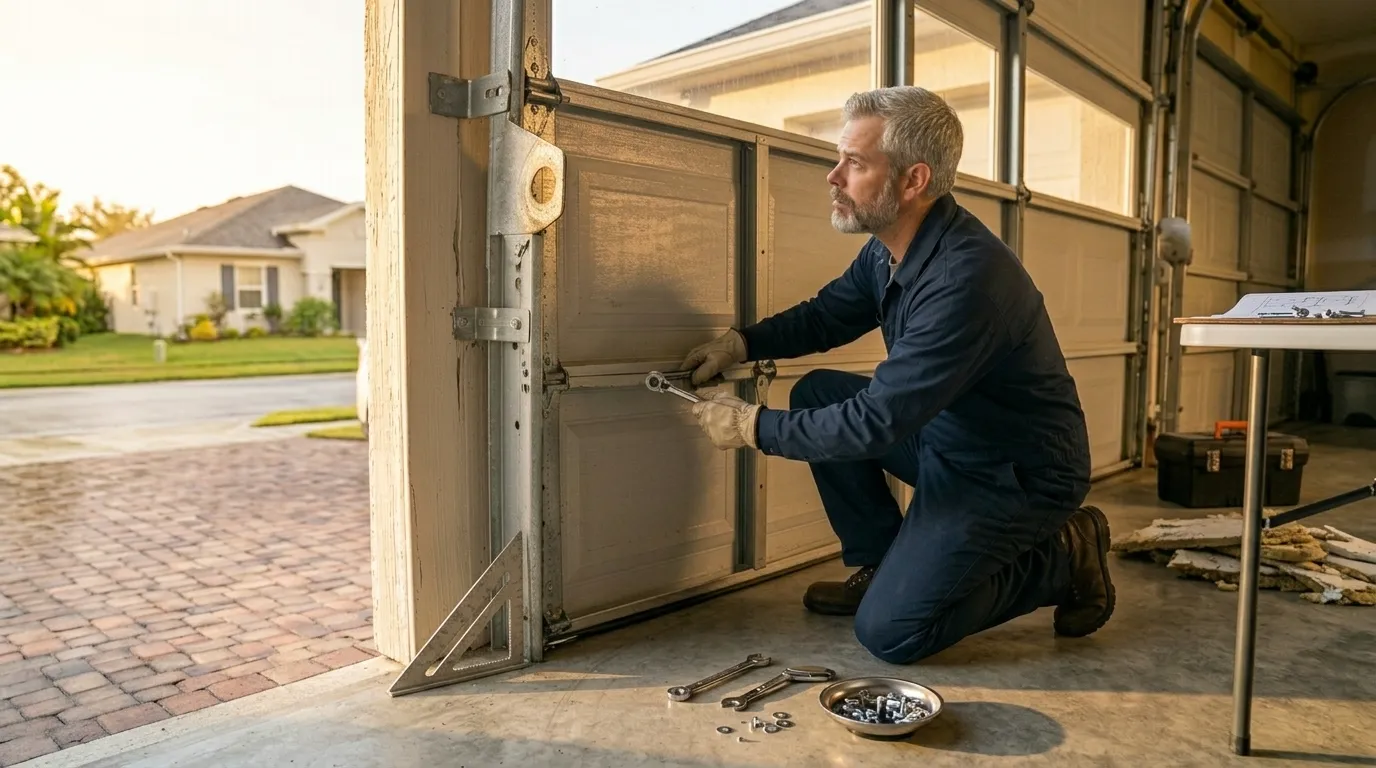
For a neighborhood built mostly in the early 1970s, the parts question usually comes down to what's on the original opening versus what we're putting in. Original torsion springs from that era were sized for lighter, non-insulated doors - if you're stepping up to a heavier insulated panel, the spring has to be re-rated for the new weight, not just reused.
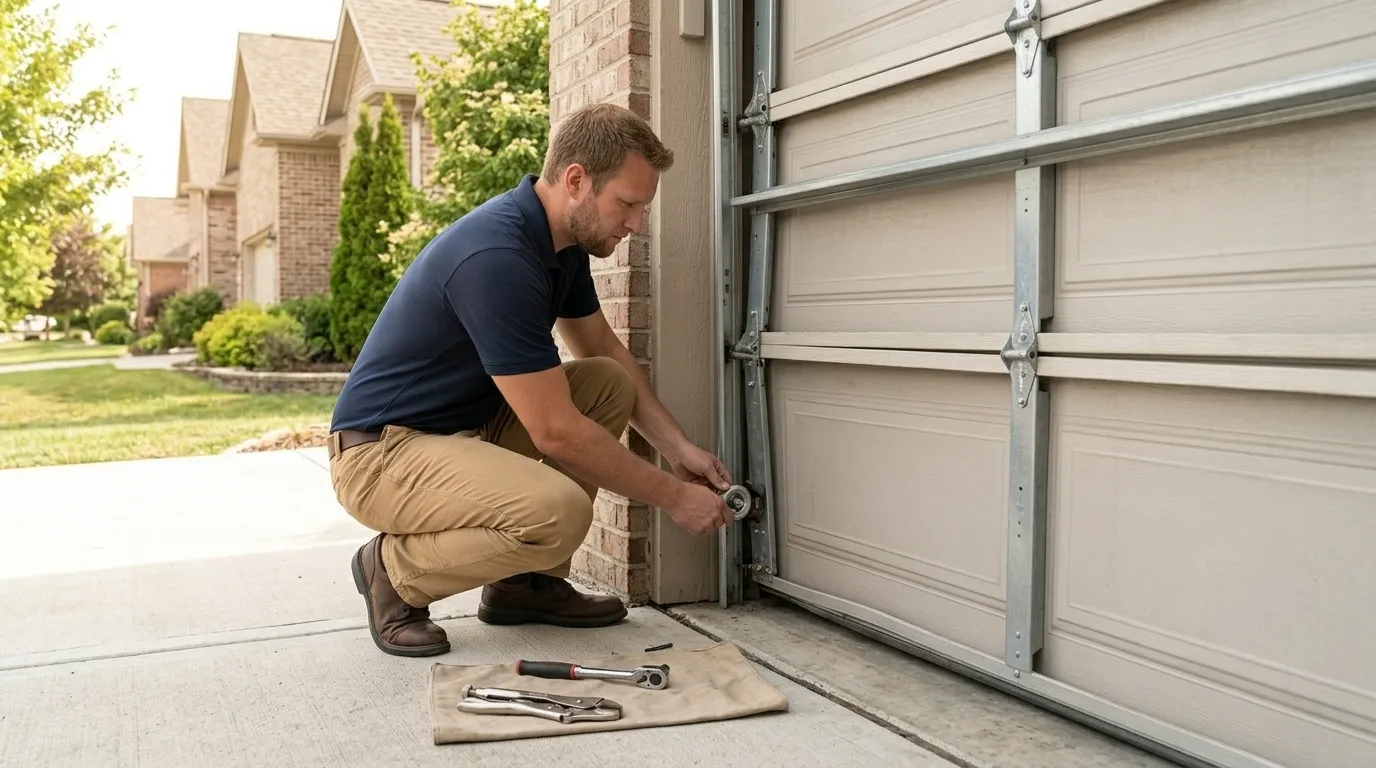
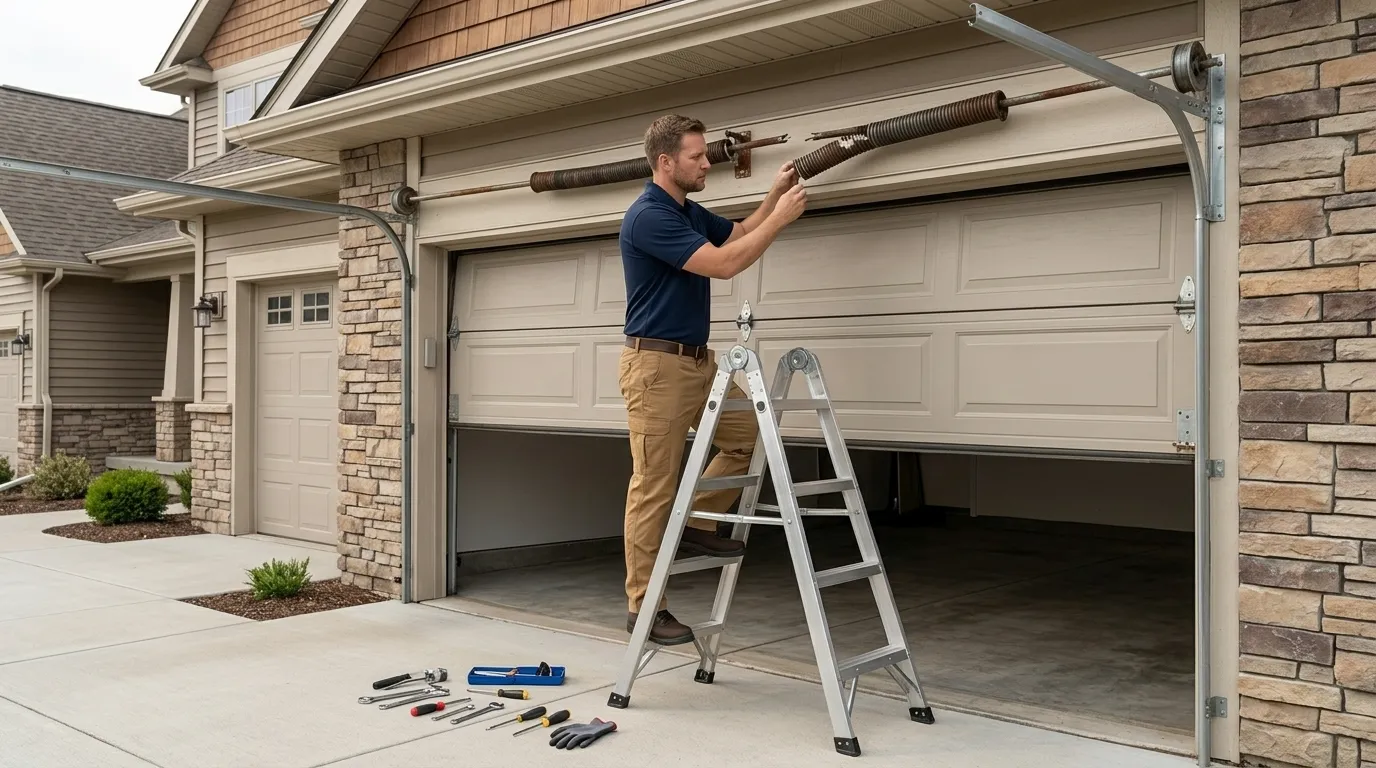
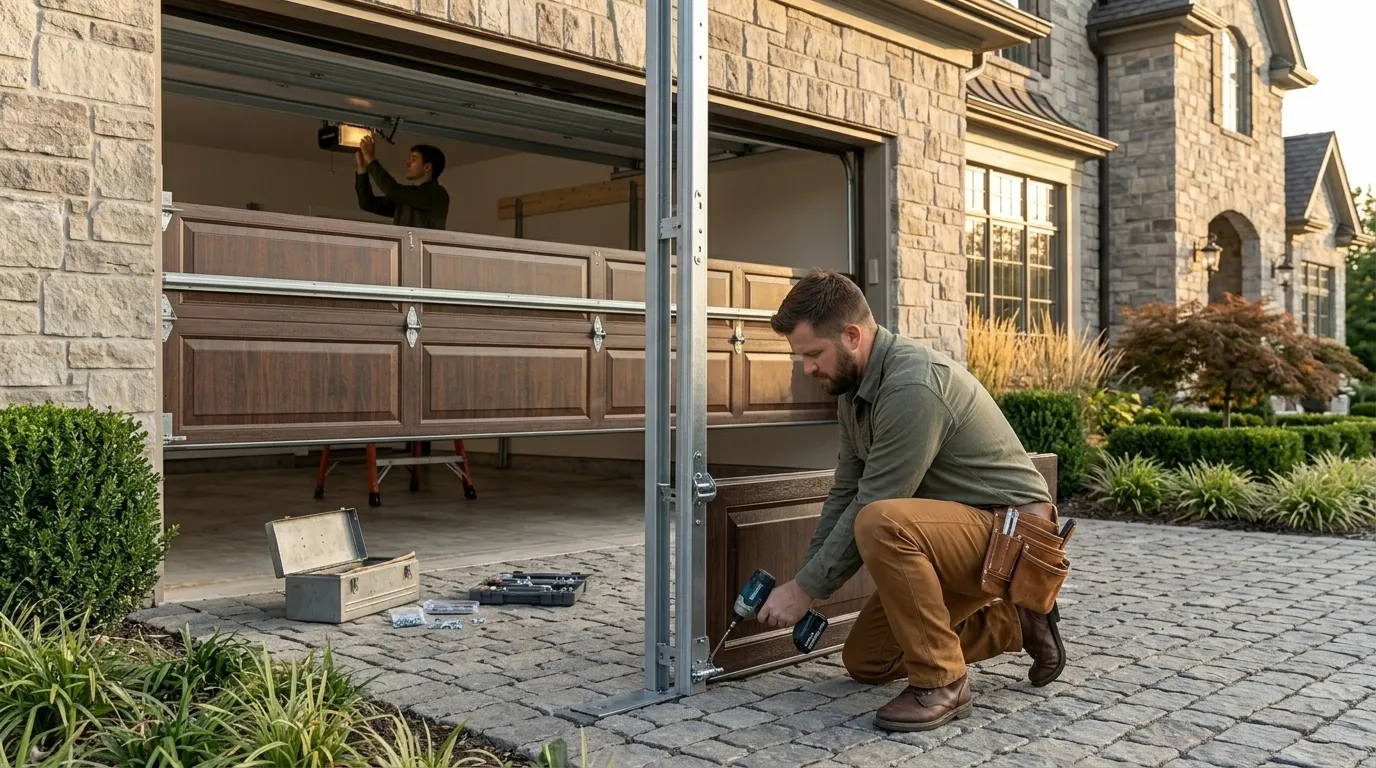
We stock standard torsion springs, extension springs, steel rollers, and standard track sections on the truck for common opening widths, which covers most of what a 1973-era single or double garage needs. Insulated steel doors in the widths that match this area's housing stock are something we can order in - we don't carry every panel style on hand, since garage doors aren't a one-size product the way springs are.
Here's the honest limit: if you want a less common width, a custom color, or a specialty material, that's a special order with its own lead time, and we won't pretend otherwise. For the sizes that match what actually went up around here in the 1960s and 70s, we're usually not waiting on anything unusual.