What the Fix Involves
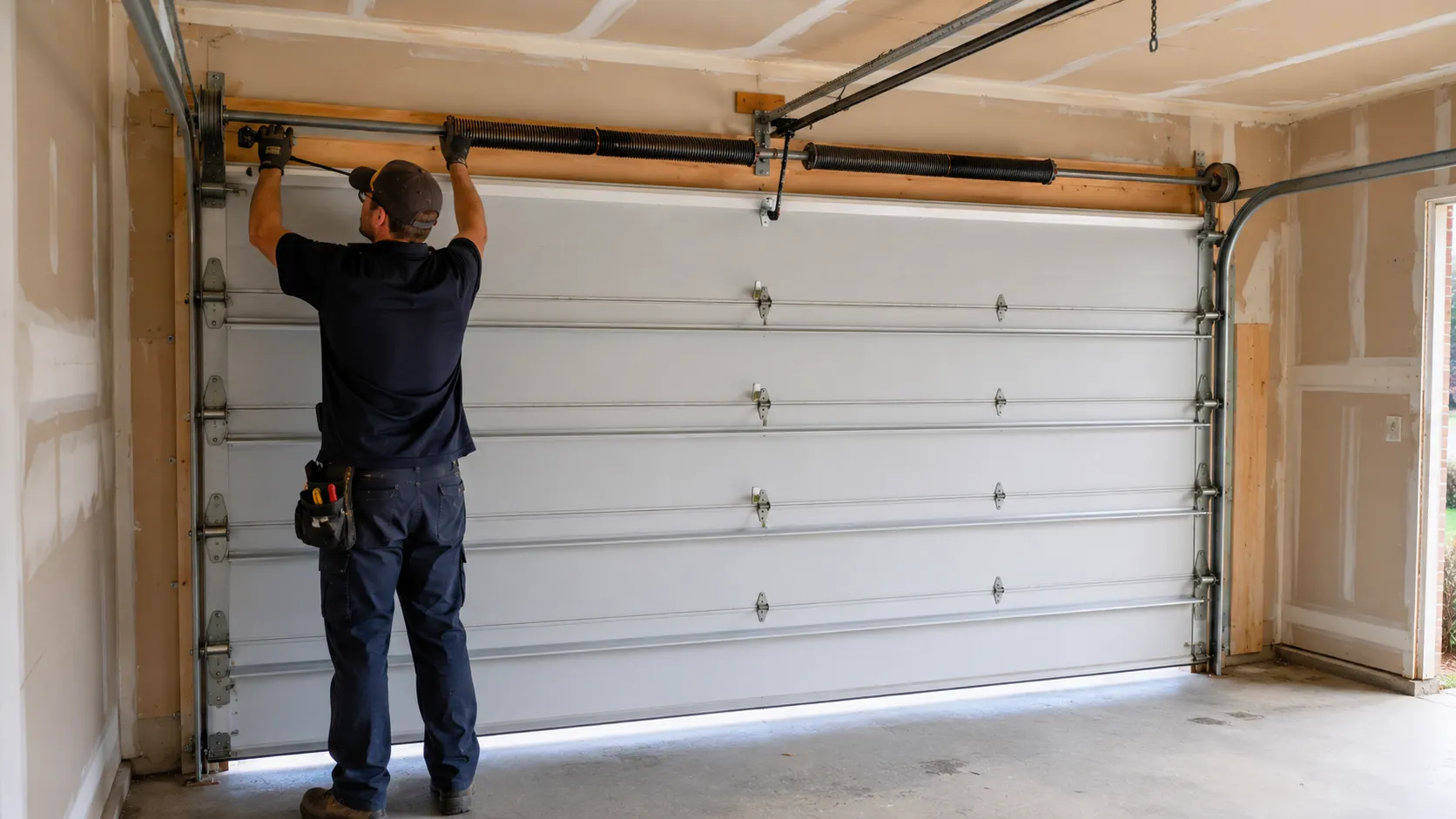
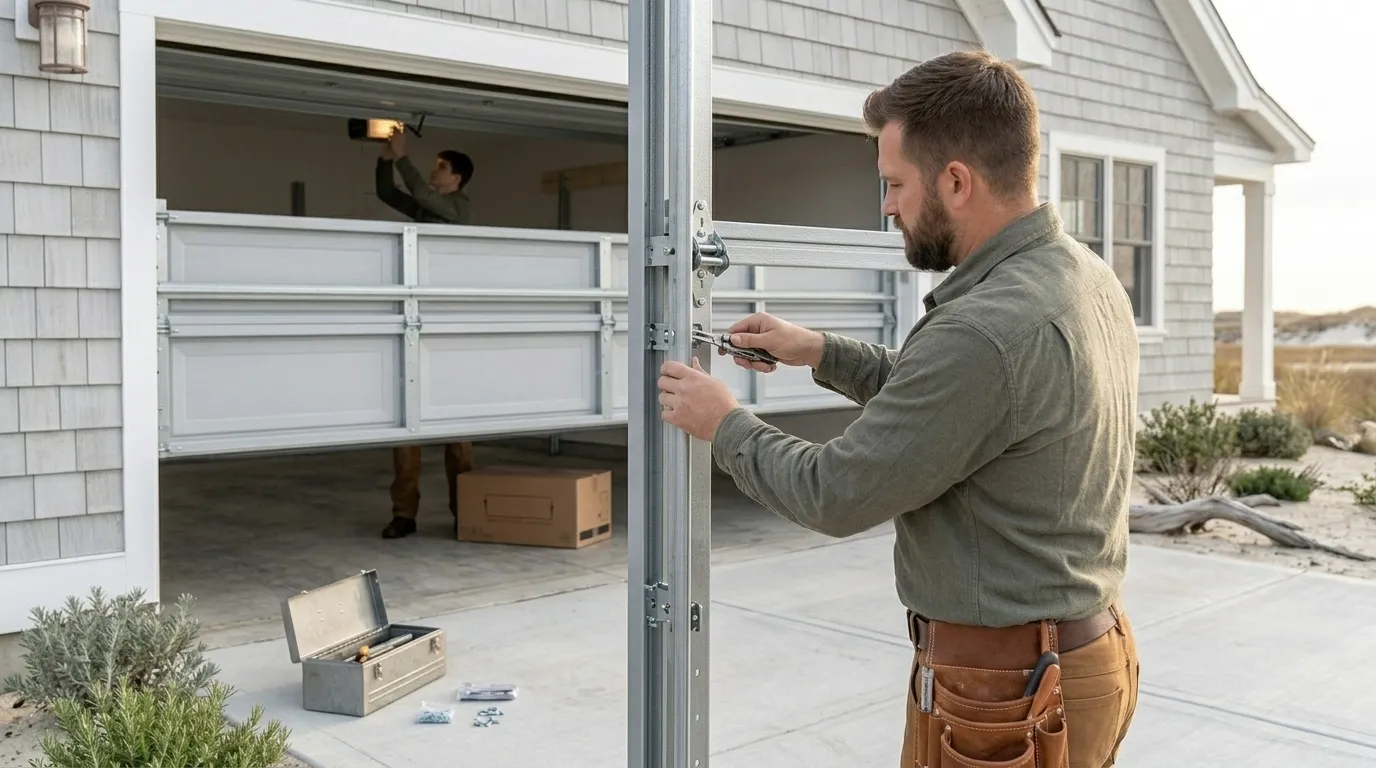
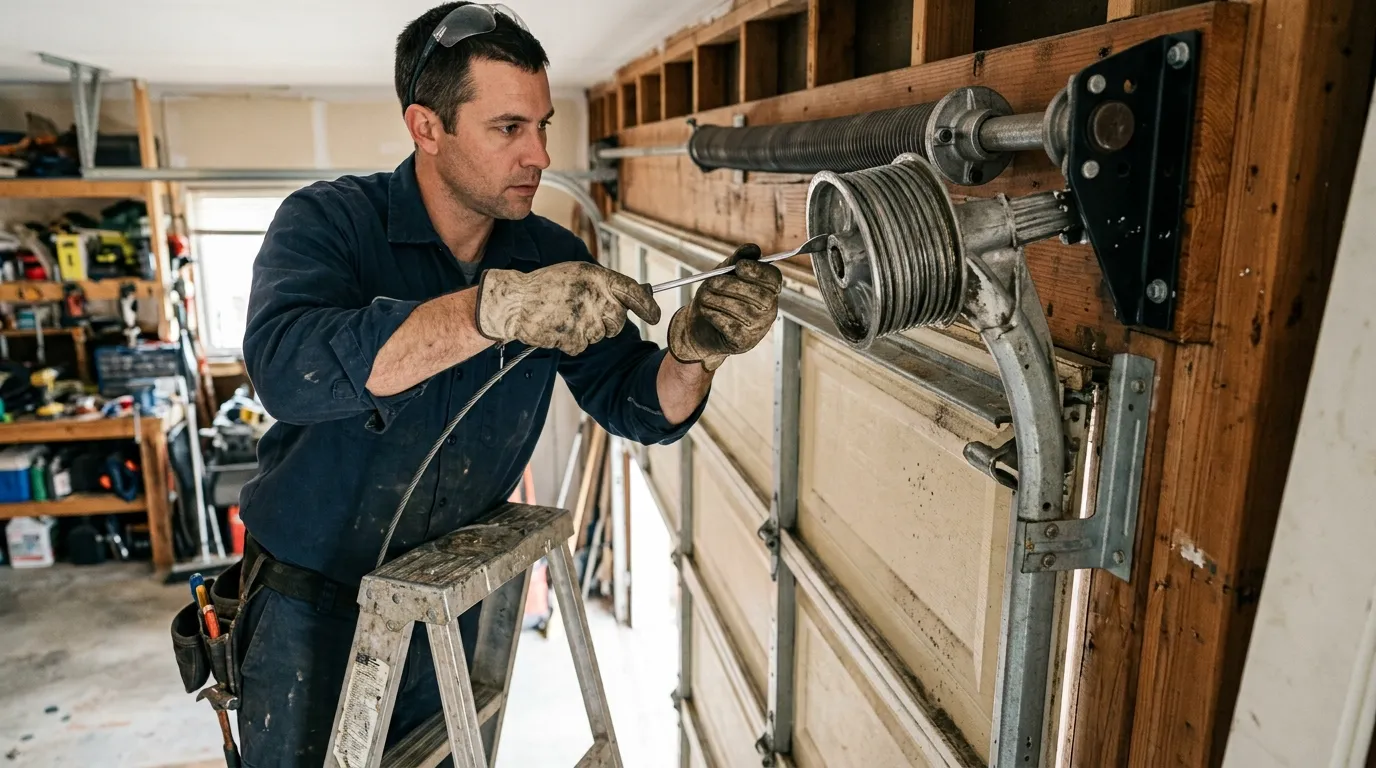
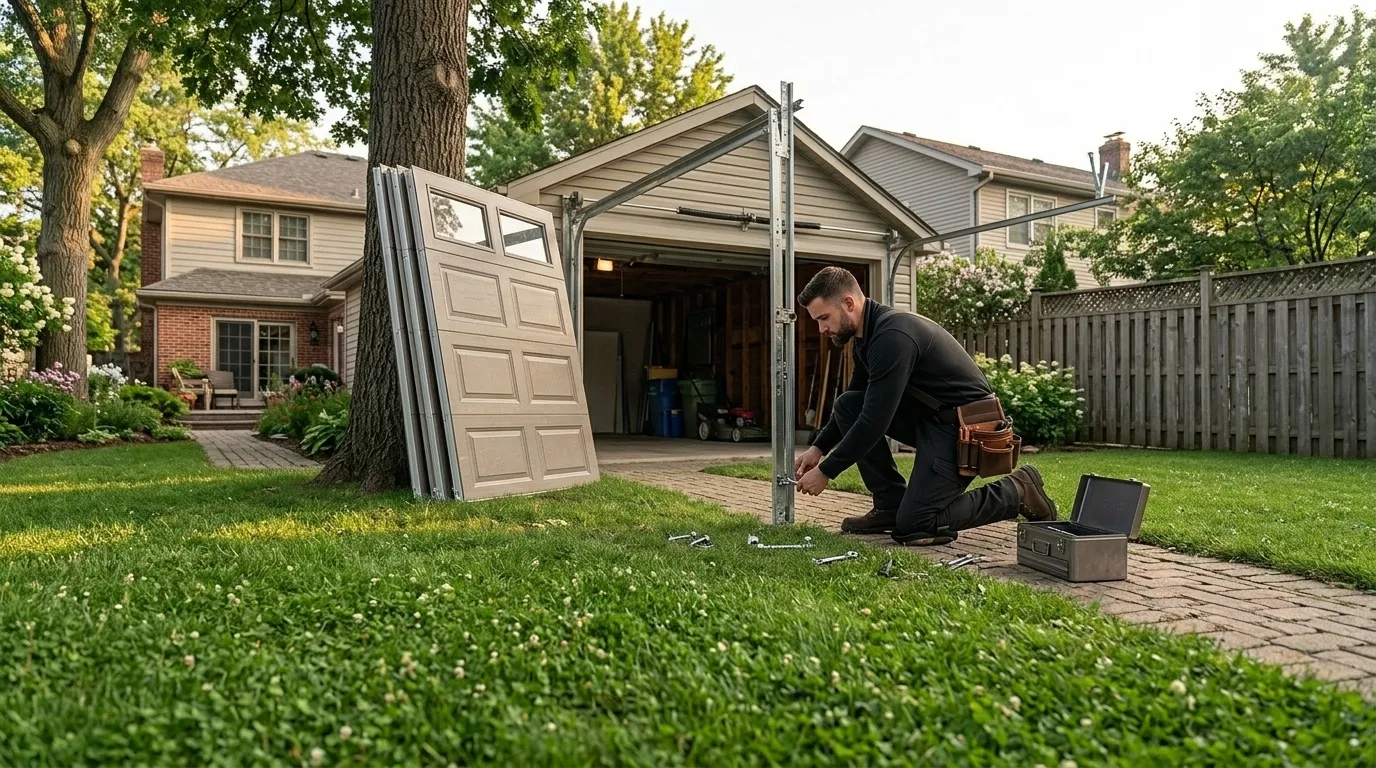
For a torsion spring job, we bring the truck loaded with wound springs in the sizes that match houses of Auburn's era - 1973-built garages generally take a standard two-inch torsion spring on side-mounted brackets, not the newer wider-tube setups you'd find on anything built in the last decade or two. We wind the new spring to the door's actual weight, not a guess, then run the door through a dozen open-close cycles before we call it done.
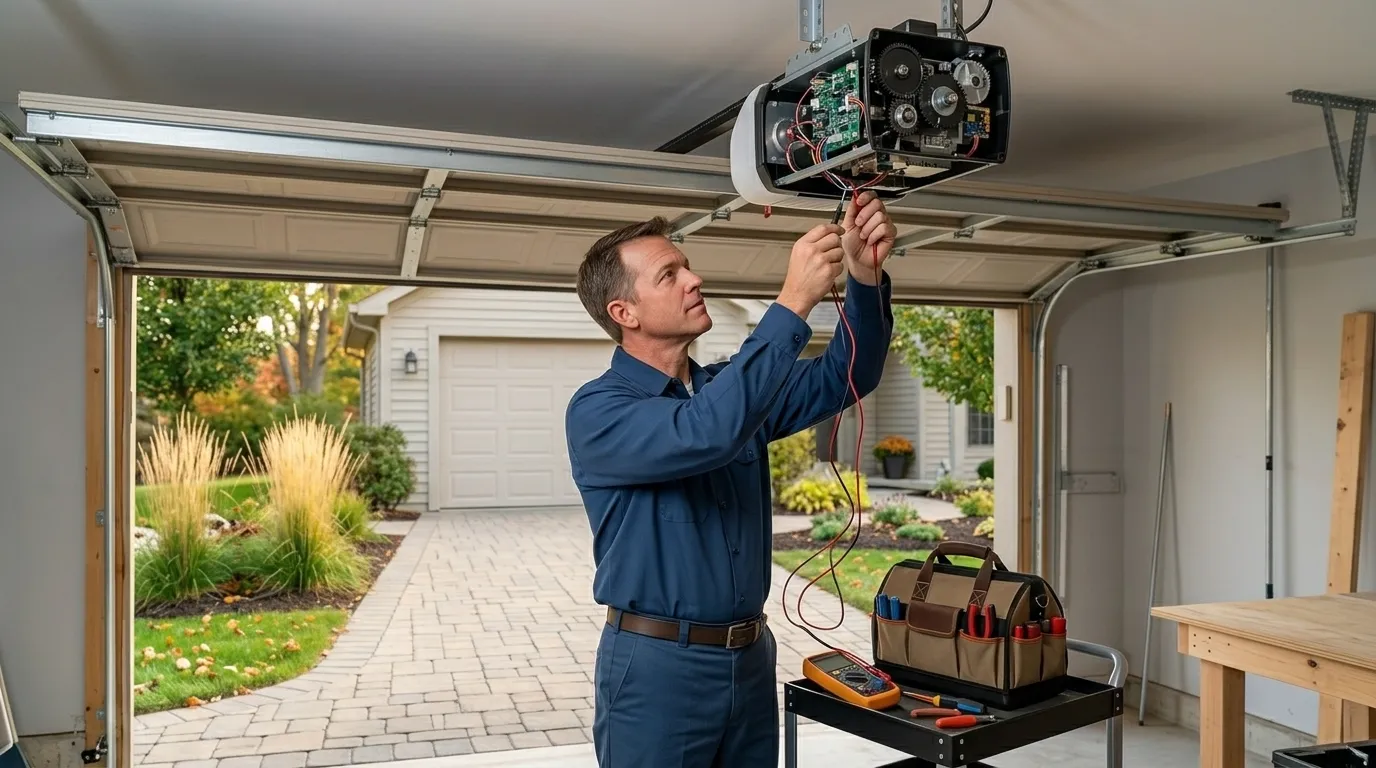
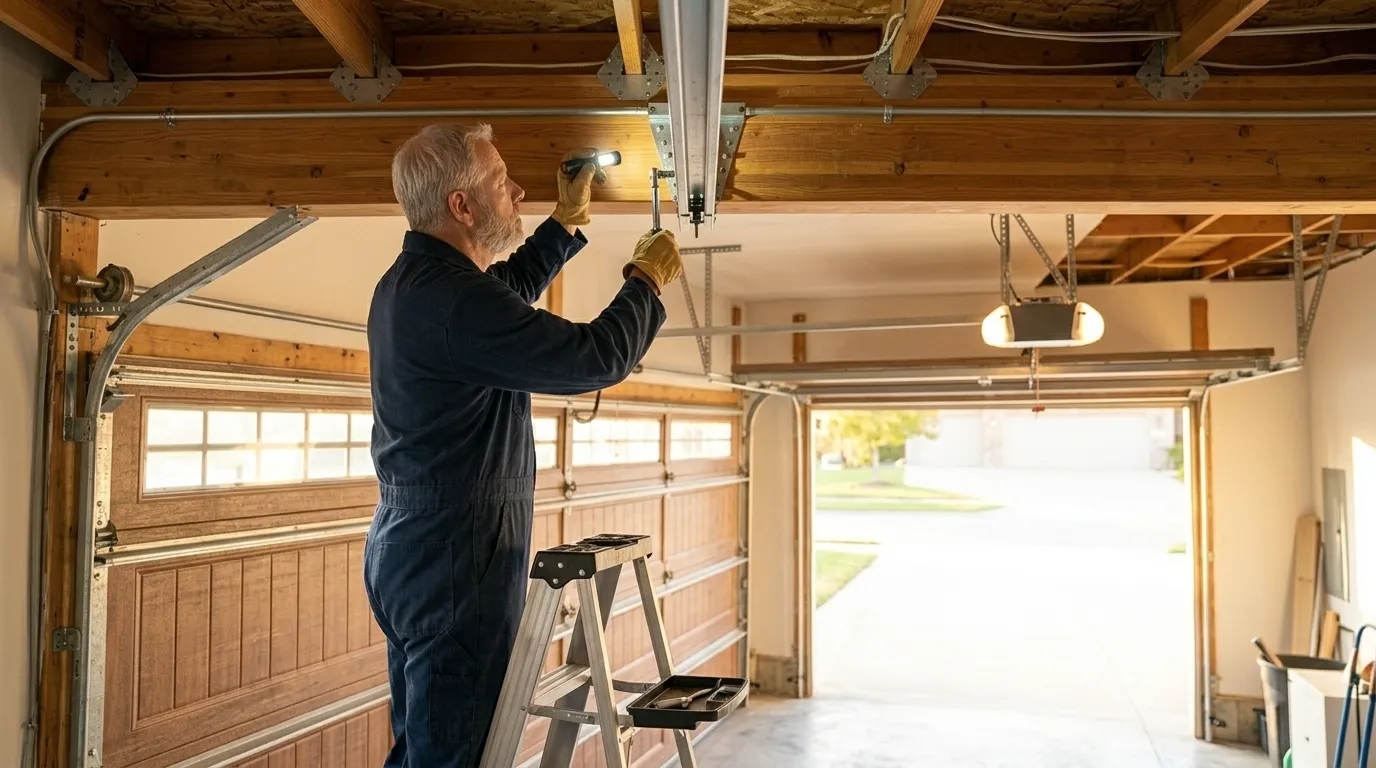
Opener swaps go differently. If your chain drive is original to a 1973 build, the rail, the sprocket, and the safety reversing sensors are all past what we'd call serviceable, and we'll say so rather than patch around it. Replacing the opener as a unit is usually the honest answer at that point, not repairing the old one piece by piece.
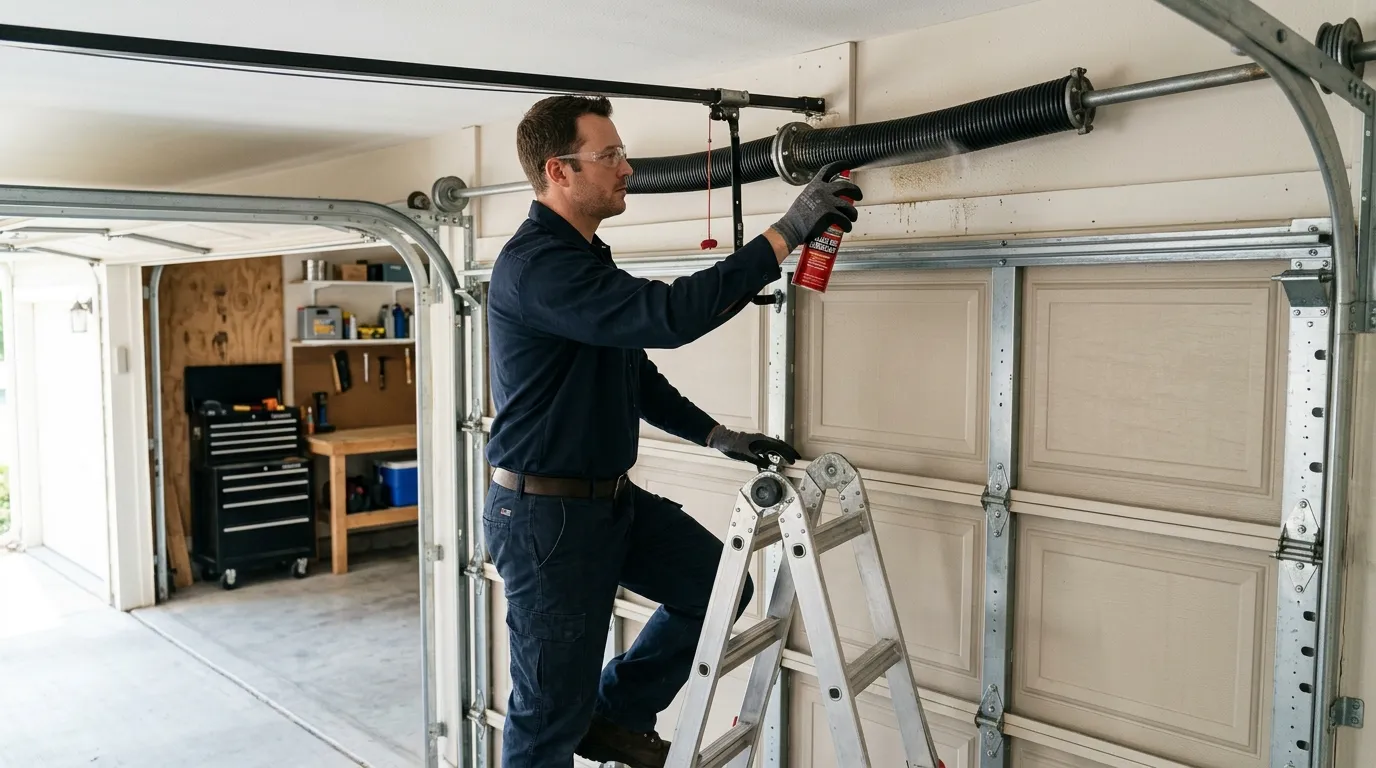
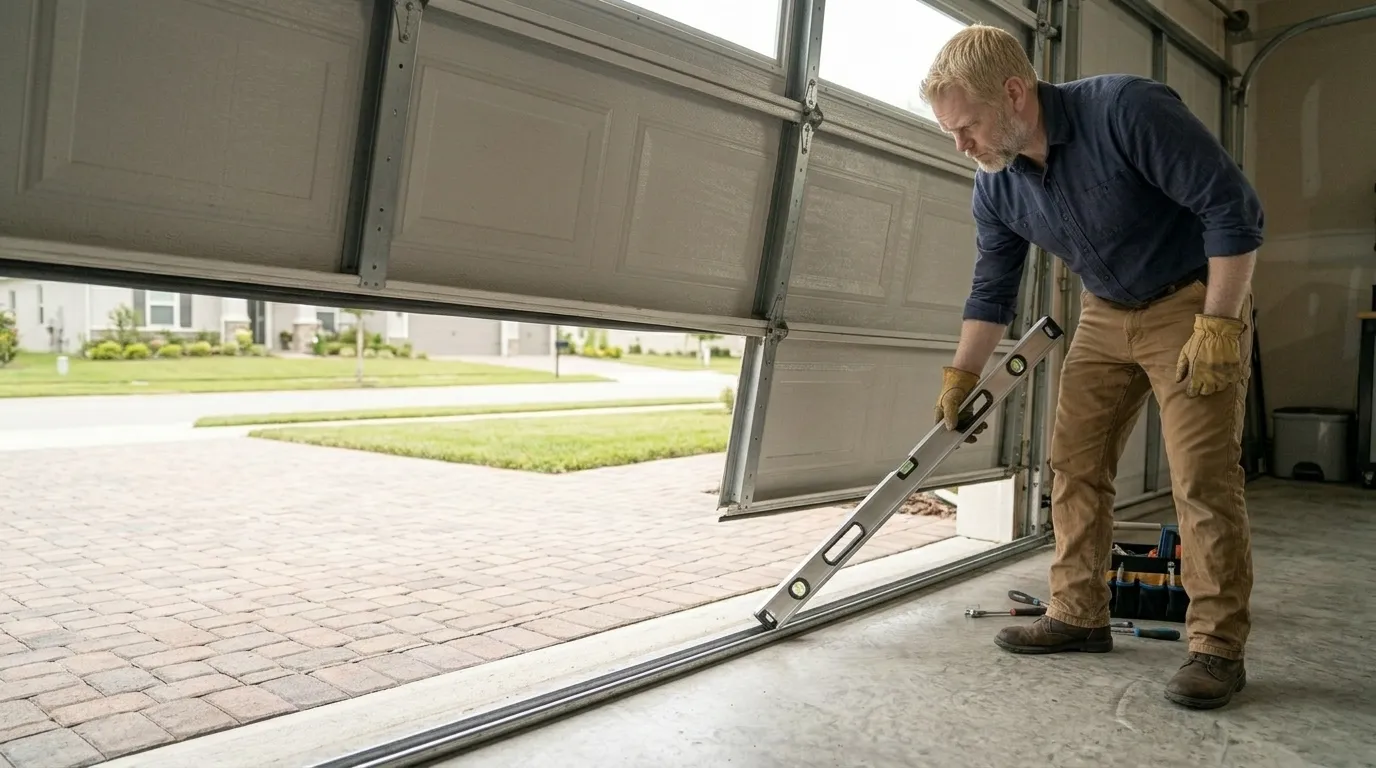
Roller and cable work is more straightforward - nylon rollers swapped for steel ball-bearing ones, cables replaced in pairs so one side doesn't outlast the other by years and then snap alone. None of this is dramatic work. It's mechanical, it's measured, and it's the same job whether the house is on a quiet street or a busy one.
What Causes It Around Here
Auburn falls in the same cold-moderate climate band as the rest of the Springfield area, which means winter cold and summer humidity both take a turn on the hardware. Steel torsion springs contract in cold weather and can bind or snap under load on the first hard-freeze morning after they've been quietly weakening all fall. That's a pattern we see across the whole service area, not just here.
What's more specific to Auburn is the age of the housing stock itself. A house built in 1973 is now over fifty years into whatever cycle life its original torsion spring was rated for, assuming nobody's swapped it since. Lubrication that was fine in the 1970s has usually failed entirely by now, so tracks run dry and rollers wear unevenly long before anyone notices the noise.
With around 1,600 households in Auburn, this isn't a subdivision that got a single builder's door on every house - the mix of original one-piece steel doors, later aluminum retrofits, and newer sectional replacements means no two calls out here look quite the same, even on houses built the same year.
Booking a Visit
Because we're coming from Springfield, sixteen miles out, we ask a few more questions up front for Auburn calls than we might for something closer in - what the door is doing, whether it's safe to leave shut in the meantime, and whether you're free during a wider window rather than a tight one. That lets us route the truck efficiently instead of doubling back.
You can see what we cover and how the areas around Auburn line up on our area page. If you're not sure whether what you need is a repair, a full replacement, or something else entirely, our main service page for Springfield covers the broader range of work we do before you narrow it down to your specific door.
How Long It Takes
Most spring or roller jobs run under an hour once we're on site, whether that site is in town or sixteen miles out in Auburn. The bigger variable for Auburn is the drive itself - figure the appointment window includes travel time both ways, so we're not the fastest same-day option if something breaks at 4pm on a Friday, but we're straightforward about that instead of promising something we can't hit.
Opener replacements take longer, usually two to three hours depending on whether we're matching new brackets to an older frame or starting closer to scratch. Full door replacements are a half-day job more often than not, partly install time and partly making sure the new door is balanced correctly against a spring sized for it, not the old one.
We don't quote a same-day guarantee for Auburn specifically, because with the distance involved that would be a promise we couldn't always keep. What we can promise is that once we're on your driveway, we don't leave until the door is doing what it's supposed to do.